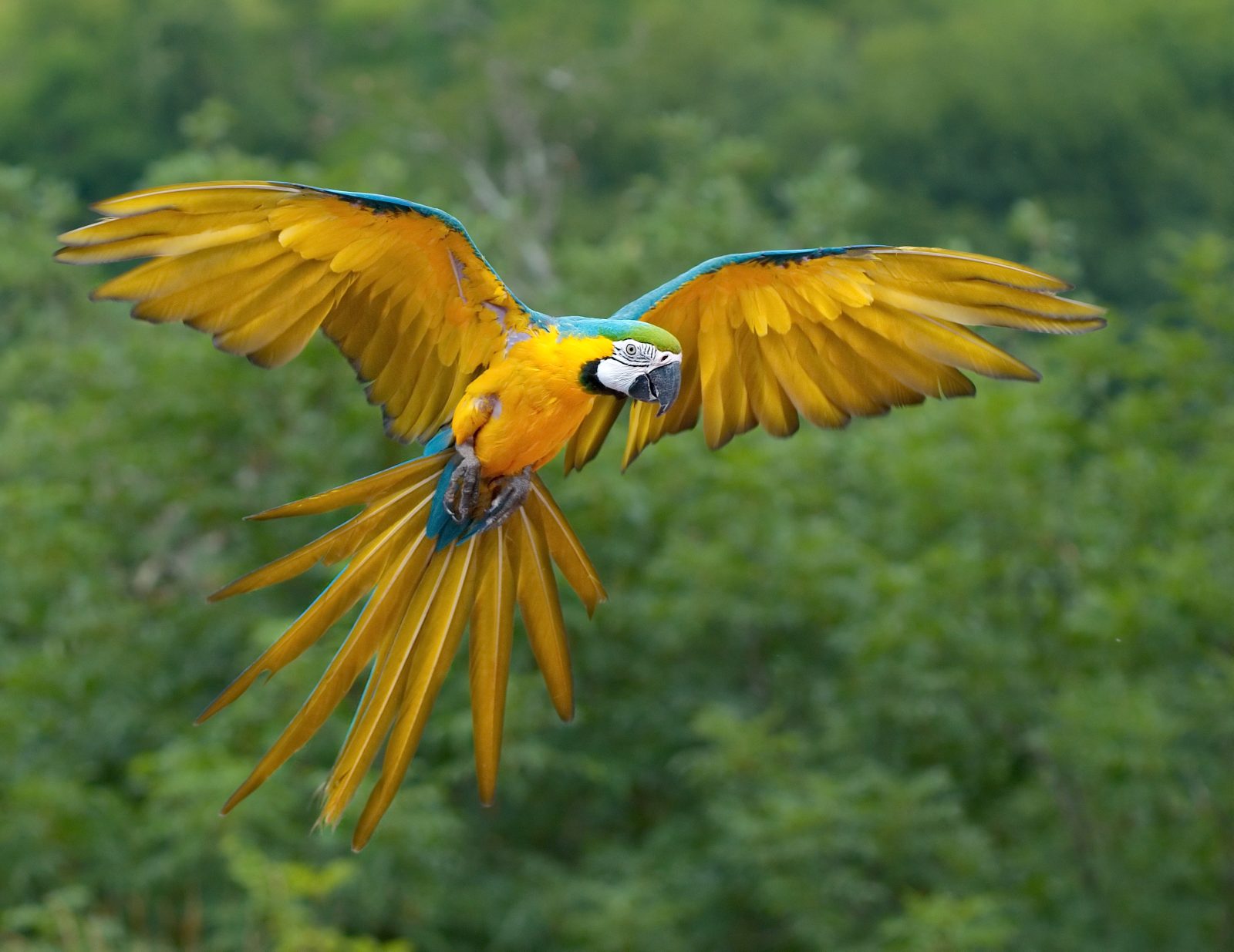
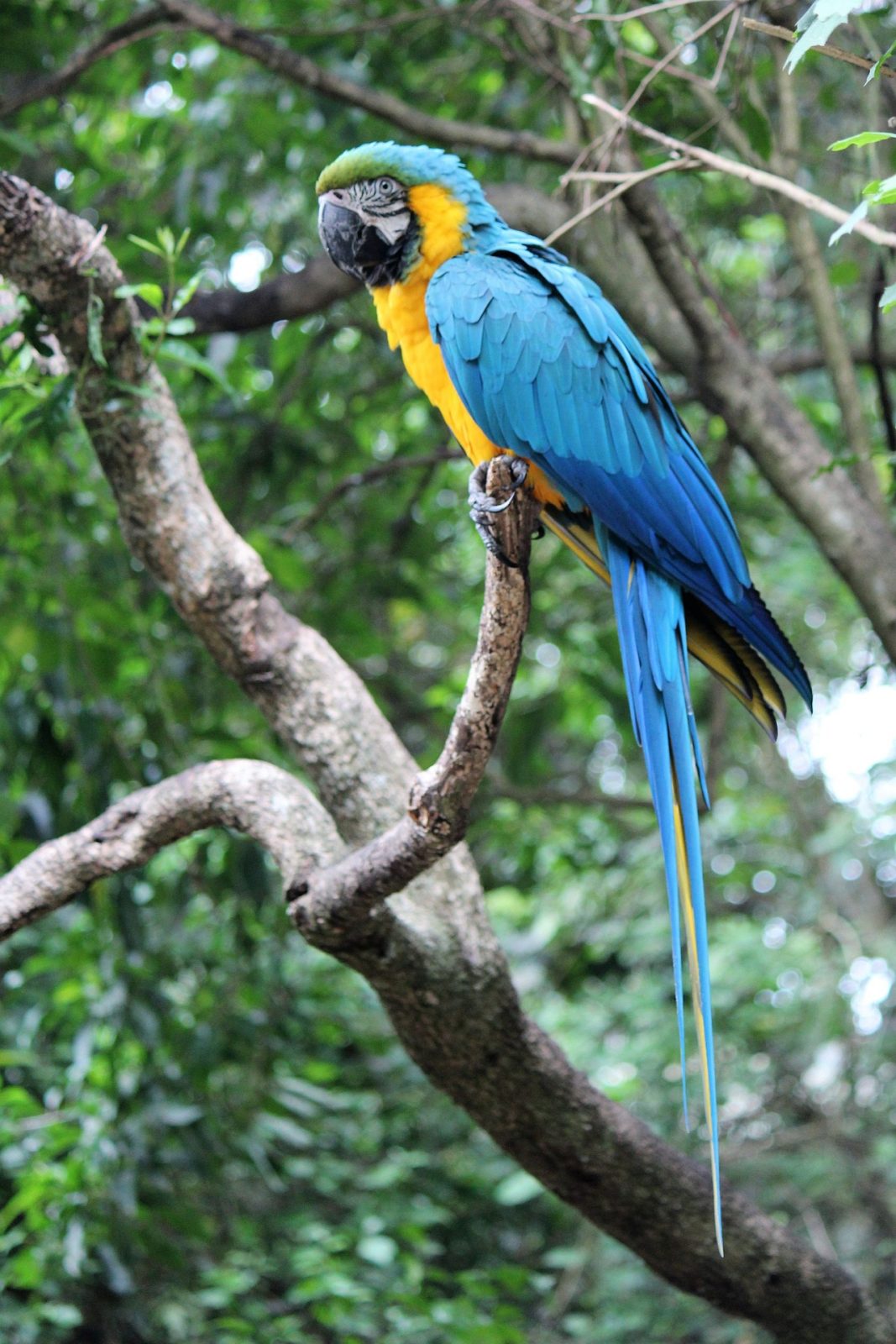
Macaw is a specialist salmon-fly feather material, with tail feathers being particularly valued for their long, strongly coloured fibres. In classic Atlantic salmon fly dressing, macaw is most commonly used for horns, with additional uses in married wings and veiling. Blue-and-yellow macaw (Ara ararauna) and scarlet macaw (Ara macao) are specifically documented as sources of tying feathers. The central tail feathers are especially important because their fibres provide the length, colour and shape required for horns and other narrow decorative elements.
Substitutes
from the archive’s substitution matrix — what each one preserves, what it changes, and what it is documented to be good enough for
The claim is recorded, its differences are not written up yet.
Very useful for single-color strip roles. It cannot reproduce Macaw barbs that naturally show different colors on opposite surfaces.
A substitution is a claim about a purpose, not about a material. The same substitute can be right for display and wrong for a historically faithful dressing, and both are recorded — which is why each purpose keeps its own score rather than being averaged into one.
Flies that call for it
2 patterns across the atlas, in 2 dressings — how each source records it is shown beside the fly
A source that prints this material’s own wording is quoting it. Where a source named something broader and an editor read it as this material, the row says so — that is a judgement, not a quotation.
How it behaves
scores are editorial and comparative within the material family, not measurements — each carries the basis it was arrived at by
Property
Recorded
Basis
Marrying ease
40 out of 100
Bench comparison
Fibre length
90 out of 100
Editorial judgement
Stiffness
80 out of 100
Bench comparison
Sheen
88 out of 100
Editorial judgement
Durability in use
80 out of 100
Bench comparison
Display quality
96 out of 100
Editorial judgement
Translucency
72 out of 100
Editorial judgement
Web
25 out of 100
Editorial judgement
Movement
68 out of 100
Editorial judgement
Availability
40 out of 100
substitute_recommended
Source stated
Historical authenticity
100 out of 100
Bench comparison
Ease of use
63 out of 100
Editorial judgement
Legal risk
High
Source stated
Where to buy
Prefer dyed domestic substitutes unless exact material has documented lawful provenance appropriate to possession/trade.
1 recorded listing points at a merchant the archive has switched off. The Atlas takes nothing from these merchants and ranks them by nothing but where they are.