
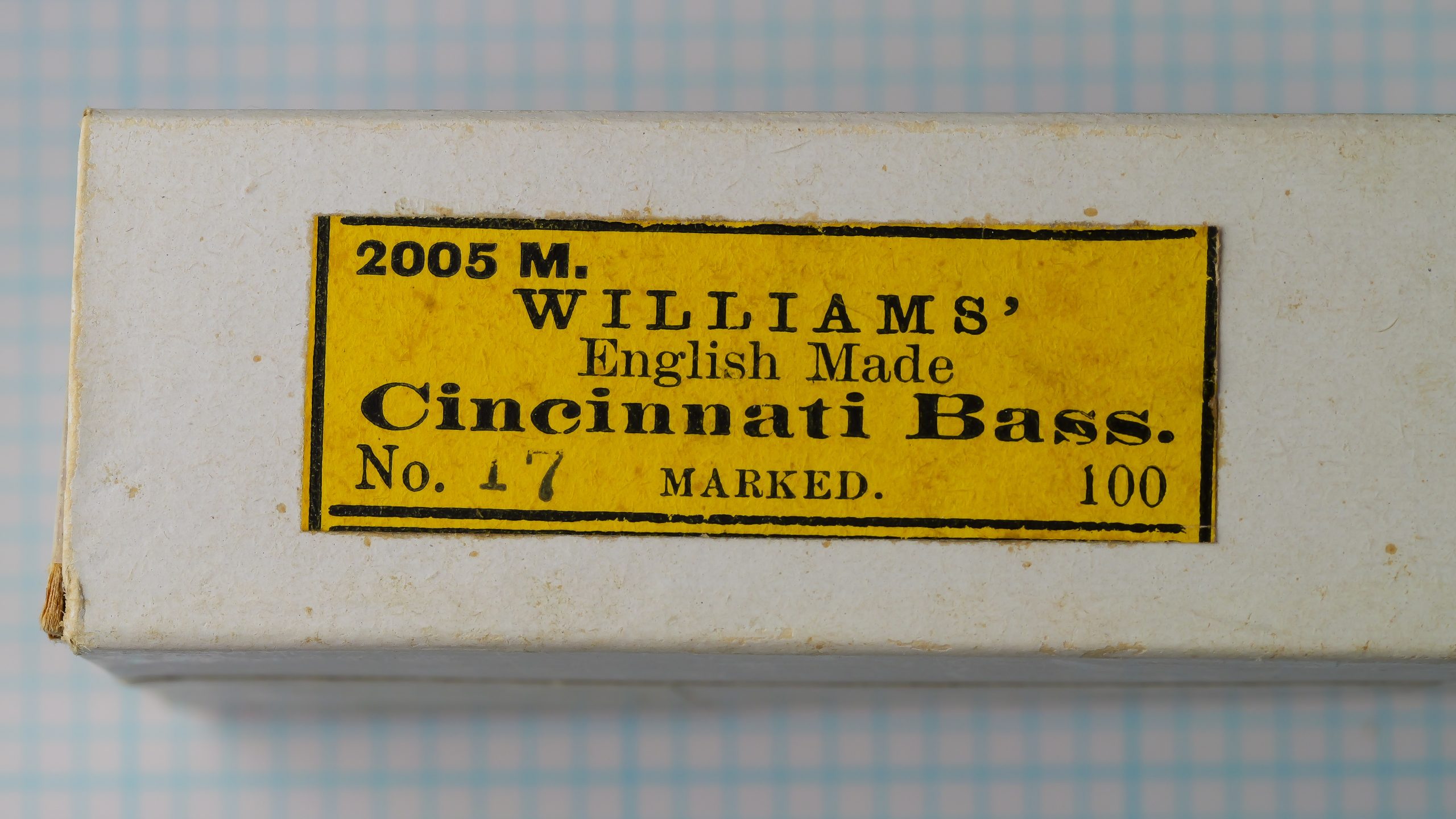
Williams’ Hooks are a fascinating piece of English fishing tackle history, produced by Thomas Williams of Redditch, Worcestershire — the town once recognized as the Needle and Fish Hook Capital of the World. Like fellow Redditch manufacturers Allcock, Milward, and Partridge, T. Williams was a classic family operation that grew from needle making into producing high-quality, precisely tempered English made fish hooks during the late 19th and early 20th centuries. Their hooks — including the sought-after Cincinnati Bass pattern, a modified Kirby bend designed for the American Midwest market — were exported globally at a time when “English Made” was synonymous with superior steel and sharpness. This reference page catalogs surviving Williams’ vintage hook models, including the 2005 M and 2070 M patterns, offering collectors, historians, and fly tyers a detailed look at one of Redditch’s lesser-documented but historically significant hook makers.
Williams’ 2005 M
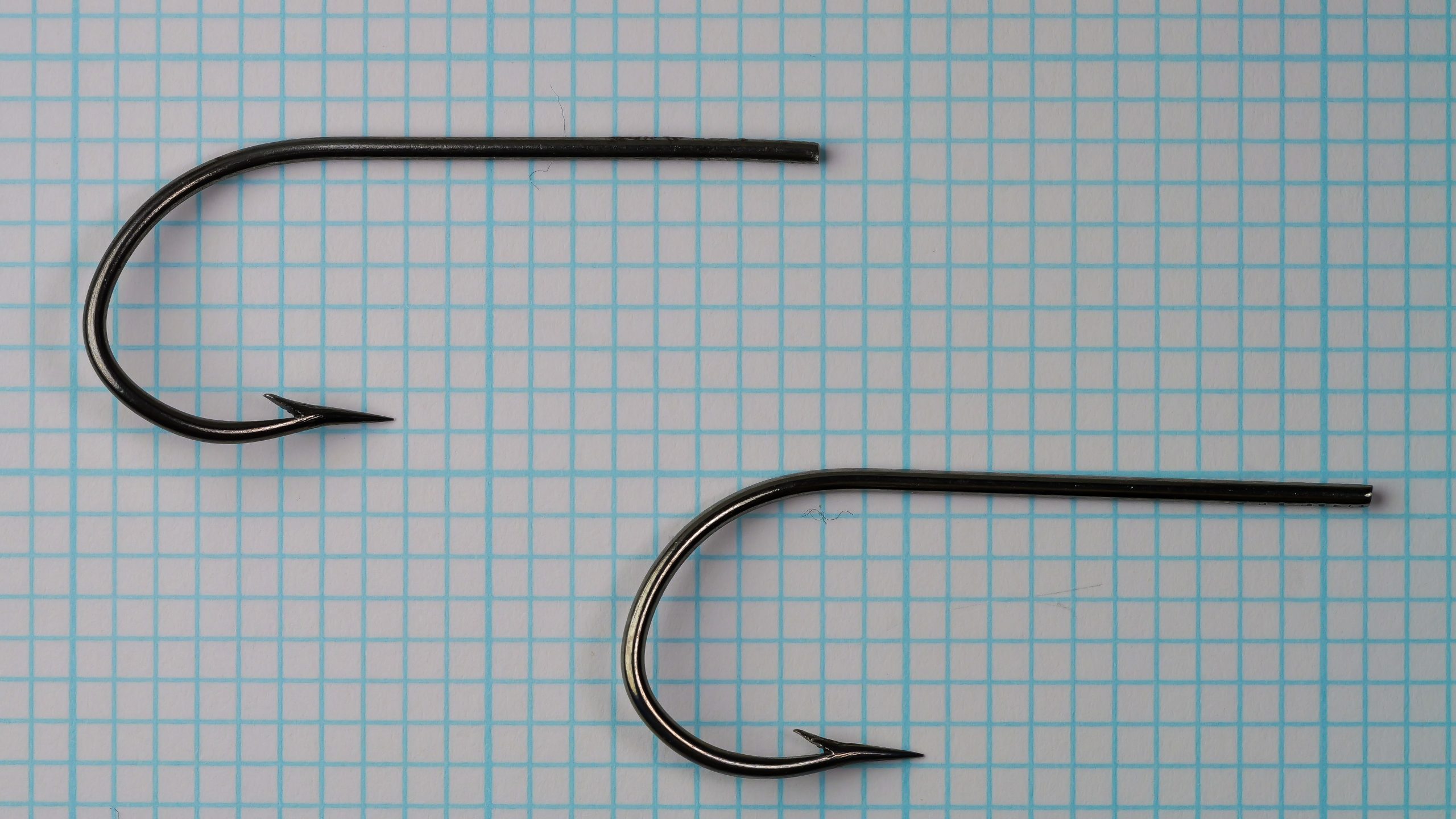
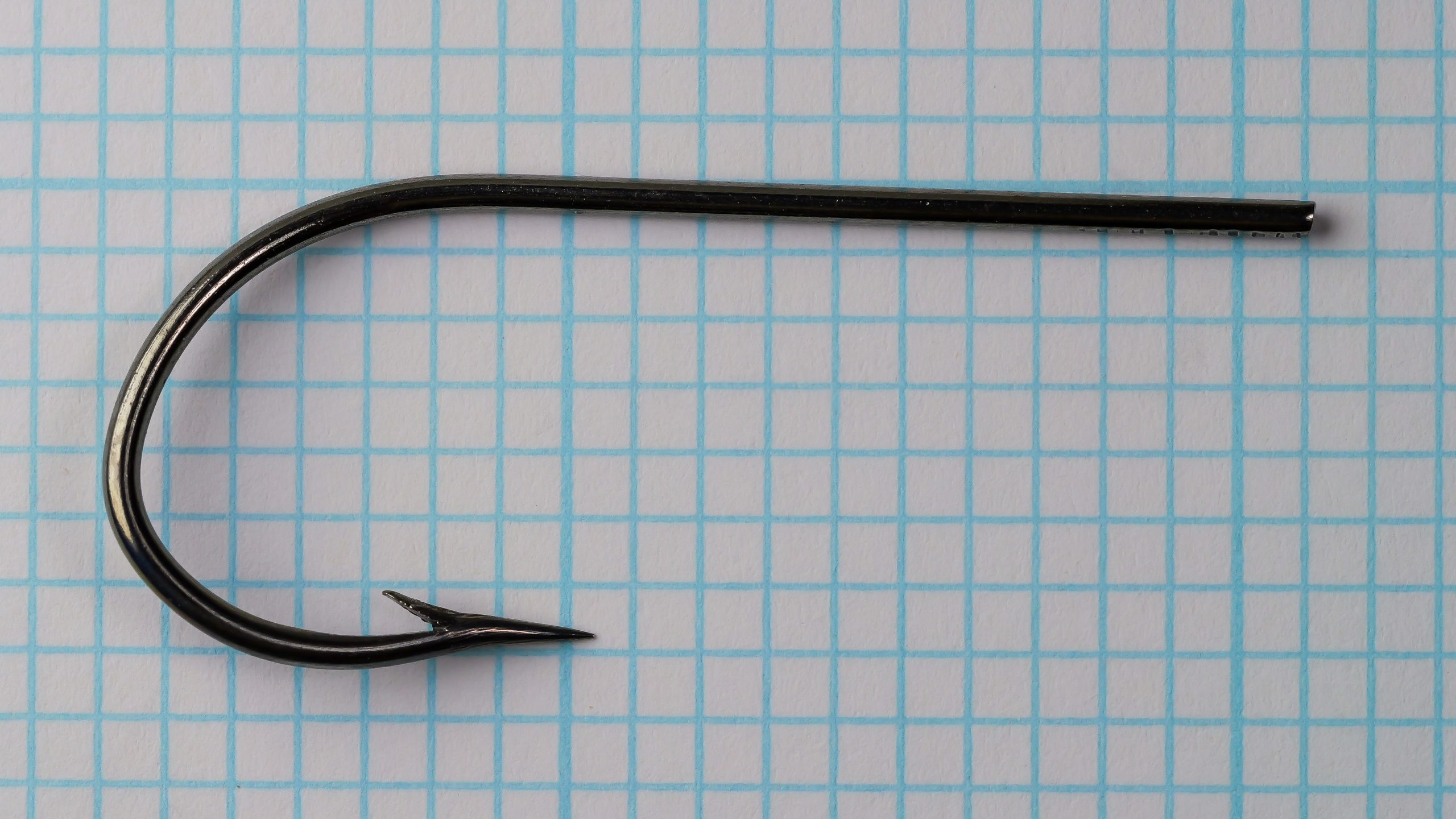
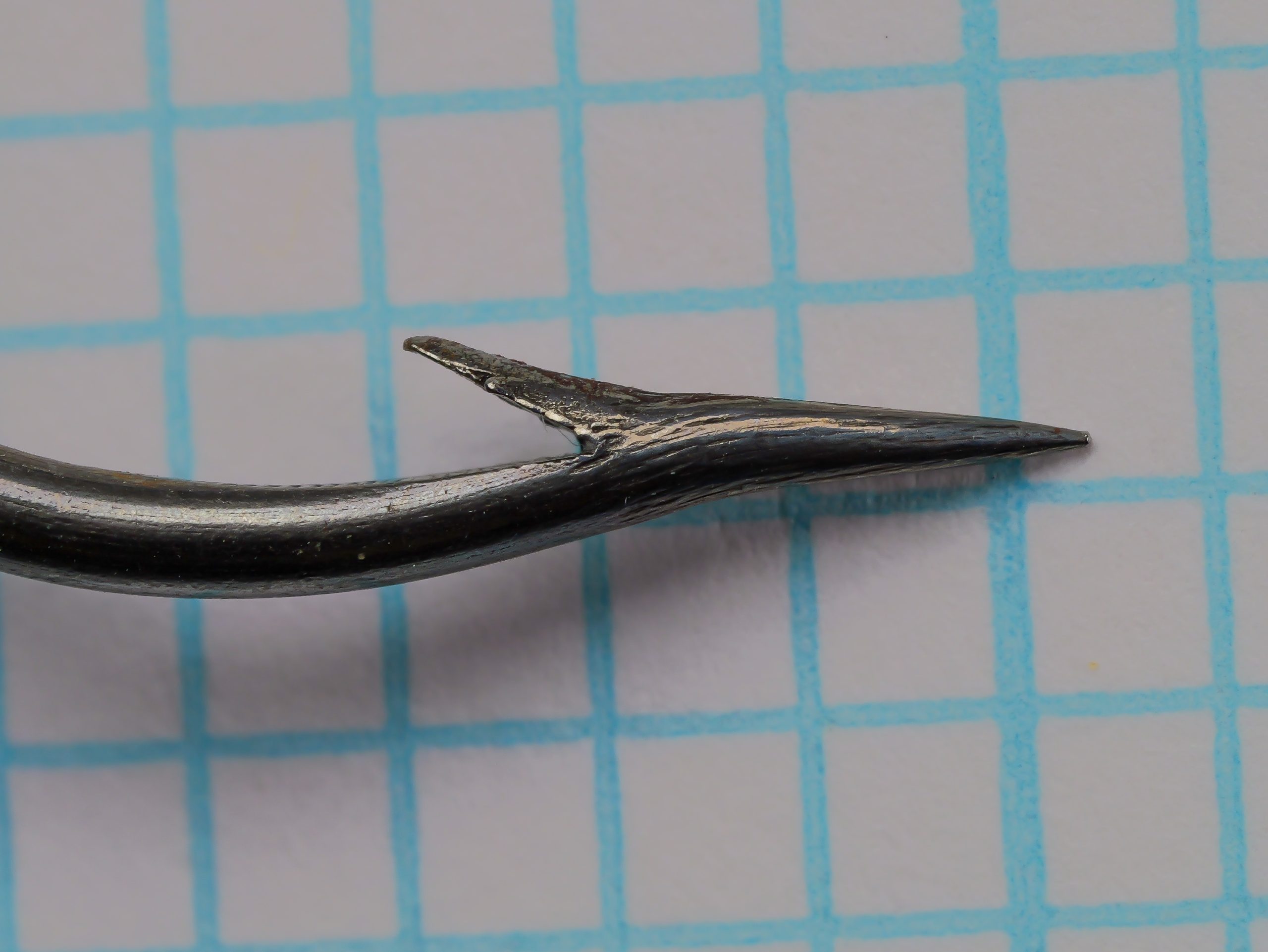
Williams’ 2070 M.
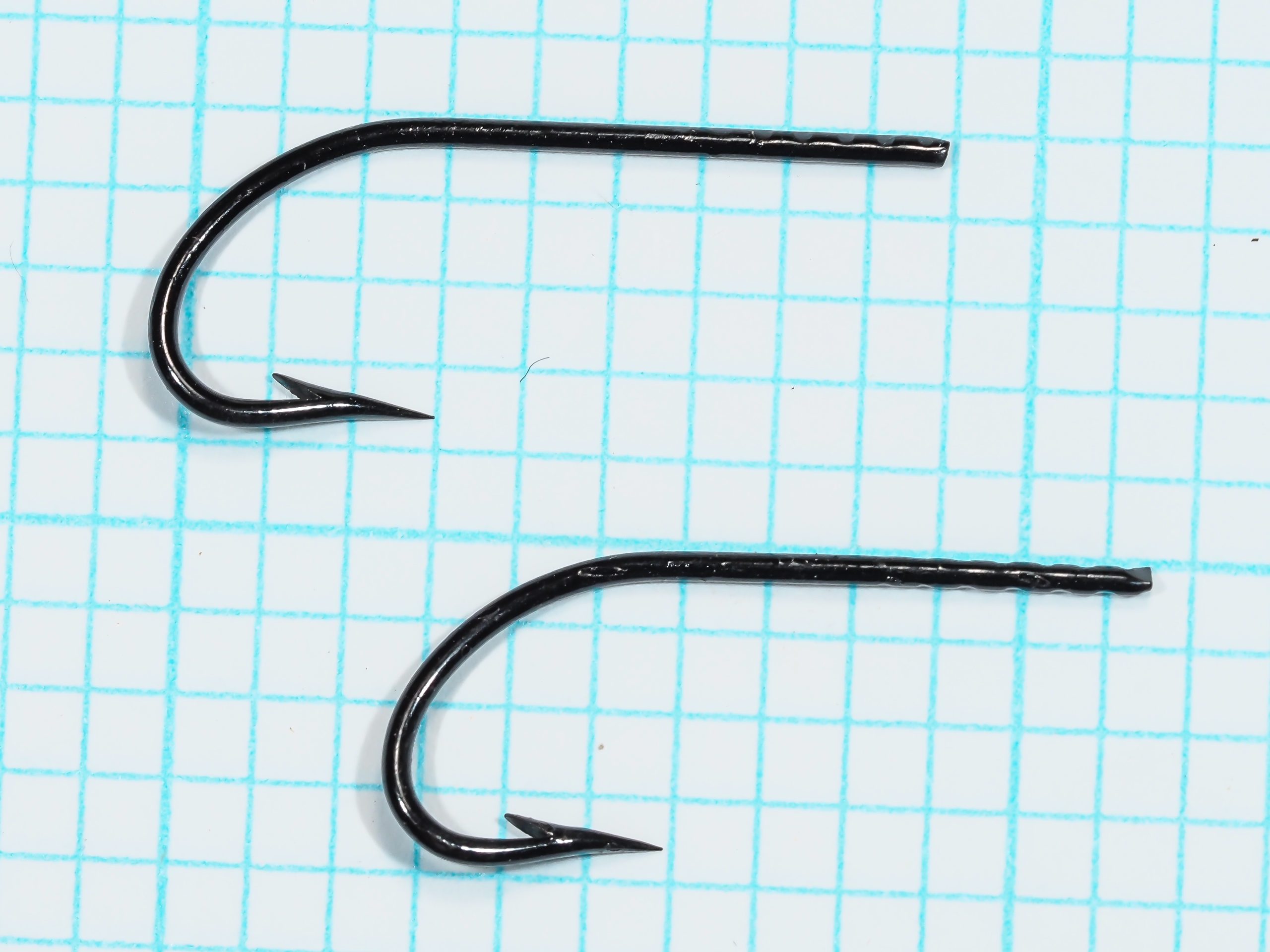
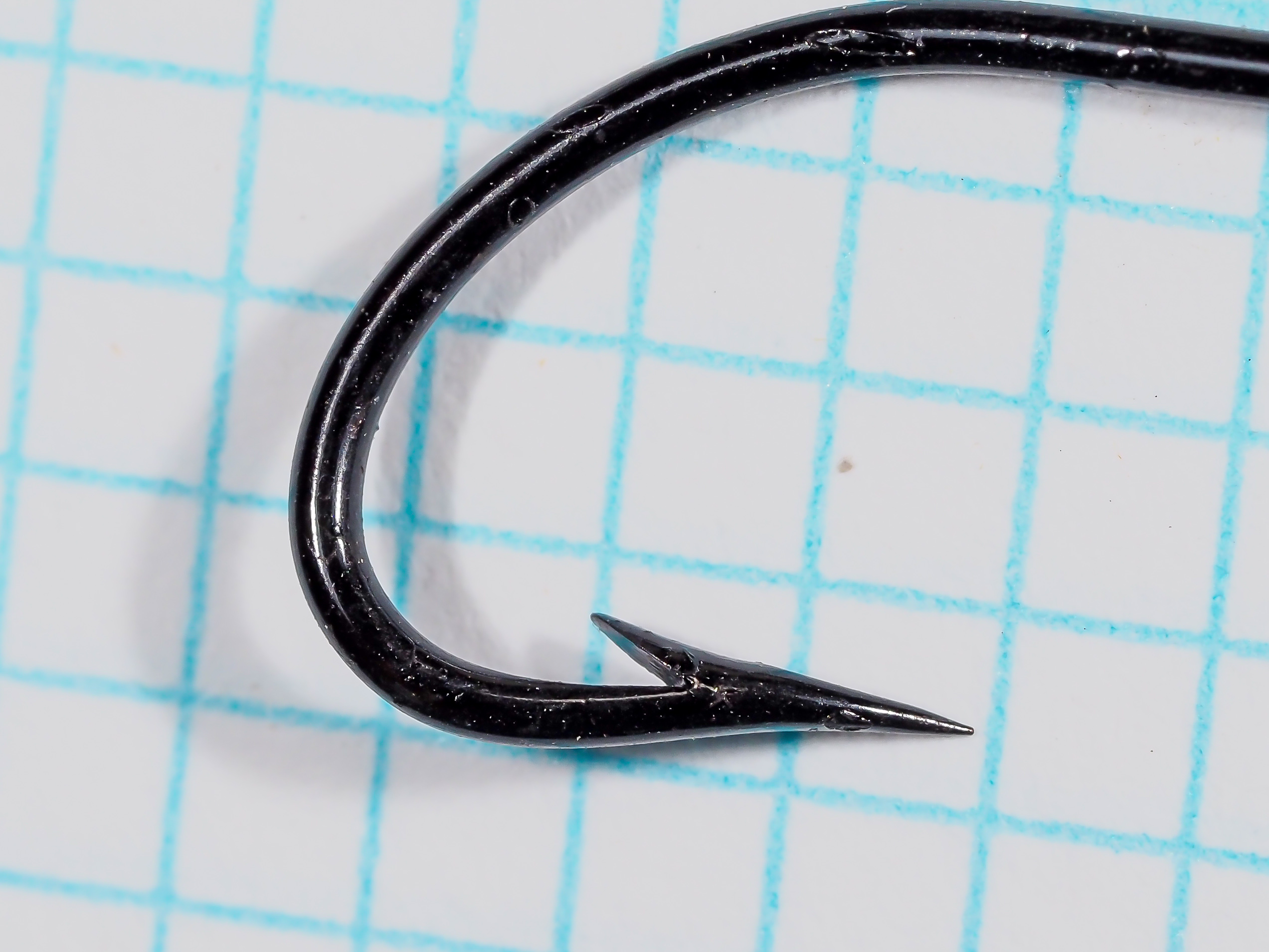
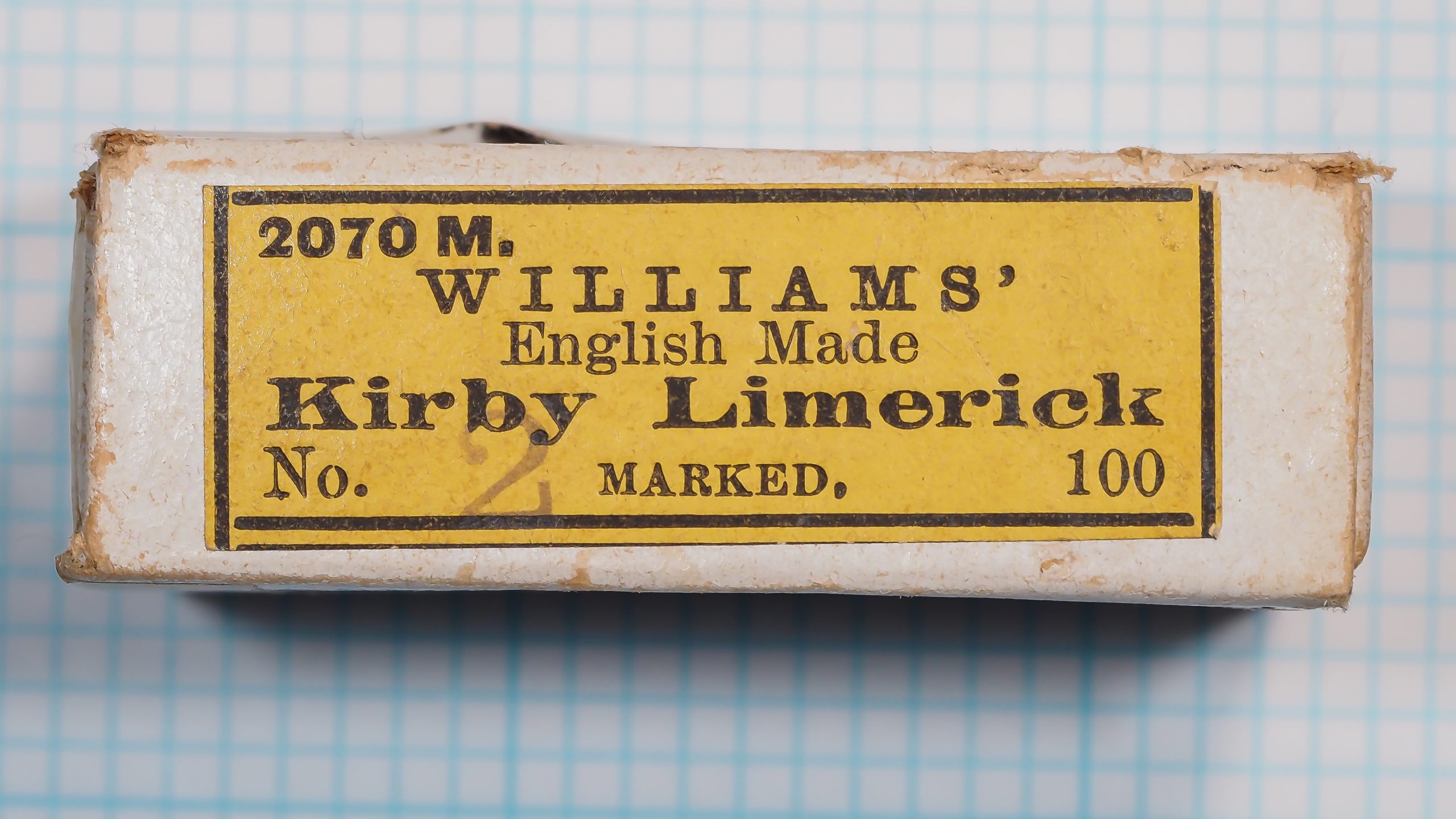
Williams’ Hook History
1. The Manufacturer: Thomas Williams (Redditch)
While the label simply says “WILLIAMS’,” this almost certainly refers to Thomas Williams, one of the prominent needle and fish hook manufacturers located in Redditch, Worcestershire, England.
- The Location: For over 150 years, Redditch was known as the “Needle and Fish Hook Capital of the World.” At its peak, this small English town produced approx. 90% of the world’s fish hooks.
- The Company: T. Williams was a classic 19th and early 20th-century family operation. Like many Redditch firms (such as Allcock, Milward, and Partridge), they started as needle makers and expanded into fish hooks as the sport of angling grew globally.
- The Era: This specific style of packaging—a white cardboard box with a pasted yellow paper label and specific typography—was most common between 1900 and the 1940s.
2. The “Cincinnati Bass” Connection
You might wonder why an English company is making a hook named after an American city. This is a key part of the company’s history.
- The Export Trade: In the late 1800s and early 1900s, American manufacturing was still catching up to British metallurgy. The US market had a massive appetite for high-quality steel hooks, but they imported them almost exclusively from Redditch.
- Regional Patterns: American wholesalers would send specific designs to England to be manufactured. The “Cincinnati Bass” is a specific hook shape (usually a modified Kirby bend with a specific offset) that was popular in the Ohio River Valley and the American Midwest for bass fishing.
- “English Made”: The label explicitly flaunts “English Made” because, at the time, this was a mark of superior tempering and sharpness compared to domestic US hooks.
3. Decline and Consolidation
The history of T. Williams mirrors the decline of the entire Redditch industry:
- Consolidation: As the 20th century progressed, global competition (specifically from Mustad in Norway and later from Japan) squeezed the English makers.
- Absorption: Many smaller family firms like Williams were eventually bought out or merged into larger conglomerates like Needle Industries Ltd. or were absorbed by giants like S. Allcock & Co.
- The End of an Era: By the 1960s, the mass production of hooks in Redditch had largely ceased, moving to Asia or consolidating into the few remaining heritage brands.