
Partridge
- Founded
- —England
- Documented entries
- 12758 spec records
- Categories
- 10By application
- Era range
- 1900–201056 dated entries
The Partridge Hook Company, tracing its roots to Edwin Partridge’s needle-pointing work in 1836, stands as the enduring survivor of the historic hook-making trade in Redditch, England. Transitioning naturally from needle making to tackle production, the company formalized its focus on fish hooks under Albert Partridge at the turn of the 20th century. With early innovations like the 1903 “Captain Hamilton” wet fly hook, Partridge established itself alongside other Redditch manufacturers as a vital supplier to anglers across the British Empire. The company ultimately outlasted its local competitors by pivoting from a general tackle manufacturer into a dedicated, specialist fly-tying brand.
The brand’s reputation as the world’s premier fly hook manufacturer was cemented during its “Golden Age” from 1970 to 1996, driven by the vision of owner Alan Bramley. A master marketer, Bramley transformed the company from a traditional factory into a global name by collaborating with famous anglers to create purpose-built “signature” hooks. This era yielded radical innovations like the bent-shank Klinkhamer Special (15BN), engineered with Hans van Klinken, and established gold standards for classic Atlantic salmon flies with the CS series, including the iconic Bartleet (CS10). Defined by a “handmade in England” ethos, Partridge hooks of this era were celebrated for utilizing legendary soft-tempered Sheffield steel that was designed to bend rather than snap under heavy strain.
The family-owned era concluded in 1996 when the Norwegian tackle giant O. Mustad & Son acquired the company. This shift eventually led to the closure of Partridge’s historic Mount Pleasant factory in Redditch, relocating all production to Mustad’s facilities in Singapore and China. While the hooks maintained a high technical standard through advanced tempering, the brand lost much of its traditional English mystique among purists. Furthermore, Mustad streamlined the massive catalog of niche patterns to prioritize manufacturing efficiency, discontinuing many beloved artisan designs.
A modern renaissance began in 2009 when Partridge was sold to the UK-based Fishing Matters, returning the brand’s headquarters and development to British soil. While mass manufacturing remains in Asia to strict British specifications, the new ownership has actively worked to restore Partridge’s premium, heritage status by reintroducing classic patterns that were previously cut. Today, Partridge bridges its storied past with modern innovation; it continues to honor its legacy in traditional salmon and trout designs while aggressively expanding into contemporary tactical markets with its modern Patriot, Predator, and barbless competition ranges.
Catalog by application
Complete index
127 entries
| Model | Name | Specification | Application | Era | Collectability | |
|---|---|---|---|---|---|---|
|
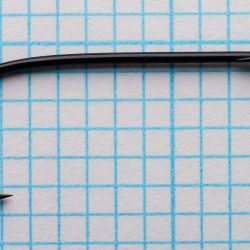
01 | Single Wilson Hooks | SproatFine1XLJapanned | Dry Salmon Sea trout | Undated; Redditch-labelled boxes | |
|
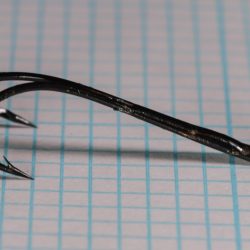
02 | Code 02 Double Wilson | OtherStdJapanned | Salmon Sea trout | Undated (Redditch-made packet) | |

|
4xFF | 4x Fine Forged | RoundStdBronzed | Dry Wet Nymph | — | — |

|
A | Partridge Code A Widegape | SproatHeavy1XSBronzed | Wet Nymph Dry | Designed c. 1930; listed through the late 1990s | |

|
B | Albert Partridge Widegape Up Eye | RoundHeavyBronzed | Wet Nymph | c. 1930-1960 | |
| CLSD | Catskill Long Shank Dry Spec | Std1XL | Dry | — | — | |
|
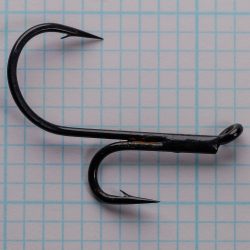
CS1A | V.B. Pike Hooks | OtherStdJapanned | Bait | Packaging printed c. 1987 to April 1995 (I) | — |
|
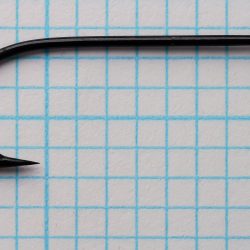
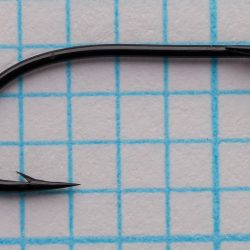
CS2 | CS2 S.E.B. Steelhead/Salmon | DublinStd3XLJapanned | Wet Nymph Streamer | c. 1970s–1980s | |
|
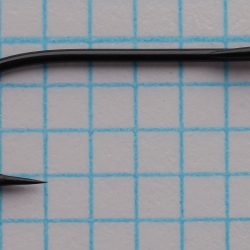
CS2 BL | S.E.B. XX Strong Lure Hook | HeavyJapanned | Wet Nymph | c. 1960-1970 | |
|
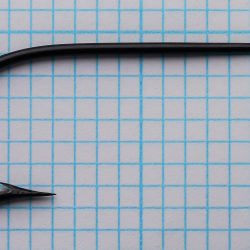
CS2/SH BL | CS2/SH BL Steelhead and Salmon Down-Eye Wet Fly Hook | Heavy2XLJapanned | Wet Nymph Salmon | c. 1950-1975 | |
| CS5/9X | Heritage Streamer 9X Spec | XXL | Streamer | — | — | |
| CS5DE/5X | Down-Eye Streamer 5X Spec | Spec | Streamer | — | — | |
| CS5SE-5X | Straight-Eye Streamer 5X Spec | Spec | Streamer | — | — | |
|
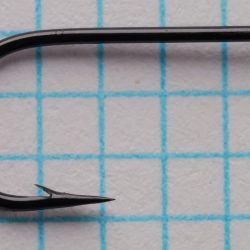
CS6 | CS6 Adlington & Hutchinson Blind Eye Salmon | SproatFineJapanned | Salmon Sea trout Display | c. 1900-1996 (Redditch-era production) | |
|
CS7 HW BL | CS7 Wide Gape Captain Hamilton International Heavyweight | RoundXHJapanned | Wet Nymph | c. 1960-1975 | |
|
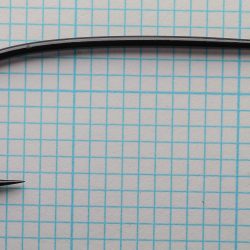
CS7DB | Dublin Bend Classic Salmon Iron | DublinXF2XLJapanned | Salmon Sea trout Spey | c. 2000-present | |

|
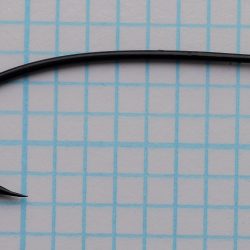
CS7MW | Captain Hamilton International Middleweight Fly Hooks | RoundStdJapanned | Wet Nymph | c. 1980–1995 | |
|
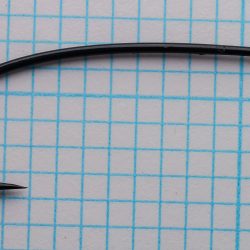
CS10 | Bartleet Salmon Fly Hooks | DublinXF2XLJapanned | Salmon Sea trout Spey | c. 1970s-1990s (Redditch-era production) | |
|
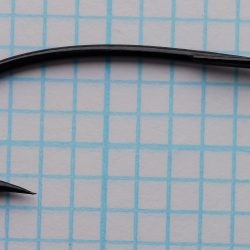
CS10/1 | Bartleet Traditional Salmon Fly | DublinXF2XLJapanned | Salmon Sea trout Spey | c. 1975–2020 | |
|
CS10/2 | Bartleet Supreme | DublinStd1XLJapanned | Salmon Sea trout | c. 1975-1985 | |
|
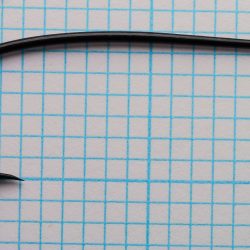
CS10/3 | CS10/3 Bartleet Traditional Blind Eye | DublinXF3XLJapanned | Salmon Sea trout Spey | c. 1933–present (Redditch production c. 1933–2005; current production Wuxi, China, 2008–present) | |

|
CS11/1 | JS Sea Streamer | OtherStd3XLOther | Streamer Sea trout SW | — | |
| CS15 | Carrie Stevens Streamer Spec | Streamer | — | — | ||
| CS17/7X | Heritage Streamer 7X Spec | LimerickHeavyXXL | Streamer | — | — | |
|
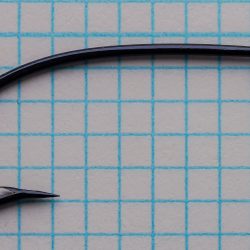
CS 22 | Partridge CS 22 Spey Hook | BartleetXFJapanned | Salmon Sea trout Spey | c. 1975-1995 | |

|
CS28 | Roman Moser Barbless Nymph | LimerickStd2XLOther | Nymph | — | — |
|
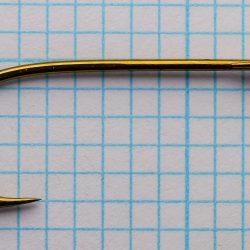
CS42 | CS42 Bomber Salmon/Steelhead Dry Fly | LimerickFine2XLBronzed | Dry Salmon Sea trout | c. 2010-2026 | |
| CS42/AR | CS42/AR Spec | LimerickStd | Salmon | — | — | |
| CS42/R | Bomber Spec | Salmon | — | — | ||
|
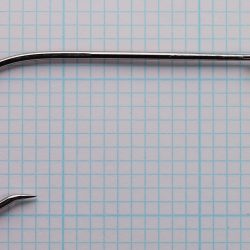
CS43BN | Ad Swier Pike Fly | OtherXFNickelled | Other | — | |
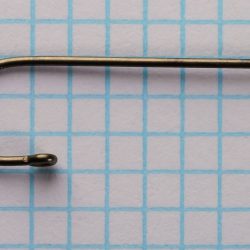
|
CS2002 | Tag Long Shank Hooks | RoundHeavySpecBronzed | Streamer Nymph | Green-card packaging probably printed before April 1995 (I) | — |

|
CS2003 | Tag Nymph Hooks | O'ShaughnessyFineJapanned | Nymph | Production dates not established. The size 12 card was probably printed before April 1995 (I). | — |
| CSSD | Catskill Short Shank Dry Spec | Std1XS | Dry | — | — | |
| CZ | Czech Nymph Spec | Heavy | Nymph | — | — | |

|
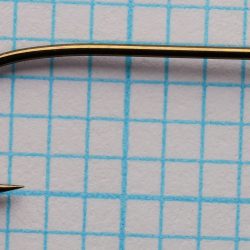
D.E. Sneck | D.E. Sneck | SneckStdBronzed | Wet Nymph | c. 1920-1940 | |
|
D3ST | D3ST Straight-Eye Streamer Hook | SproatStd2XLBronzed | Wet Nymph Streamer | c. 1978–1984 | |
| D4AF | Streamers Streamer 4X Spec | Heavy4XL | Streamer | — | — | |
| D4AY | Ideal Streamer Spec | Heavy1XL | Nymph | — | — | |
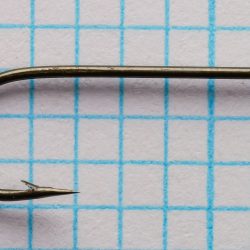
|
D5B | D5B Mayfly | RoundFine2XLBronzed | Dry | c. 1950-1980 | |
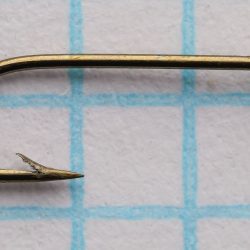
|
E1A | E1A 4X Fine Dry Fly | RoundXF2XLBronzed | Dry | c. 1950s-1970s | |
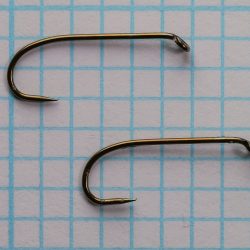
|
E3AY | Partridge E3AY | SproatStd1XLBronzed | Dry Wet Nymph | c. 1960-1980 | |
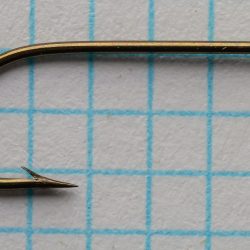
|
E6A | E6A 4X Fine Short Length Down Eye Hooks | RoundStd1XSBronzed | Dry | Box date not established. A catalog transcription lists the code, and its page appears to date from about 1999 (I). | — |

|
Fine Wire Round Taper | Fine Wire Round Taper | RoundFineBronzed | Dry Wet Nymph | c. 1920s-1950s | |

|
FT | Forged Taper | O'ShaughnessyFineBronzed | Salmon Sea trout | — | — |
| FW3/DE | Bait Holder Spec | Bait | — | — | ||
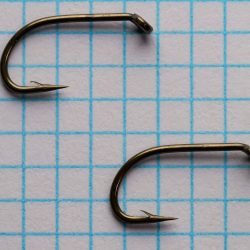
|
G3A | G3A Sproat Wet Fly Hook | SproatStd1XSBronzed | Wet Nymph | c. 1920s–present | |
| G3A/L | Wet Heavy Supreme Spec | Sproat | Wet | — | — | |
| G3A/LY | Sproat Nymph Spec | SproatHeavy | Nymph | — | — | |
| G3AY | Sproat Wet Spec | Sproat | Nymph | — | — | |
| G4AY | Competition Heavy Wet Spec | Wet | — | — | ||
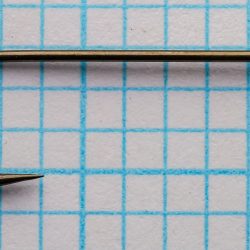
|
H1A | H1A Nymph Hook (Medium Weight) | RoundStd3XLBronzed | Wet Nymph Streamer | c. 1950-1975 | |

|
H3ST | Draper Hooks | Std1XLBronzed | Nymph | — | — |

|
HE1 | Partridge HE1 | RoundFine1XSBronzed | Dry | c. 2000s-2020s | |

|
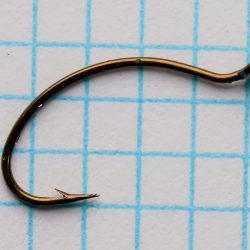
J1A | Partridge J1A | LimerickXHBronzed | Wet Nymph | c. 1970s-1980s | |
|
K2B | Yorkshire Caddis Hooks | RoundXF1XSBronzed | Dry Wet Nymph | c. 1950-1975 | |
| K2BY | Caddis Pupa Spec | Std | Nymph | — | — | |
|
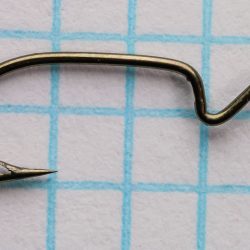
K3A | K3A Swedish Dry Fly Hook | SproatStd2XLBronzed | Dry | c. 1950-1970 | |
|
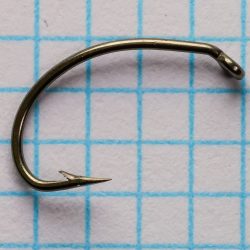
K4A | K4A Grub/Shrimp | Fine1XSBronzed | Dry Wet Nymph | c. 1976-1990 | |
| K4AY | Grub & Buzzer Spec | Std | Nymph | — | — | |
| K4AY/SE | Grub & Buzzer Straight-Eye Spec | Std | Nymph | — | — | |
| K5AS | Egg/Caddis Heavy Spec | Heavy | Nymph | — | — | |
| K5AY | Grub Heavy Spec | Heavy | Nymph | — | — | |
|
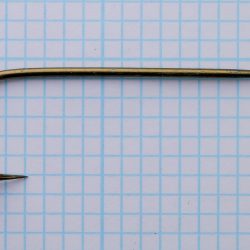
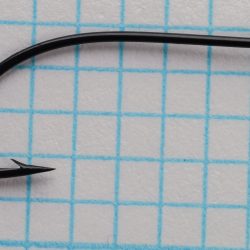
K6M | Kirby Minnow Turned Ends | KirbyFine3XLBronzed | Wet Nymph Salmon | c. 1920s-1950s | |
|
K12ST | Longshank Sedge/Caddis | SproatFine1XLJapanned | Dry Wet Nymph | c. 1980–1995 | |
| K14A | Caddis Emerger Spec | Std | Nymph | — | — | |

|
K14ST | K14ST Nymph/Emerger | LimerickStdBright | Nymph Dry | c. 1975-2000 | |
| K15DE | Curved Shank Long Spec | Heavy | Nymph | — | — | |
|
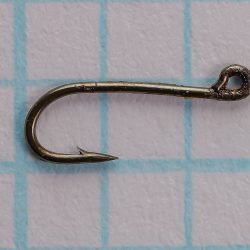
K17 | Davy Wotton In Line Eye | StdBronzed | Dry Nymph Wet | — | — |
|
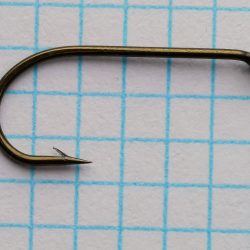
L2A | Captain Hamilton Medium Weight Wet Fly Hook | RoundHeavyBronzed | Wet Nymph | c. 1950-1980 | |

|
L3A | Captain Hamilton Dry Fly (Down Eye) | RoundStdBronzed | Dry Wet Nymph | c. 1950s-1970s | |
| L3AS | Spider Spec | Wet | — | — | ||
|
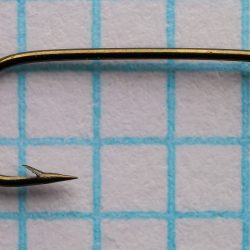
L4A | Captain Hamilton Featherweight | RoundFineBronzed | Dry | 1995-c. 1999 (documented) | |
| L5A | Dry Fly Supreme Spec | RoundStd | Dry | — | — | |

|
LIMK | Limerick Loop Eye | LimerickHeavy3XLBronzed | Nymph Streamer Salmon | c. 1920-1960 | |

|
Lim Minnow | Limerick Minnow | LimerickStd1XLBronzed | Bait | c. 1920s | |

|
M | Single Salmon | SproatHeavy2XLJapanned | Salmon Sea trout | c. 1950-1970 | |
| M2 | Heavy Single Spec | Limerick | Salmon | — | — | |
|
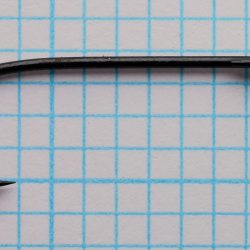
N | Code N Single Low Water | SproatFine2XLJapanned | Salmon Sea trout | c. 1950-1975 | |
| N2 | Low Water Single Spec | LimerickStd1XL | Salmon | — | — | |
|
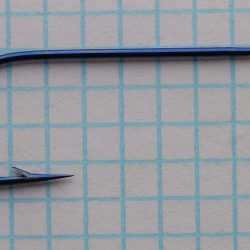
NA | Extra Fine Wire Round Bend Blue Hook | RoundXF1XLBlued | Salmon Sea trout Bait | c. 1920-1940 | |

|
NA | Fine Wire Forged Reversed | RoundXF1XSBronzed | Dry Wet Nymph | c. 1920-1940 | |

|
NA | Fine Wire Round Bend Tapered | RoundStd1XLBronzed | Dry Wet Nymph | c. 1920-1945 | |

|
NA | Grub Blind Eye | KirbyFine1XSBronzed | Dry Wet Nymph | c. 1920-1940 | |

|
NA | Partridge Sneck Taper | SneckHeavy2XLBronzed | Wet Nymph Salmon | c. 1900-1940 | |
| NFD | Nordic Down-Eyed Double Spec | 1XS | Salmon | — | — | |

|
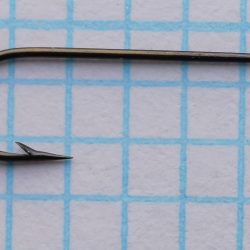
Not documented | Kirby Tapered | KirbyStdBronzed | Wet Salmon Sea trout | c. 1945-1965 | |
|
Not identified | F.W. Round Taper | RoundStd2XLBronzed | Dry Wet Nymph | c. 1930-1960 | |

|
Not marked on packaging | Round-Bend Trout Hook, Extra-Fine Wire | RoundXFBlued | Dry Wet Nymph | c. 1950-1970 | |
|
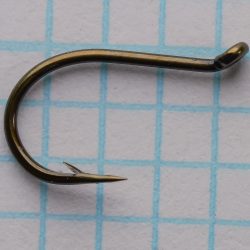
Not visibly printed | Up Eye Forged Short Shank | RoundHeavy1XSBronzed | Dry Wet Nymph | c. 1920–1950 | |
| NTD | Nordic Tube Double Spec | 1XS | Salmon | — | — | |
| NTS | Nordic Tube Single Spec | Sproat | Salmon | — | — | |
| P | Heavy Double Spec | Dublin | Salmon | — | — | |
|
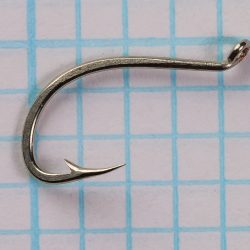
Partridge Steelhead Hooks | Steelhead Hook | KirbyStd1XSPolished | Wet Salmon Sea trout | c. 1940-1960 | |
| PWW | Wide Wet Black Nickel Spec | Std | Wet | — | — | |
| PWWBR | Wide Wet Bronze Spec | Std | Wet | — | — | |
|
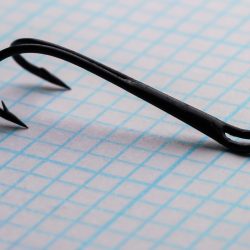
Q | Double Low-Water Salmon Hook | SproatHeavy2XLJapanned | Salmon Sea trout | c. 1930-1970s | |
| Q2 | Low Water Double Spec | LimerickStd | Salmon | — | — | |
|
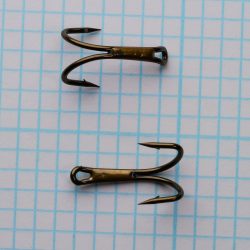
R1A | Partridge R1A Double Limerick | LimerickStdBronzed | Wet Nymph Salmon | c. 1960s-1980s | |

|
R2A | R2A Outpoint Double | O'ShaughnessyFine1XSBronzed | Wet Sea trout | c. 1970-1980 | |
|
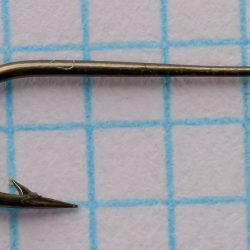
Round Taper | Round Taper | RoundStdBronzed | Dry Wet Nymph | c. 1945-1965 | |
| SLD2 | Standard Dry Spec | Dry | — | — | ||
| SLD3 | Surehold Dry Spec | SproatHeavy | Dry | — | — | |
| SLD4 | Sproat Nymph Spec | SproatHeavy1XS | Nymph | — | — | |
| SLDJ | Sure Hold Jig Spec | Std | Nymph | — | — | |
| SLJ | Wide Gape Jig Spec | 1XS | Nymph | — | — | |
| SLJX | Wide Gape Heavy Jig Spec | Sproat | Nymph | — | — | |
| SLP | Grub Pupa Spec | Std | Nymph | — | — | |
| ST | Stinger Spec | RoundStd1XS | Salmon | — | — | |
| STB | Stinger Barbless Spec | RoundStd1XS | Salmon | — | — | |
| SUD | Ideal Dry Spec | Dry | — | — | ||
| SUD2 | Ideal Standard Dry Spec | Dry | — | — | ||
| SUJ | Ideal Jig Spec | Nymph | — | — | ||
| SWW | Stillwater Wide Spec | Heavy1XS | Wet | — | — | |

|
Trout Taper | Trout Taper | RoundStdBronzed | Dry Wet Nymph | c. 1950-1975 | |
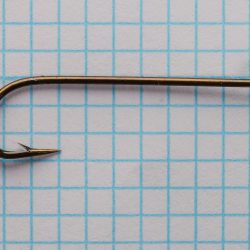
|
U.E. Long Mays | U.E. Long Mays | SproatStd3XLBronzed | Dry Nymph | c. 1950-1965 | |
| V1SS | Waddington Shank Spec | Salmon | — | — | ||
| V2SS | Intruder Shank Spec | Salmon | — | — | ||
| X1S | Salmon Stinger Spec | Std | Salmon | — | — | |
| X2B | Long Shank Out-Point Treble Spec | 1XL | Salmon | — | — | |
| X5 | Tube Treble Spec | Salmon | — | — | ||
| X6 | Lure Replacement Treble Spec | Round | Salmon | — | — | |
| X7 | Rigging Treble Spec | Salmon | — | — | ||

|
Z1 | Jack Hilton Carp Hooks | RoundStd1XSJapanned | Other | Range introduced June 1980; recorded packet printed between 1981 and April 1995 (probable) | |
| Z4 | Intruder Spec | XH | Salmon | — | — | |
| Z4R | Bloody Intruder Spec | XH | Salmon | — | — | |
| Z4RY | Bloody Intruder Barbless Spec | XH | Salmon | — | — | |

|
Z14BN | Special Piggyback | DublinFineOther | Nymph Other | — | — |