
English Made | Cincinnati Bass | Marked | Blind Eye
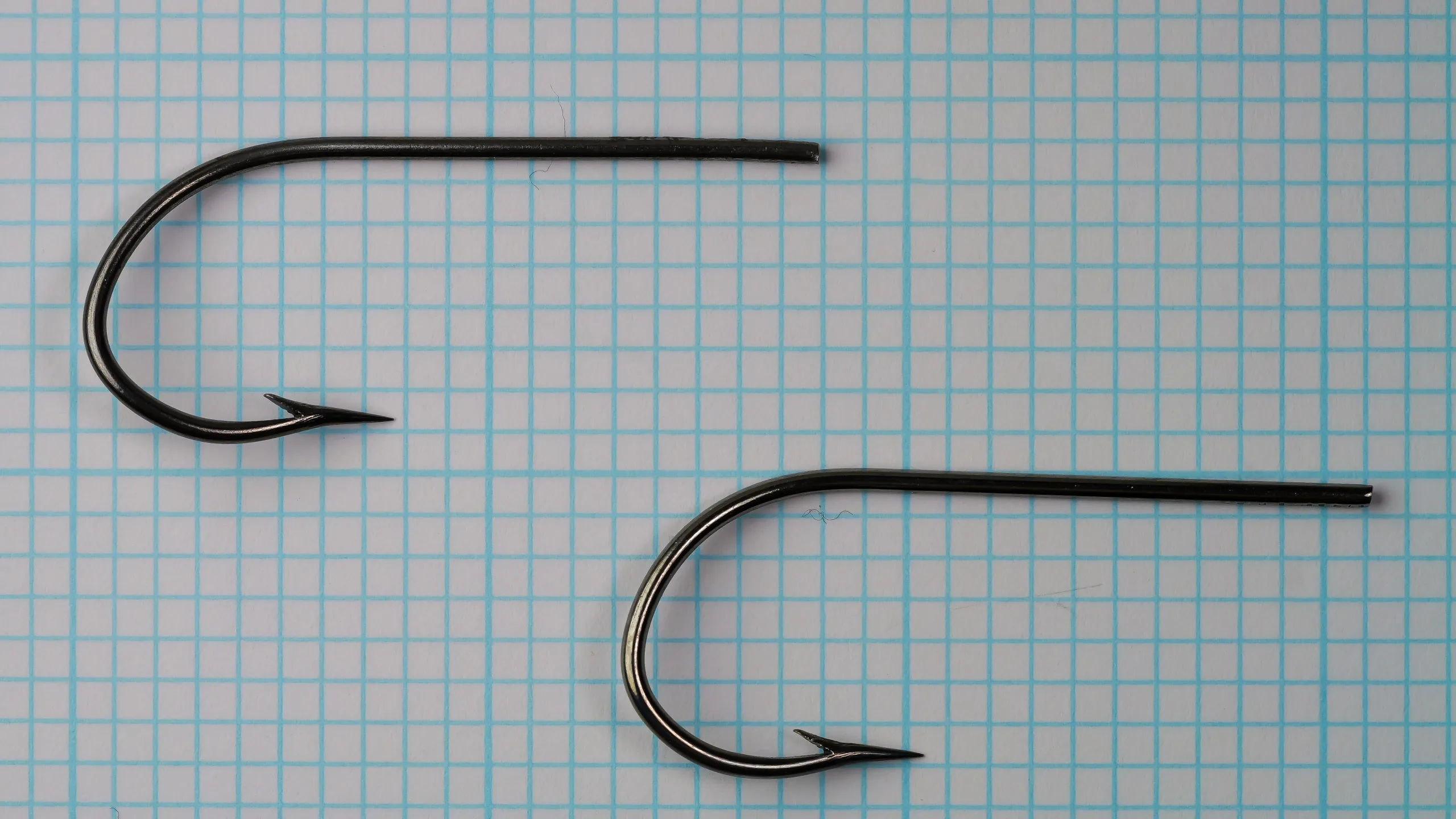
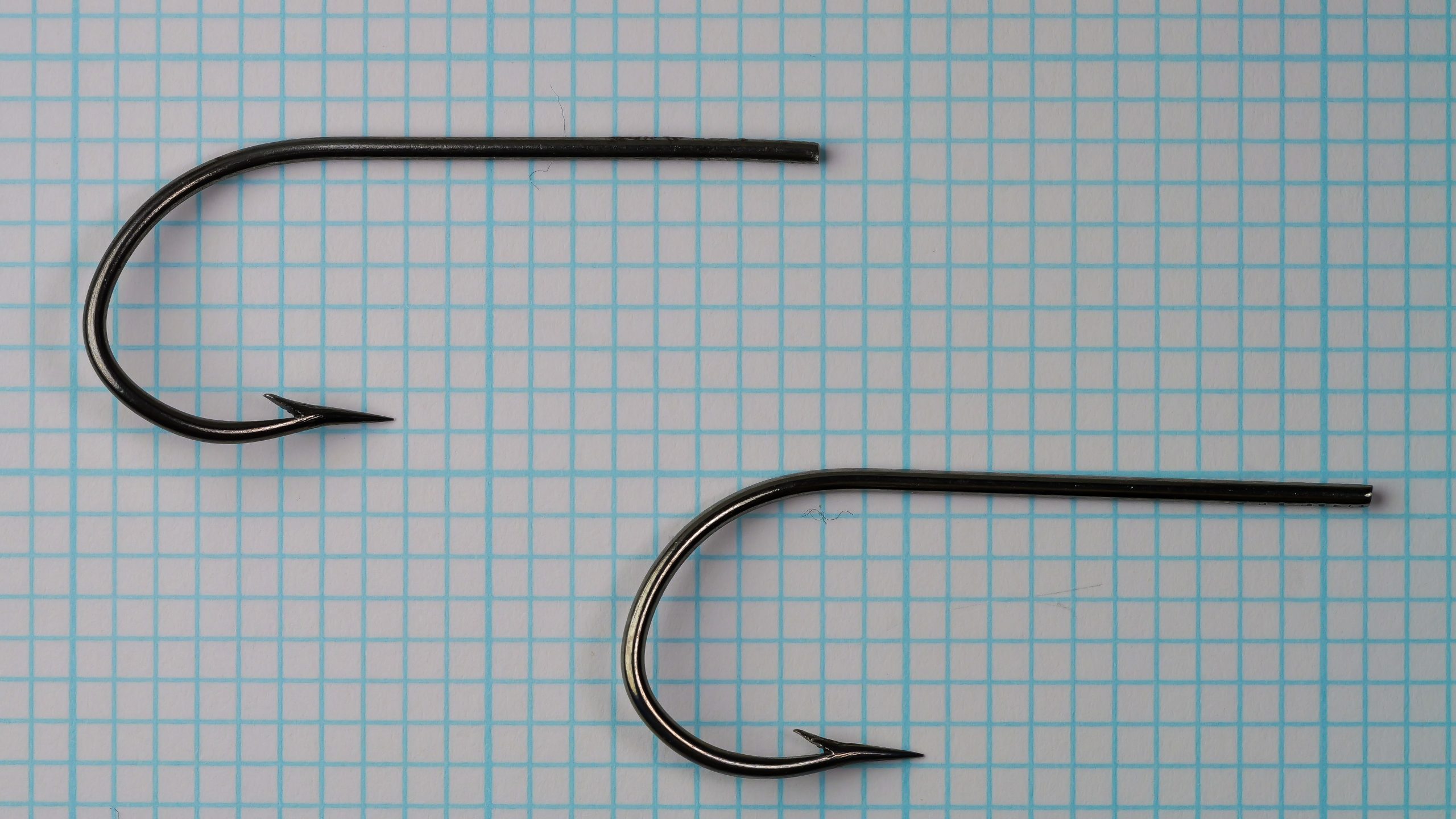
Williams 2005 M Hooks Size 17 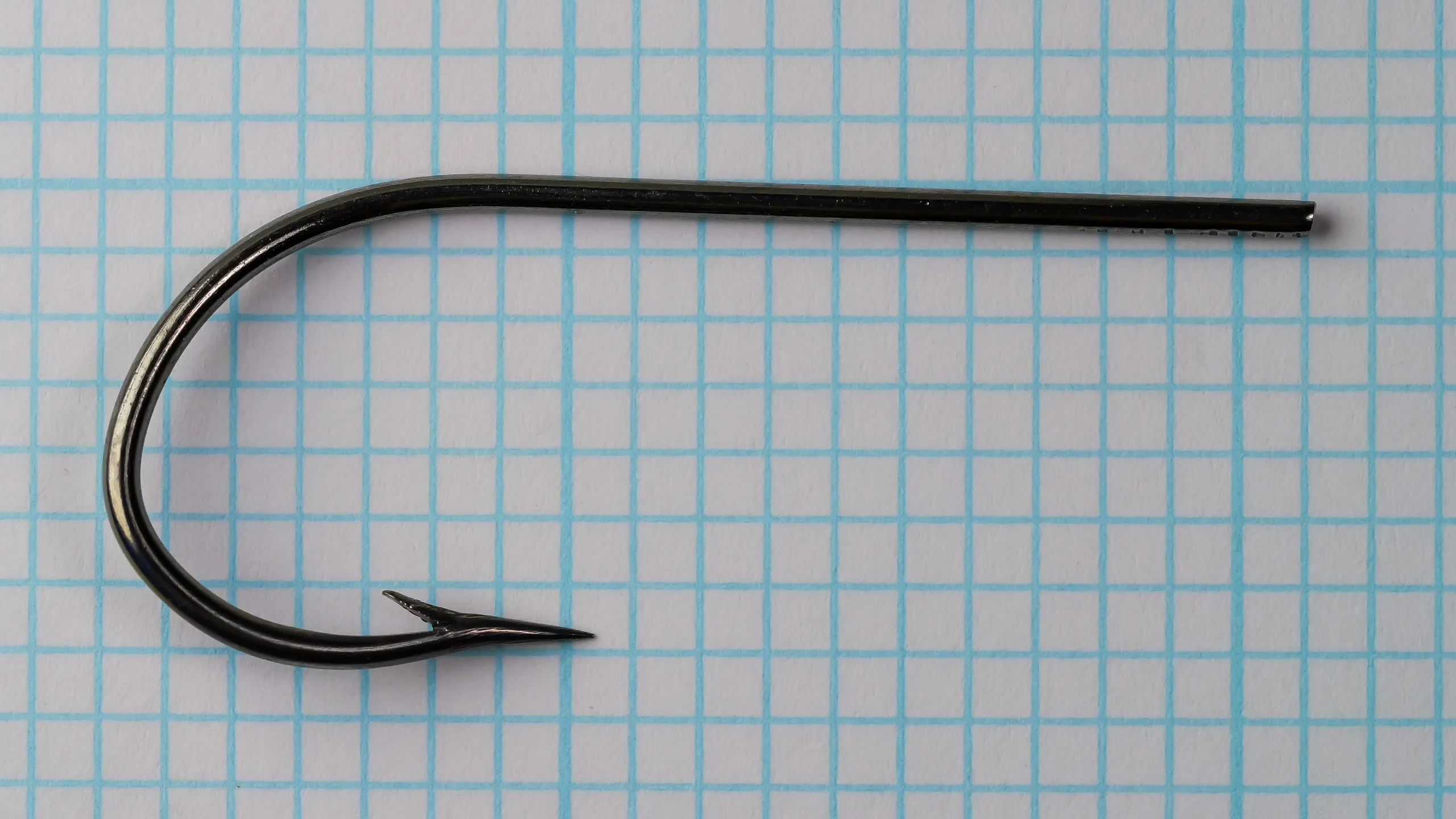
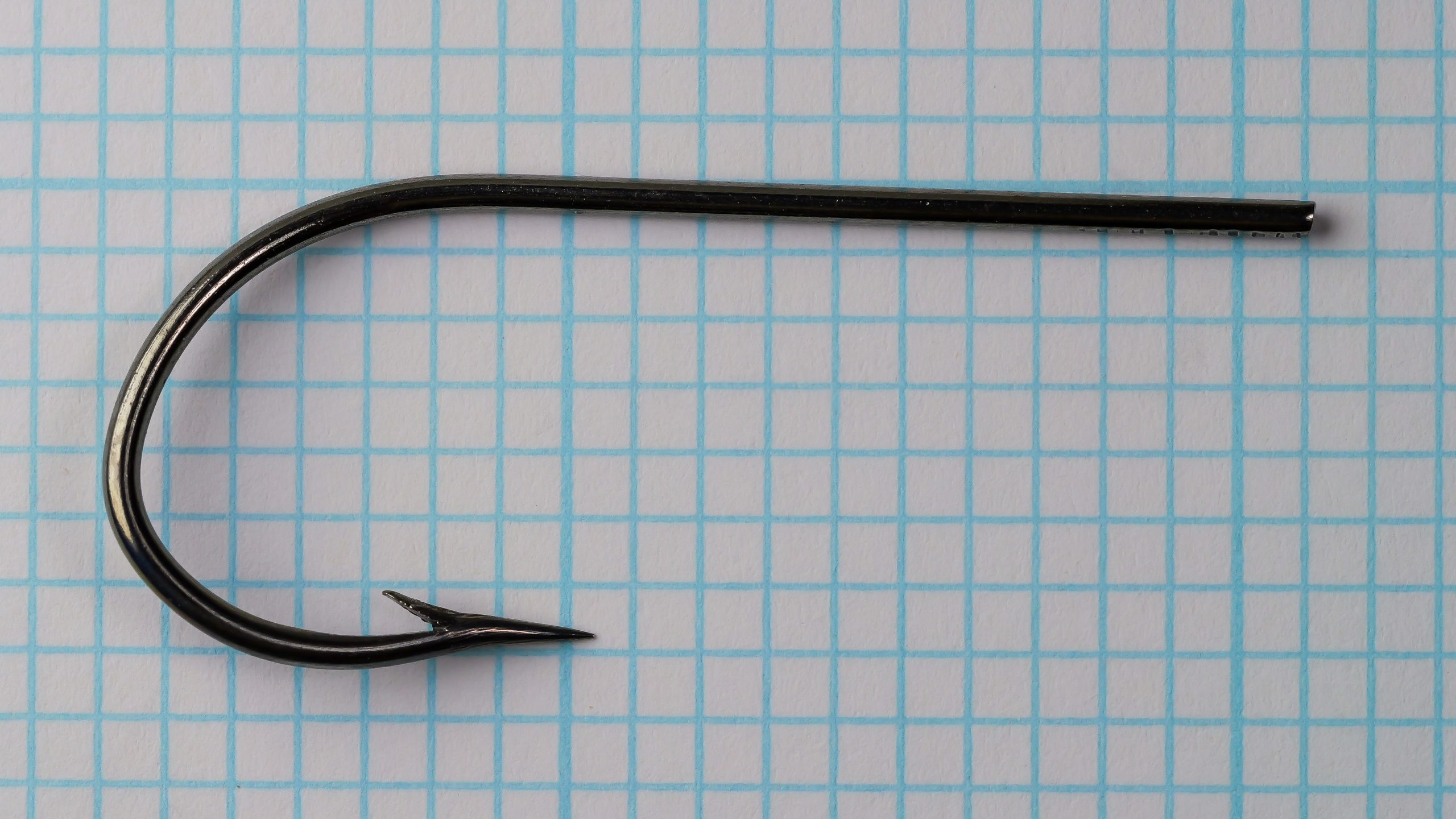
Williams 2005 M Hook Size 17 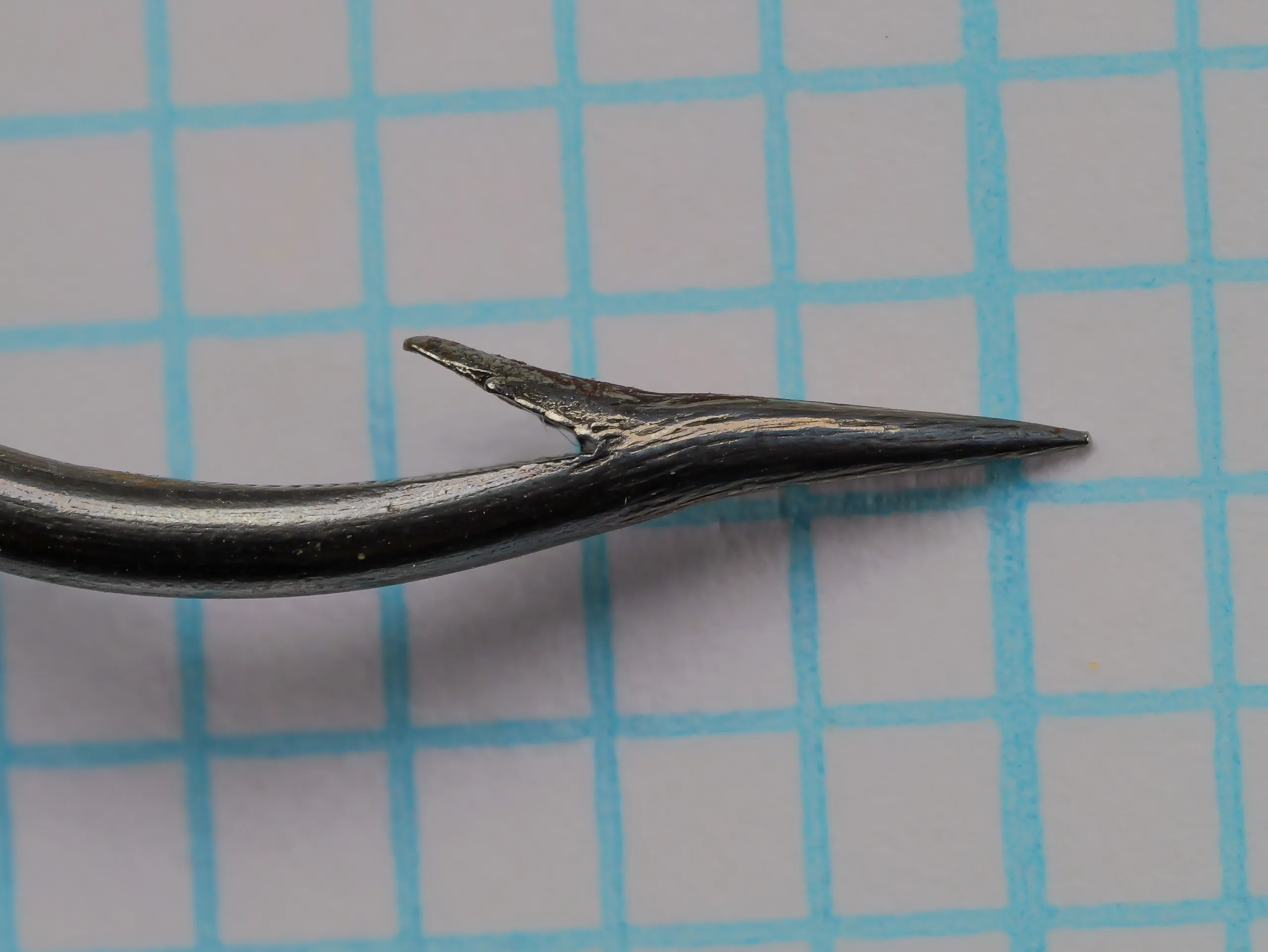
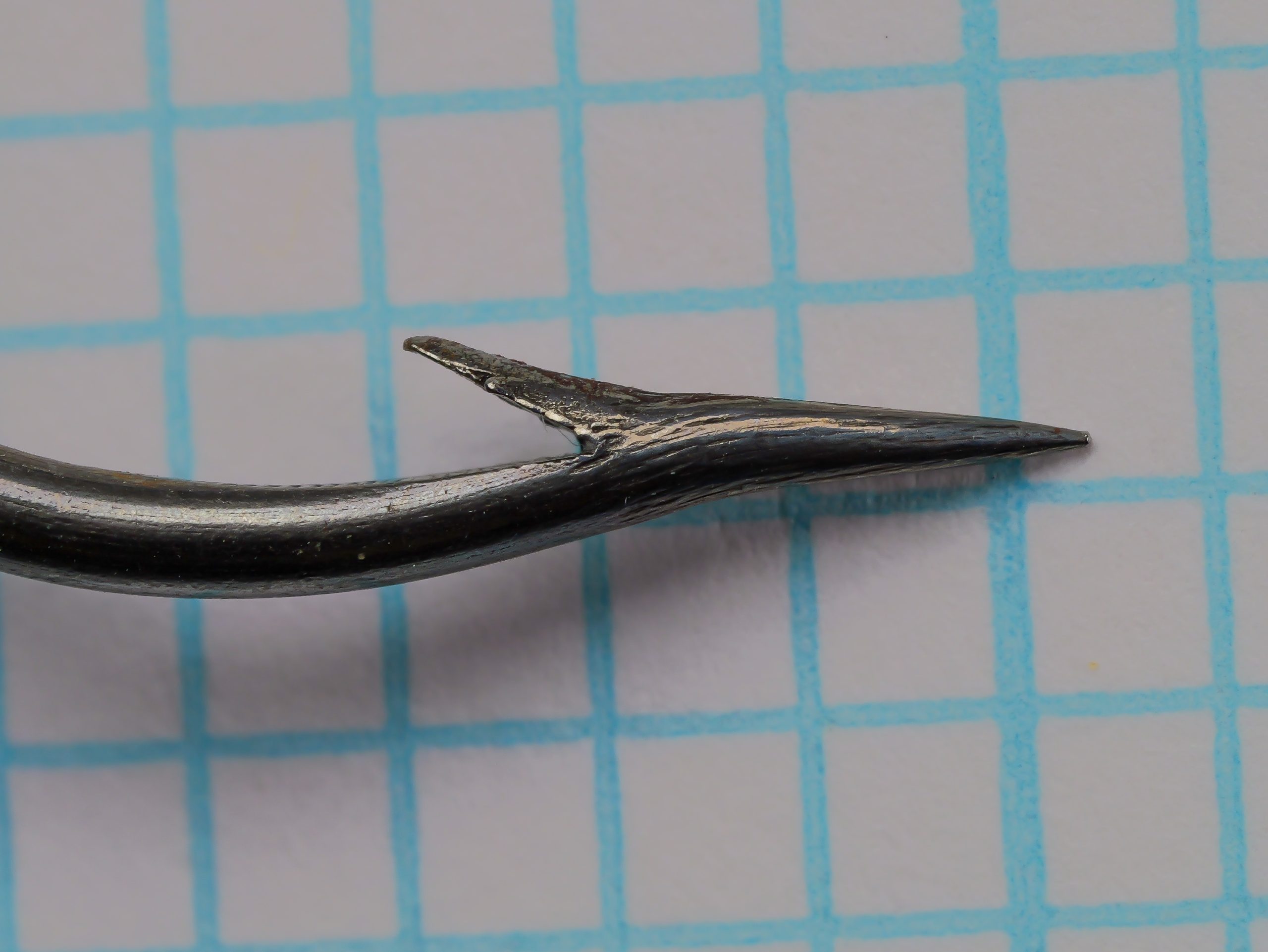
Williams 2005 M Hook Point Size 17 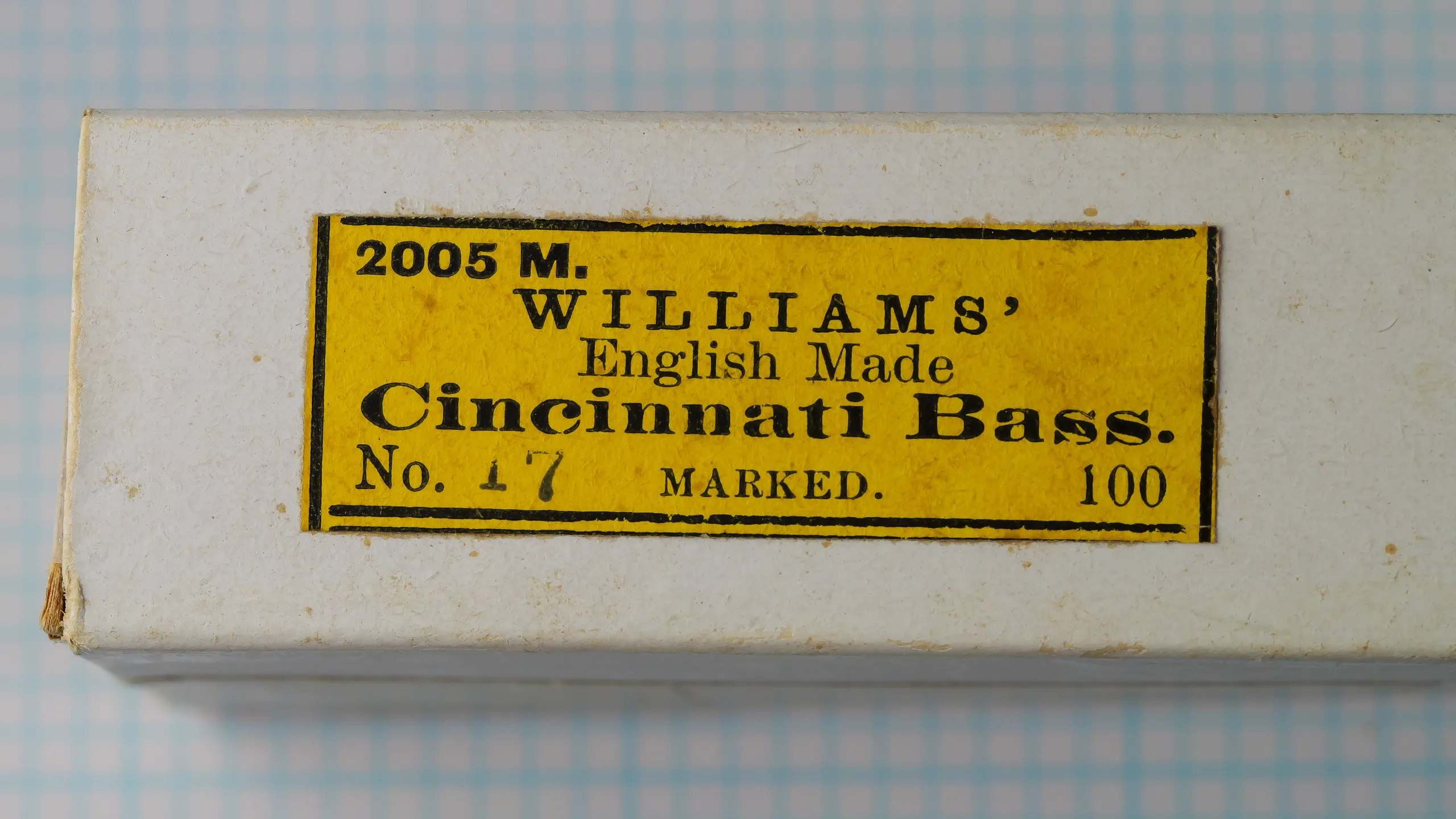
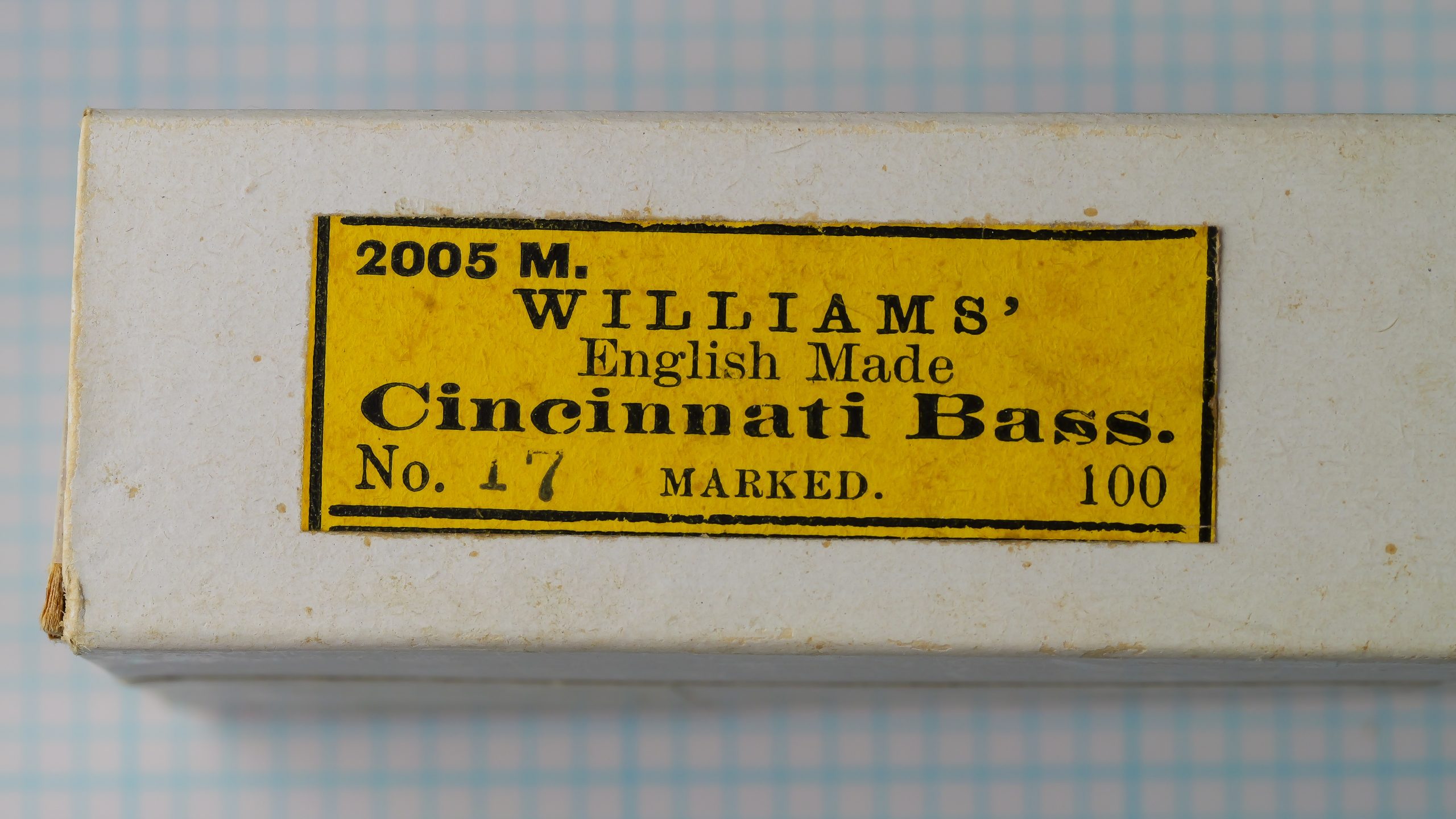
Williams 2005 M Box and Label Size 17
Williams’ 2005 M – Additional Info
1. Identification
- Brand: Williams’ (Distributor/Importer)
- Model/Code: 2005 M. Cincinnati Bass
- Size: No. 17
- Estimated Era: Late 1800s (c. 1870–1890). The use of a “blind eye” (no eyelet) for a bass-specific pattern indicates this was likely intended to be snelled (pre-tied to silk gut) by the manufacturer or the angler. By the 1890s, eyed hooks were rapidly becoming the standard for the American market.
2. Technical Specifications
- Eye: Blind Eye (Eyeless). The shank is tapered toward the end to allow for a smooth transition when whipping on a gut snell.
- Wire: High-Carbon Steel. Forged and tempered in the tradition of Redditch needle-makers.
- Shank/Bend: Cincinnati Bend. A long shank with a wide, rounded bend. This specific model appears to have a “Kirbed” (offset) point, which was standard for the Cincinnati pattern to ensure the hook didn’t pull clean out of a fish’s mouth without catching.
- Finish: Japanned (Black). A thick, protective black lacquer coating.
3. Historical Context
In the late 19th century, the “Cincinnati” was one of the most popular bait-fishing patterns in the United States, alongside the Carlisle and the Sproat. While eyed hooks existed, many “serious” anglers preferred blind eye hooks because they believed the knot-to-eye connection was a point of failure; a snell whipped directly to the shank distributed the load more evenly.
The label “2005 M” likely refers to a specific merchant’s catalog number. Companies like Williams’ (possibly related to the Williams fishing tackle distributors of the era) would order these in bulk from English factories such as Allcock’s or Milward’s and package them for American retail.
- Fun Fact: Tying a “blind eye” fly or bait rig is now considered a lost art. To use this hook, you would have to “whip” (wrap) a piece of heavy monofilament or silk gut along the top of the shank using fine thread, then coat the wraps in varnish.
4. Usage & Equivalents
- Best Used For: Historically for Live Bait (Minnows). The long shank and blind eye provided a very slim profile that didn’t damage the bait as much as a bulky eyed hook.
- Modern Equivalent: True blind eye hooks are now almost exclusively used by Classic Salmon Fly Tyers. If you wanted to replicate this shape today with an eye, the Mustad 3261 (Aberdeen) is the closest match, though it lacks the distinct “Cincinnati” offset.