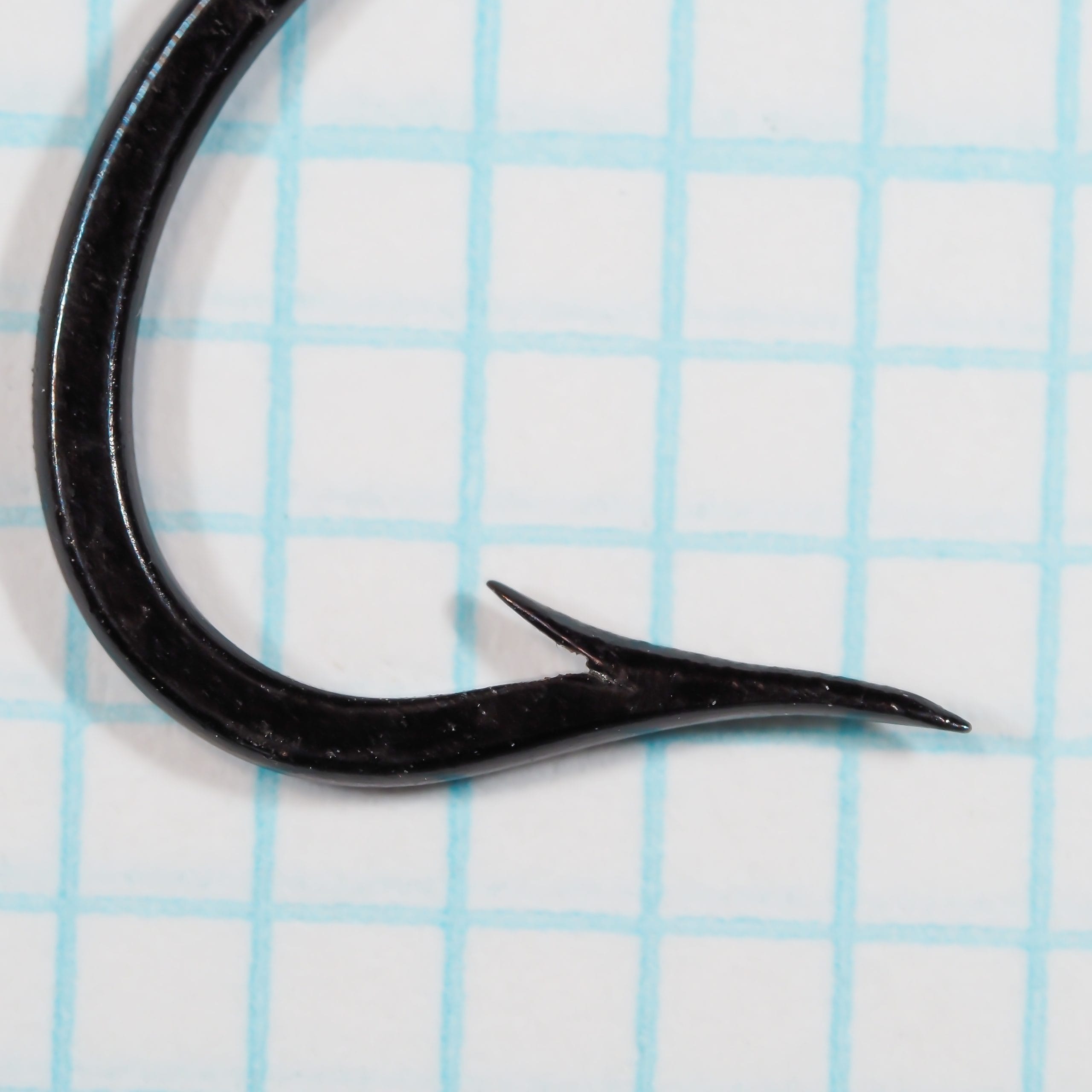
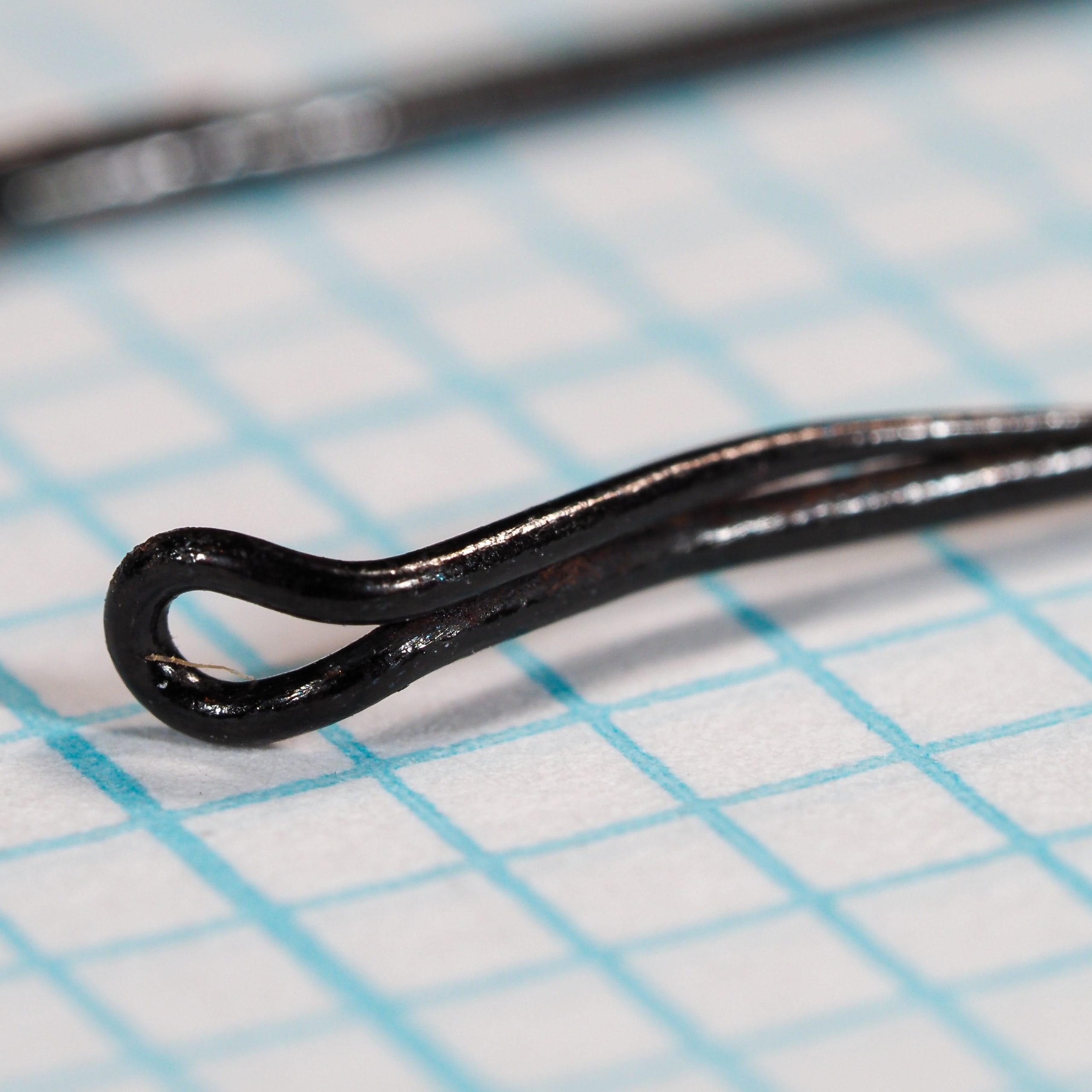
Albert Smith & Co. was a generalist tackle manufacturer that represented the broader “Redditch ecosystem.” Their story is one of the “Golden Age” of British tackle, followed by the typical decline of the town’s industry after WWII.
I. The Origins: The Dominion Works (Late 19th Century – 1920s)
Albert Smith & Co. was established as a broad-spectrum fishing tackle manufacturer.
- The Foundry: The company was based at the Dominion Works in Redditch, Worcestershire.
- Establishment: The company often cited an establishment date of 1838 in their catalogs, though this likely refers to a predecessor family business (possibly Smith & Wall) before incorporating as Albert Smith & Co. Ltd. later.
- The “Redditch System”: In this era, Redditch was a network of cottage industries. While Albert Smith was a “manufacturer,” they likely bought raw hooks from the large local wire-drawers (like Allcock or Bartleet) and then finished, japanned (painted/lacquered), and tied them to gut in-house at the Dominion Works.
II. The Golden Era: The Interwar Years (1920s – 1939)
This was the peak of the company’s fame. If you walked into a tackle shop in the 1930s, Albert Smith was a household name, competing with mid-tier brands but sitting below the ultra-premium Hardy Brothers.
- The Famous Catalogs: They were renowned for their mail-order catalogs (e.g., Catalogue No. 16 in 1933 and No. 19 in 1939). These were not just product lists but guidebooks, filled with advice on angling.
- The “Hook Expert” Angle: Unlike Partridge, who sold bare hooks to fly tiers, Albert Smith specialized in “Hooks to Gut.” Before nylon fishing line was invented, hooks came pre-tied to lengths of silkworm gut (a natural fiber). Albert Smith employed armies of local women in Redditch to expertly whip hooks to these delicate leaders.
- They sold widely used patterns like the Model Perfect, Limerick, and Sneck bends.
- They were famous for their “Sorrel Gut” hooks (a specific color of gut leader).
- Rods and Reels: They were also famous for split-cane rods (like the “Majestic” and the “Dominion”) and marketed reels that were often manufactured by their Redditch neighbor, J.W. Young, but branded as Albert Smith.
III. The War and Decline (1940 – 1960s)
The fate of Albert Smith & Co. mirrors the decline of Redditch itself.
- WWII Disruption: During the war, the Dominion Works, like all Redditch factories, would have been diverted to support the war effort (producing springs, needles, or surgical equipment).
- The Nylon Revolution: After the war, the invention of monofilament (nylon) killed the “hook to gut” trade almost overnight. Anglers could now tie their own hooks to line easily. This destroyed a huge part of Albert Smith’s business model (the skilled labor of whipping hooks to gut).
- The End of the Dominion Works: Unlike Partridge, which pivoted to become a specialist hook brand for fly tiers, Albert Smith tried to remain a generalist. They could not compete with the flood of cheap fiberglass rods and mass-produced tackle coming from post-war industrial giants.
- Closure: The company faded from prominence in the 1960s. They ceased retail sales and briefly operated as a trade-only supplier before closing their doors. The brand did not survive the consolidation era that saw companies like Allcock and Young merged into “Top Tackle” (and later acquired by Shakespeare).
Summary of Legacy
Albert Smith & Co. is a “ghost brand” highly prized by vintage collectors.
- Best Known For: High-quality “Hooks to Gut” packets (often found in vintage tackle boxes), the “Dominion” brand of split cane rods, and their burnt-orange catalogs from the 1930s.