
Spear Point | Limerick Hook | Ringed
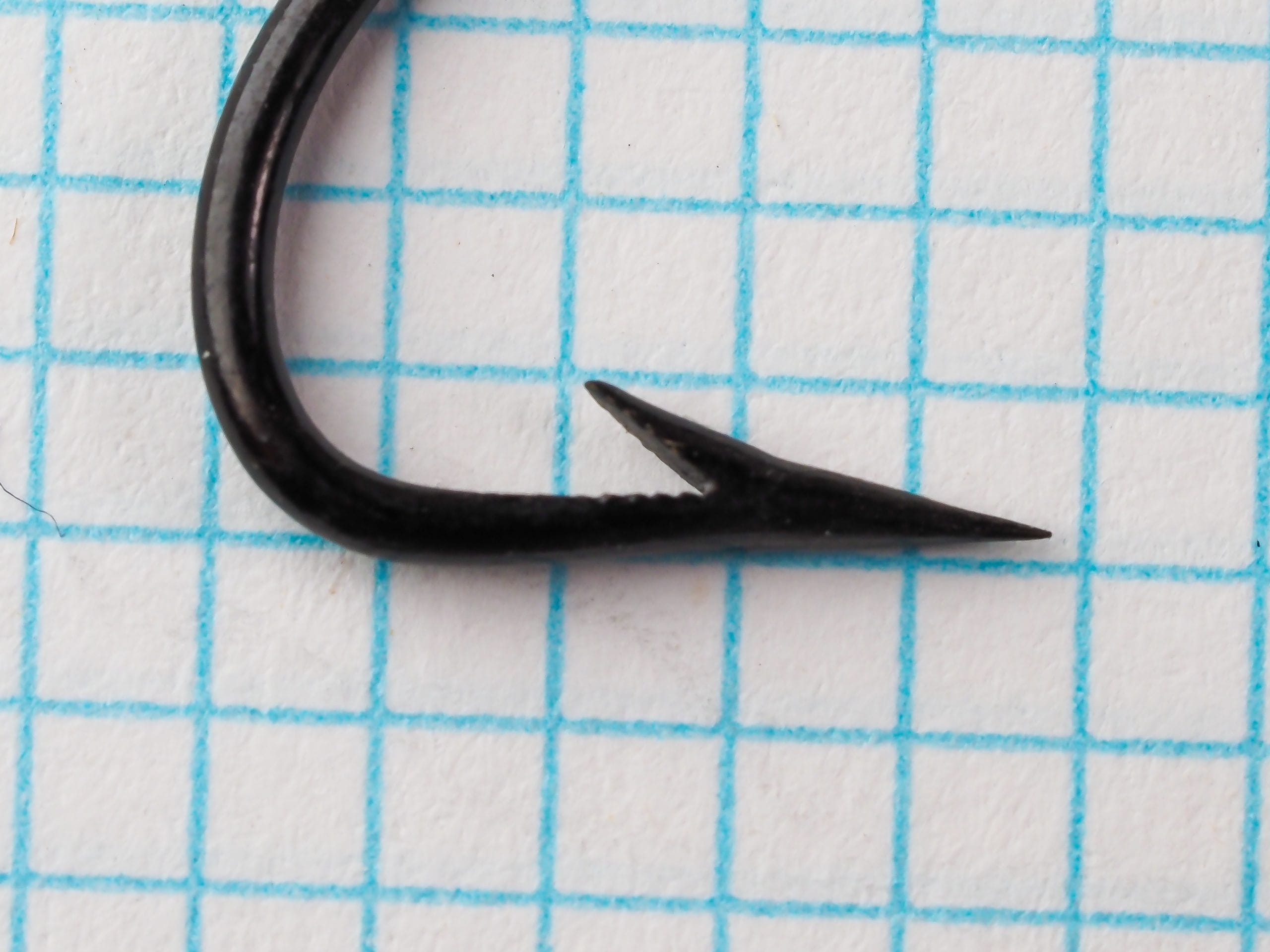
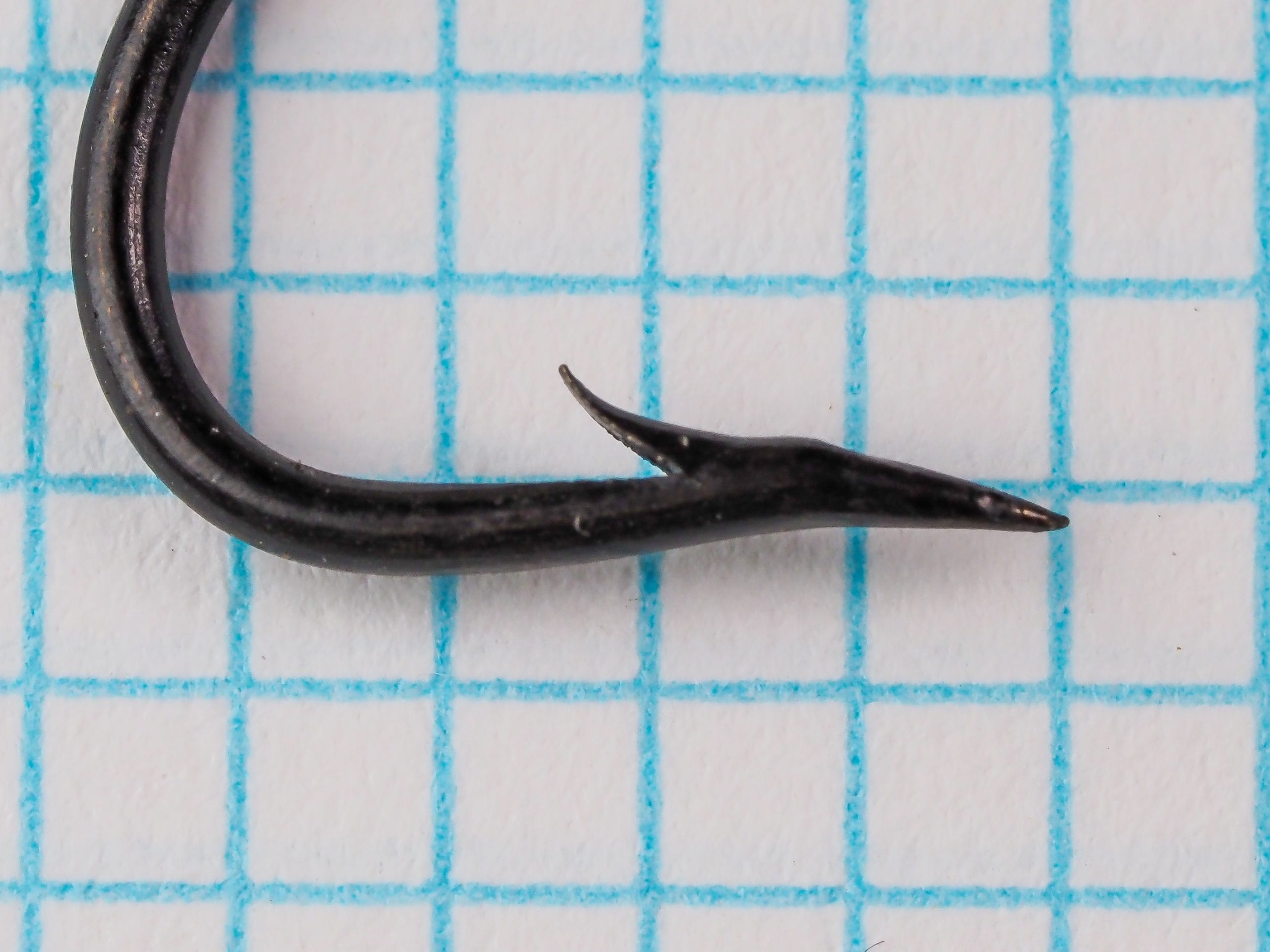
The consistency on the hook barbs and points vary a lot in this box. Mostly likely they were made by hand and were inconsistent production.
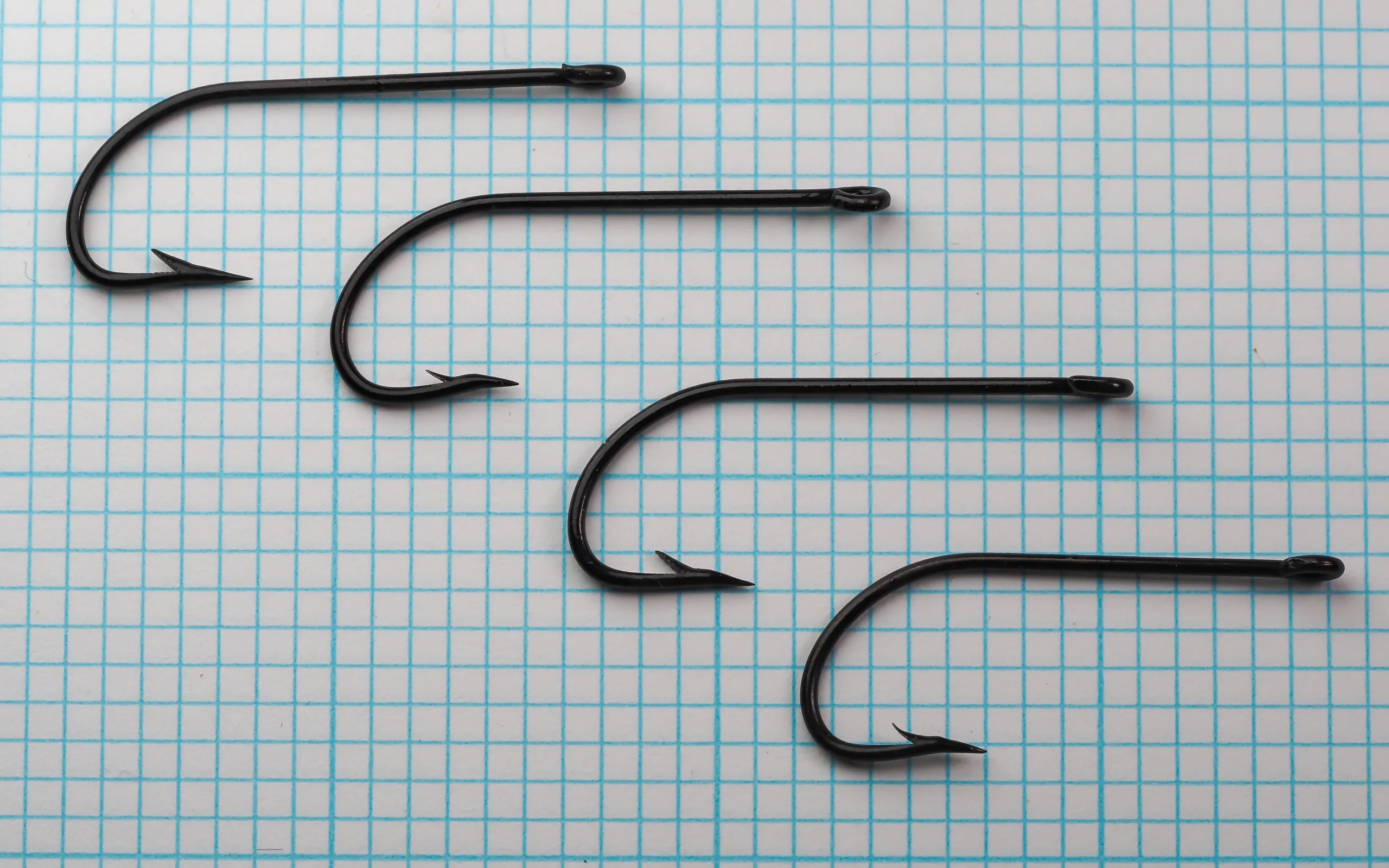
Cast Steel 1565 R Hooks size 3-0 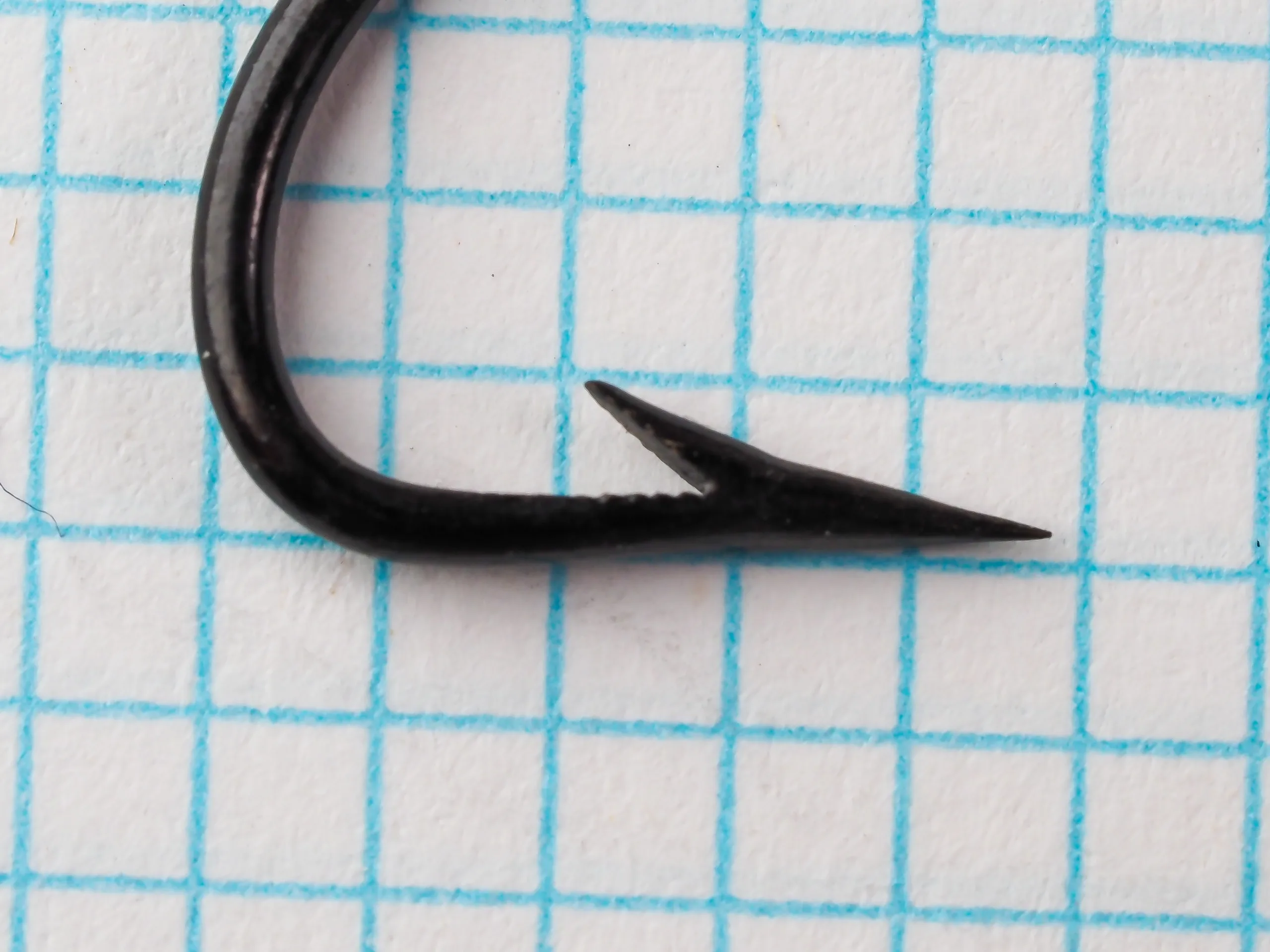
Cast Steel 1565 R Hook Point 2 size 3-0 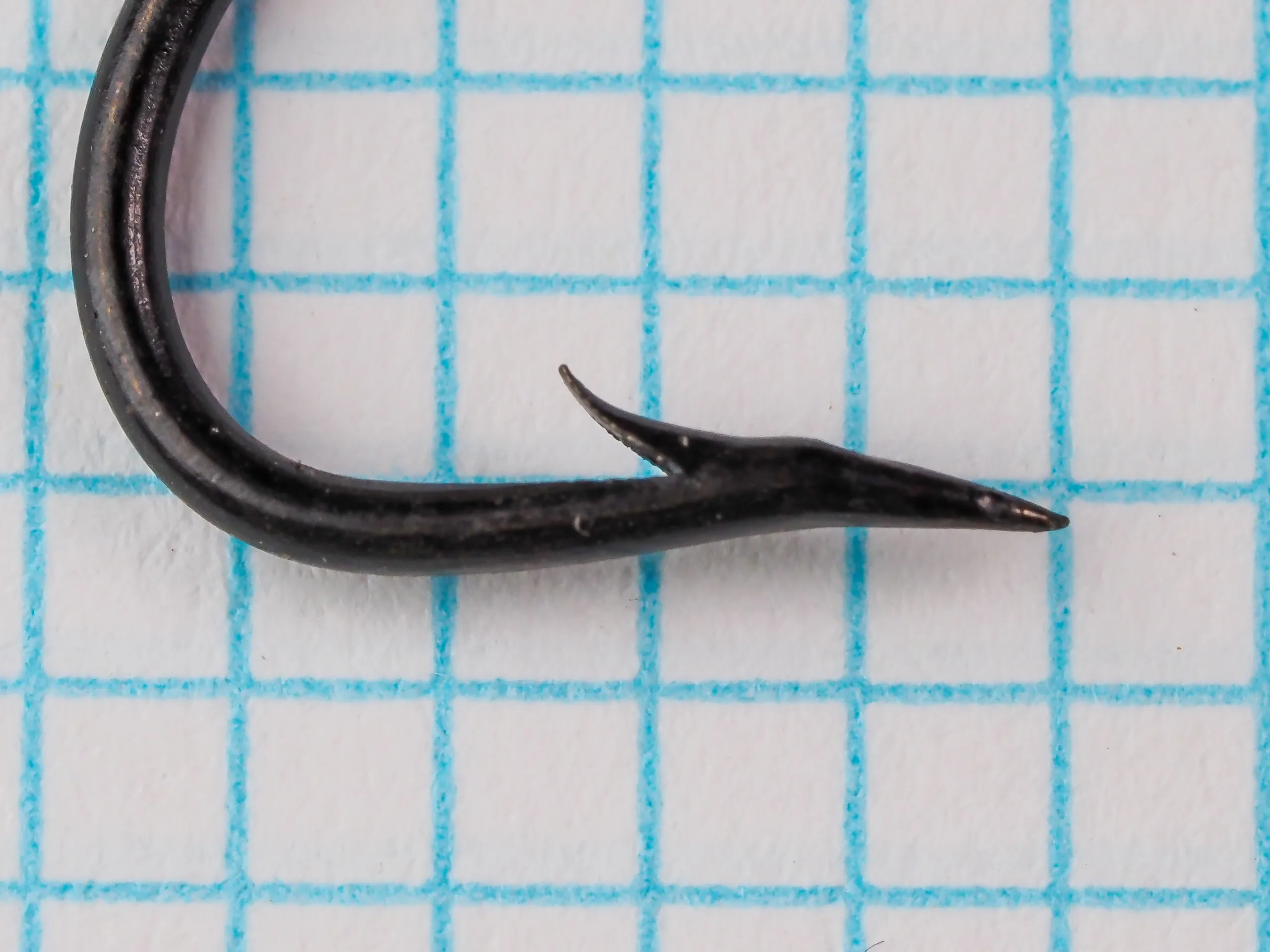
Cast Steel 1565 R Hook Point 1 size 3-0 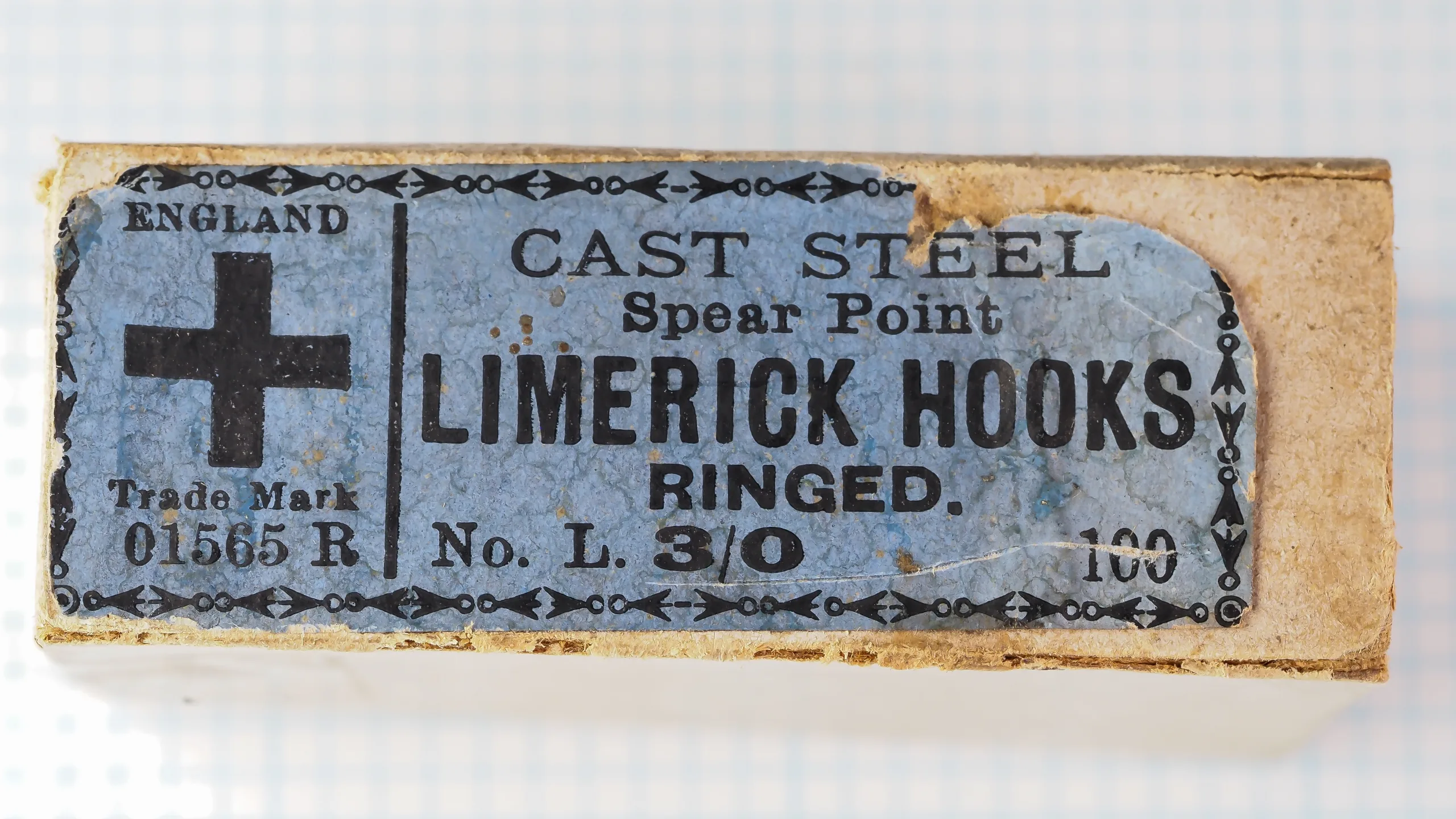
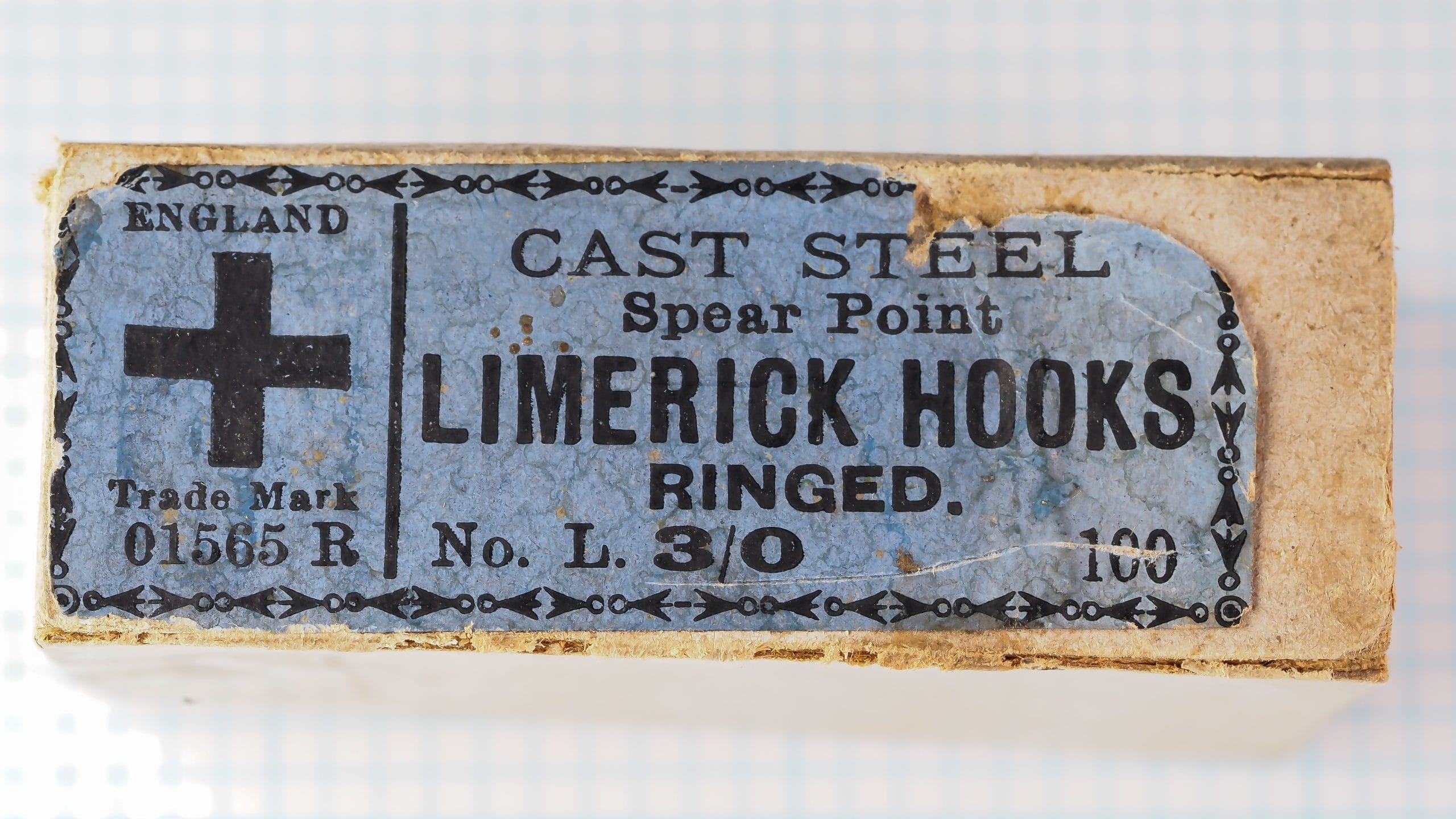
Cast Steel 1565 R Box and Label size 3-0

Cast Steel 1565 R – Additional Info
1. Identification
- Brand:Redditch Manufacture (Generic Trade Mark).
- Note: The “Cross” (or Plus) symbol was a common trademark used in Redditch, England (the historic capital of hook making). While specific factories like Henry Milward & Sons or S. Allcock dominated the trade, many hooks were packaged under generic “Trade Marks” for export or wholesale to hardware stores. The typography and “England” origin confirm this is a classic Redditch production.
- Model/Code: 01565 R (The “R” denotes “Ringed”)
- Size: 3/0 (This is a large hook, significantly larger than standard trout sizes).
- Estimated Era:1920s–1950s.
- Reasoning: The use of “Cast Steel,” the specific “Spear Point” designation, the paper-wrapped box construction, and the blue “scale-pattern” paper label are hallmarks of the pre-plastic, mid-century British manufacturing era.
2. Technical Specifications
- Eye: Ringed (A simple, flat wire ring, rather than the tapered or looped eyes found on expensive salmon irons of the same era).
- Wire: Heavy / Standard Stout. “Cast Steel” implies a high-carbon content intended for strength.
- Shank/Bend:Limerick.
- Description: A semi-flat forging with a distinct, angular bend. The curve is gradual off the shank, then turns sharply toward the point.
- Point:Spear Point.
- Description: Unlike modern “Needle Points” (conical) or “Chemically Sharpened” points, a Spear Point has distinct cutting angles filed onto the sides, creating a triangular shape similar to a dagger or spear.
- Finish: Blued or Bronzed. (Most “Cast Steel” hooks of this era were blued/bronzed to prevent rust, whereas “Japanned” hooks were black lacquered).
3. Historical Context
- The Redditch Connection: This box is a relic from when Redditch, England, produced approximately 90% of the world’s fish hooks. The “01565” pattern number was a standard industry reference (also used by Mustad) to describe this specific shape of Limerick hook, allowing anglers to switch brands while keeping the same hook profile.
- The Material: “Cast Steel” refers to crucible steel. In the early 20th century, advertising the steel quality was a major marketing point, as inferior iron hooks would straighten out on heavy fish.
- Fun Fact: The “Limerick” bend originated in Ireland but became the global standard for wet flies and streamers for nearly a century. It was considered superior to the round bend for hooking fish because the angled bend created a “locking” point, though some modern anglers argue it is more prone to snapping than a perfect curve.
4. Usage & Equivalents
- Best Used For:
- Vintage Salmon Flies: The 3/0 size is classic for Atlantic Salmon wet flies.
- Pike/Musky Streamers: The heavy wire and large size make it suitable for toothy predators.
- Bait Fishing: The “Ringed” eye (as opposed to a tapered eye for fly tying) suggests these were often sold for general bait fishing for large river species.
- Modern Equivalent:
- Mustad 3261 or 36890: These are the classic Limerick equivalents.
- Kamasan B175: While usually smaller, this is the modern heir to the heavy-wire Limerick shape.
- Partridge cs10/1: For a high-end modern salmon hook with a similar aesthetic.