
1. Origins: The Redditch Connection (Late 19th Century)
John Willis & Co. was established in Redditch, Worcestershire, England, the global capital of needle and fish hook manufacturing during the Victorian era.
- The Industry Context: In the 19th century, Redditch produced roughly 90% of the world’s fishing hooks. Like its famous neighbors (Allcock, Partridge, and Milward), John Willis & Co. emerged from the region’s deep expertise in metallurgy and wire-drawing.
- The Niche: While larger companies mass-produced hooks for every type of fishing, John Willis & Co. carved out a reputation for high-quality, specialized hooks. They were not the largest manufacturer, but they were known for precision tempering and finishing, catering to the discerning angler rather than just the mass market.
2. The Golden Age: The Streamer Revolution (1920s–1950s)
The company’s most enduring legacy was cemented during the early-to-mid 20th century, particularly through its connection to the American streamer fly evolution.
- The Carrie Stevens Connection: The brand is most famous today for its association with Carrie Stevens, the legendary fly tyer from the Rangeley Lakes region of Maine. Stevens, who created iconic patterns like the Grey Ghost, favored John Willis hooks for her streamers.
- The “Willis” Profile: The company produced exceptionally long-shanked hooks (often designated as 8XL or 10XL—meaning 8 or 10 times the length of the hook gap). These hooks were critical for the long, smelt-imitating feather streamers popular in the classic era.
- Construction: Their hooks were typically “Japanned” (coated in a black lacquer for rust resistance) or “Bronzed,” with a “Sproat” or “Limerick” bend and a tapered loop eye.
- Quality: Tiers prized them because, despite their extreme length, they were properly tempered—stiff enough not to straighten out on a fish, but not so brittle they would snap.
3. Decline and Dissolution (Mid-to-Late 20th Century)
Like many Redditch manufacturers, John Willis & Co. faced insurmountable challenges in the post-war era.
- Post-War Shifts: As labor costs in England rose and automation technology advanced, cheaper manufacturing moved to Norway (Mustad) and later Japan. The labor-intensive processes used by traditional Redditch makers became economically unviable.
- Consolidation: The precise date of the company’s closure is not widely documented in public corporate records, but it effectively ceased large-scale commercial operations during the consolidation of the Redditch industry in the mid-to-late 20th century. Unlike Partridge, which survived by modernizing, John Willis & Co. faded into history, leaving behind only its stock.
4. The Present: A “Cult Classic” (2000s–Today)
Today, John Willis & Co. no longer exists as an active manufacturer, but the brand has experienced a revival in interest among a specific subculture of anglers.
Legacy: You will predominantly find the name “John Willis” discussed in vintage tackle forums and salmon fly tying guilds. They are remembered not for the volume of their production, but for creating the specific “canvas” upon which some of the most beautiful flies in history were tied.
Collector Status: Original, unopened packets of John Willis hooks are highly collectible. A single vintage packet can sell for significantly more than modern high-end hooks.
Classic Fly Tying: For purists tying “Classic Maine Streamers,” a John Willis hook is considered the “gold standard” for authenticity. Modern tiers look for them to replicate the exact profile of a Carrie Stevens original, as modern long-shank hooks often have different wire diameters or eye shapes that subtly alter the fly’s swimming action and aesthetic.
John Willis & Co. Hook Photos
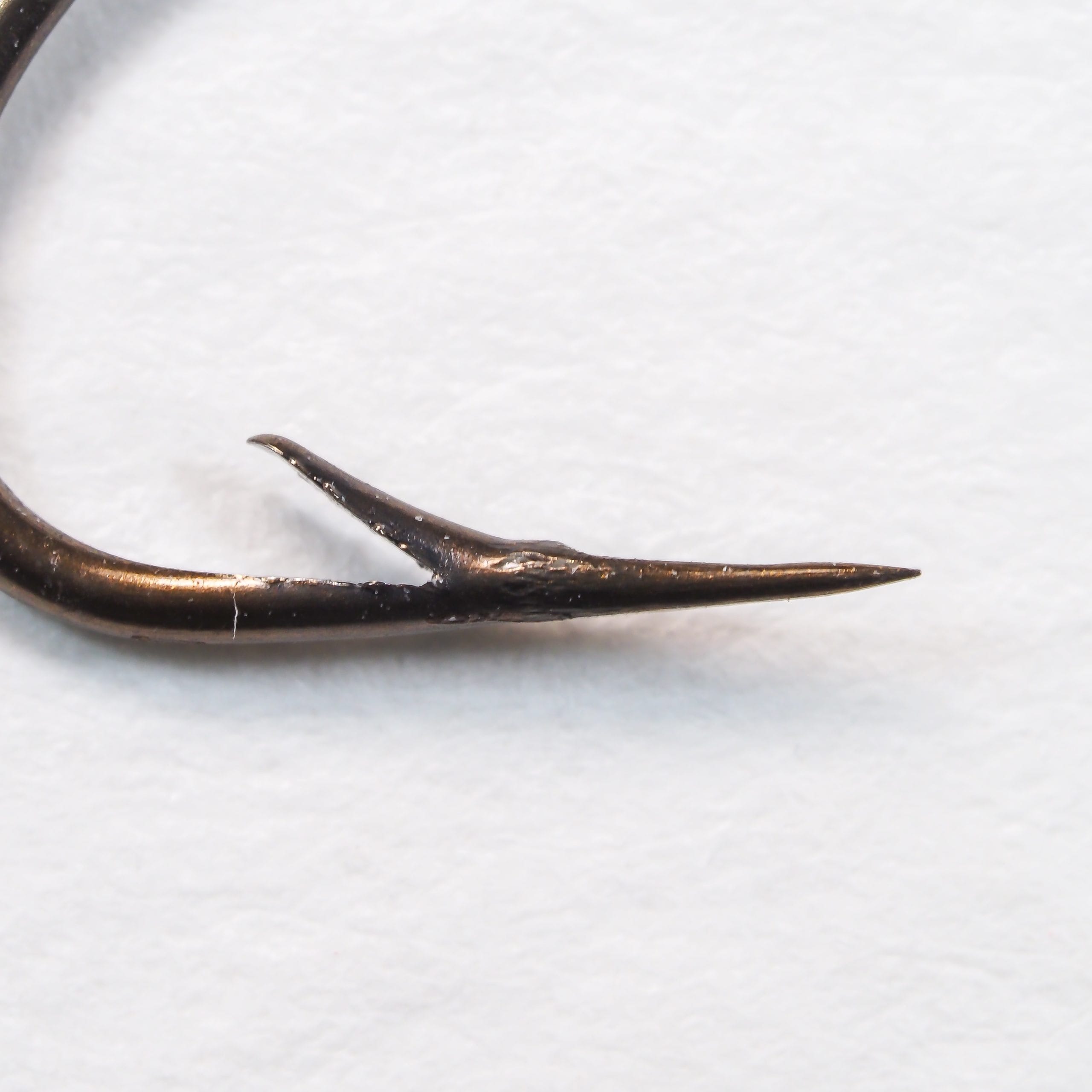
John Willis Pennel TDE 2d 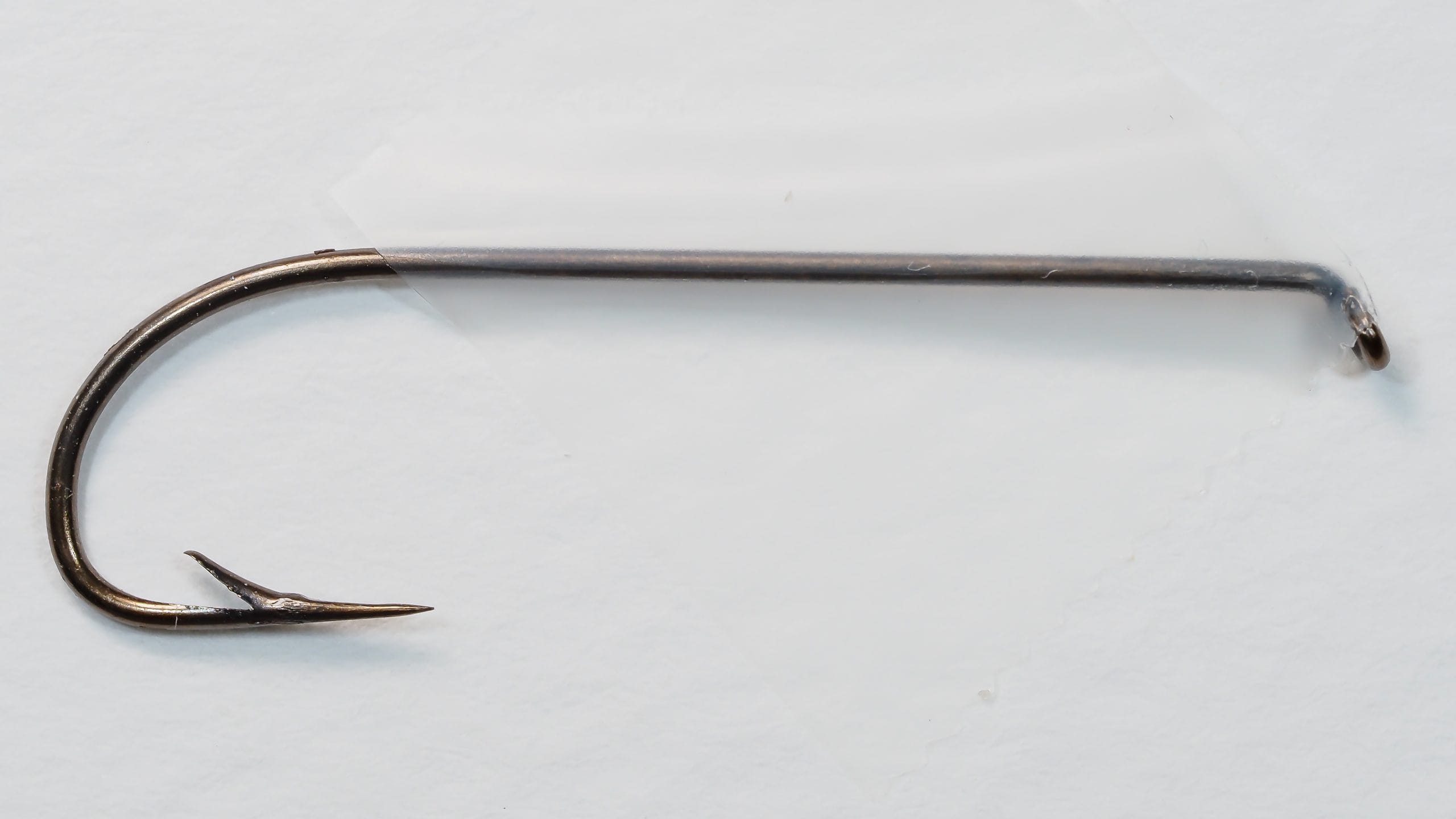
John Willis Pennel TDE 2c 
John Willis Pennel TDE 2b 
John Willis Pennel TDE 2a 
John Willis & Co – Pennel T.D.E 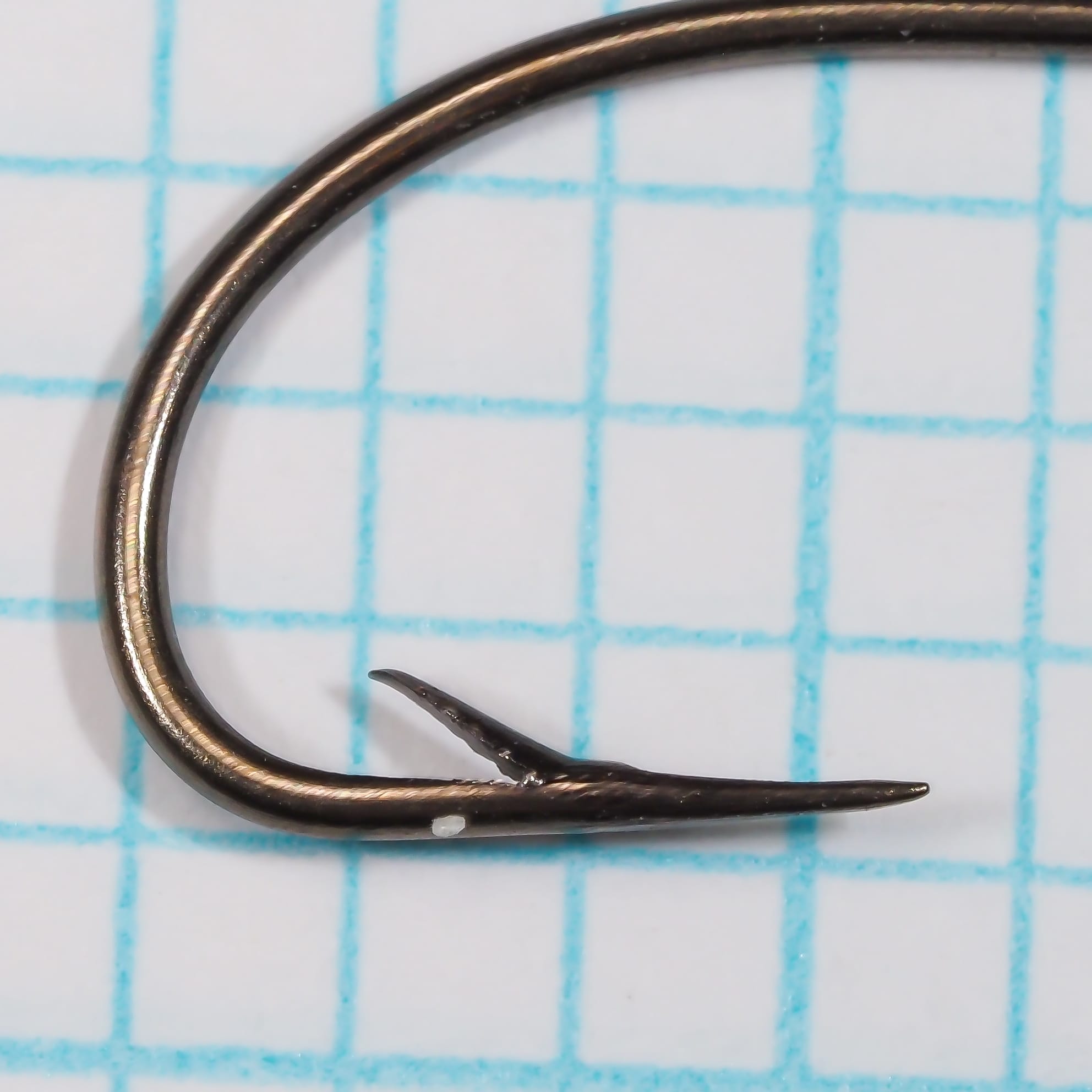
John Willis & Co – Pennel T.D.E – point