
Norway
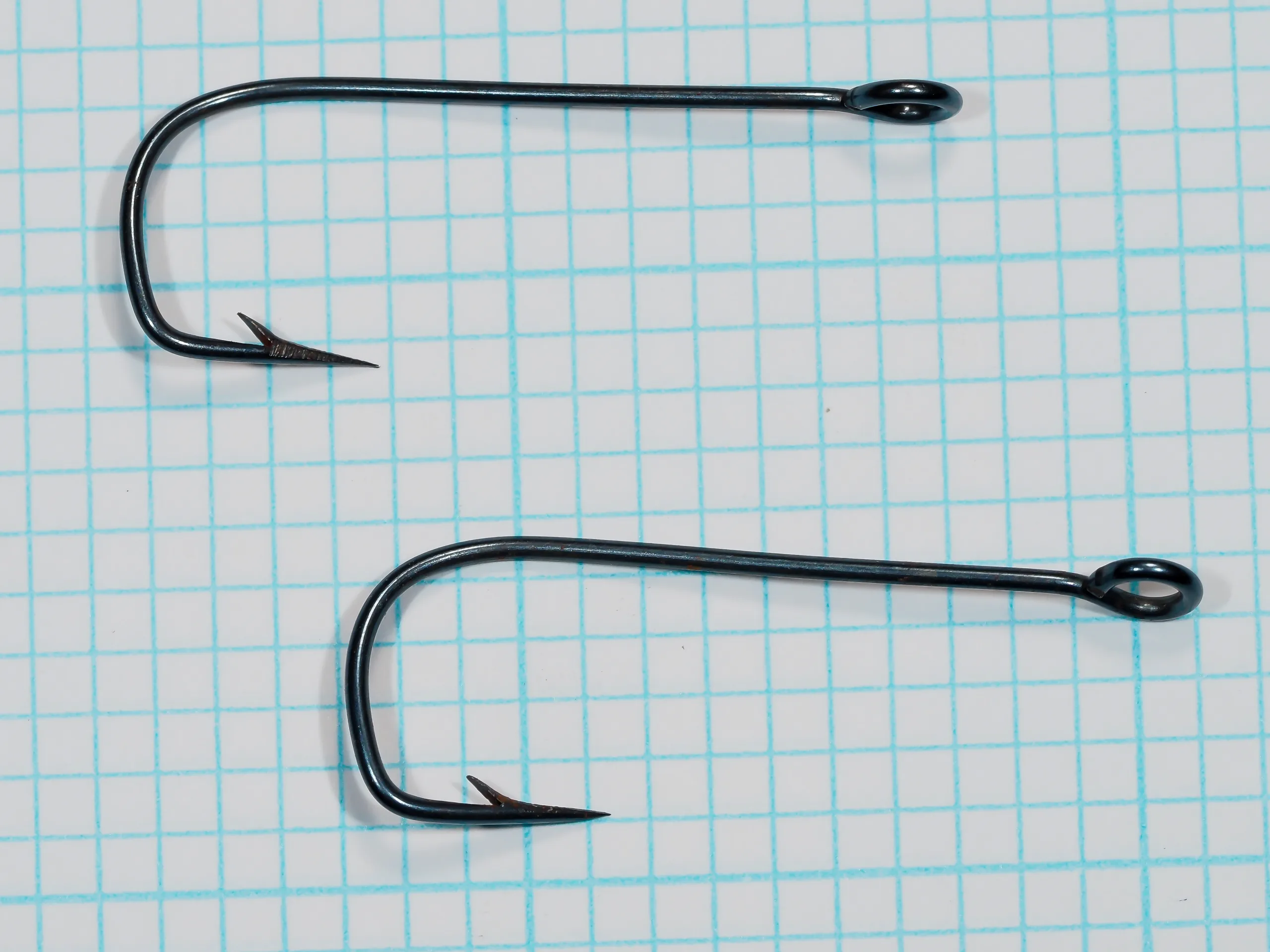
Thos. Hawkes & Co Sneck Hooks 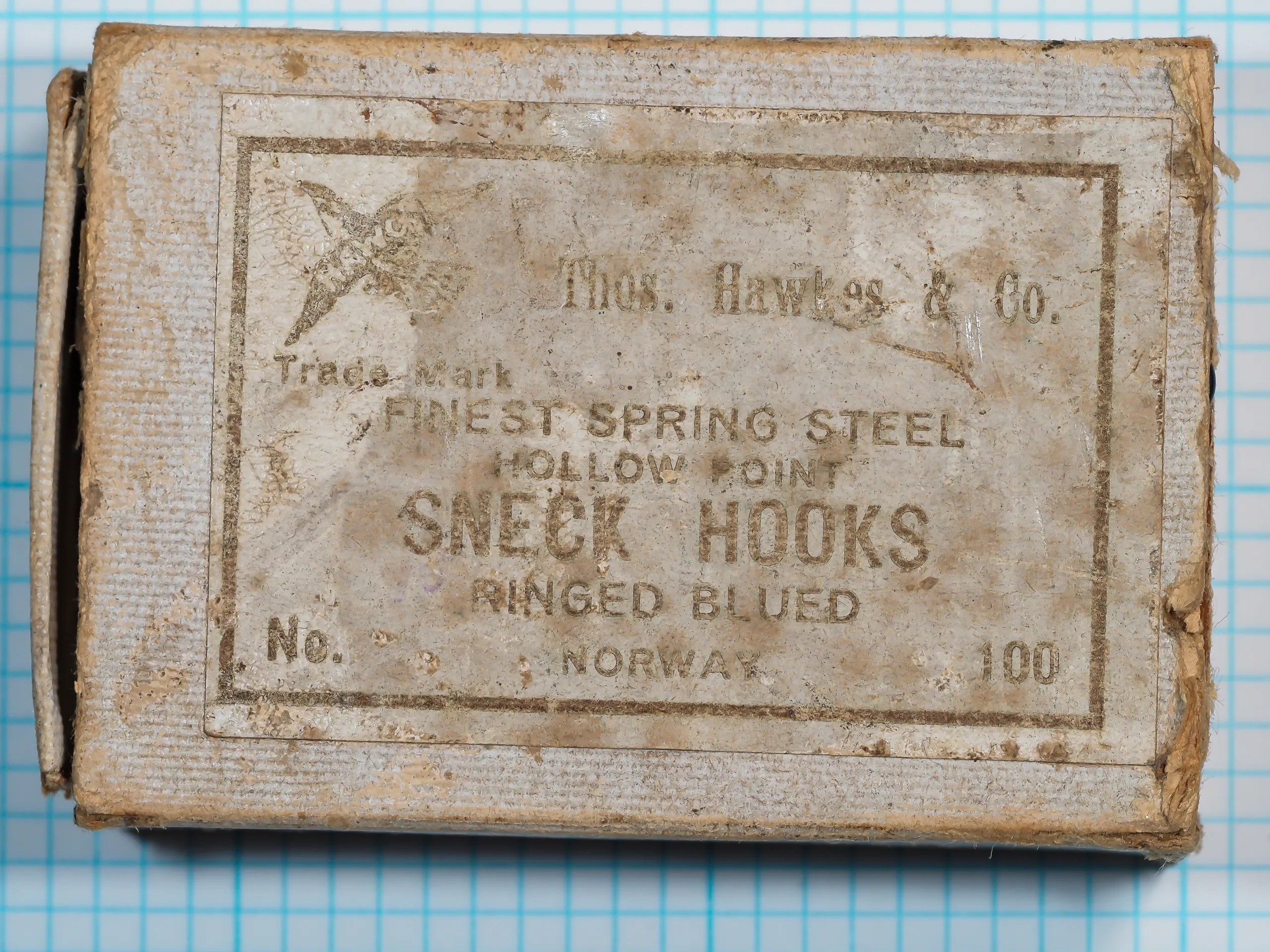
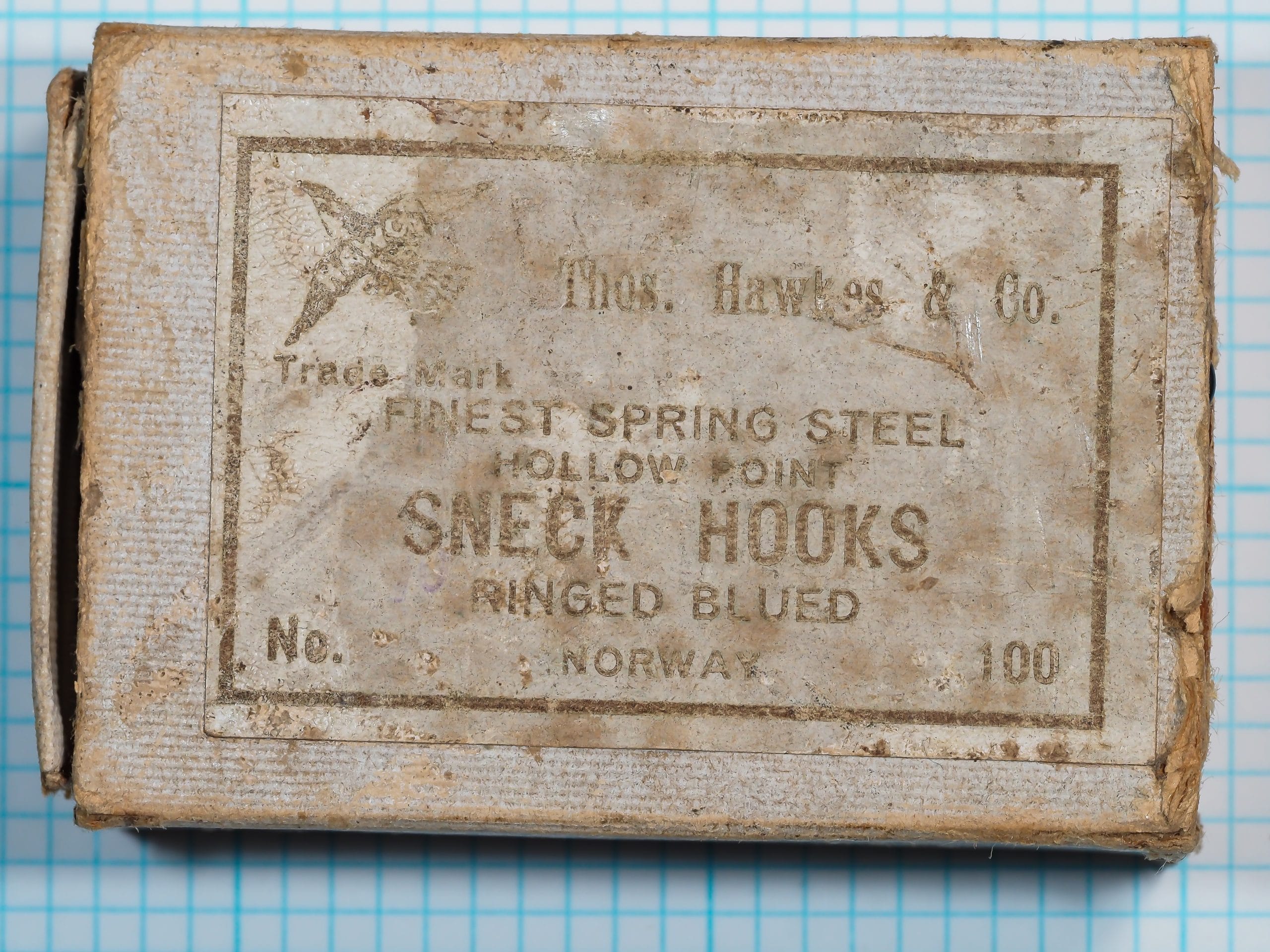
Thos. Hawkes & Co Sneck Hooks Box and Label 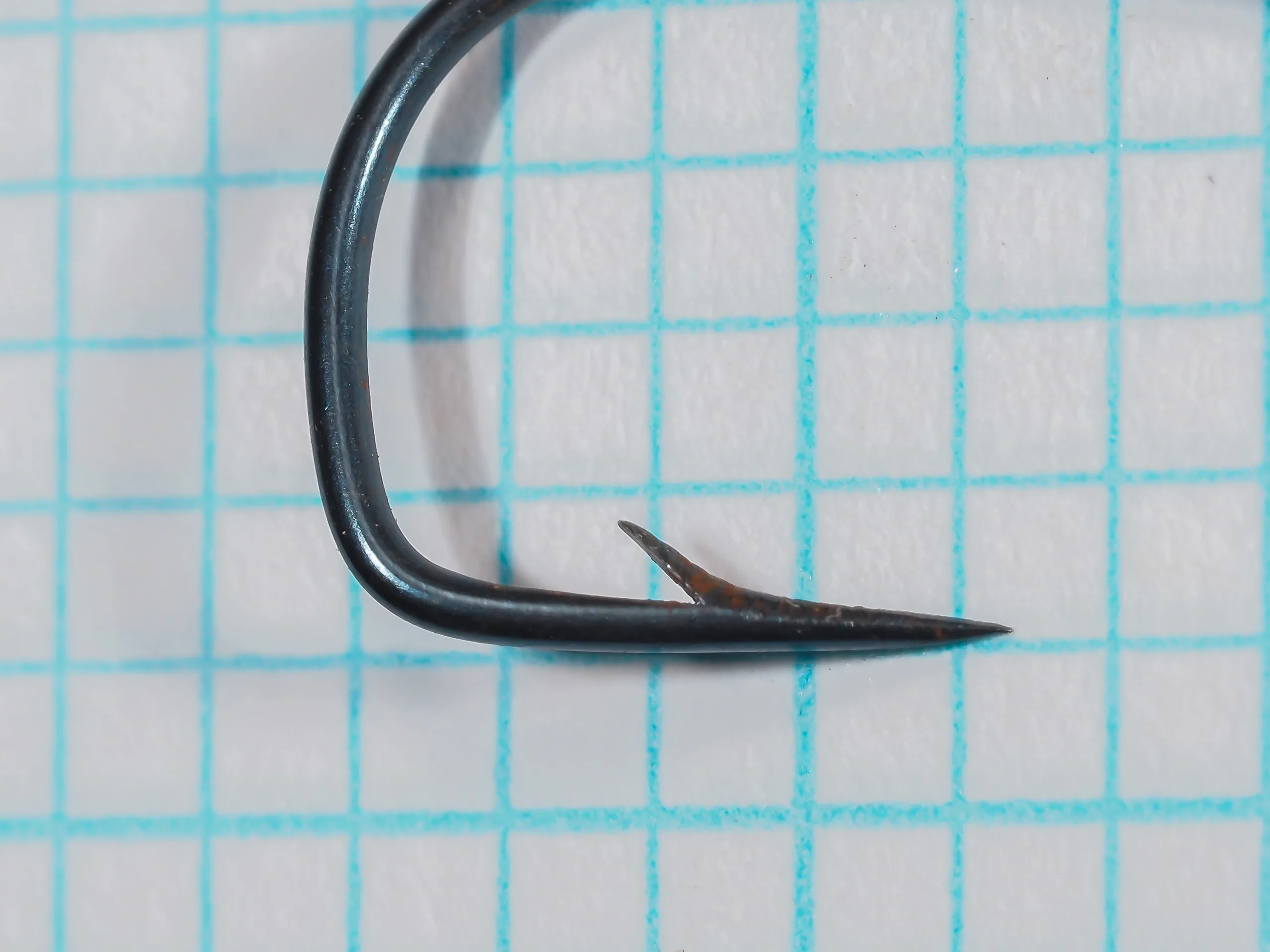
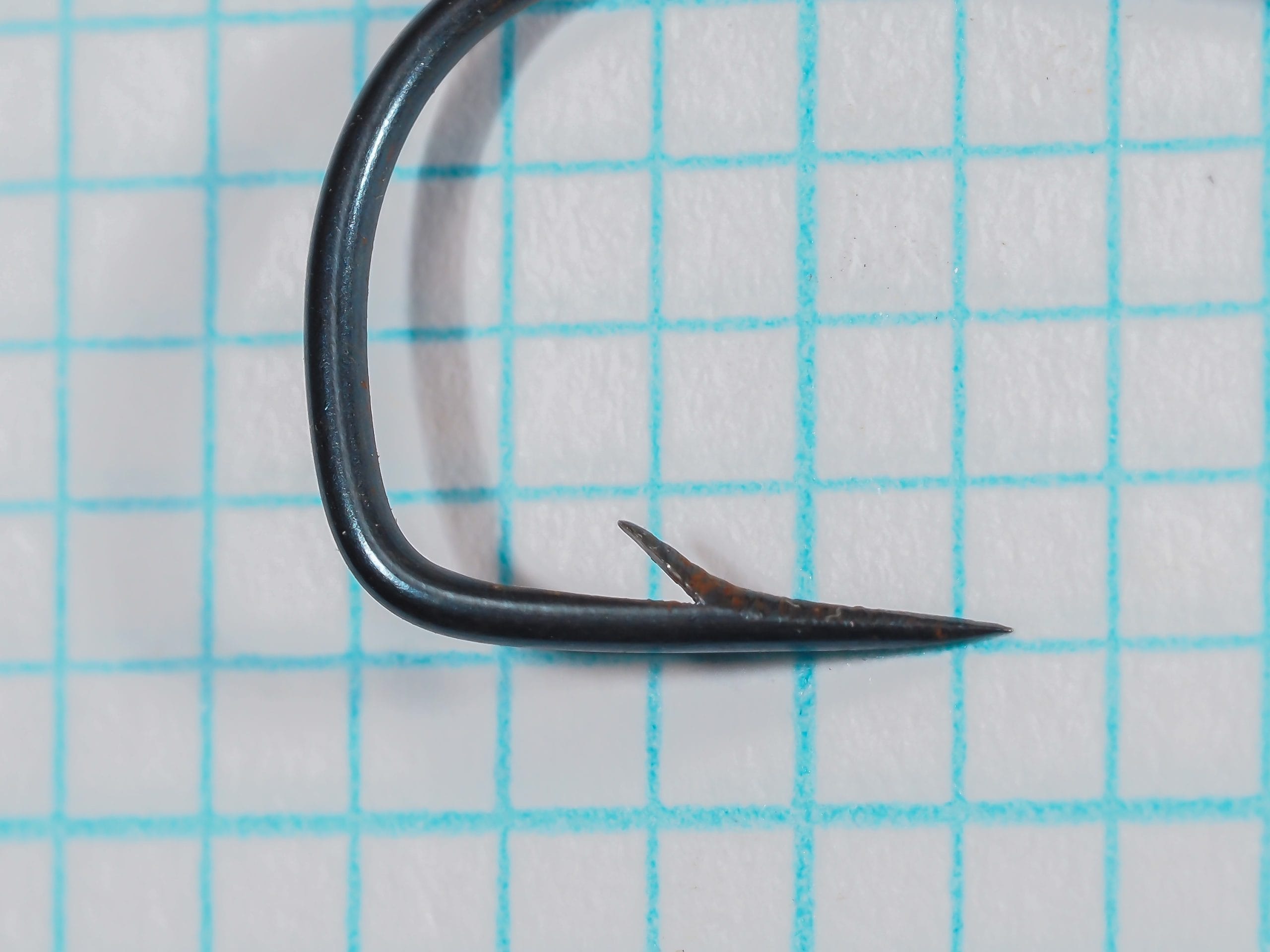
Thos. Hawkes & Co Sneck Hook Point
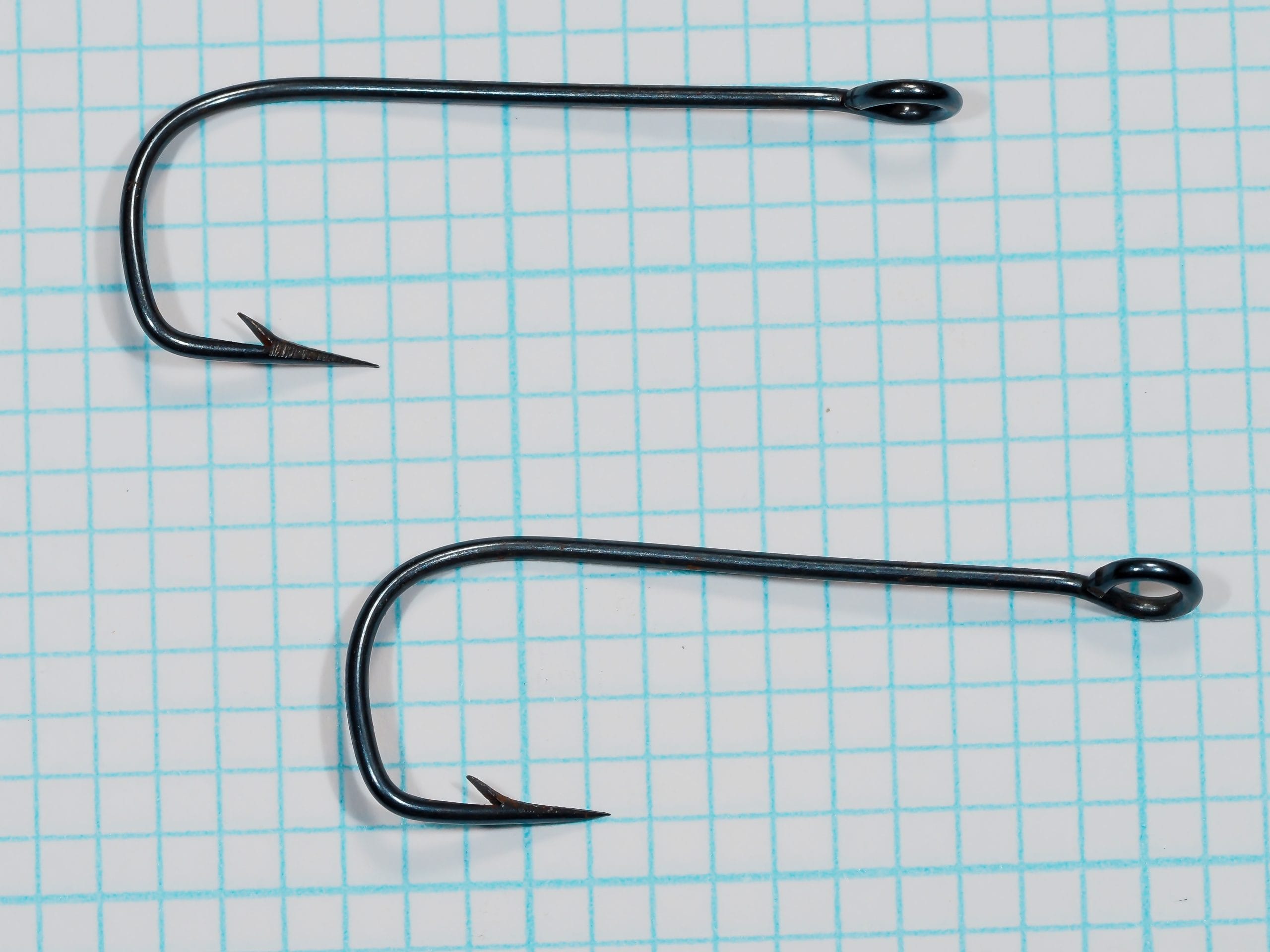
Thos. Hawkes & Co History
Origins: The “Trade Hook” Era (Mid-19th Century)
- The Business Model: In the Victorian era, “Thos. Hawkes” (often listed as a gunmaker or ironmonger in the Midlands/Dudley area, near Redditch) operated as a high-end sporting goods retailer. They did not own a hook factory. Instead, they bought hooks in bulk from Redditch’s “Big Three” (Allcock, Bartleet, Milward), who would stamp the packets or even the hooks with the retailer’s name.
- The Product: Hooks found in “Thos. Hawkes” packets are typically high-quality, japanned (black lacquered) or blued steel, identical in temper and style to the top Redditch patterns (e.g., Limerick, Sneck, Sproat).
- Location: The brand likely operated out of the West Midlands (Dudley/Birmingham area), benefiting from the proximity to Redditch (the global capital of needle and hook making).
Evolution & The Golden Age (Late 19th – Early 20th Century)
- Retail Expansion: As angling boomed in the late 1800s, general sporting goods merchants expanded their catalogues. “Thos. Hawkes” branded guns and tackle would have been sold to gentlemen sportsmen.
- Quality Control: Retailers like Hawkes survived on reputation. The hooks they rebranded were often “First Quality” runs from the factories, ensuring they held up against the established factory brands.
- Confusion with “Thomas & Sons”: Collectors often confuse this brand with S. Thomas & Sons (British Needle Mills), a massive Redditch manufacturer established in 1790. S. Thomas & Sons did manufacture their own hooks and needles. If your hooks are marked “Thomas & Sons,” they are from this distinct, large-scale factory, not the Hawkes retailer.
Decline and Absorption (Mid-20th Century)
- Post-War Shifts: After WWII, the model of small independent gunmakers/tackle retailers having their own proprietary hook brands began to collapse. Mass production and the dominance of brands like Mustad (Norway) and VMC (France) squeezed the British trade.
- Disappearance: The “Thos. Hawkes” brand appears to have faded from the market as a tackle name by the mid-20th century, likely ceasing independent retail operations or stopping the practice of branding their own tackle as the industry consolidated.
The Present Status
- Defunct Entity: Today, “Thos. Hawkes & Co” does not exist as an operating fish hook manufacturer.
- Collector’s Item: Packets bearing the “Thos. Hawkes” name are considered vintage retailer memorabilia. They are valued not because Hawkes made them, but as rare examples of the specific retailer-factory relationships of the Victorian/Edwardian sporting trade.
- Modern Equivalents: The “bloodline” of these hooks ends with the closures of the great Redditch factories (Allcock’s absorbed by Shakespeare, Partridge sold off). The actual machines that made Hawkes hooks likely ended up in the hands of the conglomerates that bought out the Redditch industry in the 1960s-1970s.
Hook Box Specific History
The Headline: A “Private Label” Mystery
The box is a classic example of “private label” vintage tackle. While the label proudly says “Thos. Hawkes & Co.,” the hooks themselves were almost certainly manufactured by O. Mustad & Son in Norway.
- The Manufacturer (Mustad): The key clue is the word “NORWAY” at the bottom. In the late 19th and early 20th centuries, O. Mustad & Son became the dominant hook manufacturer in the world. They produced millions of hooks for export, often packaging them in boxes with the branding of local hardware stores, tackle shops, or import companies.
- The Brand (Thos. Hawkes & Co.): Thos. Hawkes & Co. was likely a merchant, ironmonger, or wholesale distributor—possibly based in the UK given the name style—that commissioned these hooks to be packaged under their own name. The “Hawk” bird logo is a direct play on their surname. Unlike famous Redditch makers (like Partridge or Allcock), “Thos. Hawkes” does not appear in primary records as a factory owner, further confirming they were the seller, not the maker.
Dating the Box
Based on the typography, the construction of the box (cardboard with a pasted paper label), and the “Made in Norway” designation, this box likely dates from the early-to-mid 20th Century (circa 1920s–1950s).
Decoding the Technical Terms
For a fly tyer interested in vintage styles, the text on the box describes a very specific type of hook that is rarely used today but was a standard for wet flies in the past.
- SNECK HOOKS: This refers to the shape of the bend. A “Sneck” bend is square-shaped rather than round. It was originally designed to prevent the fish from sliding off the hook, but it fell out of favor in the late 20th century as round bends (like the Sproat or Limerick) became the standard for fly tying.
- HOLLOW POINT: This describes the sharpening method. The point of the hook was ground out (dished) to create a razor-thin edge and a barb that penetrated easily. This was a premium feature at the time.
- RINGED: This means the hook has an eye (a ring) for the line, as opposed to a “spade end” or “tapered shank” which required the line to be whipped directly onto the metal.
- BLUED: The finish of the metal. “Bluing” is a passivation process that offers some rust protection and gives the steel a dark, non-reflective blue-black finish—ideal for stealthy presentation in clear water.
Relevance to Fly Tying
This box is a fantastic find for tying classic soft-hackle wet flies or North Country Spiders.
- Why it works: The “Sneck” bend gives these flies a unique, angular look that is historically accurate for patterns from the 1900s.
- Usage Tip: Vintage hooks can be brittle. Before tying a complex fly on one, test a sample hook from the box by putting it in your vise and giving it a gentle bend test to ensure the temper hasn’t made the steel too fragile over the last 80+ years.