
R. Turner & Sons Hooks | Redditch, England
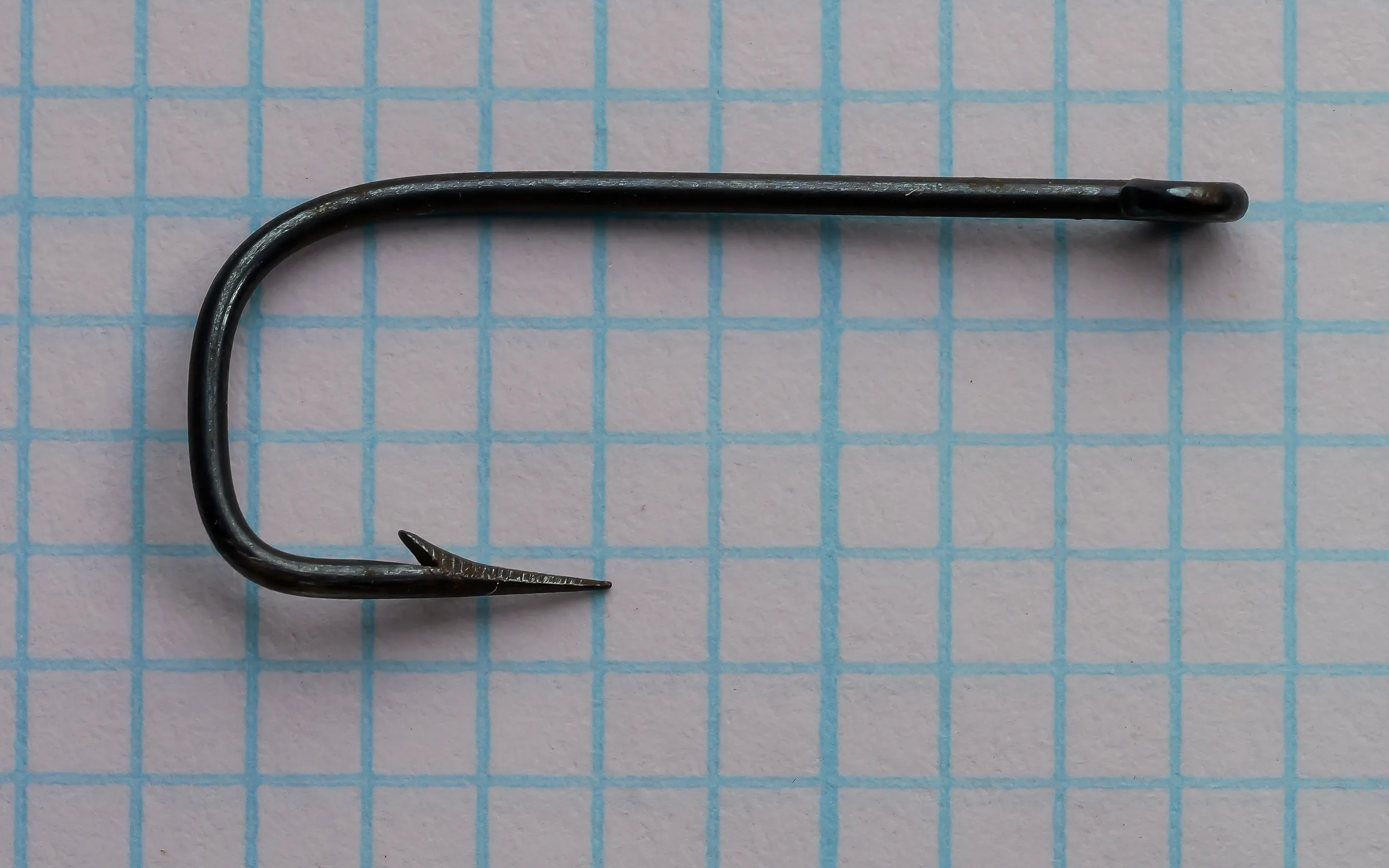
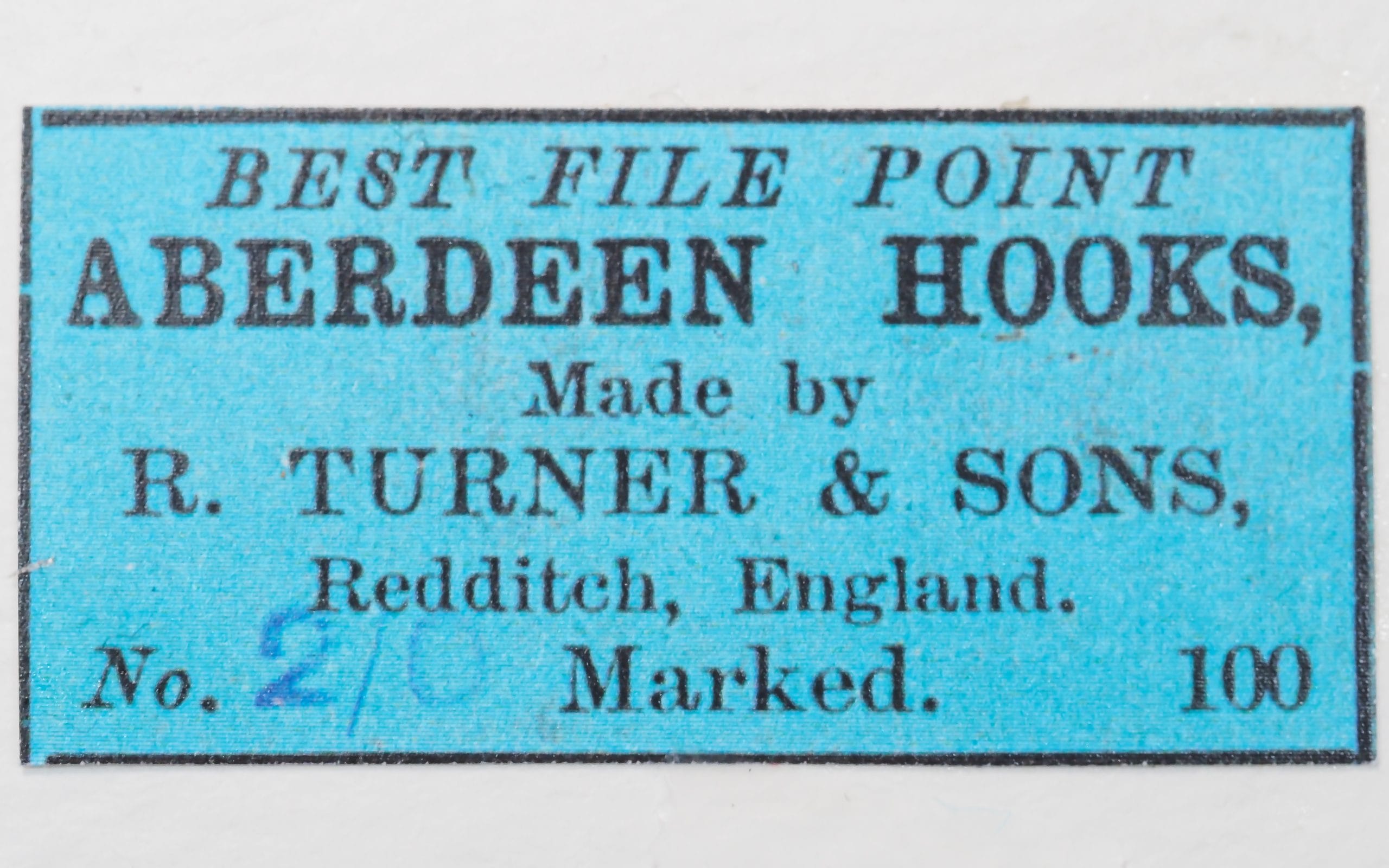
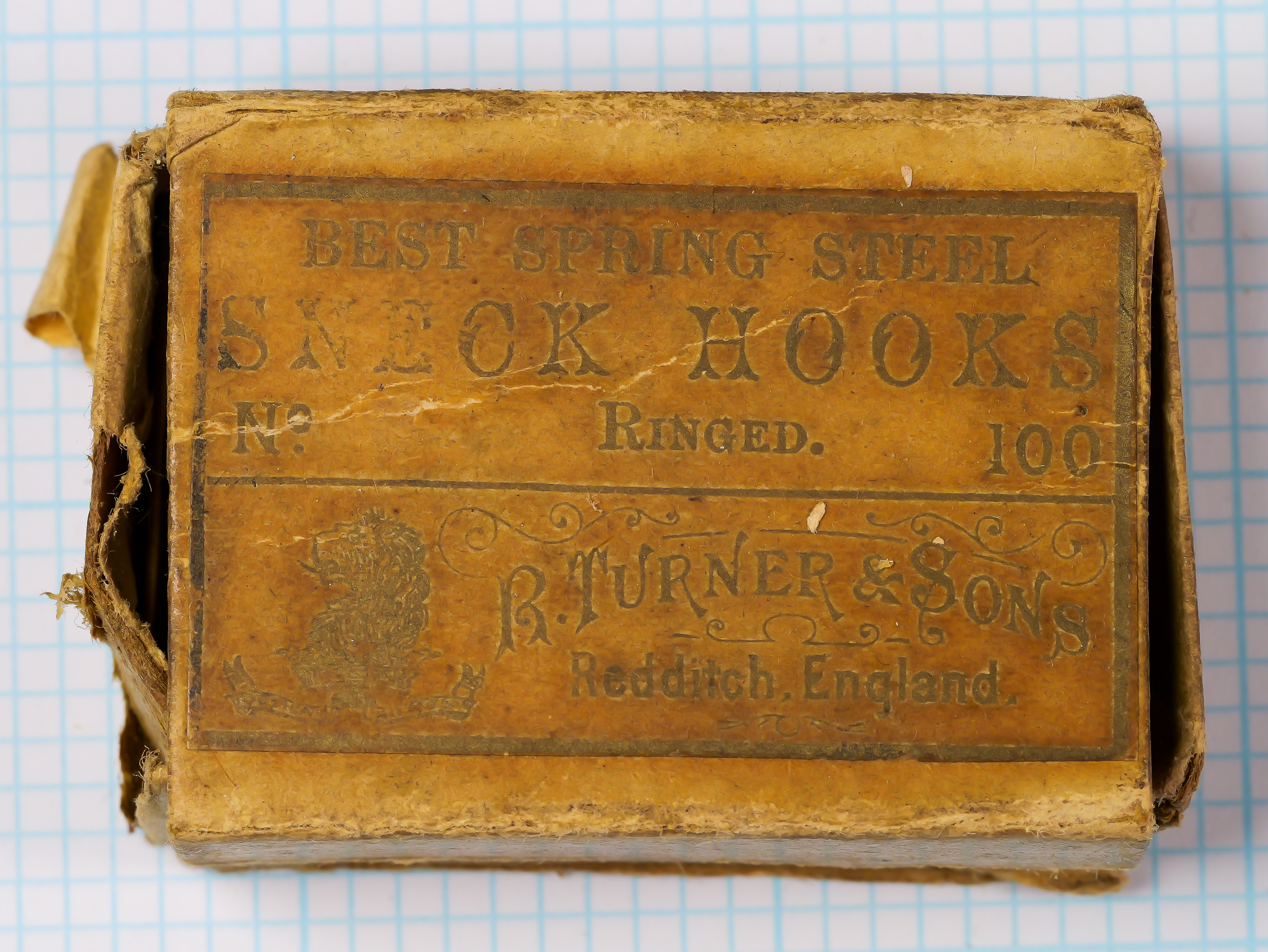
R. Turner & Sons Aberdeen – Label 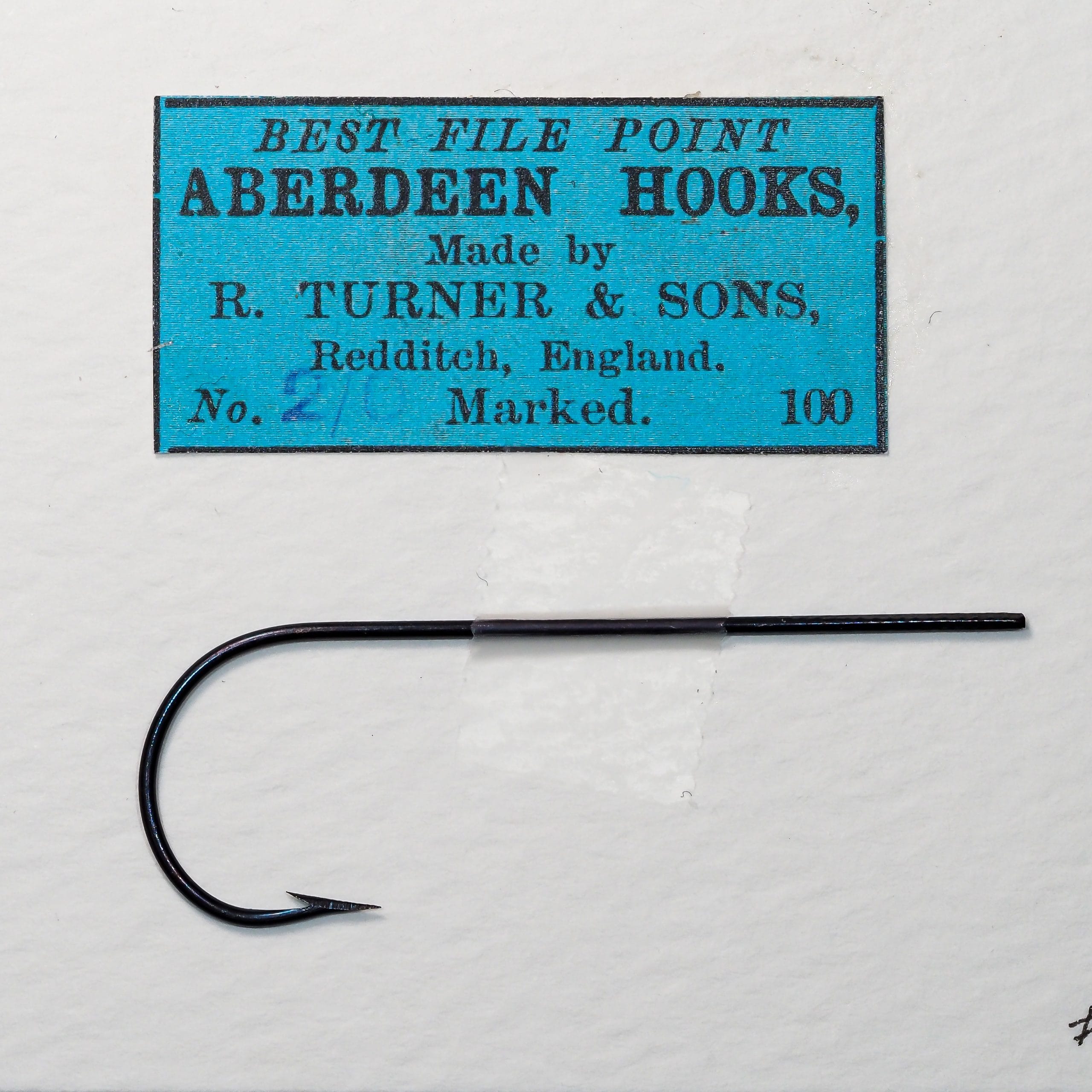
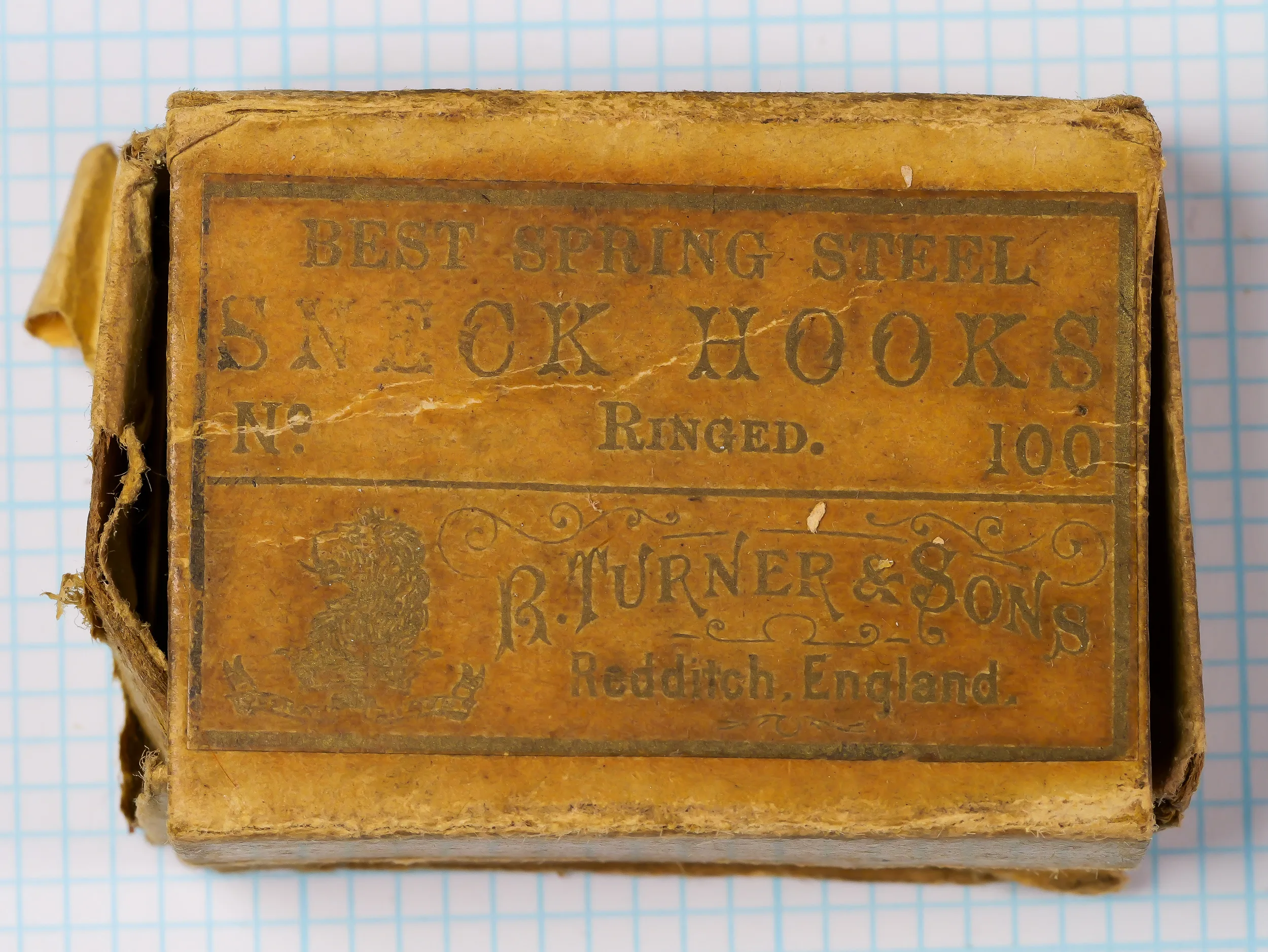
R. Turner & Sons Aberdeen – Label and Hook 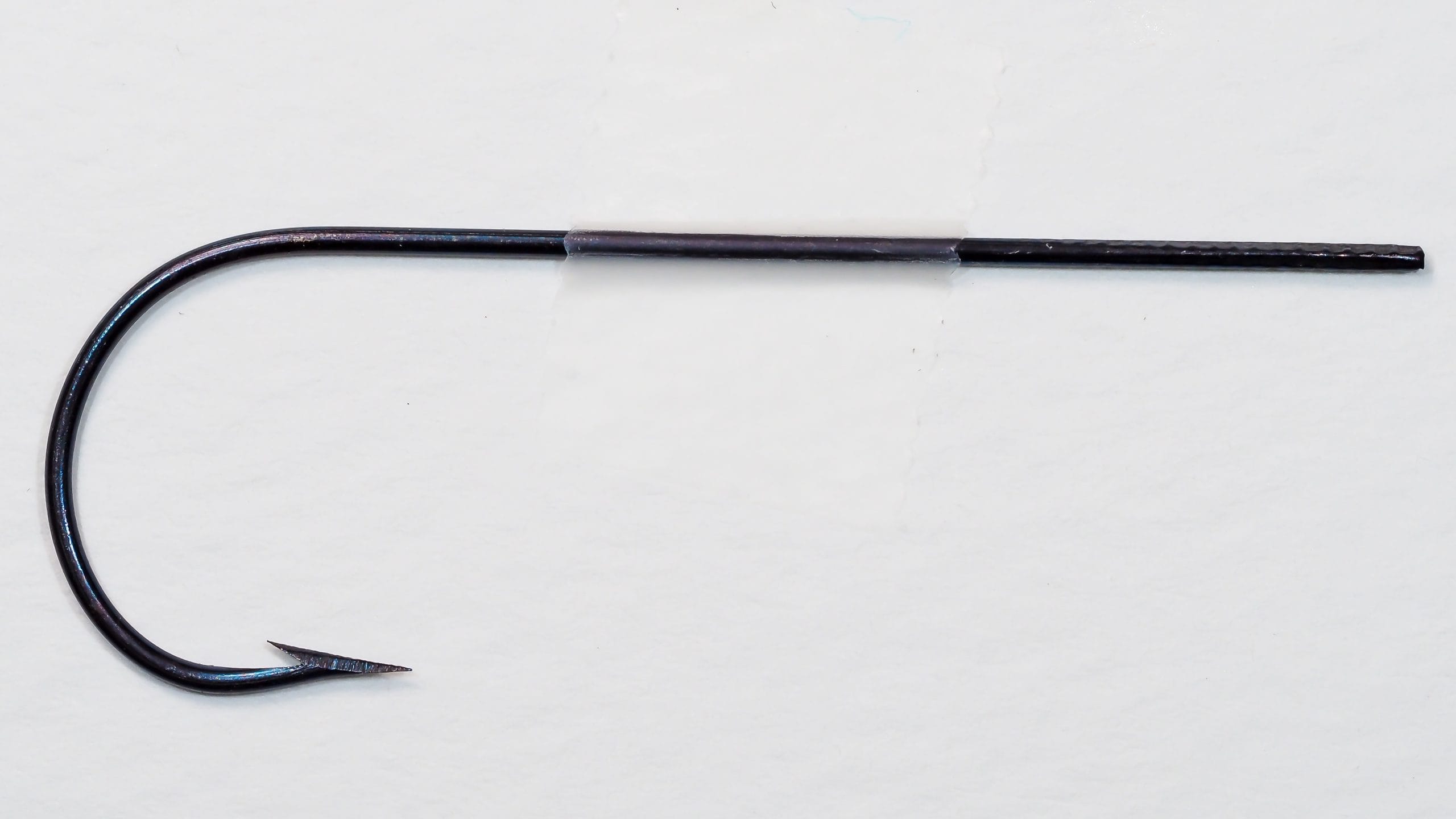
R. Turner & Sons Aberdeen – Hook 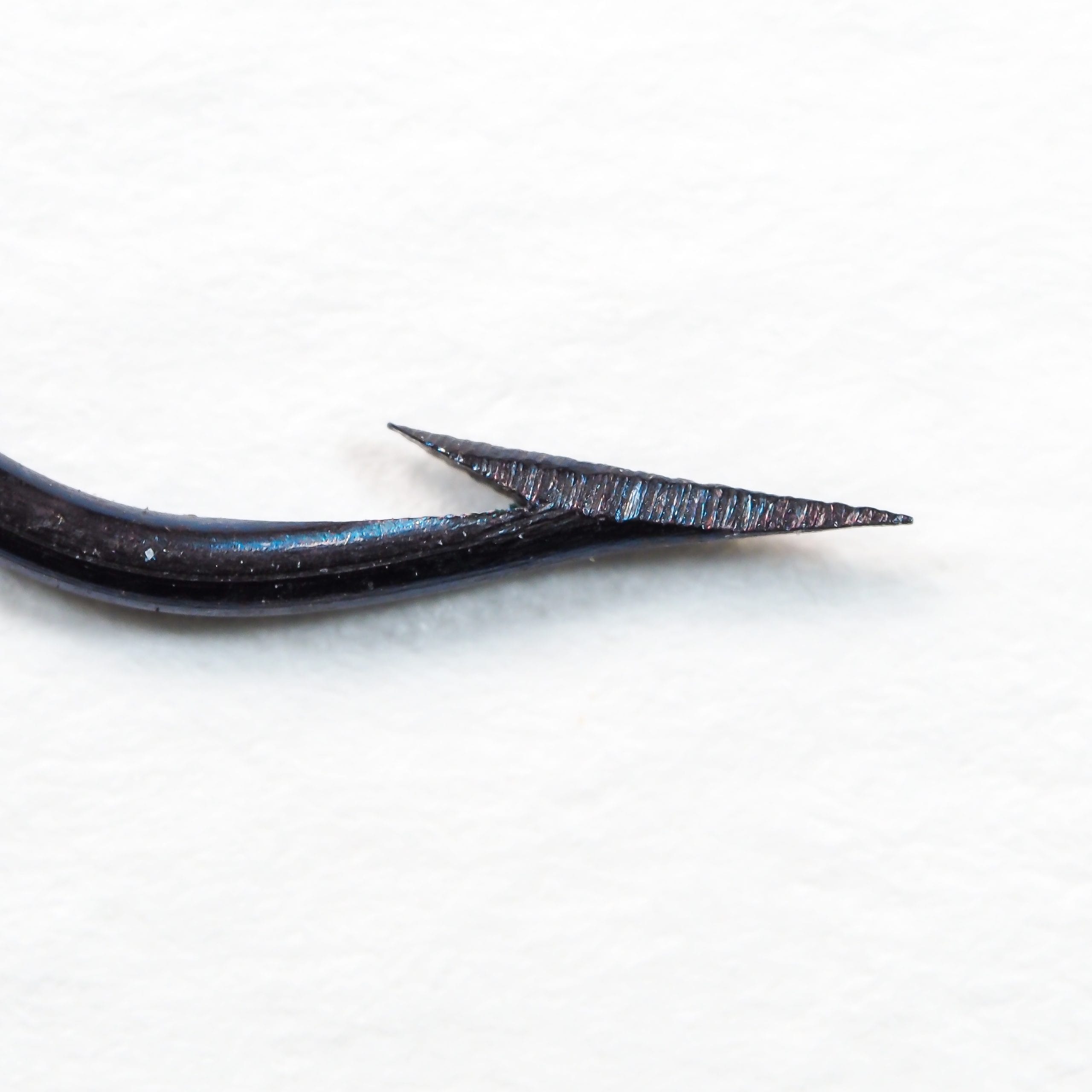
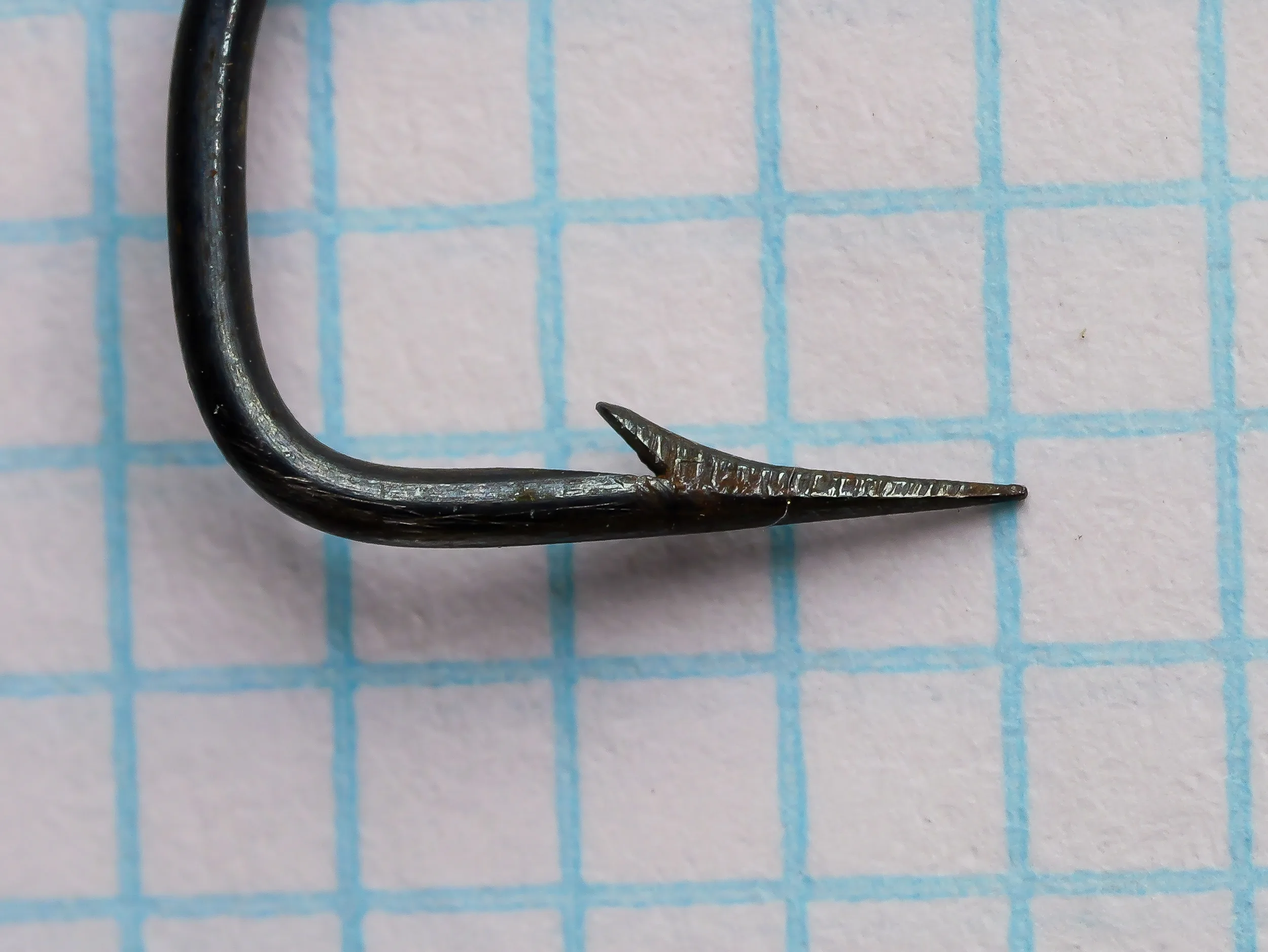
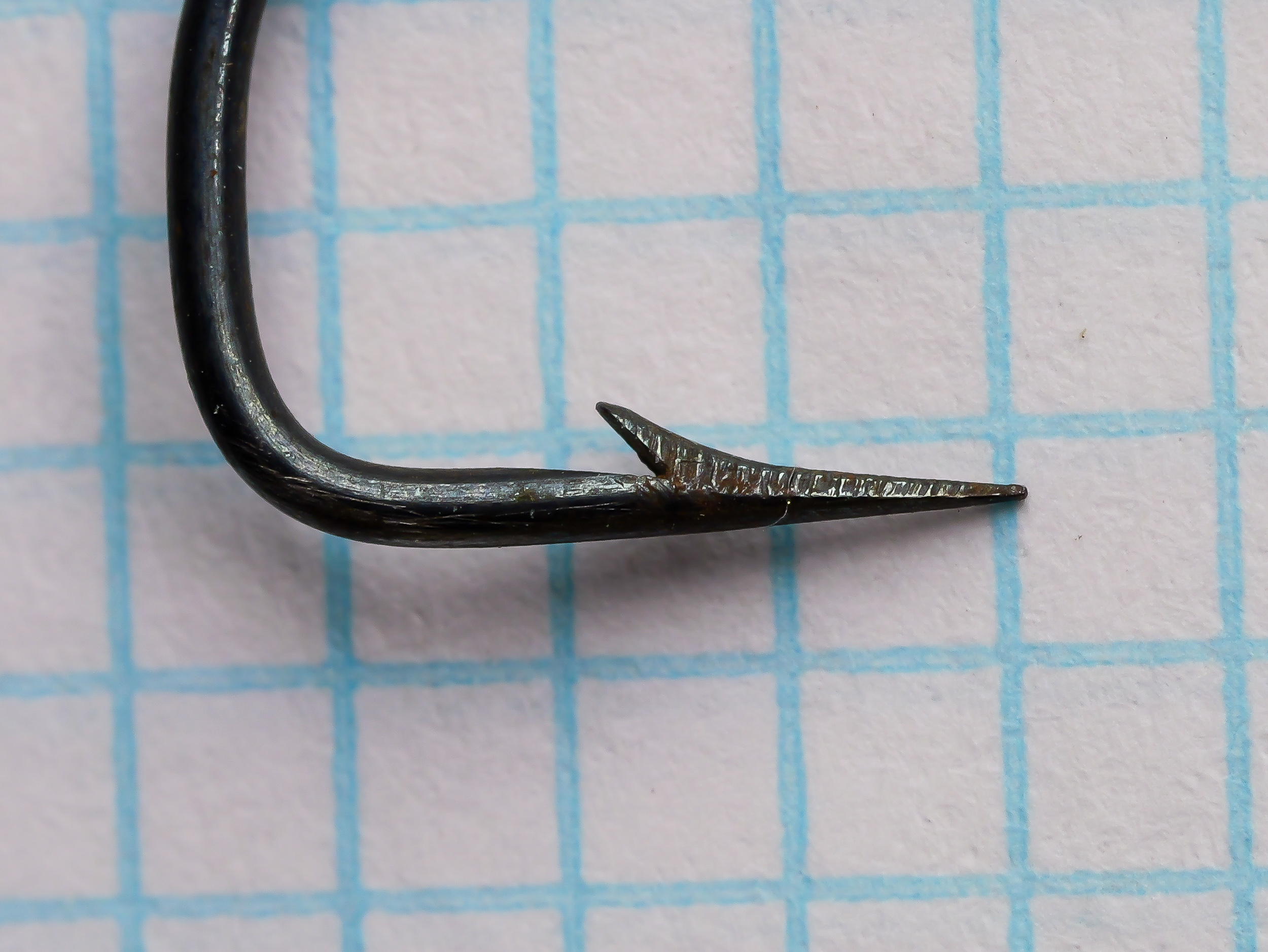
R. Turner & Sons Aberdeen – hook point 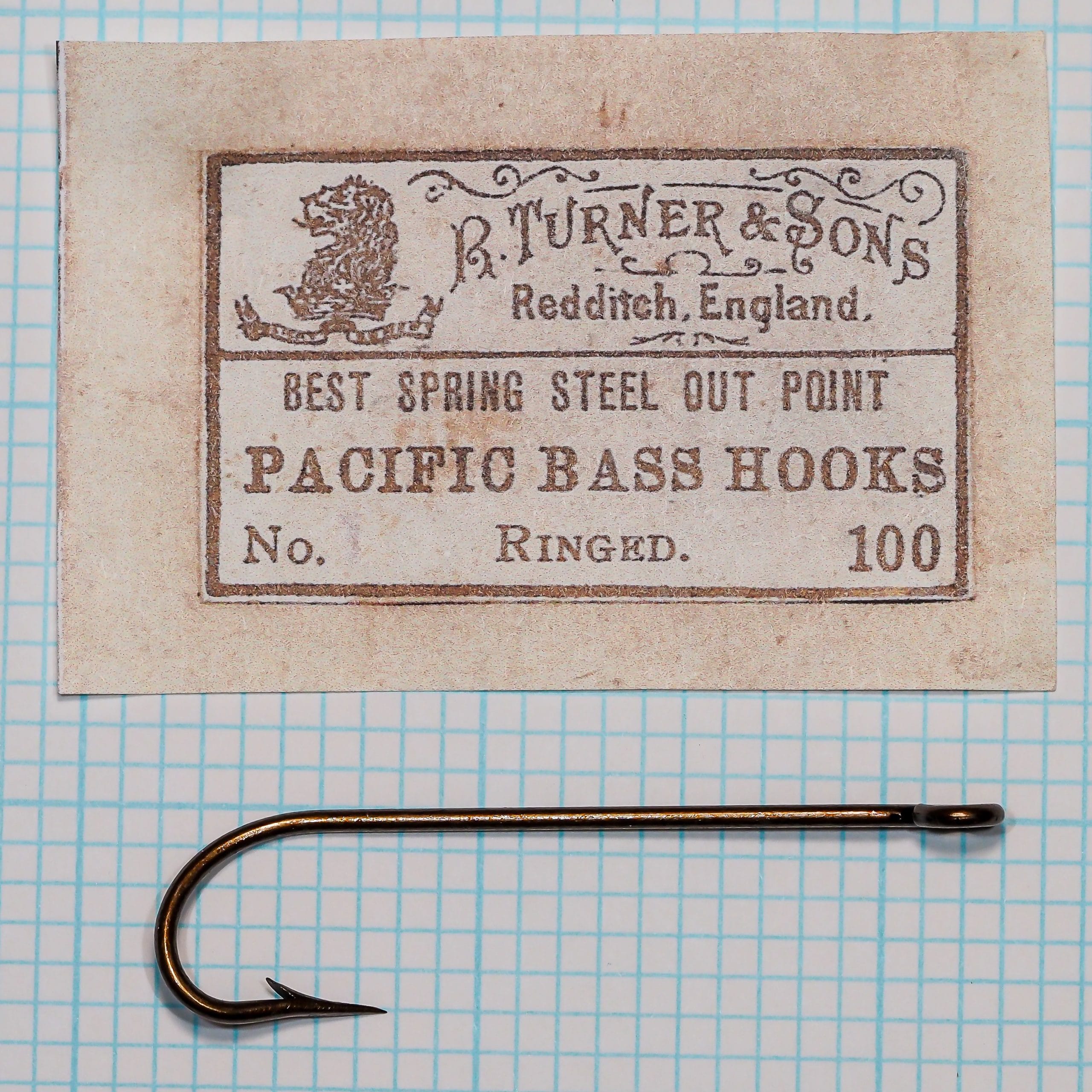
R. Turner & Sons – Pacific Bass Hooks 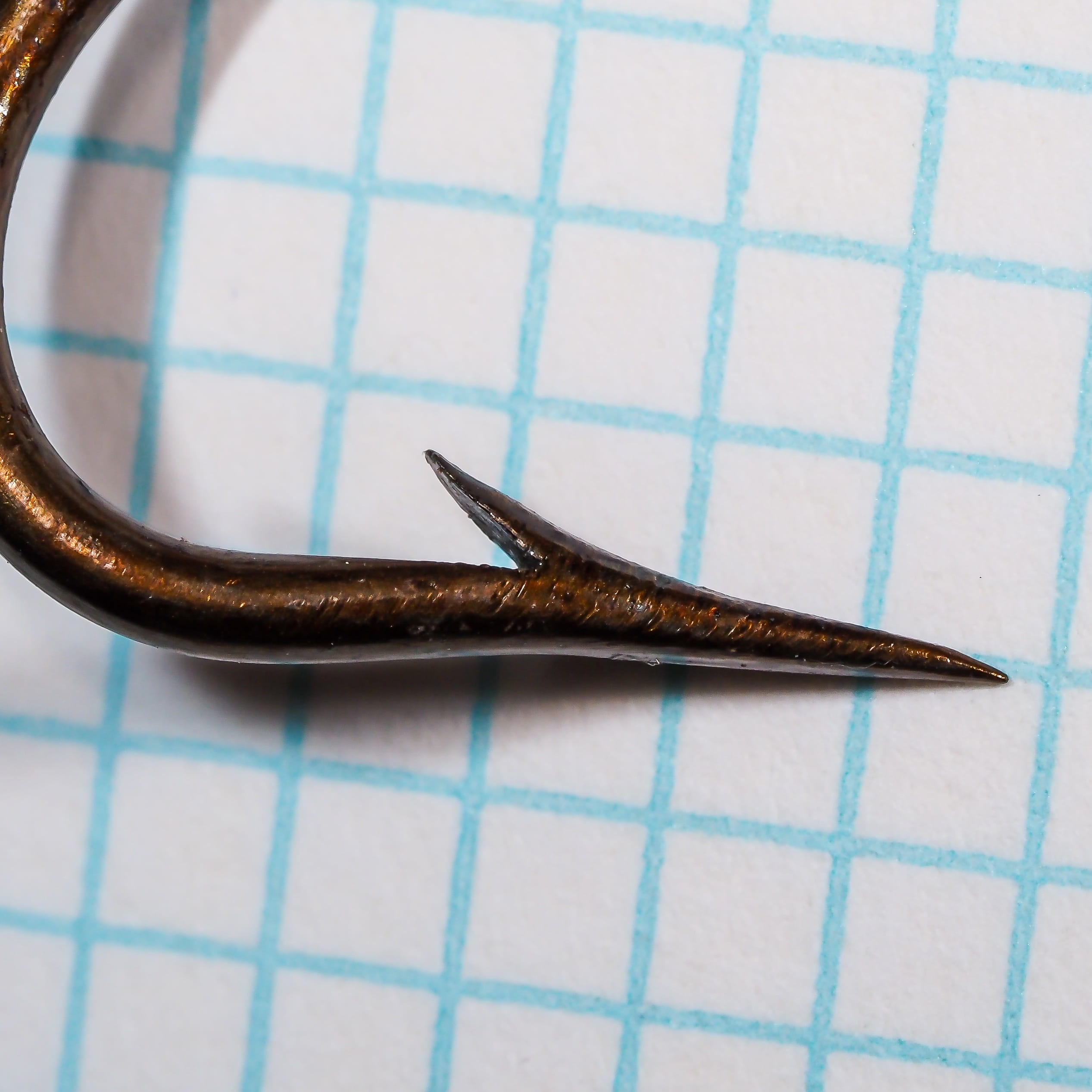
R. Turner & Sons – Pacific Bass Hooks point 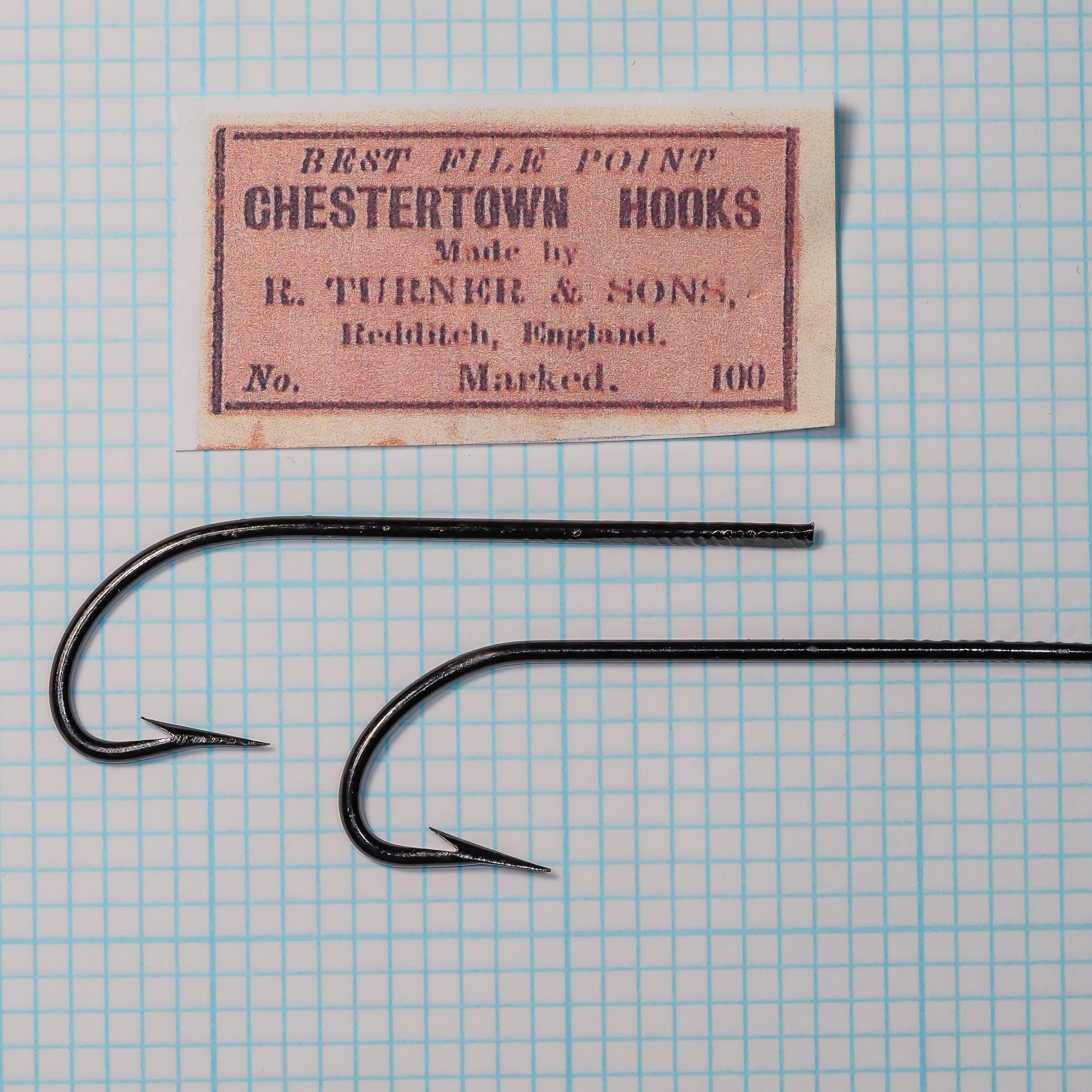
R. Turner & Sons – 1 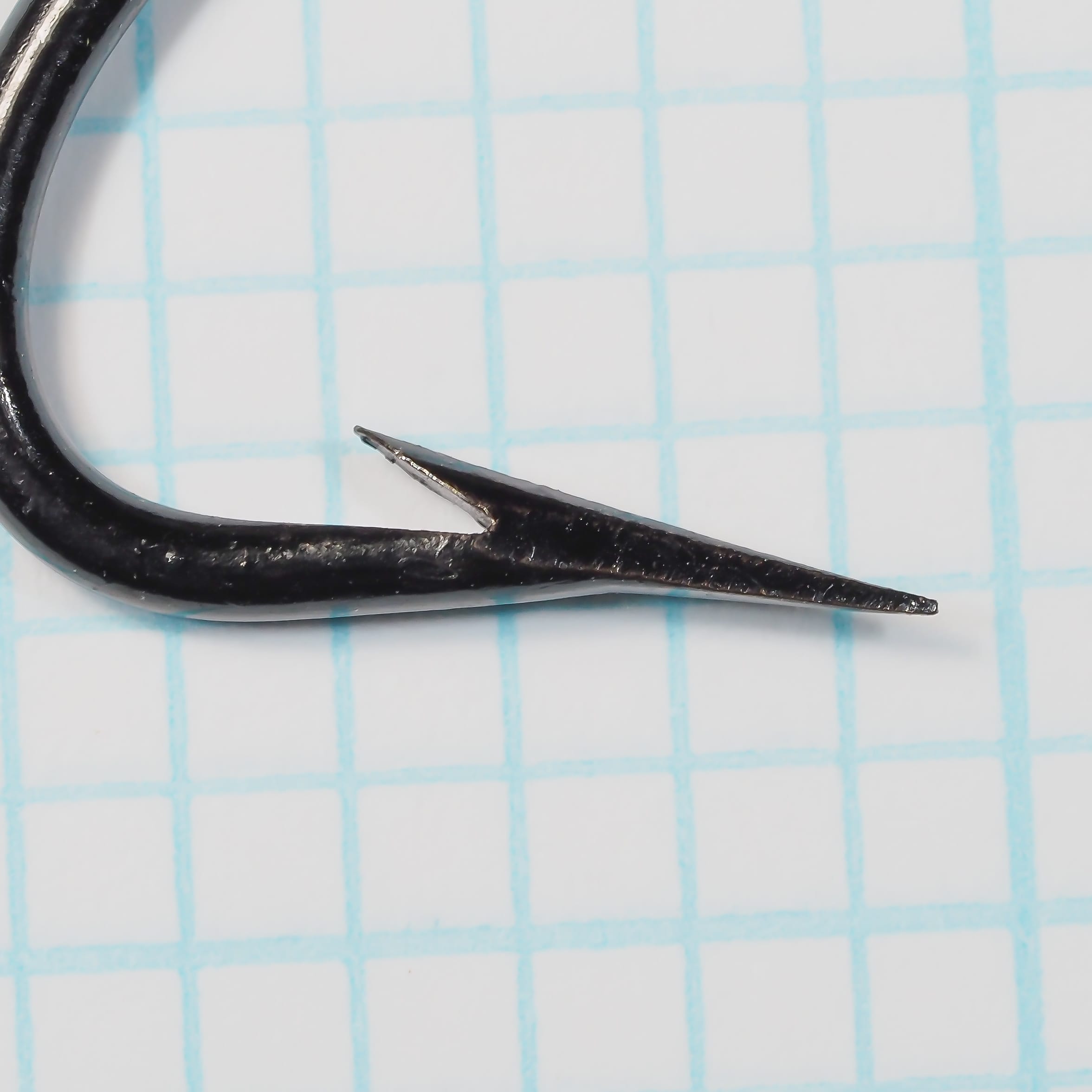
R. Turner & Sons – 1 – point
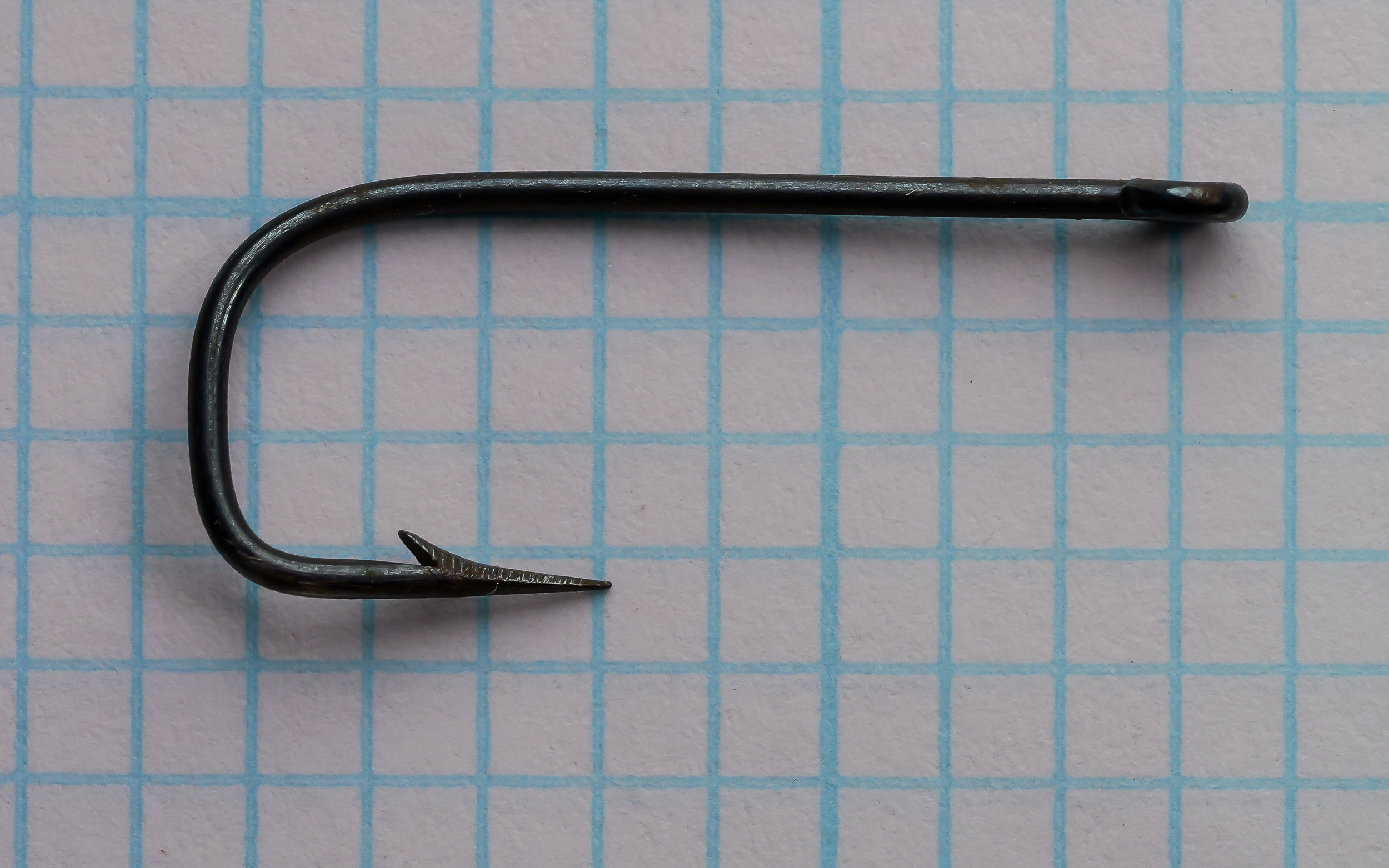
R. Turner & Sons Hooks History
R. Turner & Sons stands as one of the preeminent names from the “Golden Age” of British hook making. Based in Redditch—the global capital of needle and fish hook manufacturing in the 19th century—the firm is revered today by collectors and classic fly tyers for the exceptional quality, temper, and finish of their vintage iron.
1. Origins and Early Years (c. 1820s – 1860s)
The company’s roots lie in the master craftsmanship of the Redditch needle trade.
- Founding: The lineage traces back to Joseph Turner, who is recorded as establishing the firm around 1820 (though some trade directories first list him in 1835). Like many in Redditch, the business began with needle manufacturing before expanding into fish hooks, as the technologies for drawing, tempering, and pointing steel wire were nearly identical.
- The Second Generation: By 1855, Joseph’s son, Richard Bourne Turner (born 1827), had taken the reins.
- Expansion: Under Richard, the company grew significantly. By 1861, they were operating out of the “Old Factory” on Bromsgrove Road, later moving to the Bates Hill site, which would become their long-term home.
2. The Golden Age (1870s – 1900s)
This era marked the zenith of the company’s influence and the production of their most famous hooks.
- Name Change: Around 1876–1878, as Richard’s sons (including Frank Gilbert Turner) entered the business, the firm was officially renamed R. Turner & Sons.
- Global Recognition: The company aggressively marketed its superior quality on the world stage, winning medals at major World’s Fairs, including:
- Philadelphia (1876)
- Paris (1878 & 1889)
- Melbourne (1880)
- Chicago (1893)
- The “Turner” Hook: During this period, they produced high-carbon steel hooks that are legendary today. They were major exporters to North America, fueling the fly fishing boom in the US and Canada.
- Signature Styles: They were renowned for “Blind Eye” Salmon hooks (specifically the Chestertown pattern), Pacific Bass hooks, and standard wet fly patterns like the Sproat and Sneck. Their black japanned finish (a baked-on lacquer) was considered industry-leading, often retaining its sleek, black luster for over a century.
3. Incorporation and Decline (1900s – Mid-20th Century)
As the 20th century dawned, the manual craftsmanship that defined R. Turner & Sons began to clash with mass-production pressures.
- Incorporation: In 1909, the firm was incorporated as R. Turner & Sons Ltd., with Frank Gilbert Turner as director. The family patriarch, Richard Bourne Turner, died in 1916.
- The Great Consolidation: The Redditch hook industry faced massive contraction in the early 1900s due to the rise of mechanized competition (primarily from Mustad in Norway). While larger Redditch firms like Allcock and Milward absorbed many smaller competitors, R. Turner & Sons appears to have quietly wound down or ceased independent manufacturing in the decades following WWI.
- The End of the Factory: The historic factory at Bates Hill stood until the 1970s, when it was demolished to make way for the Redditch “Ringway” road development, physically erasing the company’s last major footprint.
4. The Present Day (21st Century)
Today, R. Turner & Sons no longer exists as a manufacturer, but the brand has achieved a cult status among specialized anglers.
- Collectibility: Vintage R. Turner & Sons hooks—particularly the blind-eye salmon irons—are highly sought after by classic Atlantic Salmon fly tyers. A single vintage box in good condition can command high prices on the secondary market.
- Reputation: They are considered “definitive” antique hooks. Tyers prize them because the wire diameter and “gape” (the distance from point to shank) are historically accurate for dressing 19th-century patterns (like those by Kelson or Pryce-Tannatt) in a way that modern hooks often fail to replicate.