The 3909 is a core Mustad production line hook featuring a tapered-eye sproat bend, hollow point, and bronzed finish. With standard shank length and moderate gap, this hook represents the Norwegian industrial standard for small wet flies and nymphs. The hollow point provides excellent penetration characteristics for subsurface presentations.
Dating to the mid-twentieth century based on packaging and manufacturing conventions, the 3909 remains in continuous or semi-continuous production, making it widely available to tyers. The model is characterized by Mustad’s signature round-wire construction and reliable forging standards.
Collecting interest is modest — the 3909 is a functional workhorse rather than a scarce vintage pattern. Value lies primarily in well-preserved original packaging and in assembling complete size ranges, particularly in uncommon sizes like No. 2.
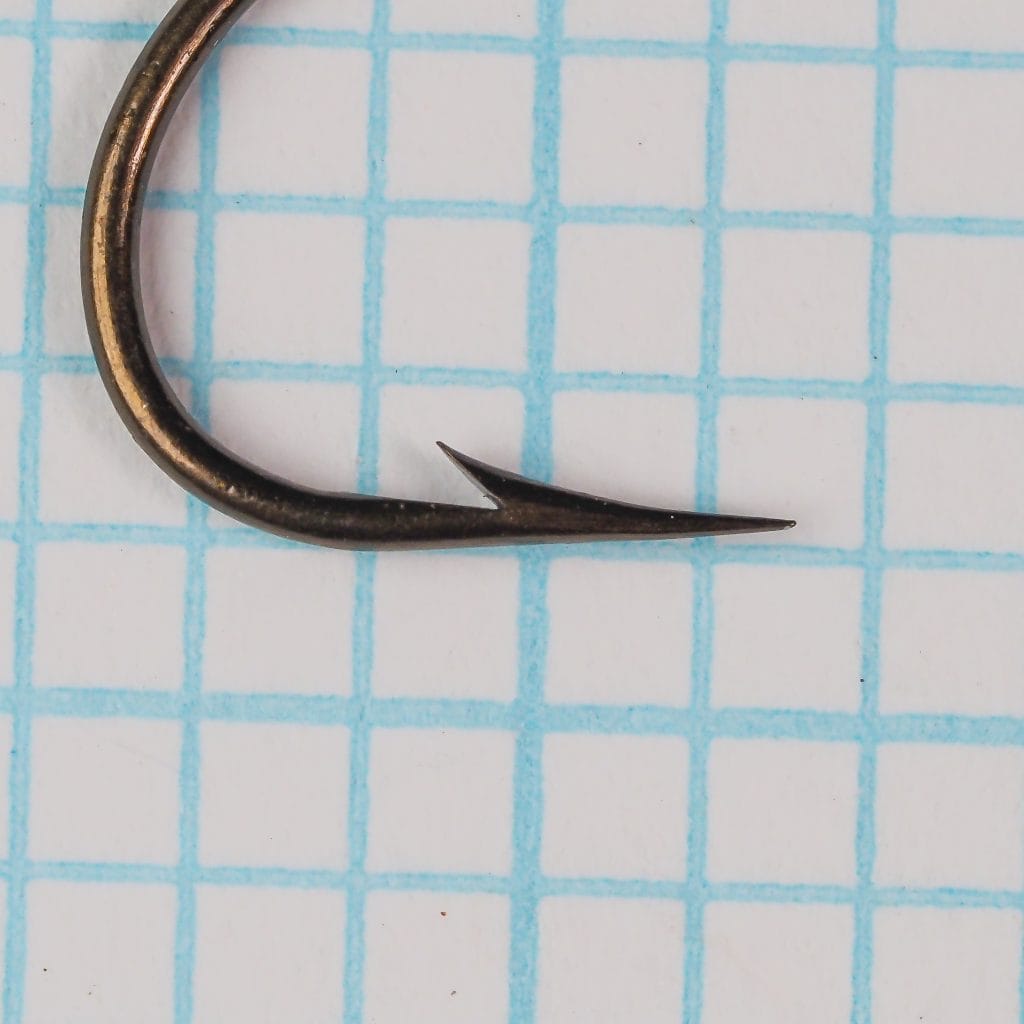
Close-up of the 3909 point showing the concave inner face characteristic of the hollow point, bronzed finish with light patina, and short swept barb. Photograph on measurement grid.
Photographic record
2 cataloged imagesSelect any record to load it above.
2 images shown
Mustad 3909 Size 2 — Point DetailClose-up of the 3909 point showing the concave inner face characteristic of the hollow point, bronzed finish with light patina, and short swept barb. Photograph on measurement grid.Open originalMustad 3909 Size 2 — Sales CardTwo Mustad 3909 hooks mounted on a white cardstock with handwritten 'Mustad', '3909', and '#2' notations in blue ink. Typical mid-twentieth-century retail presentation showing the sproat bend profile and tapered-down eye.Open original
Technical profile
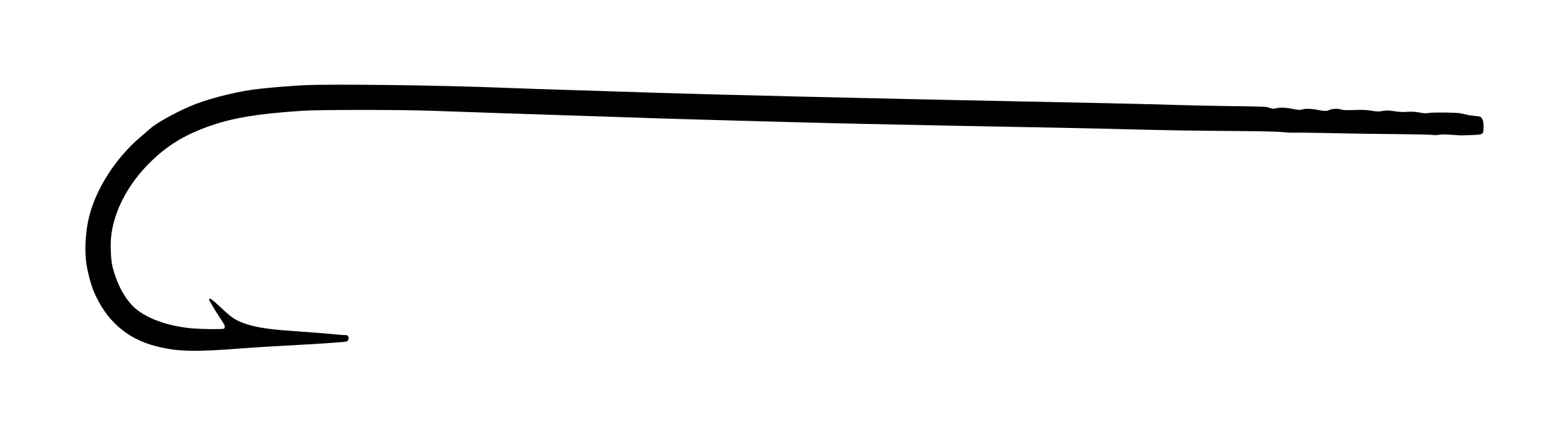
Standard wet-fly sproat with tapered-down eye, moderate gap, hollow point, and bronzed finish.
Eye
Tapered Eye, Turned DownTapered-down eye with no distinct ball; wire tapers smoothly from shank to eye terminus, forming a clean slot entry P
Wire
Extra-Fine, Round
Shank
Extra-Extra Long (XXL) — Plain
Bend
Sproat, Narrow gapClassic rounded sproat geometry with balanced proportions; slight wire-set curvature without marked asymmetry; depth proportional to gap E
Point
Hollow Point (concave inner face)Short, close-cut barb positioned midway between point tip and barb shoulder; swept moderately back; typical Mustad manufacture P
Finish
Bronzed — Confirmed (stated on packaging)Warm bronze tone indicating oxide finish typical of mid-century Mustad production; uniform color with light surface patina consistent with age and storage E
Specimen hooks are bright with no active corrosion; bronze finish shows expected patina; no bends or deformations visible P
Hollow Point Geometry: The concave inner face of the hollow point creates a knife-edge effect at the final taper, providing superior penetration into the jaw structure of fish. This design became dominant for wet flies and nymphs because it reduces the force required for hook-set, particularly in demanding subsurface presentations.
Sproat Bend Profile: The rounded-bottom geometry provides smooth load distribution during the fight, reducing point fracture risk on heavy takes. The moderate gap width (relative to shank length) is optimized for standard fly-body proportions and allows secure fly-mounting without excess material bunching at the eye.
Tapered-Down Eye: The tapered construction reduces bulk at the eye, improving fly balance and casting distance. No ball formation means the eye slot remains narrow and consistent, reducing thread slippage during dubbing and wrapping.
Bronze Finish: Applied through oxide treatment, the bronzed finish provides rust resistance and a warm aesthetic that became standard on Mustad’s mid-market production. Unlike japanned or blued finishes, bronze develops a natural patina over time without requiring active maintenance.
The Mustad 3909 is a core production model within Mustad’s standard wet-fly and nymph hook range. It represents the company’s commitment to offering a complete size matrix from 1/0 through 14 or finer, serving both retail fly shops and commercial fishing operations.
The 3909 nomenclature (3000-series for standard-shank sproat bends) was established by mid-twentieth century and remained in use through the 1970s and beyond. The model does not appear to have undergone significant design changes during its production life, though finish specifications and wire-drawing standards evolved with manufacturing improvements.
No limited-production variants or special editions of the 3909 are documented; the line represents standard industrial production. The hook remains available in modern Mustad catalogs, though current production may incorporate modern tempering and plating standards.
Era and Packaging Dating
No barcode visible on packaging (pre-1974 strong indicator). Handwritten blue-ink notations typical of pre-offset printing era packaging (c. 1950s–1960s). Print quality and card stock consistent with letterpress or early offset production. Mustad standardized model numbering (3909) was in use by mid-twentieth century. Bronze finish standard on Mustad production during this era. Packaging style and typography point to c. 1950–1970 range.
Global Supply Chain — One Hook, Many Labels
The Mustad 3909 is part of a massive global supply chain that began in 1830s Gjøvik. Norwegian hooks were shipped in bulk to tackle houses across the British Isles, North America, and Australia, where local retailers applied their own label cards. This practice — known as 'blank carding' — means that a single Mustad model number might be found under dozens of different retailer brands, each with its own printed card design. Collectors often encounter the same 3909 hook with English, American, or Australian dealer names, all manufactured in Norway but branded for local markets.
Design lineage and influence
The Mustad sproat bend (represented by the 3000-series line including the 3909) derives from nineteenth-century Redditch design traditions, particularly the work of English craftmakers who pioneered the rounded-bottom hook geometry. Mustad adopted and standardized this bend profile during industrial expansion, creating a direct lineage from Victorian English hand-forging to modern industrial manufacture.
Competitor models with equivalent geometry include the Allcock Sproat, Partridge hooks in sproat profiles, and various Redditch-maker variants. The Mustad hollow-point sproat competed directly with English makers for the wholesale market, with economy of scale giving Mustad significant market share by the 1950s.
Best matchRelated by Attribute
Computed automatically from catalog data — updated as new hooks are added.
Matches: Bend, Shank, Eye, Eye Orient., Point +6 moreDiffers: Wire: Extra-Fine vs Fine (1X Fine); Gap: Narrow vs Standard; Shank ratio: 87.9% vs 72.5% +1 more
The Mustad 3909 is a versatile wet fly and nymph hook designed for small- to medium-sized patterns. The standard shank length and sproat bend provide reliable hook-set geometry for subsurface fishing. The tapered-eye construction and moderate gap width make this pattern suitable for both traditional wet flies and modern nymph designs, particularly for trout and grayling.
Classic Fly Patterns
Not typically associated with named commercial patterns; used for generic wet fly and nymph dressing
Modern Equivalents
Hook
Match Quality
Notes
Mustad 3909B (current production)
Excellent
Direct modern continuation of the 3909 line; same bend, point, and eye type; modern tempering standards
Tiemco 9395
Very Good
Sproat bend, hollow point, similar gap and shank proportions; Japanese manufacture; slightly finer wire
Partridge SH Sproat
Good
Traditional English sproat, hollow point, tapered eye; heavier wire construction
Collector notes
Rated 3.0/10 — common in larger sizes but size No. 2 is less frequently encountered in original packaging. Modest collector demand among wet-fly and nymph tyers; value is primarily functional rather than historical.
Reference value
$3 – $8 USD estimate
Packaging format
GW-M-309-01Catalog code
Positive Factors: Original packaging (if present) adds modest premium for reference collectors; size No. 2 is small enough to be underrepresented in surviving inventory. Hollow point construction appeals to fly dressers familiar with traditional wet-fly hook designs. Bronze finish is consistent with mid-century Mustad standards and is stable in storage.
Limiting Factors: The 3909 remains in production (or was in production until recently), reducing vintage rarity significantly. No historical designer association or limited-production story. Availability of modern equivalents means functional collecting interest is low. Cards with missing hooks or damaged packaging lose value quickly.
Size Variation: Sizes 1/0–4 are relatively uncommon; sizes 6–10 appear more frequently in vintage lots. Size No. 2 occupies middle rarity ground.
Condition Factors: Complete carded hooks in sealed or near-sealed packaging command 50–100% premium over loose or partially used cards. Original card design and print quality affect desirability. Patina on bronzed finish is acceptable and does not diminish collector value.
Packaging
Sales card format (presumed from handwritten notation visible in image 2). White or off-white cardstock with black printed manufacturer name and model code, handwritten size notation in blue ink. Card design consistent with mid-twentieth century Mustad production standards. Dimensions approximately 5.5" × 3.5" (estimated from grid). Two specimen hooks mounted on card.
Market Value Notes
Low ($3): Loose hooks or opened/used card with few missing hooks. High ($8): Complete sealed card or intact original packaging in excellent condition. Premium factors: Sealed packaging, full hook count, original card design clarity, size rarity (No. 2 rarer than 6–10). Platforms: eBay UK/US, vintage tackle lots. Confidence: E estimated — limited recent sales data for size No. 2; standard sizes 6–10 command $2–5 for opened cards.
Where to Find
eBay vintage fishing auctions (search 'Mustad 3909'); European tackle fairs; specialist UK tackle dealers; occasional bulk lots at country auctions.
Preservation
Storage and Preservation
Store Mustad 3909 hooks in a cool, dry environment — ideally 50–70°F with relative humidity below 50%. The bronze finish will develop a natural dark patina over decades but is not susceptible to active rust in low-humidity conditions. Avoid contact with acidic materials (such as newsprint) or other ferrous metals that may cause galvanic corrosion.
If hooks are carded, store the card in its original paper envelope or wrapped in acid-free tissue. Do not seal in plastic — the finish requires air circulation to prevent moisture accumulation. Original packaging adds significant reference value; preserve cards flat in filing boxes rather than standing upright, which stresses the mounting.
If loose hooks are stored, use individual plastic compartmented boxes (such as tackle organizers) with silica gel packets placed in the storage container. Periodically inspect for moisture buildup and replace silica gel annually. Do not store hooks in sealed metal tins without ventilation.
For display purposes, hooks on carded stock may be mounted behind glass or acrylic in wall frames, which provides dust protection while allowing visual inspection. Avoid direct sunlight, which may fade printed packaging text over decades.
Marking Analysis
Handwritten Notation Analysis
Image 2 shows handwritten annotations in blue ballpoint ink: ‘Mustad’, ‘3909’, and ‘#2’. The handwriting is consistent with mid-twentieth-century fishing tackle notation practices — likely applied by the retailer or tacklesmith at the time of inventory receipt or carding.
The informal script and ballpoint medium suggest this annotation predates modern office standardization and was applied by hand to a blank card, confirming the ‘blank-carding’ retail practice common in the 1950s–1970s. The notation style — minimal, functional, no embellishment — is typical of working tackle shops rather than factory-printed production.
The presence of handwritten size notation (#2) rather than pre-printed size suggests either: (1) the card was printed with only the manufacturer name and model, or (2) the size marking was added after initial carding. This variability is common in vintage Mustad stock and indicates individual retailer customization of packaging.
Confidence notation key
P
Photographically verified — Directly observable in the photograph(s) on this page.
V
Verified by documentation — Confirmed by manufacturer catalog, spec sheet, or published reference.
I
Inferred — A logical deduction from observable or documented evidence, not directly stated.
E
Estimated — An approximation based on visual comparison, proportional analysis, or limited data.
S
Speculative — A reasoned hypothesis that cannot be confirmed from available evidence.
Unnotated claims are the compiler’s synthesis; see Sources. All photographs on garrenwood.com are taken on a measurement grid where each square equals 1/10 inch (0.1″ / 2.54 mm).