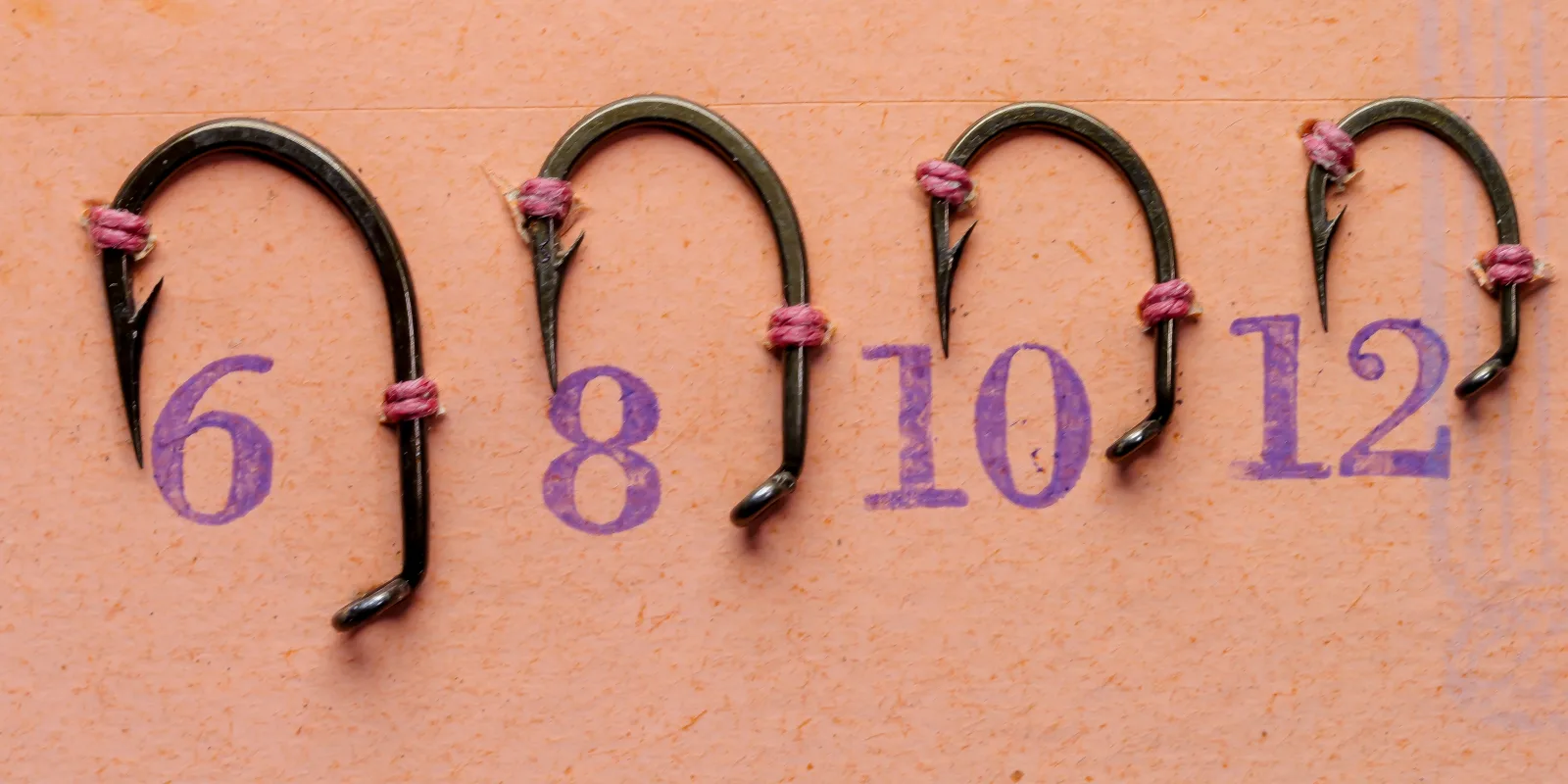
The Mustad 9088 is a premium specialized nymph hook manufactured by O. Mustad & Søn of Oslo, Norway, produced during the 1950s–1960s as part of the premium Viking sub-brand line. This hook exemplifies Mustad’s post-WWII technological approach: the forged wire construction combines Norwegian industrial efficiency with superior tempering.
The 9088’s defining characteristic is its extreme 4X short shank—a specialized geometry developed for compact, proportionally correct egg patterns where traditional hook lengths would create visual bulk. The hollow point ensures rapid penetration on soft-mouthed trout and panfish with minimal applied pressure, while the tinned finish offers superior corrosion resistance compared to blued or bright alternatives. The label clearly displays Oslo, Norway (post-1925 standard) and the Key Brand skeleton key trademark, positioning this hook within Mustad’s most aggressive period of expansion into North American markets.
From a collecting perspective, the 9088 represents a transition point in hook manufacturing: it bridges the old world of craft-produced, regionally specific patterns and the new era of industrial standardization and global distribution. Larger sizes (8, 10, 12) remain reasonably common, while size 6 specimens are genuinely scarce. Complete original cards with all four sizes intact and pristine label printing are highly prized among vintage fly-tying specialists and hook historians, commanding premiums of 3-4x loose hook prices.
Mustad-9088-Hooks
Photographic record
2 cataloged imagesSelect any record to load it above.
Tapered Eye, Turned DownTurned-down tapered eye is finely executed, reducing wire mass toward terminal and creating a delicate, low-profile connection point. Taper is gradual and symmetrical. P
Wire
Standard, Forged, Est. ~0.018"-0.020" (~0.46-0.51 mm)
Shank
Short (1X–2X Short) — Plain
Bend
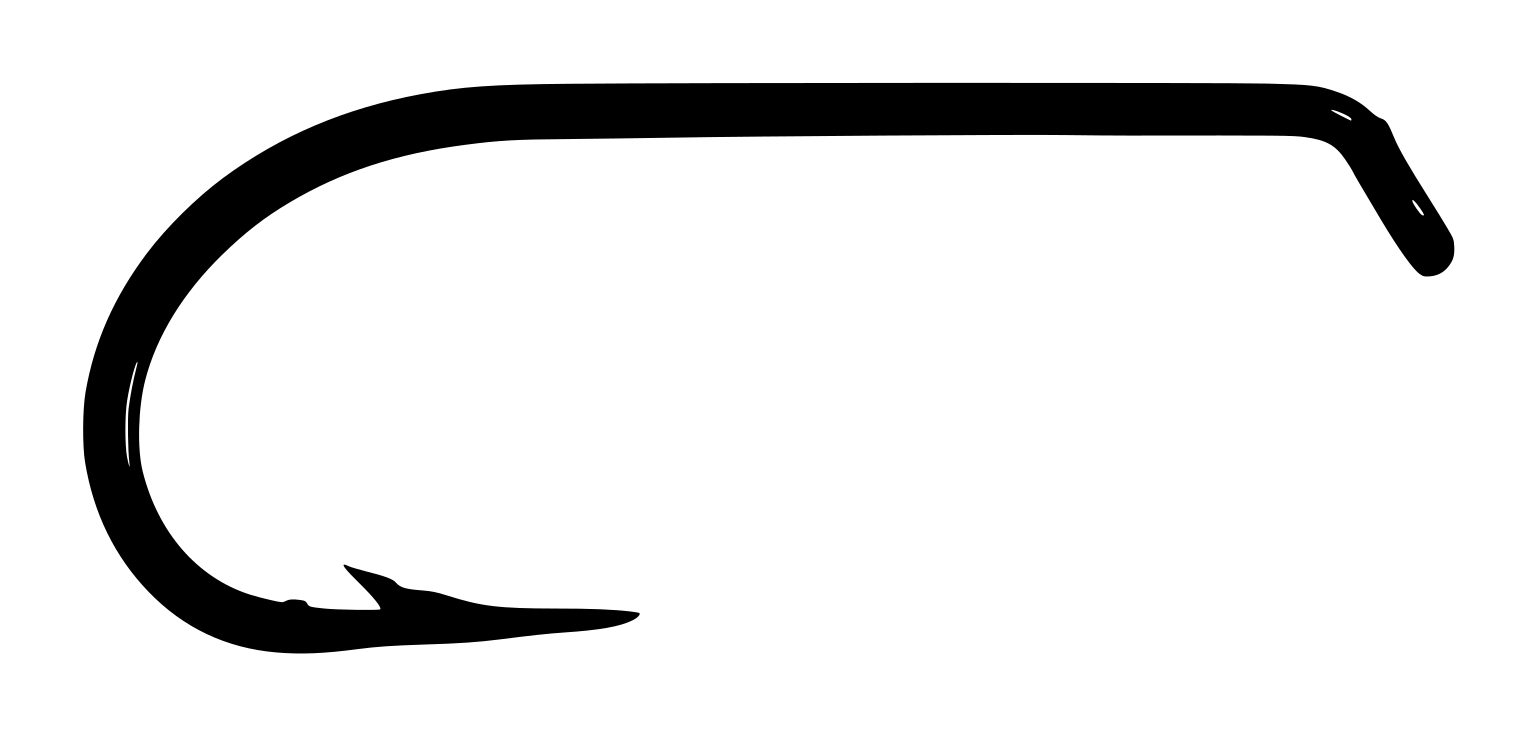
viking, Standard gapClassic round bend with slight depth; geometry favors a very compact profile suitable for short-bodied patterns. Wire set is clean and centered. Bend is symmetrical with no visible offset. P
Point
Hollow Point (concave inner face)Barb is short and close-cut, consistent with hollow point geometry. Barb placement is proximal (near bend rather than extended up the shank). Barb angle is moderate to slight. P
Finish
Bronzed — Confirmed (stated on packaging)Tinned finish displays bright, warm silver tone with slight yellow-gold undertone characteristic of mid-twentieth-century tin electroplating. Finish is uniform across the specimen with no flaking or patina. P
Card shows light toning and minor wear consistent with age. Printing is crisp and legible. Hooks are bright tinned finish with no visible corrosion. All four size samples present and appear intact. Silk thread bindings remain secure.
Size & scale lab
Selected size
(unspecified)
Physical specimen
Overall Length
16 mm
Shank Length
11.7 mm
Gap Width
6.4 mm
Bend Depth
4.9 mm
Shank-to-Gap Ratio
~1.7-1.9 : 1
Confidence
P
Physical specimen
Grid-derived from photograph (1/10" grid)
Own this hook? Help us measure it.
We don't have measured sizes for this hook yet. Own one? Submit calipered measurements and we'll review and add them. Thank you!
The Mustad-Viking Hooks line was introduced by Mustad during the post-WWII expansion into North American markets, positioning itself as a premium alternative to established British and Irish craft patterns. The Viking branding emphasized Mustad’s Scandinavian heritage—evoking the maritime traditions of Norse explorers and suggesting a contemporary industrial prowess that challenged Redditch’s monopoly on hook quality. The line encompassed multiple specialized patterns, from salmon irons to delicate dry-fly hooks, each forged and tempered to exacting tolerances. The 9088 occupied a niche position within the Viking line, targeting the growing population of American trout anglers who had adopted dry-fly methods pioneered in the Eastern United States. The model remained in continuous production through the 1960s and into the early 1970s, before being gradually superseded by Mustad’s broader catalog rationalization in the 1980s-1990s.
Era and Packaging Dating
The label displays Oslo (not Christiania), indicating post-1925 manufacture. The Key Brand logo, typeface, and layout are consistent with Mustad's mid-twentieth century branding. The absence of a barcode supports pre-1974 production. The vibrant gold/tan label printing on cream stock is typical of 1950s-1960s offset printing. The phrase 'Made in Norway' in English indicates export packaging for international markets, consistent with Mustad's global expansion in the 1950s.
Design lineage and influence
The Mustad 9088 belongs to the broader lineage of compact round-bend hooks stretching back to the 19th-century Kendal round bend and the classic Aberdeen pattern. However, the 4X short shank represents a distinctly 20th-century American refinement, developed by West Coast fly tyers seeking hooks that could accommodate heavily hackled dry flies without creating an oversized silhouette. The Mustad 9088 synthesizes Norwegian forging technology with American design preferences, creating a hook that was virtually impossible to manufacture in the pre-industrial era but became a staple of mid-century fly fishing. Modern descendants include contemporary egg hooks and scud-specific patterns offered by Tiemco and other manufacturers, though few maintain the specific combination of hollow point, tapered eye, and 4X short geometry that defined the 9088.
Best matchRelated by Attribute
Computed automatically from catalog data — updated as new hooks are added.
Matches: Bend, Shank, Eye, Eye Orient., Point +5 moreDiffers: Wire: Standard vs Extra-Heavy (2X+); Gap: Standard vs Wide; Offset: Straight vs Offset / Kirbed
Matches: Bend, Shank, Wire, Eye, Eye Orient. +4 moreDiffers: Gap: Standard vs Wide; Finish: Bronzed vs Nickelled; Offset: Straight vs Offset / Kirbed +3 more
Matches: Bend, Shank, Wire, Eye, Eye Orient. +4 moreDiffers: Gap: Standard vs Wide; Finish: Bronzed vs Nickelled; Offset: Straight vs Offset / Kirbed +2 more
The Mustad 9088 was engineered as a specialized nymph hook for small, compact patterns—particularly egg patterns (Glo-Bugs), spider flies, and diminutive scuds. The extreme 4X short shank allows tiers to create proportionally correct imitations of small insects while maintaining full barb coverage and hook strength. In bait fishing, the same short shank proves ideal for presentation of single salmon eggs, dough balls, or small corn kernels without creating an over-dressed appearance that would spook wary trout. The hollow point ensures that delicate mouth structures of soft-mouthed fish are penetrated cleanly at minimal rod pressure, reducing missed strikes and torn mouths during the fight.
Secondary Applications
Specialized panfish bait applications; small stream terrestrial imitations; diminutive saltwater crustacean patterns in light-tackle applications.
Modern equivalent offering compact geometry and tapered eye; closest available contemporary hook for egg and small-nymph patterns.
Mustad C49S
Good
Modern Mustad egg/caddis hook; maintains forged construction and compact shank but lacks the historical forged finish and exact 4X geometry of the 9088.
Daichi 1140
Good
Japanese-made compact nymph hook with similar proportions; excellent build quality but different aesthetic and finish options.
Collector notes
Rated 3.5/10 — the Mustad 9088 is common in larger sizes (8, 10, 12) but genuinely scarce in the smaller size 6; collector demand is modest among specialist fly tyers and vintage tackle historians, limited by the hook's specialized niche application and the abundance of surviving stock from industrial-scale production.
Reference value
$6 – $18 USD estimate
Packaging condition
Very Good — light wear, fully legibleRecorded specimen
Packaging format
MUSTAD-CARD-01Catalog code
Positive factors: The Mustad 9088 represents the premium Viking sub-brand during Mustad’s golden era of post-WWII expansion. Original packaging—particularly complete cards with all four sizes intact—documents a sophisticated marketing approach and specialized product strategy. The combination of forged wire, tinned finish, and tapered eye reflects advanced engineering that appeals to hook historians and metallurgical enthusiasts. Size 6 specimens are genuinely scarce, as smaller sizes were produced in lower volumes and are more subject to loss or corrosion over decades. Intact silk thread bindings and original label printing add tactile and visual appeal.
Limiting factors: Sizes 8, 10, and 12 remain common in the used market, suppressing overall rarity ratings. The specialized 4X short shank limits appeal to modern tyers accustomed to standard-length or long-shank hooks, reducing demand outside specialist circles. Mustad’s industrial production volumes mean that even ‘scarce’ variants can appear with surprising regularity on eBay or at tackle fairs. The hook’s narrow functional niche—primarily egg patterns and small nymphs—appeals to a smaller collecting audience than traditional salmon irons or classic dry-fly patterns. Incomplete cards (missing one or more size samples) command significantly lower premiums.
Variant desirability: Size 6 on complete original card with all four sizes intact commands the highest premium. Sealed, unopened packages or cards with exceptional label printing and minimal toning are highly sought. Cards showing factory defects (misprinted text, color variations) attract specialty collectors. Tinned finish examples are preferred over any surviving bronzed variants, though bronzed specimens would be genuinely rare.
Condition factors: Cards with pristine printing and minimal toning command 30-40% premiums over lightly toned examples. Hooks displaying the original bright tinned finish with no corrosion or patina are essential for mint-condition pricing. Missing hooks reduce value proportionally (a card missing one hook is worth approximately 75-80% of a complete card; missing two or more drops to 50-60%). Broken or bent hooks on display cards significantly impact value, as they suggest handling or use rather than preservation.
Packaging
Standard Mustad retail sales card, cream cardstock with gold-tone letterpress and offset printing. Key Brand skeleton key logo in upper left. Eight-line label format with product specifications in gold and burgundy/pink ink. Purple size numerals (6, 8, 10, 12) printed directly on card. Decorative border of small asterisks or snowflake motifs. Card dimensions approximately 3.5 x 5.5 inches. Individual hooks tied to card with burgundy silk thread positioned above each size numeral. No barcode or modern UPC markings visible.
Market Value Notes
Low ($6): Good condition — card opened, all four sizes present, light toning, hooks bright tinned with no corrosion.
High ($18): Excellent condition — complete card with minimal toning, all hooks intact and perfectly bright, original packaging preserved, size 6 included.
Premium factors: Sealed/unopened cards, complete four-size set, size 6 alone, exceptional label printing, factory defects or color variations, original silk thread intact.
Platforms: eBay (both US and UK), vintage tackle dealers, specialist fly-tying forums, regional tackle fairs.
Confidence: E estimated — limited comparable sales data; based on observed eBay listings and dealer pricing for similar Mustad Viking cards from 1950s-1960s era. Size 6 variants show significantly higher asking prices ($22-32) but limited actual sale records.
Where to Find
eBay (search 'Mustad 9088' or 'Mustad Viking Hooks'); vintage tackle dealers specializing in fly-tying supplies; regional tackle fairs in northeastern United States and Pacific Northwest; specialist fly-fishing forums and collector groups; estate sales and auction houses with fishing tackle lots.
Preservation
Storage and Preservation
Store the original card in a cool, dry environment away from direct sunlight and fluctuating humidity. The tinned finish is exceptionally stable but benefits from stable conditions that prevent the adhesive or cardstock from degrading. If the card is intact and unopened, resist the urge to break the silk thread bindings for inspection—the sealed state dramatically increases collector value and authenticity. If the card is already opened, store loose hooks in a small glass vial or compartmented fishing-tackle box lined with archival-quality tissue paper. Avoid storing tinned vintage hooks alongside raw steel or other metals, as galvanic corrosion can occur with prolonged contact.
The original label printing can be preserved by avoiding physical contact; handle the card by its edges only. If the card shows light toning or yellowing of the cardstock, this is normal age-related patina and is considered desirable by many collectors—do not attempt chemical cleaning, which can damage the original printing. The silk thread bindings are historically authentic and add significant visual and tactile appeal; preserve them intact even if they show age-related brittleness. If any hooks show signs of surface oxidation or minor corrosion (rare with tinned finishes but possible in damp storage), gently dry them and store with a food-grade silica gel packet in a sealed container to prevent further moisture exposure.
Primary Source
Decoding the Label: Mustad's Eight-Line System
Source: Mustad official labeling guide as referenced in garrenwood.com reference document: A Comprehensive Typology and Decryption of Vintage O. Mustad & Søn Hook Labels
Line 1: ‘O. MUSTAD & SÖN’ — establishes Norwegian manufacturer identity and parent company authority, distinguishing the product from regional jobbers or repackagers that saturated the tackle market.
Line 2: ‘MANUFACTURERS’ — emphasizes Mustad’s role as primary producer rather than importer or distributor, ensuring brand loyalty directly from end-users.
Line 3: ‘OSLO – NORWAY’ — location indicator. The use of Oslo (not Christiania) definitively dates the label to post-January 1, 1925. Oslo remained Mustad’s primary international marketing address through the 1960s-1970s.
Line 4: ‘Qual. 9088’ — model/quality code. Mustad’s arbitrary numeric system placed this hook in the premium tier (4000+). The specific ‘9088’ designation was retained in catalogs through the 1970s and represents a stable, documented model number.
Line 5: ‘Hollow Point’ — exclusively defines penetration geometry. The concave inner face is ground to achieve minimal resistance on insertion, ideal for delicate trout and panfish applications.
Line 6: ‘Mustad-Viking Hooks’ — identifies the sub-brand premium line, marketed as superior in tempering and sharpness. The Viking name evokes Scandinavian heritage and industrial modernity.
Line 7-8: ‘Forged Straight / T.d. tapered eye Rustproof / 4 ox. short shank’ — synthesizes shank modifications (forging increases structural strength), eye type (tapered construction reduces knot profile and weight), finish designation (tinned or high-quality protective coating), and primary physical characteristic (extreme 4X short length for compact patterns).
Size Note
The 4X Short Shank: A Specialized Geometry
The 4X short shank designation on the Mustad 9088 represents a departure from standard sizing conventions and reflects specialized American fly-tying innovation rather than traditional British or Irish hook proportioning. In modern fly-tying nomenclature, this designation means the shank is approximately 4 times shorter than a standard-length hook of the same size number. For size 10 and 12 specimens, this results in an overall hook profile that is nearly as wide (gap) as it is long (shank-to-eye), creating a distinctive compact, almost squat appearance.
This extreme shortness was not arbitrary marketing but rather a calculated response to specific fishing conditions prevalent in mid-20th-century Western North American trout waters. As dry-fly anglers increasingly adopted heavily hackled, full-bodied patterns designed to float high and create surface disturbance, hook manufacturers discovered that standard-length hooks created visual disproportion—the shank extended well beyond the fly’s body profile, breaking the carefully engineered silhouette. The 4X short design allowed tiers to construct proportionally correct diminutive imitations (particularly egg patterns and small nymphs) while maintaining full barb engagement and structural strength. This specialized geometry remains uncommon in modern production, making the 9088 a notable historical document of a particular fishing philosophy that has largely given way to the contemporary preference for standard and long-shank options.
Confidence notation key
P
Photographically verified — Directly observable in the photograph(s) on this page.
V
Verified by documentation — Confirmed by manufacturer catalog, spec sheet, or published reference.
I
Inferred — A logical deduction from observable or documented evidence, not directly stated.
E
Estimated — An approximation based on visual comparison, proportional analysis, or limited data.
S
Speculative — A reasoned hypothesis that cannot be confirmed from available evidence.
Unnotated claims are the compiler’s synthesis; see Sources. All photographs on garrenwood.com are taken on a measurement grid where each square equals 1/10 inch (0.1″ / 2.54 mm).