1. The Beginning: Foundation in Redditch (1840)
John James & Sons was formally established in 1840 in Redditch, Worcestershire.
-
- The Context: At this time, Redditch was a booming hub for precision metallurgy. The town had a monopoly on the global needle trade and was rapidly expanding into fishing tackle and hooks.
-
- The “Works”: The company operated out of the Victoria Works in Redditch. Unlike the cottage industries of the previous century, John James & Sons was part of the industrialization wave, moving production into factories where steam power could drive the scouring and grinding machines.
-
- Product Line: From the start, they were not just needle makers. They manufactured a mix of:
-
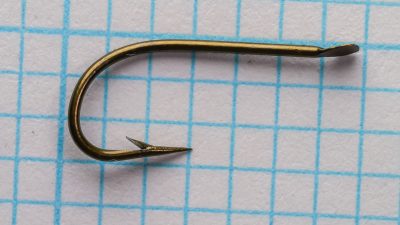
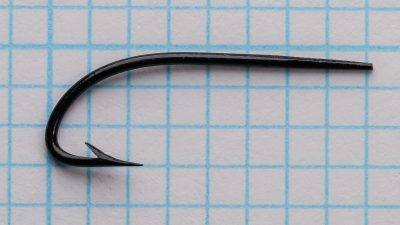
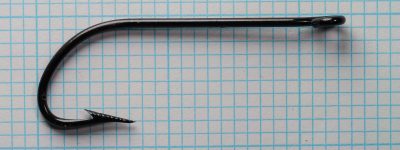
- Fish hooks (This was a major part of their early identity).
2. Expansion and Growth (Late 19th Century)
During the Victorian era, the company grew significantly, benefiting from the global British trade networks.
-
- Reputation: They became known for high-carbon steel hooks and needles that were resistant to breaking.
-
- Location Shift: As production demands grew, the company expanded its footprint. While they started at Victoria Works, they eventually transferred significant portions of their production to Washford Mills. This site became iconic in the local industry.
-
- The Family: The company was a family-run enterprise during this period. The “Sons” in the name were active participants, managing the transition from water-powered grinding to more modern industrial machinery.
3. The 1912 Merger: The End of Independence
The “end” of John James & Sons as a strictly independent, family-owned entity occurred in 1912.
By the early 20th century, competition from Germany and other industrializing nations forced the fiercely competitive Redditch manufacturers to cooperate to survive.
-
- The Merger: In 1912, John James & Sons merged with their local rival, Henry Milward & Sons.
-
- The New Structure: While the companies legally merged, they often kept their distinct brand names because of the strong customer loyalty attached to them. A new board was formed, with C.B. James (from the James family) serving as Chairman, ensuring the family still had influence over the direction of the combined firm.
4. The Entaco Era (1930s)
The Great Depression and the inter-war period forced further consolidation in the industry. The brand “John James” survived, but the corporate structure around it changed completely.
-
- Amalgamation (1930): The merged Milward/James entity joined forces with another giant, Hall’s of Studley. Together, they formed a holding company called Amalgamated Needles and Fish Hooks Limited.
-
- Creation of Entaco (1932): To streamline manufacturing, this group formed a unified operating company called ENTACO (The English Needle and Tishing Tackle Company).
-
- Impact on Hooks: Under Entaco, production was rationalized. Factories that were once rivals now specialized in specific parts of the process. John James branded fish hooks continued to be made, but they were now products of a massive conglomerate rather than a small family factory.
5. The Modern Era: Survival of the Brand
While the company “John James & Sons” effectively ceased to be an independent corporate entity in 1912 (and fully absorbed by 1932), the brand never died.
-
- Shift to Needles: Over the latter half of the 20th century, the global fish hook market shifted heavily toward manufacturing in Norway (Mustad) and later Japan and China. The “John James” brand slowly pivoted to focus almost exclusively on its needle heritage.
-
- Today: The John James brand still exists and is widely considered one of the best needle brands in the world. It is currently owned by Entaco, the same entity formed in the 1930s.