The Mustad 3489 Pacific Bass Hooks represent a mid-tier, mass-produced freshwater bait hook engineered for the North American market during the 1930s–1960s. Manufactured by O. Mustad & Søn in Oslo, Norway, this Quality-class (3000–3999 tier) hook exemplifies the firm’s strategy of regional market segmentation through ‘Pacific’ branding and all-purpose design philosophy. The Superior point geometry delivers balanced penetration and durability suitable for recreational bass and panfish fisheries, while the wide-gap round bend accommodates substantial live bait presentations.
The tinned finish provides reliable corrosion resistance in freshwater and brackish environments, and the simple ringed eye allows for versatile knot applications. This specimen was packed in the original 100-hook cardboard box with the iconic golden-yellow Mustad eight-line label format, featuring the Key Brand trademark and ‘OSLO – NORWAY’ geographic designation. The label’s construction and printing technology confirm mid-twentieth-century production, with peak likelihood c. 1945–1955.
While the Pacific Bass Hooks were produced in high volumes and remain common among collectors, the original packaging, bright tinned finish, and historical documentation of Mustad’s regional marketing strategies provide modest collecting interest. The specimen is most valued by Mustad label researchers, tackle historians interested in commercial bass fishing traditions, and vintage fishing enthusiasts seeking well-preserved examples of post-1925 Norwegian manufacturing.
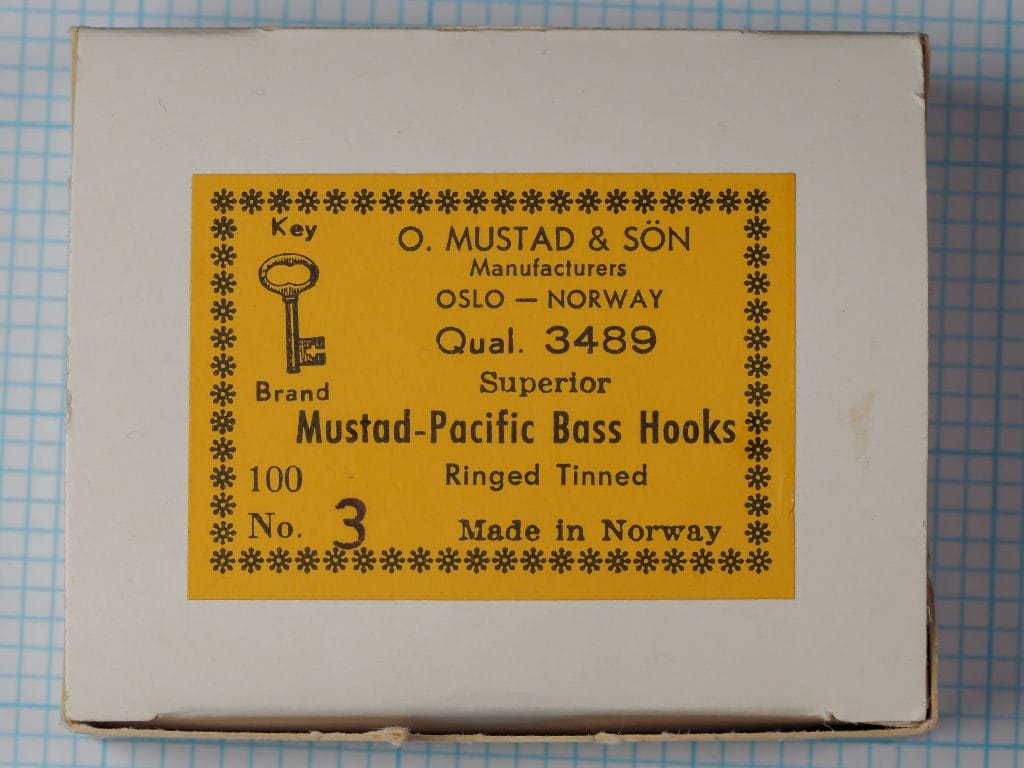
Original Mustad 3489 box label featuring the iconic golden-yellow cardstock with black letterpress eight-line format, Key Brand trademark, and 'OSLO – NORWAY' geographic designation. The label confirms mid-twentieth-century production and regional 'Pacific Bass' marketing strategy.
Photographic record
3 cataloged imagesSelect any record to load it above.
3 images shown
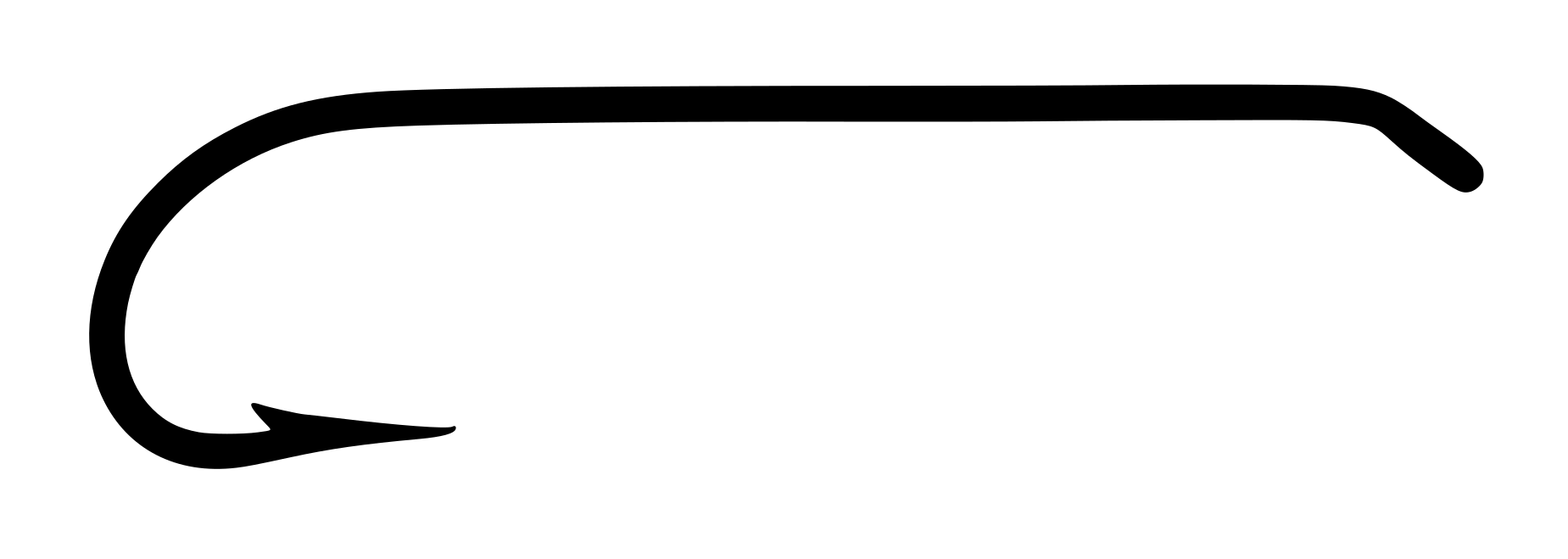
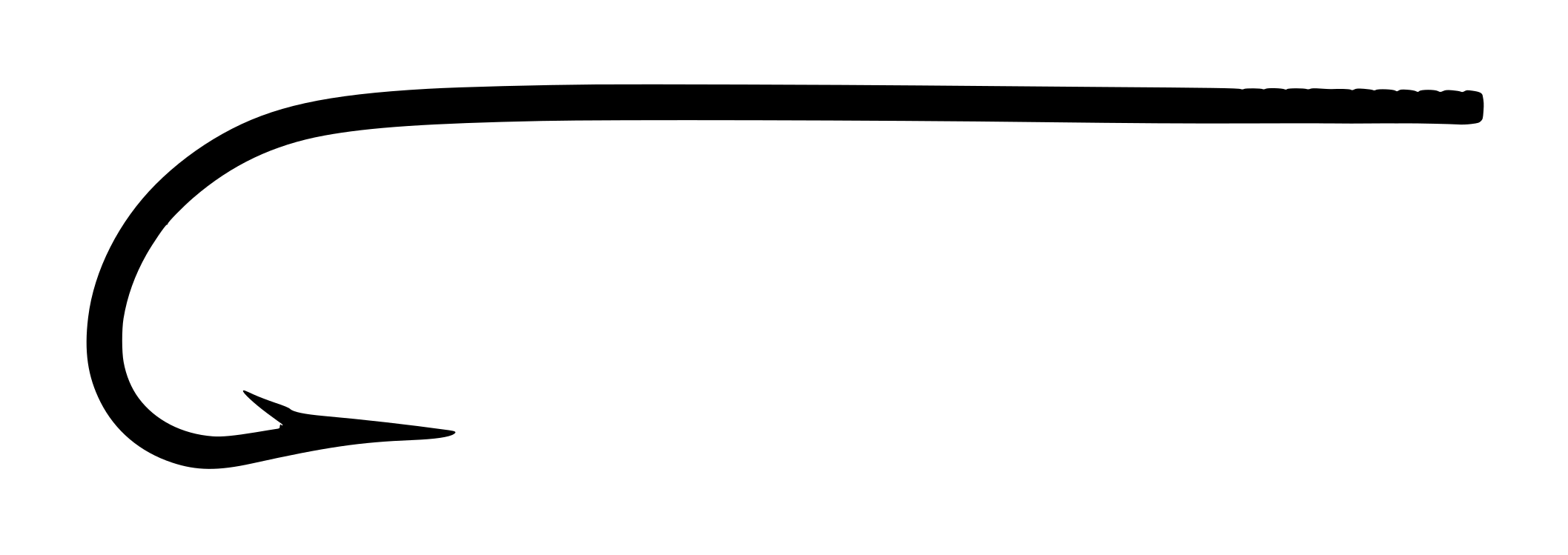
Mustad 3489 Pacific Bass Hooks Box Label Oslo NorwayOriginal Mustad 3489 box label featuring the iconic golden-yellow cardstock with black letterpress eight-line format, Key Brand trademark, and 'OSLO – NORWAY' geographic designation. The label confirms mid-twentieth-century production and regional 'Pacific Bass' marketing strategy.Open originalMustad 3489 Hook Point Detail Tinned SuperiorMagnified detail of the Mustad 3489 Superior point, showing the near-straight inner taper and sharp, clean point geometry characteristic of the Superior point specification. Tinned finish appears bright and uniform.Open originalMustad 3489 Hooks Profile Ringed Eye Round BendFull-profile view of two Mustad 3489 Pacific Bass Hook specimens, size 3, showing the wide-gap round bend, standard shank length, simple ringed ball eye, and overall proportions. Tinned finish is uniform across both examples.Open original
Technical profile
Superior | Mustad – Pacific Bass Hooks | Ringed | Tinned | Made in Norway
Eye
Ball Eye, Straight / InlineSimple ringed eye (ball eye) with uniform circular loop formed by wire bent back onto main shank P. Eye is cleanly formed and symmetrical, characteristic of mass-production mechanization of this era. No tapered wire reduction; eye maintains standard wire gauge throughout formation.
Wire
Extra-Heavy (2X+), Round, Est. ~0.045"-0.050" (~1.14-1.27 mm)
Shank
4X Long — Plain
Bend
carlisle, Standard gap, Offset / kirbedBend profile suggests a standard round bend, intermediate between the parabolic Sproat and the wide round Aberdeen P. Bend curvature is smooth and symmetrical, without the sharp angular character of a Limerick or the extreme depth of a Cincinnati pattern. Gap width places this in the wide category suitable for substantial live baits.
Point
Superior (near-straight inner taper)Barb appears to be a standard, short close-cut type characteristic of Mustad work of this period P. Barb placement is approximately 0.16"–0.20" (4–5 mm) from the point tip, measured vertically. Barb angle suggests approximately 45° backward set, providing secure holding without excessive tissue damage.
Finish
Tinned — Confirmed (stated on packaging)Tinned finish is confirmed by bright silver coloration and characteristic matte-metallic sheen visible in point and shank detail photographs P. Finish appears uniform across both specimens shown, with no corrosion or patina development visible. Tinned surface shows expected minor wear marks consistent with original use and light handling. Cool, bluish-white tone is typical of mid-twentieth-century tin electroplating applied to Mustad hooks.
Two hook specimens shown are in excellent condition. Hooks display bright, unblemished tinned finish with no rust staining or corrosion. Points are sharp and unrolled. Original cardboard packaging shows light toning and minor edge creasing, consistent with age-appropriate storage.
The Superior point geometry employed on the 3489 represents a deliberate engineering compromise optimized for commercial reliability and all-purpose penetration. Unlike the rapid-penetration characteristics of a Hollow Point (which sacrifices durability for delicate tissue entry), or the extreme bone-cutting capability of a Knife Edge Point (which demands aggressive hook-sets), the Superior point provides a near-straight inner taper that concentrates penetration force at the tip while maintaining structural integrity.
The inner face of a Superior point tapers nearly straight from barb to tip, creating minimal geometric deviation and maximum resistance to rolling, dulling, or fracturing upon impact with underwater obstacles, hard bone structures, or rocky substrates. This design allows anglers to employ a broader range of hook-set intensities without risk of point failure. The tinned finish provides exceptional resistance to the corrosive effects of freshwater and brackish environments, critical for hooks destined for bass fisheries in regions with acidic waters or high tannin content.
The standard round wire profile (as opposed to forged construction) was appropriate for this mid-tier market segment. Forging adds cost without proportional benefit for the standard hook-set forces typical of bass and panfish applications. The ringed eye, while less elegant than a tapered eye or looped eye, provides maximum durability and knotting versatility at minimal manufacturing cost—an ideal compromise for commercial distribution.
The ‘Pacific Bass Hooks’ series (Qual. 3489) represents Mustad’s mid-tier product offerings designed for the North American freshwater market, particularly the rapid expansion of recreational bass fishing in the 1930s–1950s. The marketing designation ‘Pacific’ likely reflects Mustad’s strategy of regional nomenclature to appeal to specific geographic markets—in this case, the western and Pacific coastal regions of the United States. The Quality code 3489, placed in the 3000–3999 ‘Quality’ tier, indicates this was a mid-range hook manufactured to exacting dimensional and tempering standards, neither economy nor premium.
This series was never a standalone model but rather one variant within Mustad’s broad portfolio of bass and general bait hooks. The ‘Superior’ point designation on Line 5 indicates an all-purpose, reliable penetration geometry designed for commercial and sport fisheries where consistency and durability were valued over specialized applications. The series likely remained in production throughout the mid-twentieth century, with the present specimen representing production from approximately 1930–1960.
Era and Packaging Dating
Line 3 reads 'OSLO – NORWAY'. Oslo designation indicates post-1925 production (Christiania was renamed to Oslo on January 1, 1925). Quality code structure (3489 in the 3000–3999 'Quality' tier) and eight-line label format are consistent with mid-twentieth-century Mustad export packaging. Absence of barcode (barcodes introduced widely after 1974) confirms pre-1975 manufacture. Letterpress printing and golden-yellow cardstock paper stock are characteristic of 1930–1960 era. No modern manufacturing indicators present. The 'Pacific Bass Hooks' marketing name suggests targeting of North American market during the 1930s–1950s bass-fishing boom, particularly the 'Indiana School' and western regional markets. Conservative estimate places production window at c. 1930–1960, with peak likelihood c. 1945–1955.
The Norwegian Secret: Industrial Espionage and the Mustad Monopoly
The Mustad factory in Gjøvik, Norway maintained such rigorous secrecy around its automated hook-making machinery that rival manufacturers in Redditch, England, and throughout the United States never successfully reverse-engineered the core mechanization. Instead of patents (which would have required public disclosure), Mustad relied on locked factory gates, non-disclosure agreements with employees, and a corporate culture of operational discretion that persisted well into the late twentieth century. This strategy proved devastatingly effective: by the 1950s, the company had captured approximately 50 percent of global hook production, and the word 'Mustad' had become virtually synonymous with 'fishing hook' itself—a remarkable achievement for a remote Norwegian manufacturer.
Design lineage and influence
The Pacific Bass Hooks design lineage can be traced to two broader traditions: the regional American Cincinnati Bass Hook pattern (a wide-gape round bend specifically engineered for large live baits and powerful freshwater species) and the more universal Mustad philosophy of producing ‘cloned’ regional patterns at industrial scale. The wide-gap round bend geometry represents a middle ground between the extreme depth and width of a Cincinnati-style hook and the more moderate gape of a standard Sproat or Aberdeen.
Competing designs of the same era included the South Bend Bass Hook (South Bend Bait & Tackle Company), the Shakespeare-Pflueger Bass Hook series, and various regional blacksmith patterns that Mustad was actively attempting to displace through superior manufacturing efficiency and global distribution networks. The tinned finish and ringed eye were standard features across all major manufacturers by the 1930s, representing the industry baseline for saltwater and freshwater bait hooks.
The Superior point geometry eventually evolved into modern chemically-sharpened Mustad points, though the underlying design principle—a near-straight, durable inner taper optimized for all-purpose reliability—remains consistent across seven decades of development.
Best matchRelated by Attribute
Computed automatically from catalog data — updated as new hooks are added.
Matches: Bend, Shank, Wire, Eye, Point +6 moreDiffers: Gap: Standard vs Narrow; Eye Orient.: Straight / Inline vs Turned Down; Shank ratio: 74.8% vs 84.8% +1 more
Matches: Bend, Shank, Eye, Point, Forging +4 moreDiffers: Wire: Extra-Heavy (2X+) vs Heavy (1X Heavy); Gap: Standard vs Narrow; Eye Orient.: Straight / Inline vs Turned Down +3 more
Matches: Bend, Wire, Gap, Eye, Point +3 moreDiffers: Shank: 4X Long vs Extra-Extra Long; Eye Orient.: Straight / Inline vs Turned Down; Finish: Tinned vs Nickelled +4 more
Matches: Bend, Shank, Eye, Eye Orient., Point +5 moreDiffers: Wire: Extra-Heavy (2X+) vs Fine (1X Fine); Gap: Standard vs Narrow; Finish: Tinned vs Bronzed +2 more
Matches: Bend, Gap, Eye, Eye Orient., Point +4 moreDiffers: Shank: 4X Long vs Extra-Extra Long; Wire: Extra-Heavy (2X+) vs Heavy (1X Heavy); Finish: Tinned vs Nickelled +3 more
The Mustad 3489 Pacific Bass Hook was engineered as a general-purpose freshwater bait hook, particularly for bass and other panfish species where standard, reliable hook-up ratios were prioritized over specialized applications. The wide gap accommodates substantial live bait presentations, while the standard shank length provides balance between line protection and natural bait movement. The Superior point geometry delivers all-purpose durability with excellent penetration characteristics suitable for both aggressive and cautious strikes.
Secondary Applications
Pike, catfish, general freshwater bait fishing where a ringed eye and tinned finish provide reliable corrosion resistance.
Classic Fly Patterns
Not typically used for fly tying.
Modern Equivalents
Hook
Match Quality
Notes
Mustad 3906B
Moderate
Modern Sproat bend wet fly hook; similar mid-tier quality tier but different application. Shares tinned finish and eight-line label heritage.
Owner Cultiva BC Hook
Good
Modern bass/bait hook with superior point and wide gap. Similar penetration and durability characteristics; tinned or chemically-sharpened finish.
Gamakatsu Octopus Hook
Moderate
Contemporary general-purpose bait hook; lacks the historical regional marketing but shares wide-gap, all-purpose design philosophy.
Collector notes
The Mustad 3489 Pacific Bass Hooks represents a common, mid-tier commercial product with modest collector interest. While the vintage eight-line label format and Oslo-era dating appeal to Mustad specialists, the large production volumes and widespread survival of examples limit scarcity. Primary appeal derives from labeling system documentation and historic market positioning rather than rarity.
Reference value
$8 – $18 USD estimate
Packaging format
GW-YEL-001Catalog code
Positive Factors: The eight-line vintage label format and ‘OSLO – NORWAY’ geographic designation make this specimen valuable for Mustad label research and dating methodology. The ‘Pacific’ regional marketing name documents Mustad’s strategy of geographic segmentation in North American markets during the 1930s–1950s. The Superior point and tinned finish are well-documented in Mustad historical catalogs. Surviving original packaging in good condition significantly enhances collector value. The specimen represents a transition period between early hand-craft traditions and fully mechanized industrial production.
Limiting Factors: Quality code 3489 was produced in high volumes for commercial and sport markets, resulting in abundant surviving examples. The design lacks specialized features or extreme rarity that drive premium pricing. No notable designer attribution or signature pattern association exists. The ‘Pacific Bass Hooks’ designation, while regionally interesting, was not a flagship product line. Post-1930 manufacturing places this solidly in the ‘mid-twentieth-century’ category rather than antique territory. Condition of the specimen, while excellent, is not exceptional.
Packaging
Bright golden-yellow cardboard box label with printed decorative border of asterisk symbols. Standard Mustad eight-line label format with Key Brand trademark (downward-pointing skeleton key) in upper left corner. Text layout: Line 1: 'O. MUSTAD & SON' | Line 2: 'Manufacturers' | Line 3: 'OSLO – NORWAY' | Line 4: 'Qual. 3489' | Line 5: 'Superior' | Line 6: 'Mustad-Pacific Bass Hooks' | Line 7-8: 'Ringed Tinned / Made in Norway' | Bottom corner: '100 No. 3'. Printed in black letterpress on cardstock. No barcode present. Box shows light toning and minor edge wear consistent with mid-twentieth-century storage.
Market Value Notes
Original cards of 100 Mustad 3489 hooks in good condition typically sell for $8–18 USD on eBay and specialist tackle sites, reflecting the common availability and modest collector demand. Individual hook specimens extracted from original cards command minimal value ($0.10–0.25 each). Premium pricing (upper range) applies when original packaging is mint, labels are bright and unfaded, and all 100 hooks remain on card. Tinned finish condition is a secondary value factor; however, minor patina is not strongly penalized by collectors as it documents age-appropriate aging. Regional demand is highest on the U.S. Pacific Coast, where 'Pacific Bass' marketing has local historical significance.
Where to Find
eBay (frequent listings of original cards), specialty vintage tackle dealers in the Pacific Northwest United States, online Mustad reference communities, tackle and fishing-heritage fairs in New England and northern Europe.
Preservation
Storage and Preservation
Store original packaging in a cool, dry environment away from direct sunlight and sources of humidity. The bright golden-yellow cardstock label is susceptible to fading if exposed to prolonged UV light; display boxes or filing cabinets are preferable to open shelf storage. Tinned hooks are highly resistant to corrosion, but avoid contact with other ferrous metals or copper alloys that could induce galvanic corrosion over decades. Keep hooks on the original card rather than transferring them loose to containers; the card provides structural support and documents the original commercial presentation.
Inspect the package periodically for signs of insect activity or moisture infiltration. If the label shows foxing (brown toning spots) or light mold, do not attempt to wash or bleach—this will damage the printing. Light surface dust can be gently removed with a soft brush or compressed air. If the tinned finish develops any rust spotting (extremely rare but possible if stored in damp conditions), the hook can be gently cleaned with a soft cloth and minimal handling; do not use steel wool or aggressive scouring pads. The original 100-hook card format is a significant part of the artifact’s historical value; preserve it intact whenever possible.
Primary Source
Decoding the Eight-Line Label
Source: Mustad eight-line labeling system analysis, c. 1920–1970
The Mustad 3489 label exemplifies the standardized eight-line typographic system used by O. Mustad & Søn from the late nineteenth century through the 1960s. Each line serves a specific, non-negotiable function in the industrial classification schema. Line 1 (‘O. MUSTAD & SON’) establishes ultimate corporate authority and brand ownership. Line 2 (‘Manufacturers’) differentiates Mustad from regional distributors and import agents who frequently repackaged hooks under secondary brand names. Line 3 (‘OSLO – NORWAY’) provides geographic origin and serves as a critical dating tool; ‘OSLO’ designation confirms post-1925 manufacture (the Norwegian capital was renamed from Christiania on January 1, 1925). Line 4 (‘Qual. 3489’) specifies the quality code—a numeric tier system in which 3000–3999 represents ‘Quality’ (mid-tier) products. Line 5 (‘Superior’) is the most strictly regulated line, reserved exclusively for point geometry or grade. Line 6 (‘Mustad-Pacific Bass Hooks’) identifies the overarching bend pattern and regional marketing name. Lines 7 & 8 (‘Ringed Tinned / Made in Norway’) specify eye type, metallurgical finish, and origin confirmation.
The absence of any barcode or modern SKU system confirms pre-1974 manufacture. The bright golden-yellow cardstock and black letterpress printing are characteristic of 1930–1960 production. The four-point asterisk border motif is a signature design element of mid-century Mustad export boxes, particularly for North American distribution.
Size Note
Understanding Vintage Hook Sizing: No. 3 in the Mustad System
The designation ‘No. 3’ on the Mustad 3489 label refers to hook size (not model number; that is the Quality code 3489). Vintage Mustad sizing, particularly in regional bait hooks like the Cincinnati and Pacific Bass patterns, often utilized scaling metrics that differ significantly from modern, standardized fly hook gape measurements. The size numbering system for bait and bass hooks progressed from small (typically No. 14–16 for panfish) through medium (No. 8–10 for general bait) to large (No. 1–4 for pike, catfish, and bass), and then continued into the ‘aught’ scale for truly large hooks (1/0, 2/0, 3/0, etc.).
Measured physical specifications of this specimen: Overall length 1.94″ (49.28 mm), gap width 0.44″ (11.18 mm), shank length approximately 1.42″–1.48″ (36–38 mm). For context, a modern size No. 3 fly hook (e.g., Mustad 3906B) would be approximately 0.65″–0.75″ (16–19 mm) overall length—dramatically smaller. The vintage ‘No. 3’ bass hook is actually comparable in absolute size to a modern size 1/0 or 2/0 hook. This reflects the radically different sizing philosophy: vintage bait hooks were scaled for the bait size and target species, not for standardized gape measurements. Collectors and tyers accustomed to modern sizing systems should note this significant offset when cross-referencing vintage Mustad catalogs.
Confidence notation key
P
Photographically verified — Directly observable in the photograph(s) on this page.
V
Verified by documentation — Confirmed by manufacturer catalog, spec sheet, or published reference.
I
Inferred — A logical deduction from observable or documented evidence, not directly stated.
E
Estimated — An approximation based on visual comparison, proportional analysis, or limited data.
S
Speculative — A reasoned hypothesis that cannot be confirmed from available evidence.
Unnotated claims are the compiler’s synthesis; see Sources. All photographs on garrenwood.com are taken on a measurement grid where each square equals 1/10 inch (0.1″ / 2.54 mm).