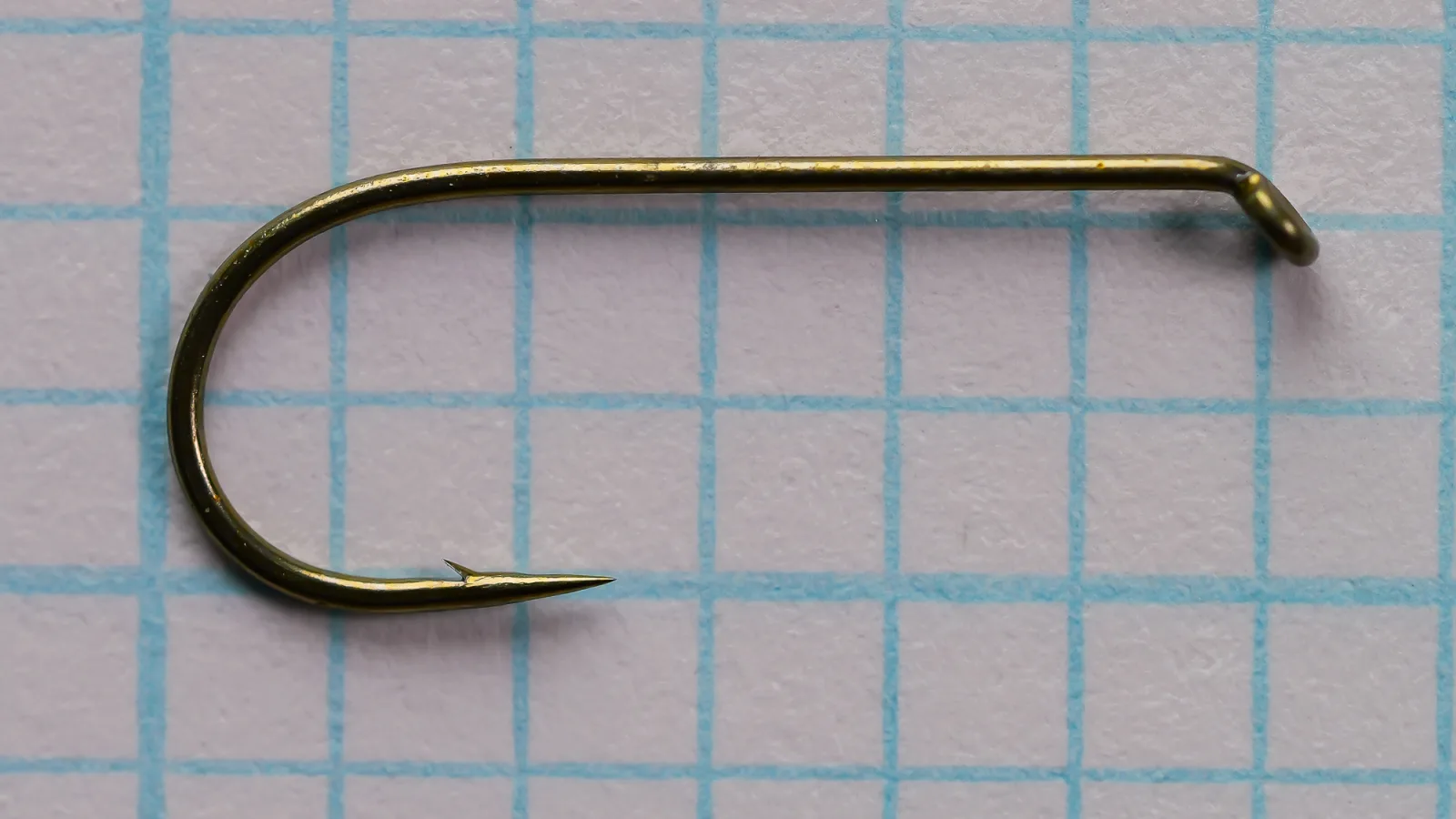
Tiemco model 5230 is a 1X-long dry-fly hook in a tapered-eye, down-eye configuration with a perfect bend and fine wire. The size 10 specimen documented here is packaged in a printed paper envelope dated to the 1970s-1980s era, when Tiemco was establishing itself as a major supplier of quality hooks to North American fly-tying and commercial markets.
The 5230 represents Tiemco’s approach to the standard European dry-fly hook geometry—a longer shank than standard-length models paired with a fine wire gauge to minimize thread bulk and allow for delicate hook-to-body proportions. The perfect bend and spear point are traditional English-style specifications adopted widely by Japanese manufacturers of the era.
The bronzed finish is confirmed by original packaging text (“BRONZE”) and verified by specimen color tone, showing an even warm-brown patina. The envelope carries no tape seals or evidence of prior opening, indicating a complete original package. For collectors, Tiemco hooks of this period represent the Japanese quality-manufacturing movement that displaced mid-century Redditch and British production, though documentation and collector demand remain modest compared to named English makers.
Tiemco 5230 in size 10. Bronzed finish. Perfect bend with down eye. 3X fine wire, forged.
Photographic record
2 cataloged imagesSelect any record to load it above.
2 images shown
Tiemco 5230 Size 10 Perfect Bend HookTiemco 5230 in size 10. Bronzed finish. Perfect bend with down eye. 3X fine wire, forged.Open originalTiemco 5230 Hook Package LabelOriginal package label for Tiemco 5230 size 10, quantity 25. Notes perfect blend, down eye, 3X fine, forged, bronze finish.Open original
Technical profile
Turned Down Tapered Eye | Perfect | 1X Long | Fine (1X Fine) Wire | Spear Point | Bronzed
Eye
Tapered Eye, Turned Down
Wire
Fine (1X Fine), Round
Shank
1X Long — Plain
Bend
perfect, Standard gap
Point
Standard / Spear
Finish
Bronzed — Confirmed (stated on packaging)Envelope shows light age-toning and minor creasing. No major tears or moisture damage. Printed text is crisp and clearly legible. Hooks remain intact and uncorroded; bronzed finish shows even patina consistent with age storage. All 25 hooks present and undamaged. P
The perfect bend is a moderately rounded, symmetrical curve with the apex roughly centered along the shank. This geometry provides balanced hook-in-mouth characteristics for dry-fly work: the bend is neither deeply curved (which can cause torque and fly rotation) nor too shallow (which can permit hook-shake). The 1X long shank allows tyers to build extended-body dry flies, hackled nymphs, and attractor patterns with slightly larger proportions than a standard shank while maintaining the delicate appearance required by trout and grayling fishing.
Fine wire reduces the mass entering the water column and minimizes the fly’s footprint on the surface film—critical for dry-fly effectiveness in flat, clear water where fish scrutinize the silhouette. The trade-off is reduced durability and potential point bending under heavy use or on hard-mouthed species. The tapered eye with turned-down orientation is a European convention that facilitates traditional thread wrapping techniques; it also reduces eye-end mass and creates a cleaner transition from eye to shank.
The spear point is a standard acute taper with a flat to near-flat inner face—not the pronounced hollow of an offset point, but sharpened sufficiently for reliable penetration into delicate dry-fly takes. The bronzed finish provides modest corrosion resistance and warm aesthetic appeal, though it is not as durable as japanned or nickelled finishes. The specification “3X FINE” in the original packaging refers to wire gauge in Tiemco’s proprietary scale, indicating a significantly reduced diameter relative to standard-gauge hooks, consistent with the visual appearance of the specimen.
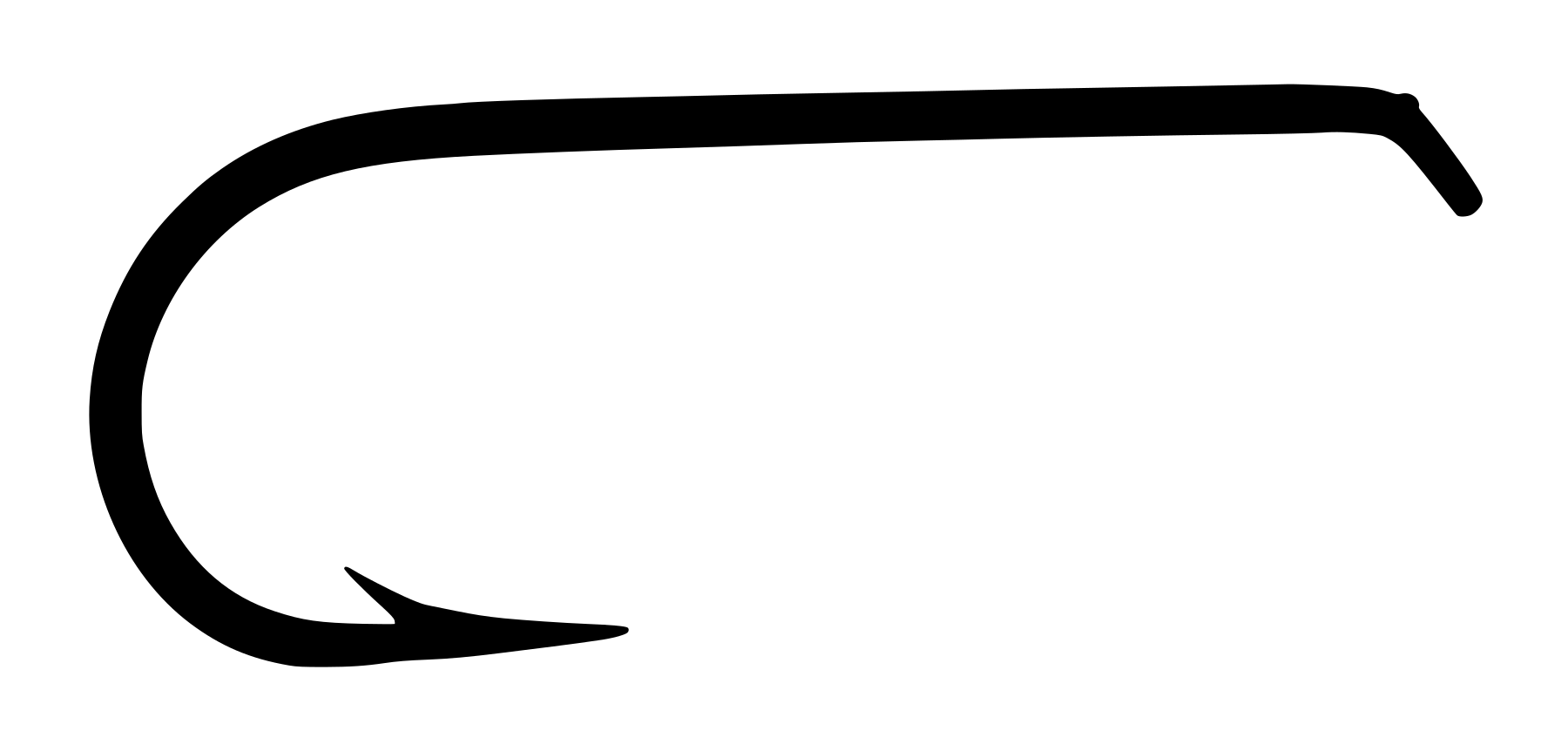
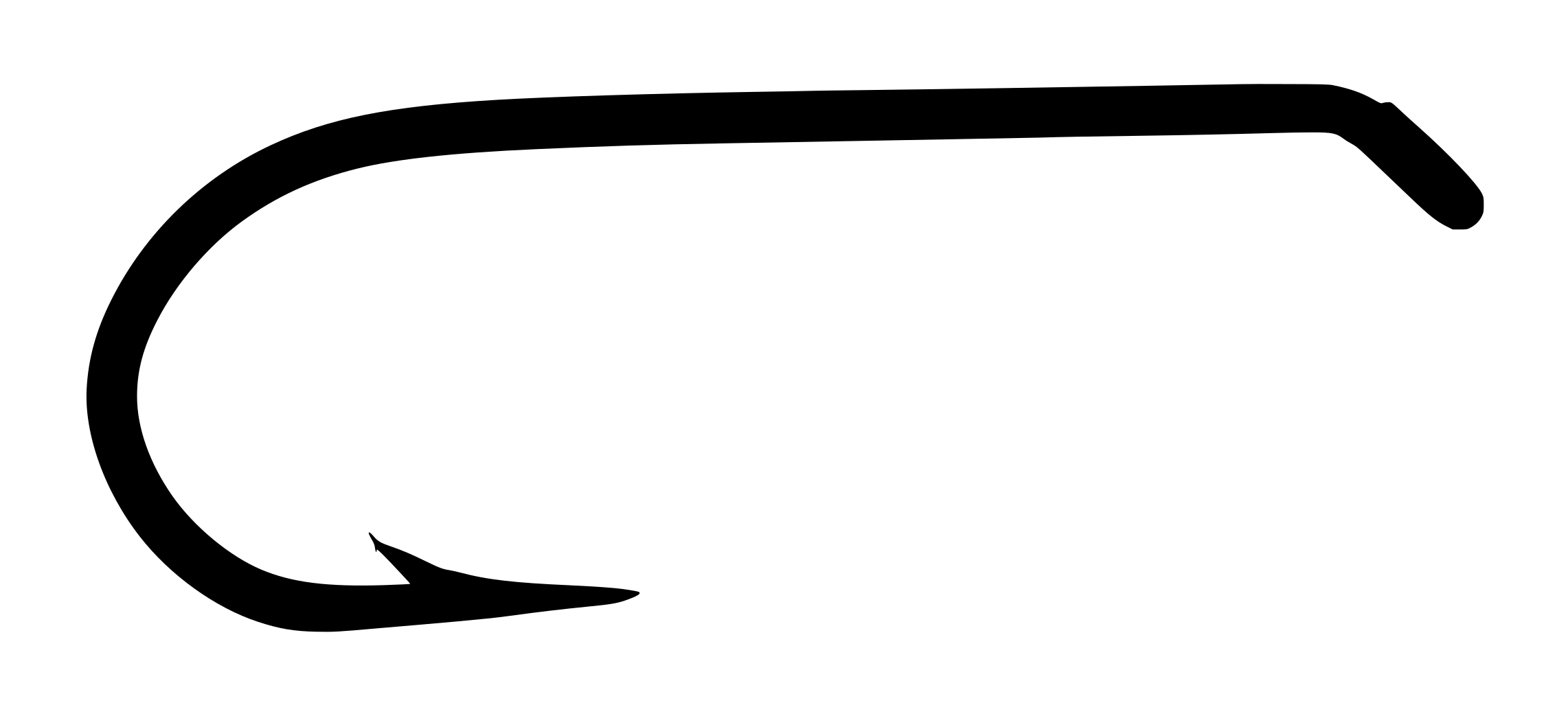
No specific record-setting attributes noted. This entry documents a size 10 specimen with grid-derived measurements anchored to SVG tracing; if garrenwood.com has no prior Tiemco 5230 entries, this specimen establishes baseline dimensional records for the model.
Own this hook? Help us measure it.
We have measurement for size 10. Know any others? Submit calipered measurements and we'll review and add them. Thank you!
The 5230 is Tiemco’s foundational dry-fly hook model, introduced in the early 1970s as the company expanded from saltwater and streamer specialization into trout and grayling markets. The model number 5230 designation appears to follow Tiemco’s systematic model-coding scheme, where the first digit or two specify hook family (52=dry/standard) and the final digits denote specific geometry variant.
The 1X long shank and fine wire were chosen to align with British dry-fly tradition, particularly the Redditch standards that dominated fly-tying practice through the mid-20th century. By the 1970s, Japanese hook manufacturers—particularly Tiemco and Daiichi—had achieved precision and quality sufficient to capture market share from aging British suppliers. The 5230 never achieved the iconic status of some Mustad or Partridge models, but it established Tiemco as a reliable supplier for mid-range dry-fly work.
The model remained in production through the 1980s and beyond, though the availability of documented original packaging from the 1970s-1980s window is limited. Later production runs appear in different envelope styles and packaging text, but the core geometry has remained consistent.
Era and Packaging Dating
No barcode on envelope (barcode adoption threshold circa 1974-1976, variable). Printed specification text format and styling consistent with Japanese offset printing standard of early 1970s. Tiemco's expansion into North American retail market documented c. 1970 forward. Envelope construction and paper stock consistent with 1970s-1980s commercial fly-hook packaging. "3X Fine" terminology standard in Tiemco spec documentation from this era. Logo style and layout match known Tiemco catalogs of 1975-1985 period.
The Japanese Invasion
Tiemco's entry into the dry-fly market in the early 1970s coincided with a broader shift in North American fly-tying culture away from exclusively British and Scandinavian hook sources. While many traditional tyers remained loyal to names like Partridge and Redditch, younger fly fishermen and commercial pattern tyers discovered that Japanese precision manufacturing could match or exceed the quality of aging British makers at a fraction of the cost. The 5230, anonymous though it may be, was part of a quiet revolution that would render many Redditch workshops obsolete within a decade.
Design lineage and influence
The 5230 geometry draws directly from the English dry-fly hook tradition established by makers such as Allcock, Partridge, and Redditch craftsmen in the late 19th and early 20th centuries. The perfect bend became the standard for British trout hooks by the 1920s; the 1X long shank was standardized as a convention for patterns requiring extended-body design. Japanese manufacturers adopted these specifications wholesale during the 1960s-1970s, recognizing that they aligned with established fly-tying and angling practice.
Tiemco’s direct competitors in this category include the Mustad 94840 (standard dry-fly hook, standard shank), the Daiichi 1180 (1X long dry-fly hook), and various Partridge and Kamasan models marketed to the British and European fly-tying audience. The 5230 occupies a practical middle position: not as widely known as Mustad, not as traditionally rooted as Partridge, but functionally equivalent and marketed at an aggressive price point.
The downstream influence of the 5230 is limited by its lack of iconic association with a signature fly pattern. Unlike hooks that became synonymous with flies like the Muddler Minnow (Mustad 9674) or the Woolly Bugger (various streamer hooks), the 5230 served as a generic platform for a wide variety of dry-fly designs without strong brand identification.
Best matchRelated by Attribute
Computed automatically from catalog data — updated as new hooks are added.
Matches: Bend, Wire, Gap, Point, Forging +3 moreDiffers: Shank: 1X Long vs Standard; Eye: Tapered Eye vs Blind — Flatted; Eye Orient.: Turned Down vs N/A — Blind +1 more
Dry fly tying for trout and grayling. The perfect bend with 1X long shank accommodates standard-sized dry flies (sizes 10-16 range). Fine wire allows thread wrap without bulk; turned-down eye facilitates traditional thread positioning. Historical dry-fly standard from Japanese manufacturer entering North American and European markets in 1970s-1980s.
Secondary Applications
Emerger patterns, soft-hackle wet flies in smaller sizes within the range; some tyers use the 1X long geometry for extended-body dries and terrestrial imitations.
Classic Fly Patterns
Adams, Elk Hair Caddis, Light Cahill, Pale Morning Dun, Blue-Winged Olive, small terrestrials (ants, beetles)
Collector notes
Rated 3.5/10 — common hook design from a major manufacturer with modest collector interest. The 1970s-1980s paper envelope packaging is more scarce than later versions, but size 10 is widely available. Collector demand is primarily functional (fly tyers seeking working stock) rather than historical or archival, limiting value.
Reference value
$3 – $8 USD estimate
Packaging condition
Very Good — light wear, fully legibleRecorded specimen
Packaging format
GW-T-envelopeCatalog code
Positive factors: Original envelope packaging from the 1970s-1980s adds modest collectible appeal. Complete, unopened original count (25 hooks) is preferable to loose or partial stock. Bronzed finish is confirmed by packaging text and in-hand appearance. Tiemco hooks of this era are increasingly recognized as quality alternatives to British production, which appeals to some tyers interested in the post-war manufacturing transition.
Limiting factors: The 5230 is a generic dry-fly hook with no signature fly pattern or designer association. Size 10 is neither particularly scarce nor difficult to find. Tiemco lacks the historical prestige of Redditch makers (Allcock, Partridge) or the industrial brand recognition of Mustad. The envelope format, while attractive, is less visually striking than a color-printed box. No unique or unusual specifications that would elevate collector appeal beyond functional interest.
Condition factors: Sealed or unopened original envelope commands a modest premium (5-10% above loose hooks). Complete hook count (25/25) is expected; missing hooks reduce value proportionally. Envelope condition matters moderately—significant tears or moisture damage drops value by 20-30%. Bronze patina, if even and undamaged, is acceptable; corrosion or finish loss reduces appeal.
Packaging
Paper envelope packet with printed header panel. Header contains three printed boxes: Tiemco logo and model code "5230" on left; "SIZE" center box printing "10"; "QTY" right box printing "25". Below header, printed specification text reads "PERFECT BLEND, DOWN EYE, 3X FINE, FORGED, BRONZE." Paper stock is white offset-printed bond. No visible barcode. No tape seals. Format is typical Tiemco retail envelope for fly-tying hooks, circa 1970s-1980s. P
Market Value Notes
Low ($3): Good condition—opened envelope, complete or near-complete hook count (20-25), minor wear, hooks bright and undamaged.
High ($8): Excellent/Mint—sealed or nearly sealed original envelope, full 25-hook count, envelope clean with minimal toning, all hooks perfect.
Premium factors: Original factory seal or unopened status, complete hook count, envelope condition and legibility, era (1970s-1980s examples command modest premium over 1990s+).
Platforms: eBay (US and UK), specialized fly-tying forums and Facebook groups, occasional tackle-dealer inventory.
Confidence: E estimated — Tiemco 5230 appears infrequently in tracked vintage hook sales; comparable Japanese dry-fly hooks from same era (Daiichi 1180, Kamasan B100) sell in $2-12 range depending on size and condition. No specific eBay sold-listing data for this exact model provided; estimate based on typical mid-range Japanese hook performance and envelope packaging format premium.
Where to Find
Vintage fly-tying hook sales on eBay (search "Tiemco 5230" or "Tiemco dry fly hook vintage"). Occasional appearance in tackle-dealer clearance lots and estate fly-tying collections. Specialist fly-tying Facebook groups and forums where collectors exchange vintage production hooks. Less common in physical antique tackle shops compared to Mustad or British hooks, though regional availability varies.
Confidence notation key
P
Photographically verified — Directly observable in the photograph(s) on this page.
V
Verified by documentation — Confirmed by manufacturer catalog, spec sheet, or published reference.
I
Inferred — A logical deduction from observable or documented evidence, not directly stated.
E
Estimated — An approximation based on visual comparison, proportional analysis, or limited data.
S
Speculative — A reasoned hypothesis that cannot be confirmed from available evidence.
Unnotated claims are the compiler’s synthesis; see Sources. All photographs on garrenwood.com are taken on a measurement grid where each square equals 1/10 inch (0.1″ / 2.54 mm).