5Pattern history and manufacturer context
Series
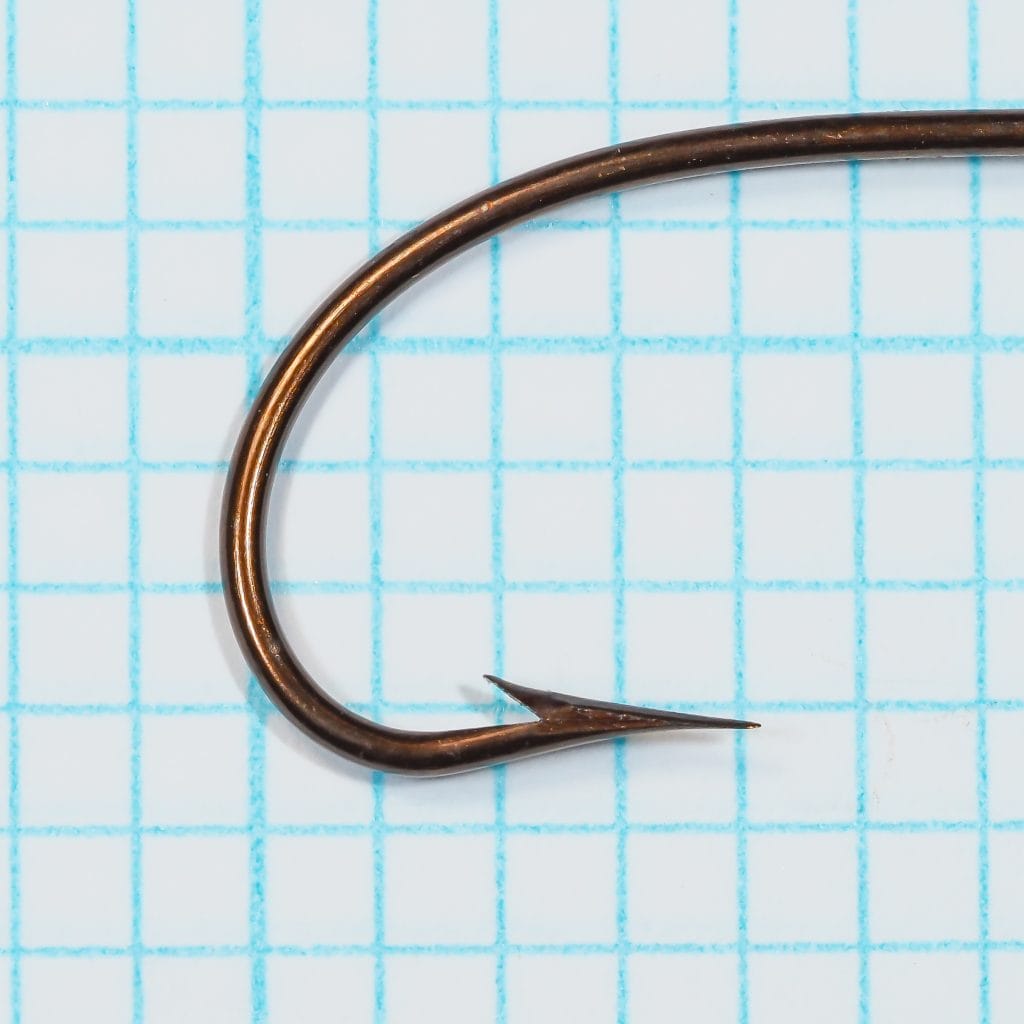
The surviving packet documents Qual. 3369 A as a Mustad-Sproat hook. Its printed specifications are a large ring, bronzed finish, Superior point, and a shank ¼ inch longer than regular V.
Design lineage
The packet identifies the bend family as Sproat V. It does not name a designer or state an earlier parent pattern.
Dating
The surviving packet is marked OSLO — NORWAY. An exact production range is not established by the dated evidence presently recorded.
Designer
William Henry Sproat (exact dates unknown, active circa 1850s–1870s in Scottish angling circles) modified the earlier Limerick hook bend to create what became known as the Sproat pattern. The Sproat introduced a parabolic curve that sat mathematically between the sharply angular Limerick and the rounded Aberdeen, providing superior load distribution and fatigue resistance. While Sproat’s original design predated Mustad’s industrialization, the Norwegian manufacturer recognized the pattern’s mechanical superiority and made it the foundation of their general-purpose hook line. The Sproat pattern became so dominant in twentieth-century fly fishing that it is often taken as a universal standard against which other bends are compared.
7Collecting and buying
5 / 10CollectabilityRarity: Uncommon
Mid-twentieth-century Mustad Sproat variant with distinctive long shank and large ring eye. Scarce in original packaging, with modest collector interest driven by the Sproat pattern's foundational importance in fishing history and the hook's utility for modern streamer tying.
Positive Factors: This is an original red-card Mustad package from the 1950s–60s era, the golden age of Mustad’s global export dominance. The Sproat pattern is historically significant as one of the most widely adopted hook designs of the twentieth century. The specific long-shank, large-ring variant shows manufacturing specialization that reflected Mustad’s ‘cloning’ strategy of regional patterns. The ‘Superior’ designation on the label adds to the appeal for documentation-focused collectors. Excellent condition packaging with original 100-hook contents intact.
Limiting Factors: Size No. 1 is larger and less versatile than smaller bait and streamer sizes, limiting appeal to modern tyers who favor sizes 2–8. Sproat hooks remain in production under modern Mustad numbers, reducing rarity perception. The ‘Long Shank 1/4 Inch’ variant is less commonly encountered than standard Qual. 3366 or 3906B wet flies, but not exceptionally scarce. Market demand is primarily among vintage tackle collectors and fly-tying historians rather than contemporary fishing communities.
Market value
Insufficient recorded sales data to estimate a reliable value.
0 sold observations recorded; 2 are needed, with the basis and date of the range, before a value is shown. Asking prices are shown as asking prices only.
Typical asking price for unopened original packaging on eBay: $18–$28. Priced higher ($28–$35) if all 100 hooks are documented present and fishing condition verified. Mint condition card with hand-written provenance or notable collection history commands $30–$40. Loose hooks from broken cards: $0.15–$0.30 per piece. Value driven primarily by packaging condition and original seal integrity; loose hooks are considered commodity items.
Where to find
eBay listings (search: Mustad 3369A, Mustad Sproat vintage, Mustad red card packaging). Specialist vintage tackle dealers online and at regional fishing tackle shows. Estate liquidations and antique fishing tackle auctions. Less commonly found in local antique shops unless proprietor has fishing tackle knowledge.