
Hook Glossary
53 terms in 7 sections
Eyes
- Ball eye
- An eye made by turning the end of the wire into a closed round loop of even thickness. Older labels often call a hook with this eye "ringed".Also: Ringed eye
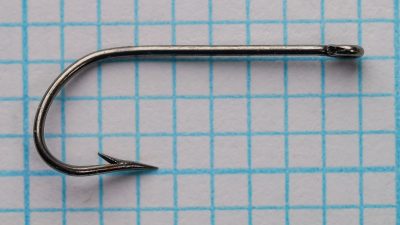


 See all 335 hooks →
- Blind (eyeless) hook
- A hook with no eye. The end of the shank is flattened, tapered, knobbed, or marked (scored) so that a snell or a gut loop can be whipped on securely.Also: Flatted shank, Marked shank
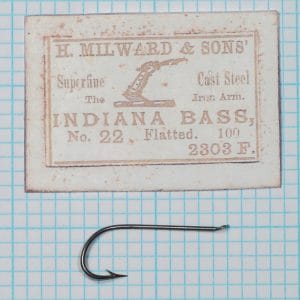


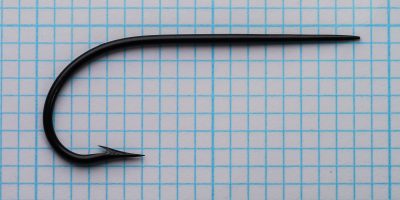
 See all 146 hooks →
- Brazed eye
- A turned eye whose closed end is brazed to the shank, so the eye cannot open under strain.


 3 hooks in the catalog
- Eye
- The end of the shank the line or leader is tied to. How it is formed and which way it points are recorded separately.See Ball eye, Turned-down eye
- Jig eye
- An eye bent at 60 or 90 degrees to the shank so the hook can be moulded into a jig head.


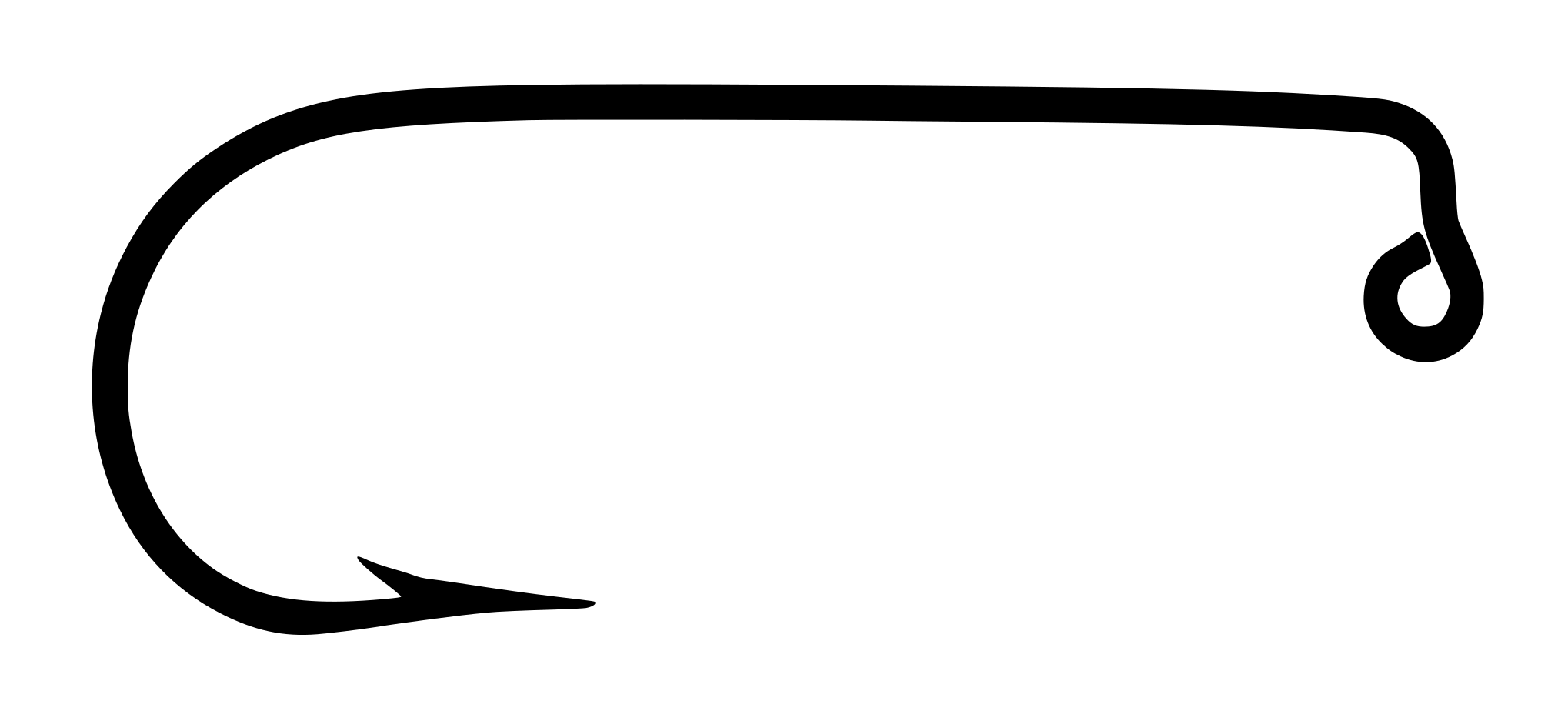
 See all 21 hooks →
- Looped eye
- An eye formed by turning the wire back along the shank, leaving a doubled loop. Common on salmon hooks and some doubles.


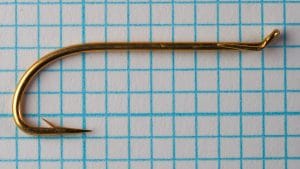
 See all 62 hooks →
- Needle eye
- An eye made by flattening and piercing the end of the shank, like a sewing needle, rather than by bending the wire into a loop.


 See all 5 hooks →
- Straight eye
- An eye in line with the shank, neither turned up nor down.Also: Ringed, In-line eye
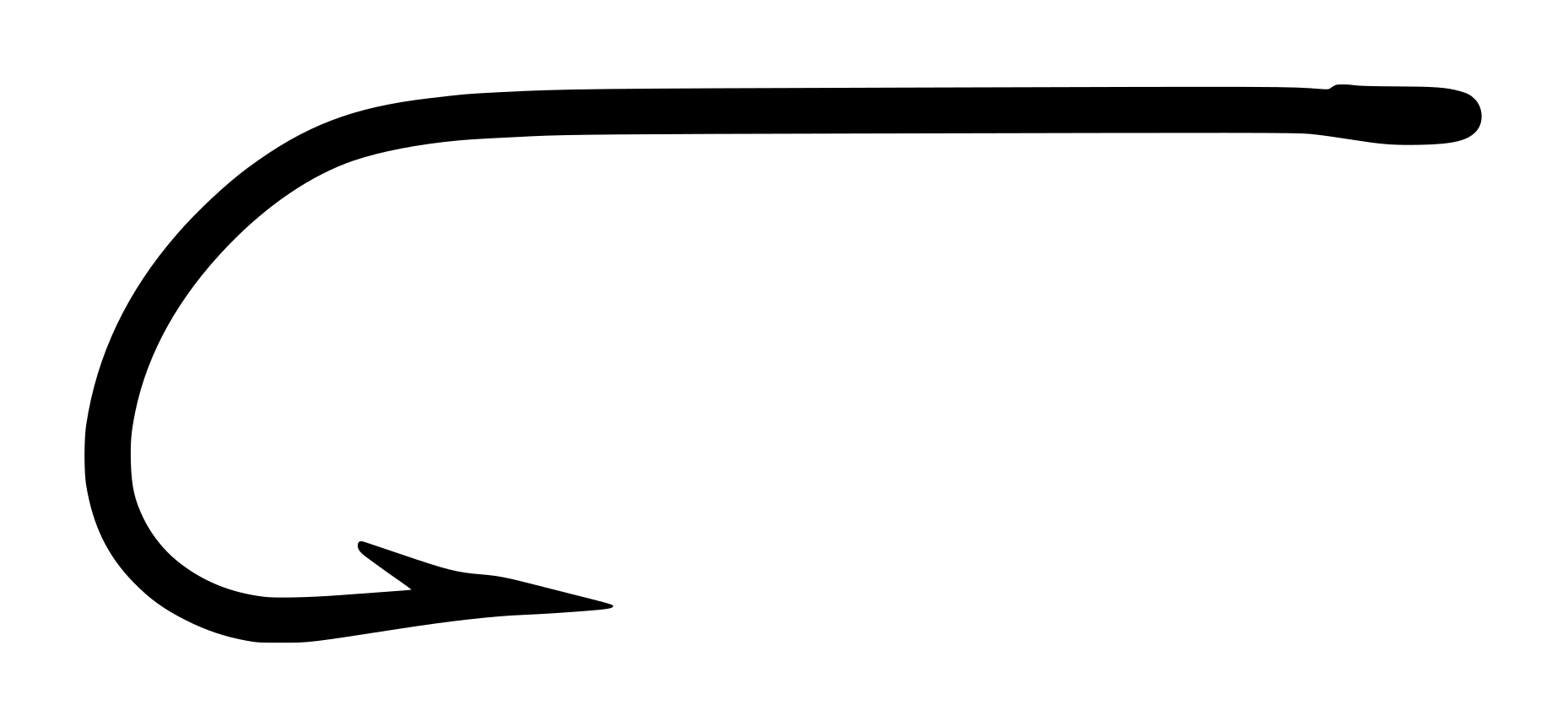
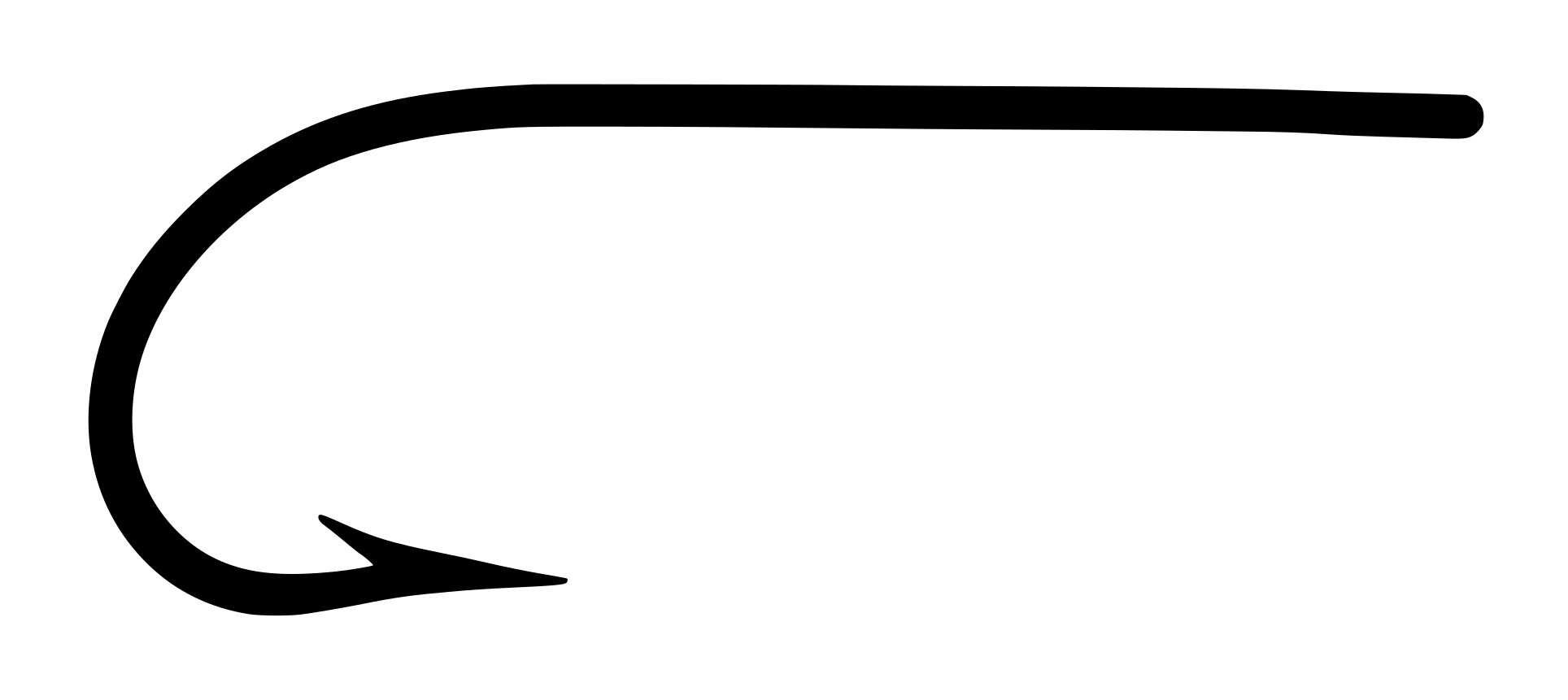

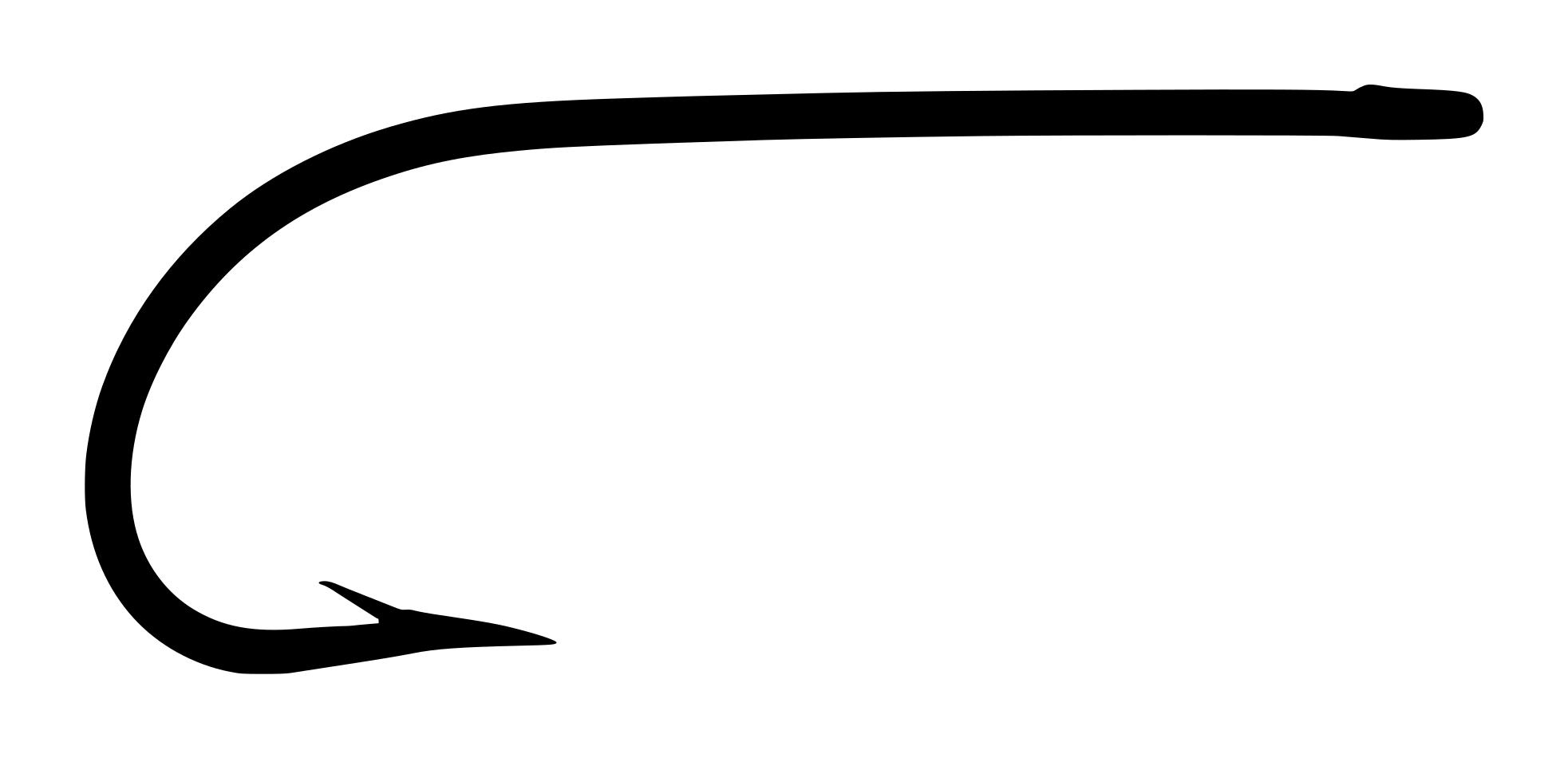
 See all 271 hooks →
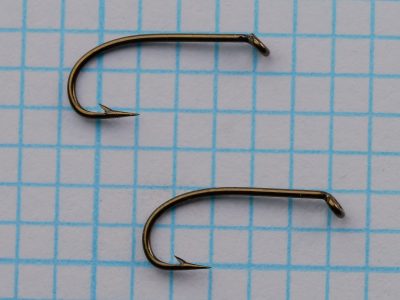
- Tapered eye
- An eye whose wire is ground thinner before it is turned, so the finished eye is smaller and lighter than a ball eye of the same wire.


 See all 255 hooks →
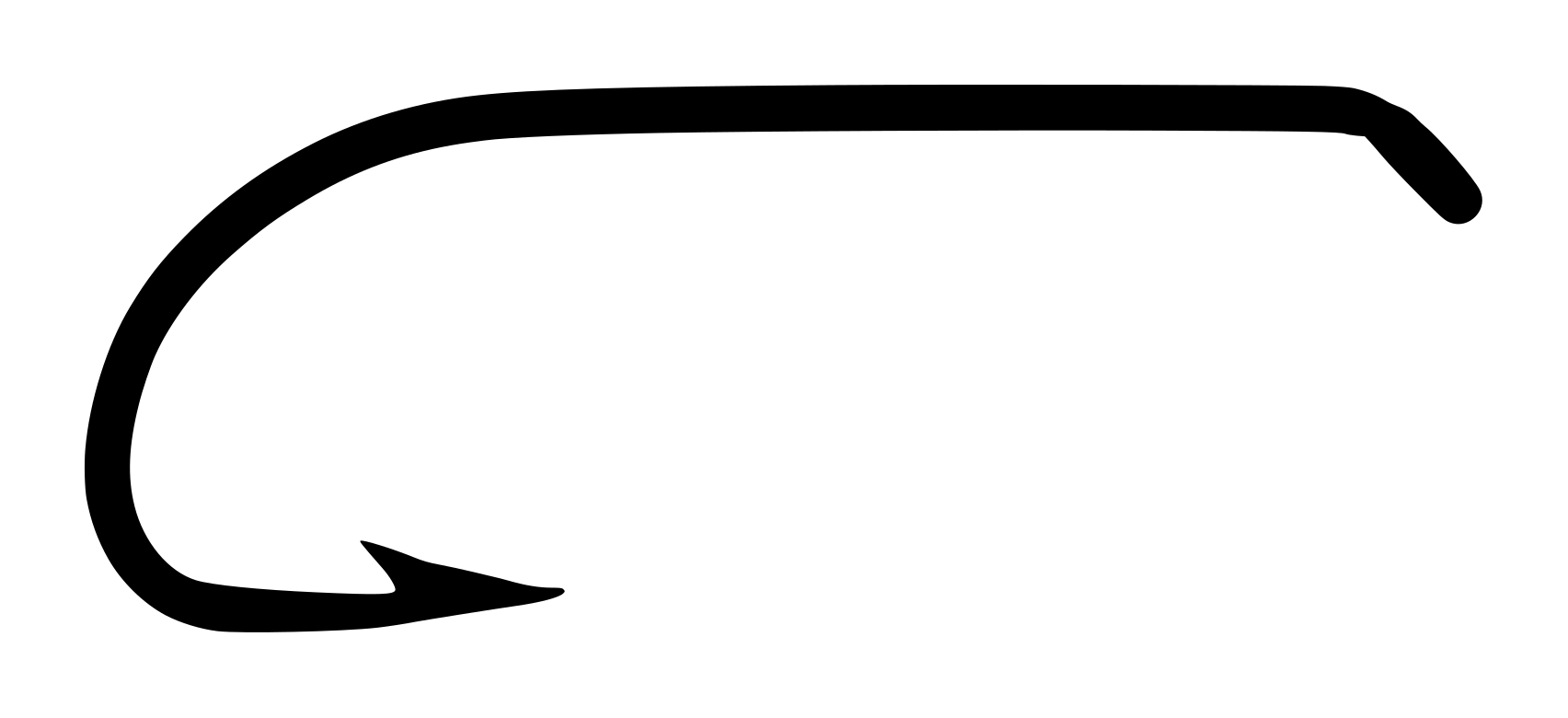
- Turned-down eye
- An eye bent below the line of the shank. Abbreviated TDE on packets.Also: TDE


 See all 337 hooks →
- Turned-up eye
- An eye bent above the line of the shank. Abbreviated TUE on packets.Also: TUE


 See all 115 hooks →
Bends
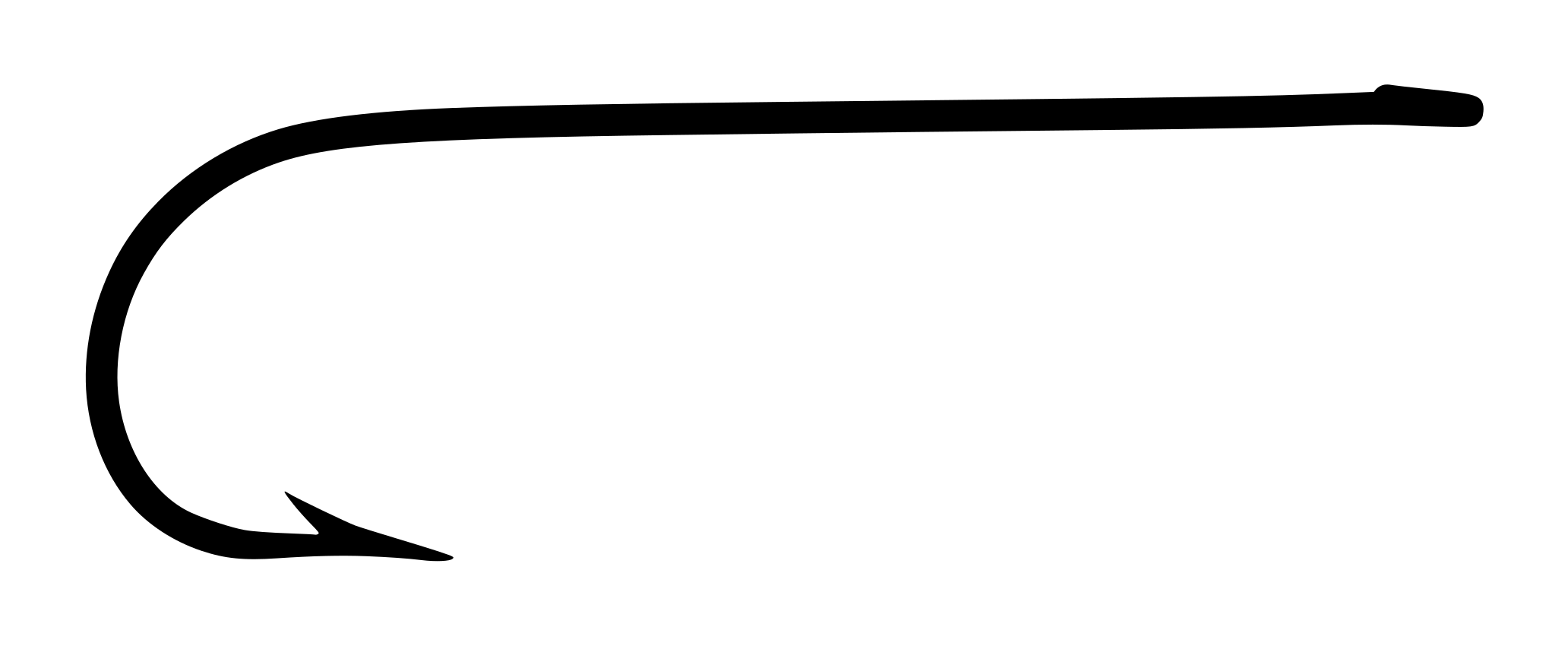
- Aberdeen bend
- A round bend with a wide gap and a long, straight point, usually on light wire.


 See all 40 hooks →
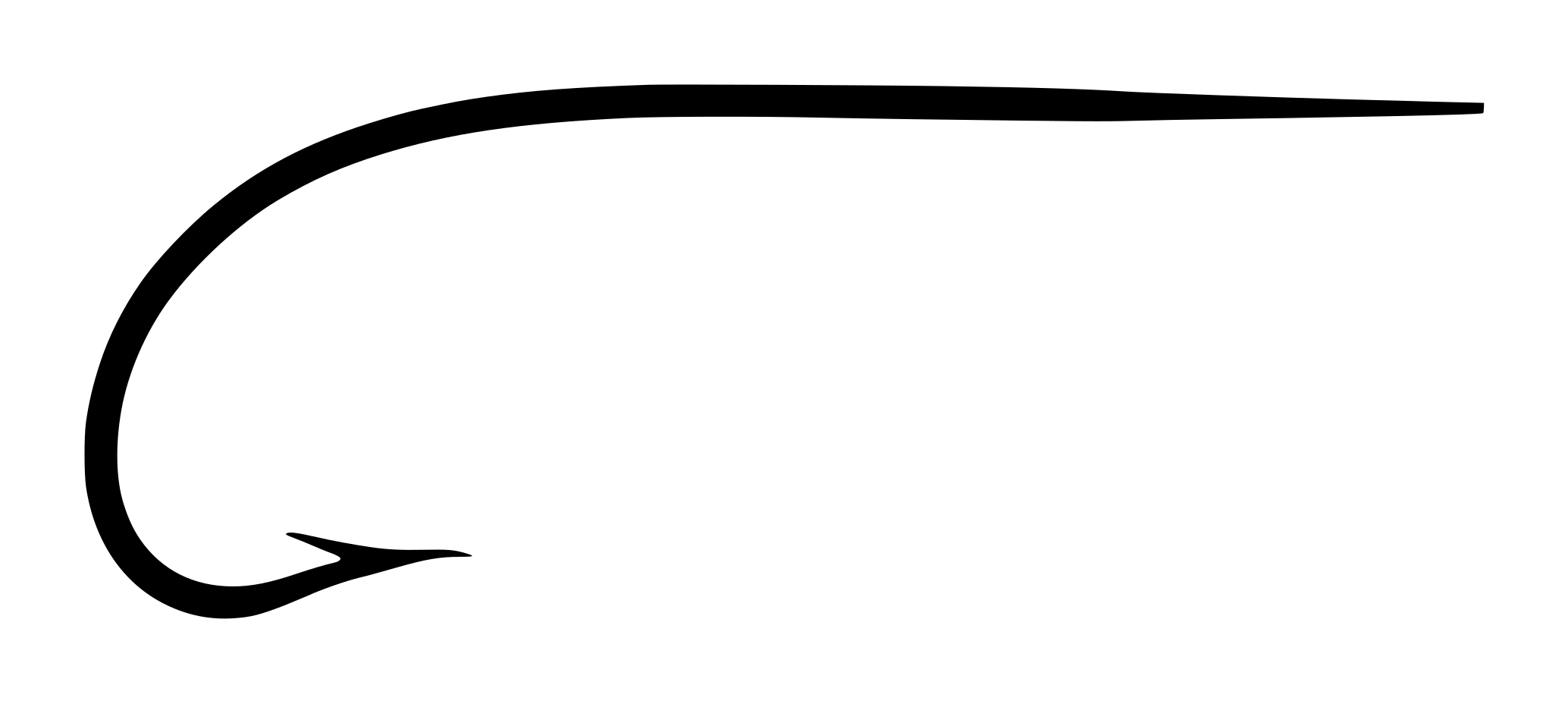
- Bartleet bend
- A salmon-hook bend with a long, sweeping curve, named after the Redditch hook makers Bartleet.


 4 hooks in the catalog
- Beak bend
- A bend whose point turns in toward the shank, like a bird’s beak.Also: Reversed point


 See all 69 hooks →
- Bend
- The curve between the shank and the point. Its shape gives a hook most of its family name.
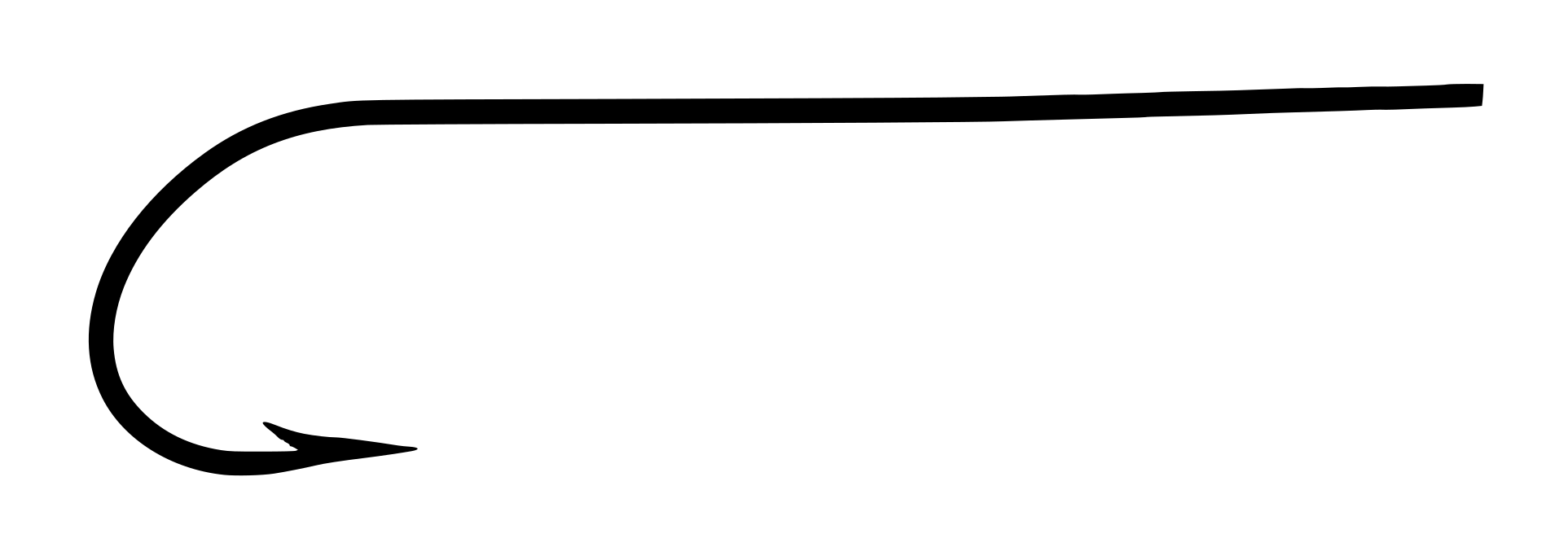
- Carlisle bend
- A long-shanked pattern with a wide, gradual bend and an offset point.


 See all 48 hooks →
- Crystal bend
- A bend that is round at the bottom but turns up into the point at a sharp angle close to the point.


 3 hooks in the catalog
- Dublin bend
- A Limerick-family bend with a more open curve, historically tied to Irish trout and salmon hooks.


 See all 10 hooks →
- Gap
- The distance between the point and the shank, measured at right angles to the shank. Also called the gape. Recorded as narrow, standard, or wide against hooks of the same size.Also: GapeNarrow, Standard, and Wide, on one bend and shank
 NarrowOrvis 4x TUE Supreme Dry Fly Hook91 hooks →
 StandardMustad Hooks – 9485655 hooks →
 WideMustad Hooks – 38943162 hooks →
- Kirby bend
- A round bend with the point offset to one side of the shank (kirbed).See Kirbed and reversed


 See all 46 hooks →
- Limerick bend
- A bend that is flattened at the bottom and turns up sharply into the point, so the widest part of the curve sits toward the point rather than the shank.


 See all 106 hooks →
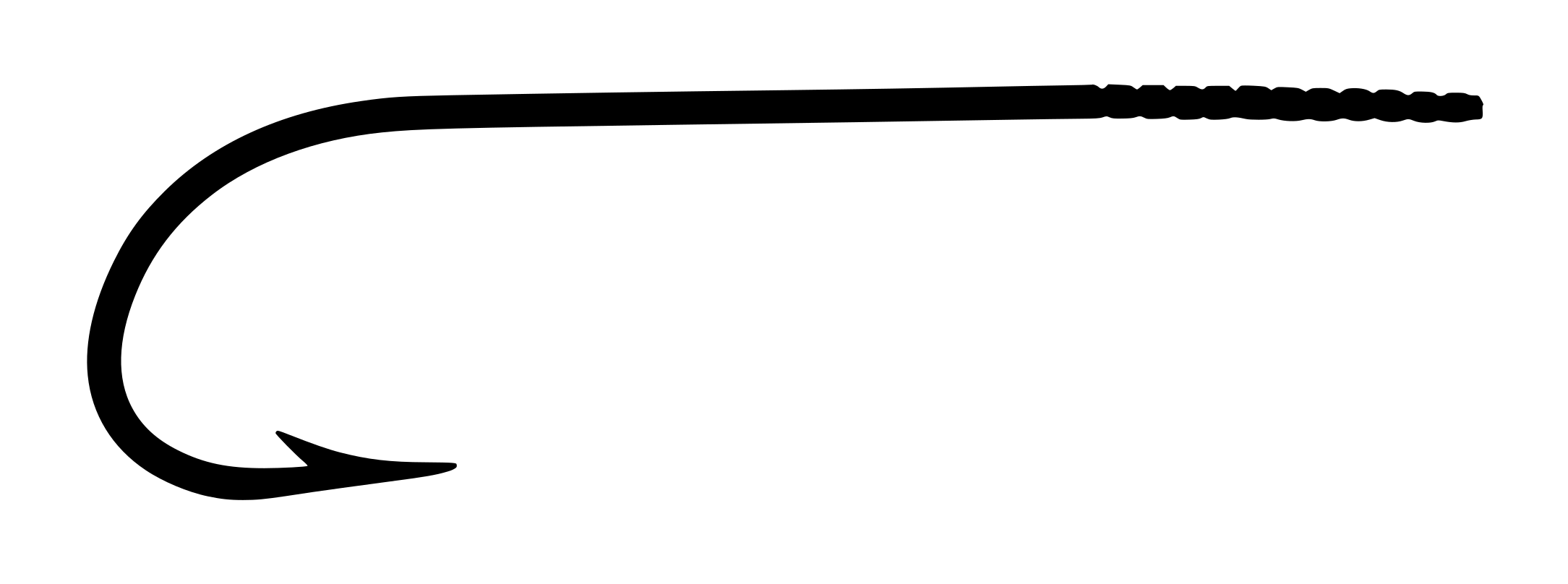
- New York bend
- A bend name used in American trade catalogues; makers applied it to more than one shape, so check the silhouette rather than the name.


 4 hooks in the catalog
- O'Shaughnessy bend
- A strong bend on heavy, often forged wire, with the point turned slightly outward. A traditional sea and bait pattern.


 See all 67 hooks →
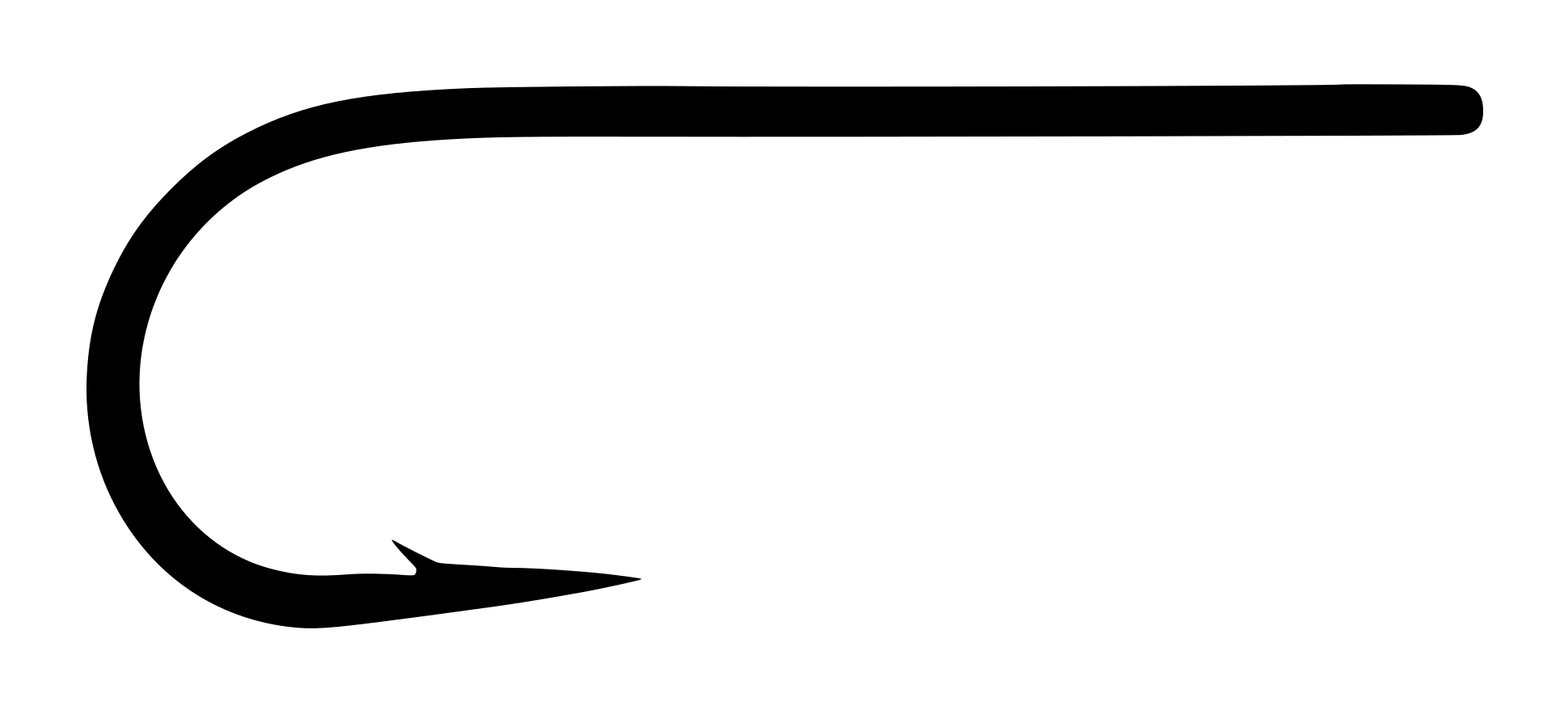
- Perfect (Model Perfect) bend
- A true round bend: the curve is an even half-circle from the shank to the point.Also: Model Perfect


 See all 17 hooks →
- Round / Kendal bend
- A round bend. Kendal is the traditional English name for it.


 See all 175 hooks →
- Sneck bend
- A bend with near-square corners: the wire turns sharply down from the shank and sharply up into the point, with a straight section between.


 See all 28 hooks →
- Sproat bend
- A parabolic bend: gentler on the shank side and tighter where it turns up into a straight point.


 See all 144 hooks →
- Viking bend
- A strong round bend with the point set parallel to the shank, used on bait and sea hooks.


 See all 32 hooks →
Points and barbs
- Barb
- The backward-facing spur cut behind the point that keeps a fish from slipping off.
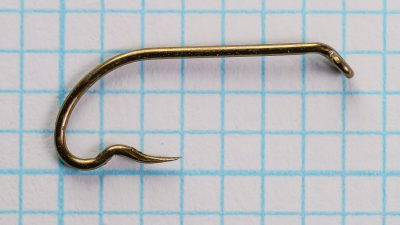
- Barbless
- Made without a barb. A hook with a barb pressed flat is recorded as barbed.



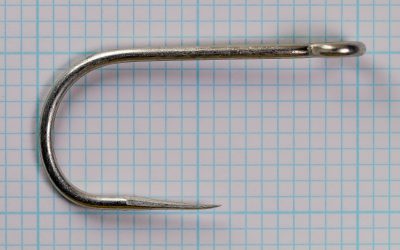 See all 73 hooks →
- Hollow point
- A point whose inner face is ground concave from the barb to the tip, making it thin and quick to penetrate.

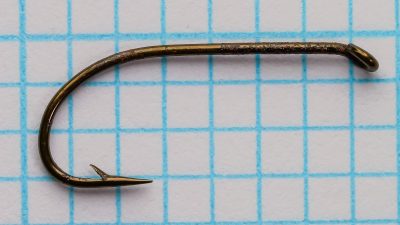
 See all 282 hooks →
- Kirbed and reversed
- A point offset to one side of the shank. Kirbed and reversed name the two directions; either way the point does not sit in line with the shank.Also: Offset pointSee all 186 hooks →
- Needle point
- A round point that tapers evenly to the tip, like a needle, with no ground faces.


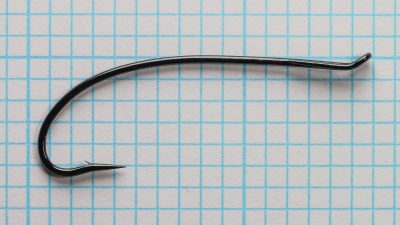

 See all 52 hooks →
- Spear point
- The standard point: straight, with its sides ground to a spear shape above the barb.Also: Standard point

 See all 306 hooks →
- Superior point
- A point style named in Mustad’s catalogues. On this site "Superior" always means the point, never a product line.


 See all 197 hooks →
Shank and wire
- Forged
- Wire flattened sideways at the bend, which makes the hook stiffer without heavier wire. Visible as a flat face when the bend is seen from the side.
 See all 229 hooks →
- Shank
- The straight length of wire from the eye to the start of the bend.
- X fine
- Wire thinner than standard for the size. 1X fine means the wire of a standard hook one size smaller.


 See all 227 hooks →
- X heavy (X strong)
- Wire thicker than standard for the size. 1X heavy means the wire of a standard hook one size larger.Also: X strong

 See all 299 hooks →
- X long (1X, 2X, 3X…)
- A shank longer than standard for the size. 1X long means the shank is as long as the standard shank of the next size up; 2X long, two sizes up; and so on.
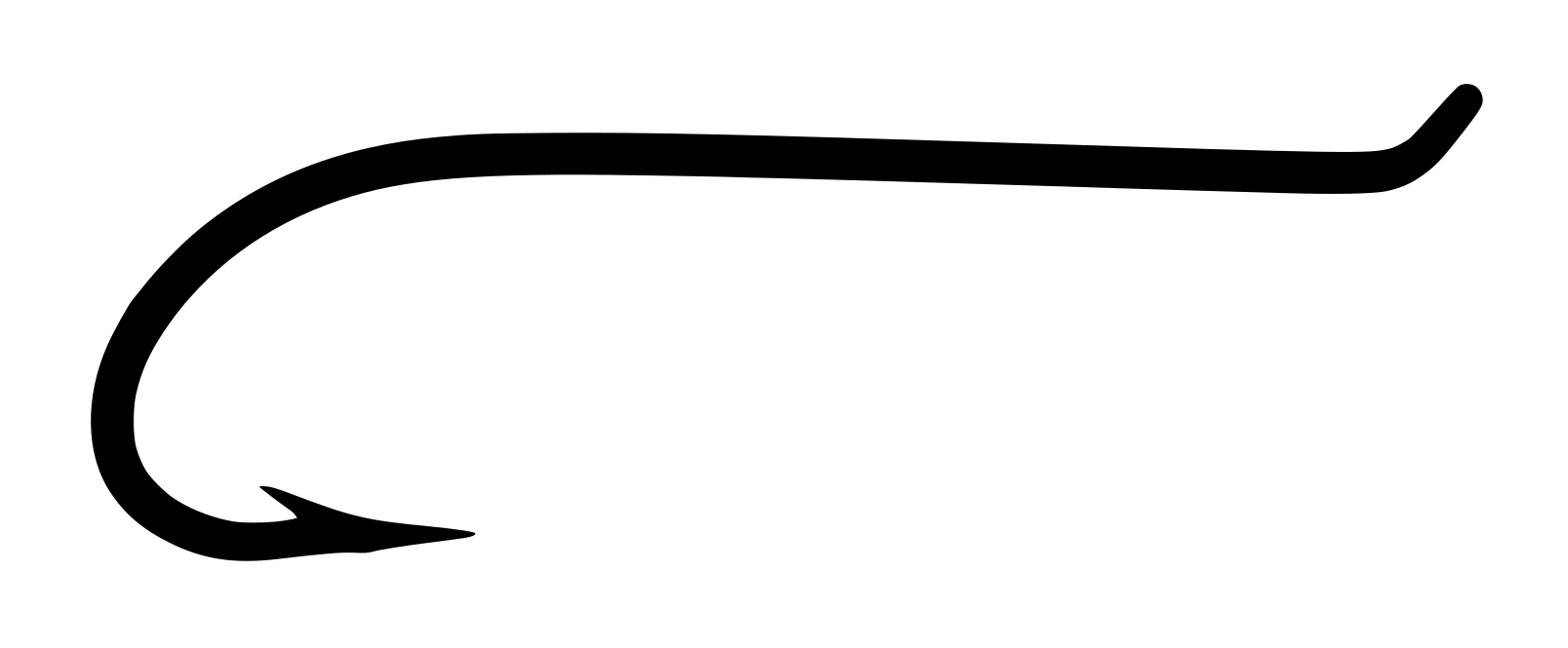

 See all 428 hooks →
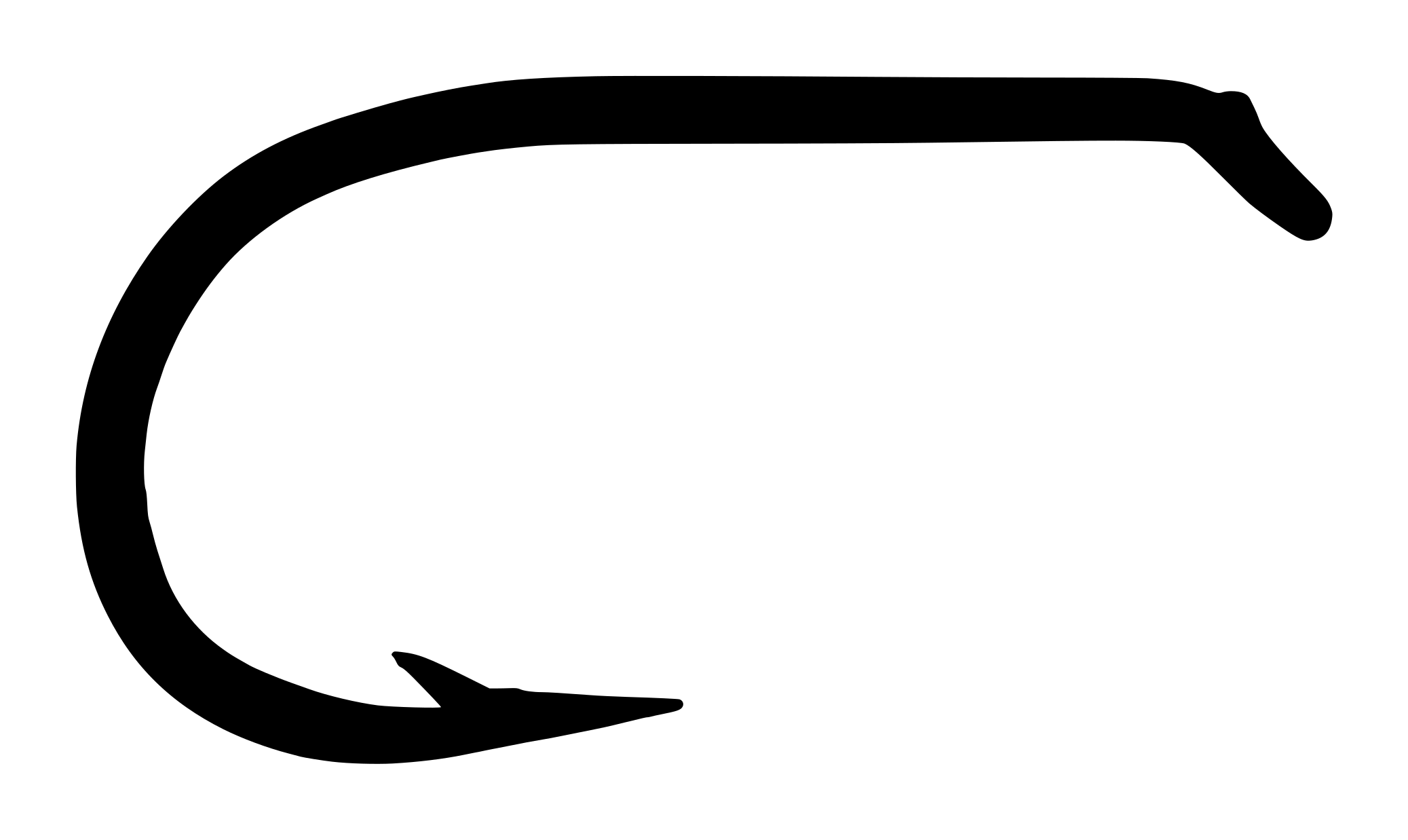
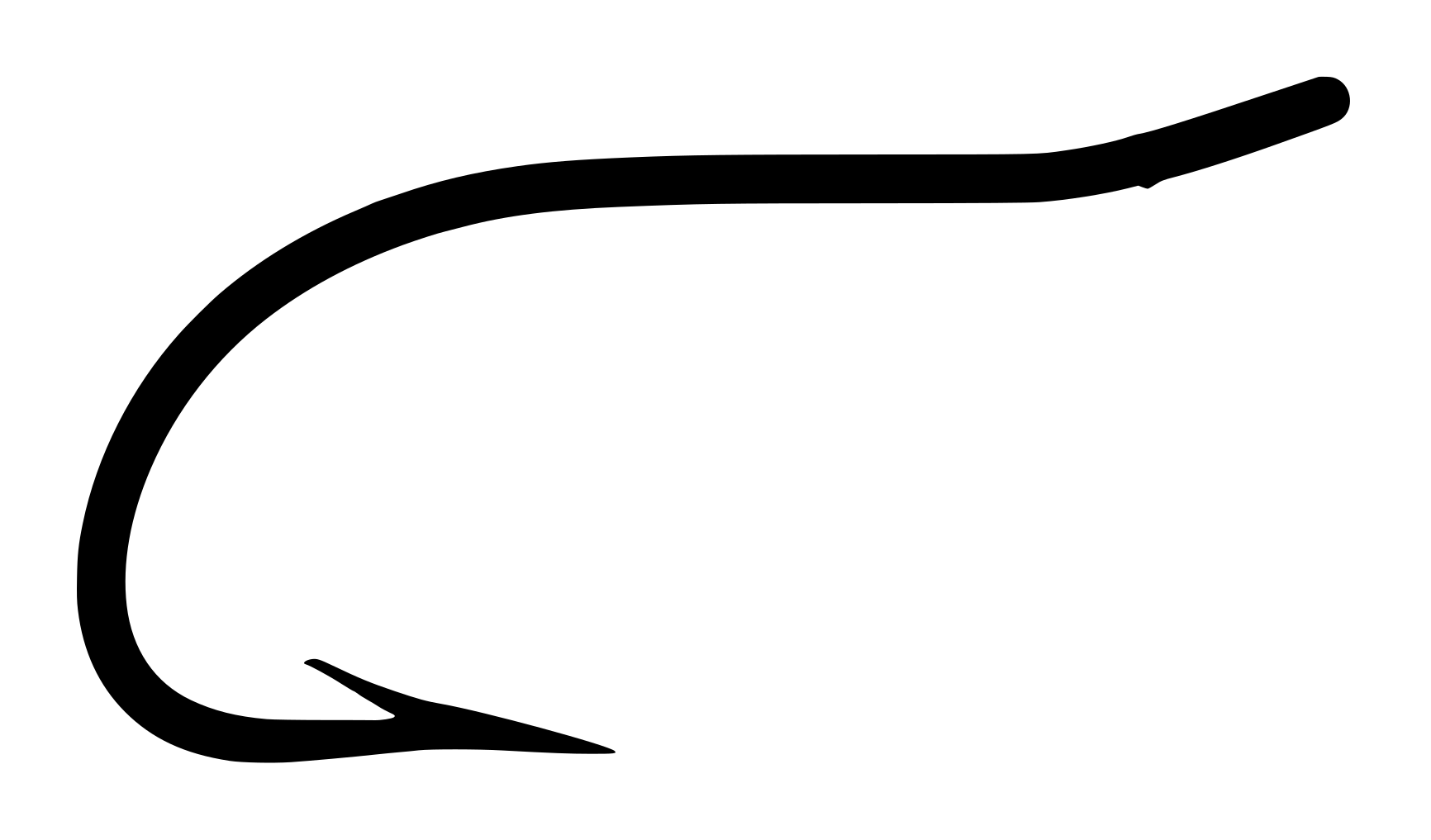
- X short
- A shank shorter than standard for the size, counted in sizes the same way as X long.


 See all 130 hooks →
Finishes
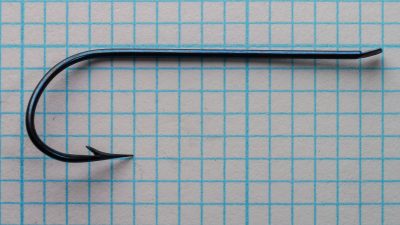
- Blued
- Steel oxidised by heat or chemicals to a blue-black colour.


 See all 58 hooks →
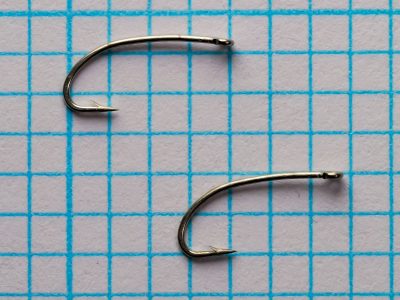
- Bright steel
- Polished or uncoated steel with no applied finish. Rusts easily.


 See all 31 hooks →
- Bronzed
- A brown lacquer or oxide finish, the commonest on freshwater hooks.See all 406 hooks →
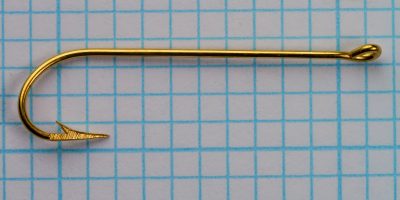
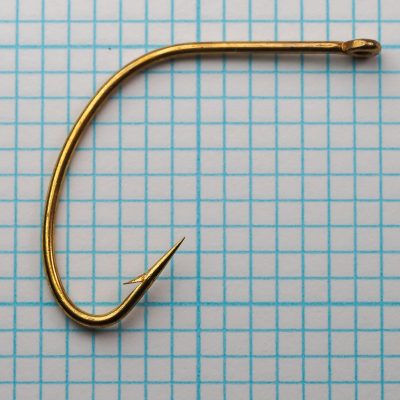
- Gold-plated
- Plated with gold or a gold-coloured metal, usually for show or for bait hooks where colour attracts fish.

 See all 34 hooks →
- Japanned
- Coated with black japan lacquer and baked hard. Common on older salmon hooks.Also: Black japanned

 See all 100 hooks →
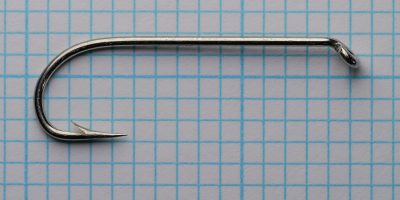
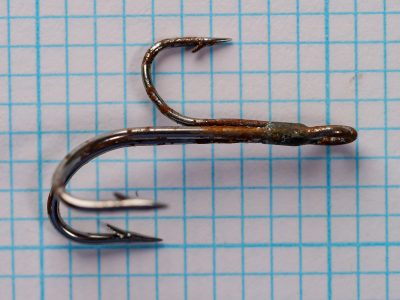
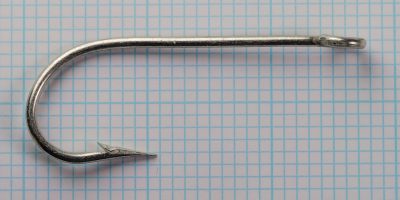
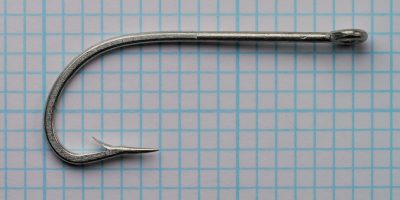
- Nickelled
- Plated with nickel for a bright, rust-resistant surface.



 See all 58 hooks →
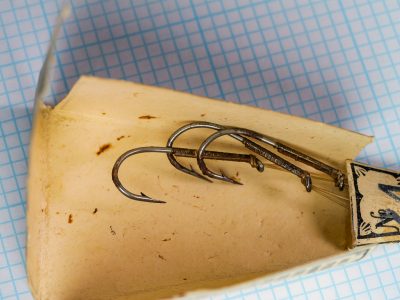
- Tinned
- Coated in tin against corrosion, mostly on sea hooks.


 See all 78 hooks →
Construction
- Double hook
- Two hooks sharing one shank or eye, bends set back to back. Common for salmon flies.


 See all 30 hooks →
- Snell
- A length of gut, silk, or nylon whipped to the shank of a hook, usually a blind one, so it can be tied to the line. A hook sold with one is "snelled".Also: Snelled, Gut-eyed
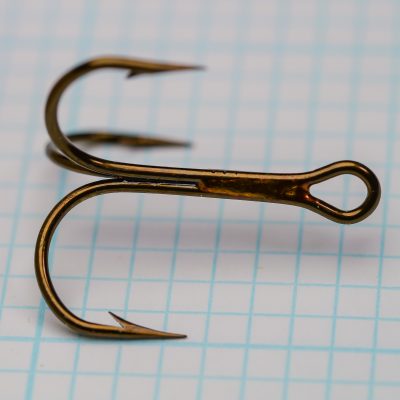
- Treble hook
- Three hooks sharing one eye, bends evenly spaced around it.


 See all 17 hooks →
Packaging and records
- Quality number
- The pattern number a maker printed on its labels (Mustad 3906, Milward 2639 R). Some labels print it after the word "Quality".Also: Pattern number, Model number
- Specimen
- One box, card, packet, or loose hook documented on a page. A specimen describes itself; it does not stand for every example of the model.