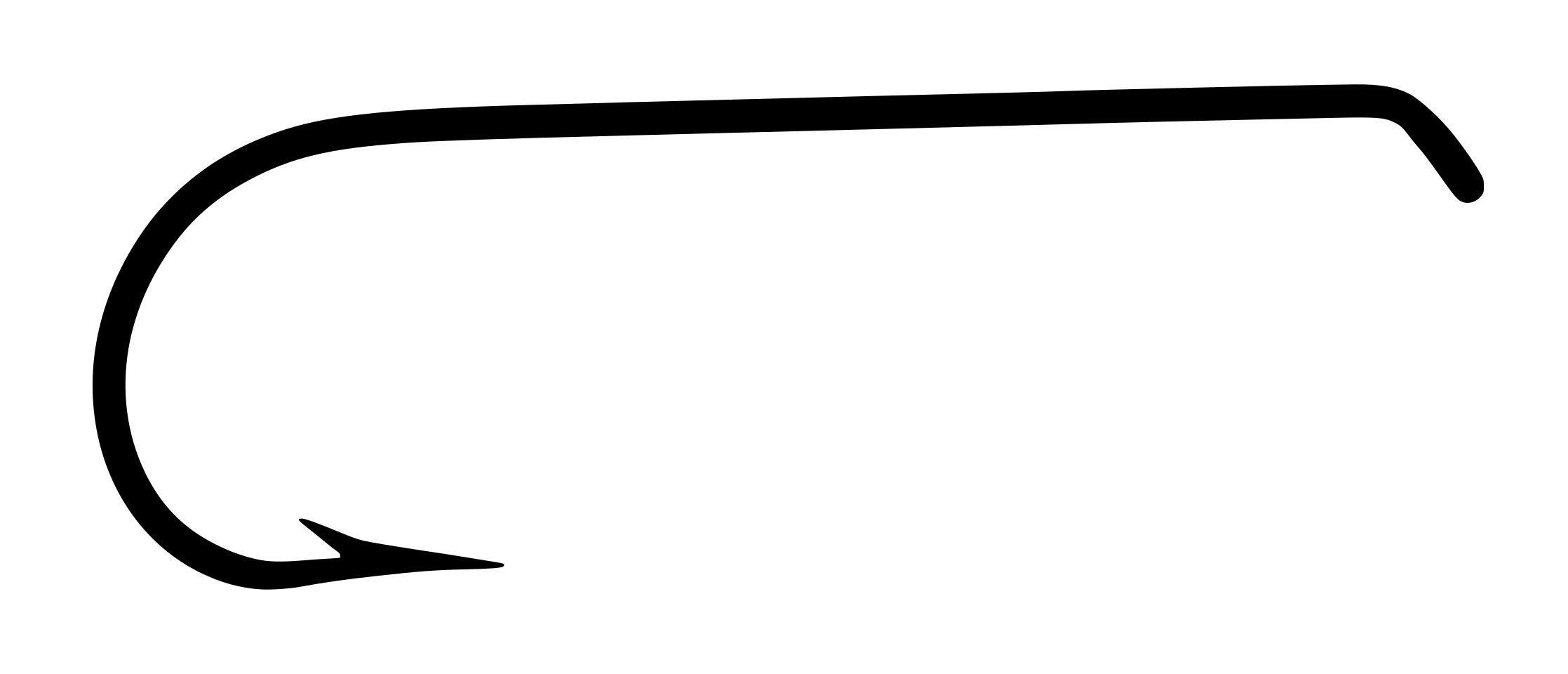
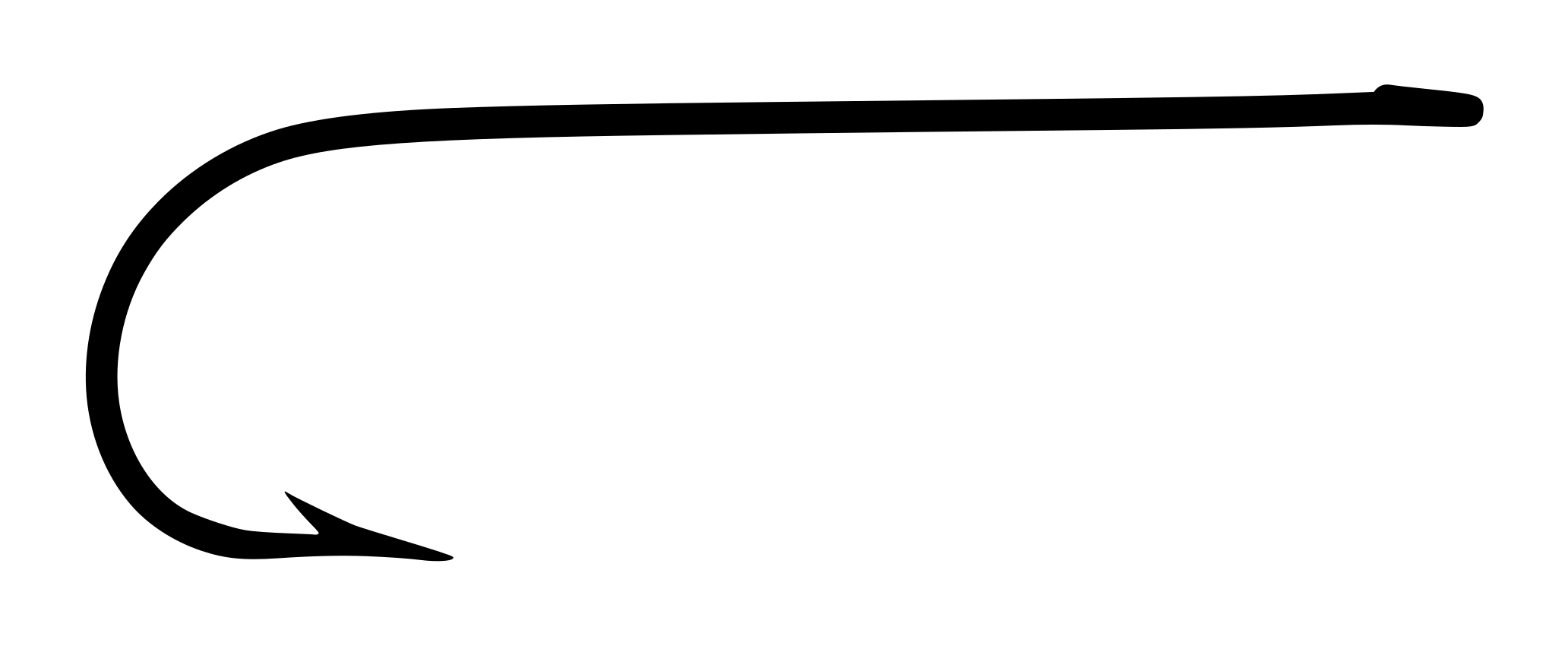
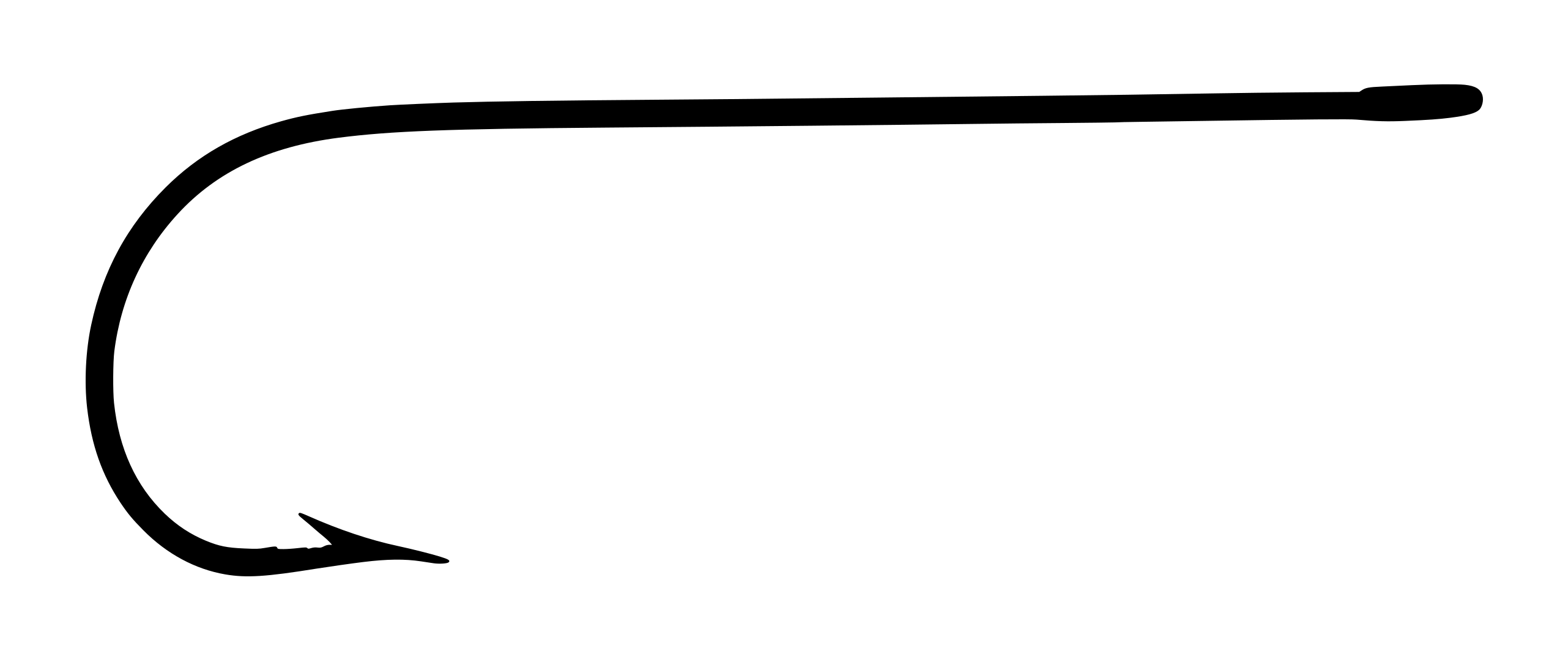
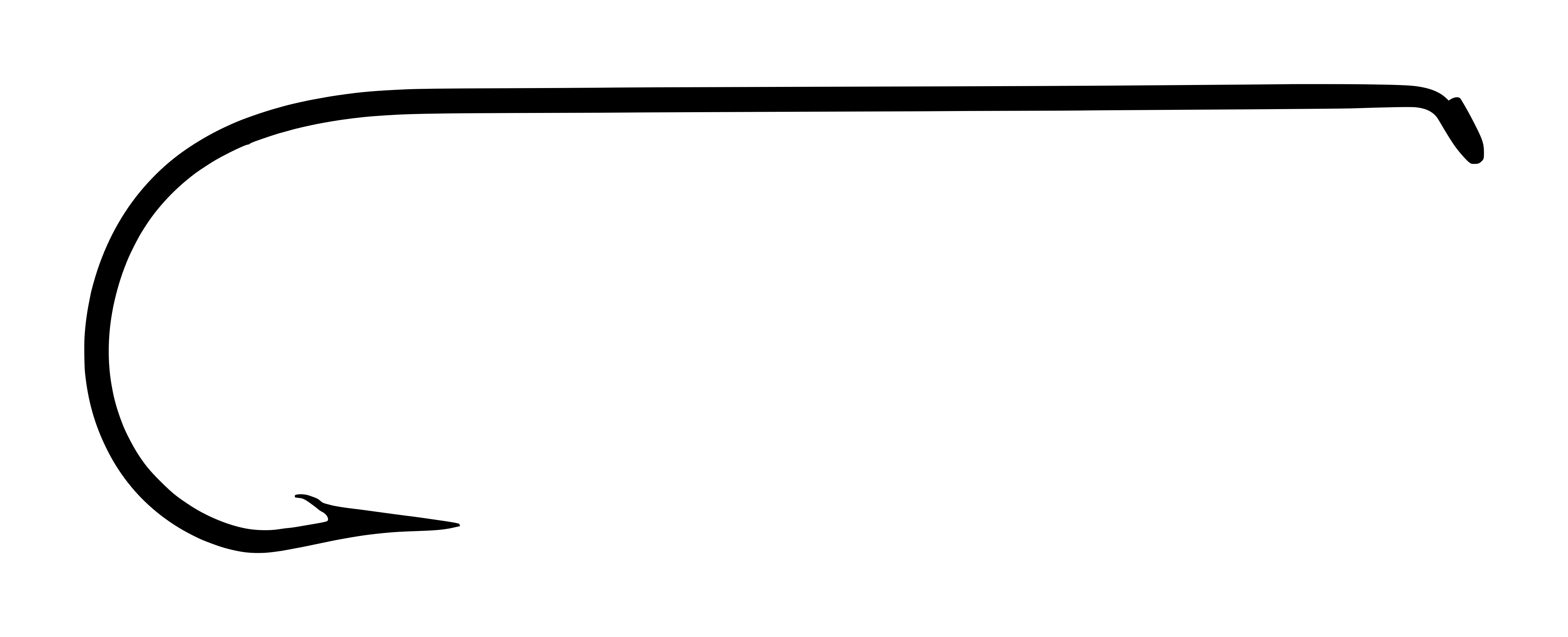
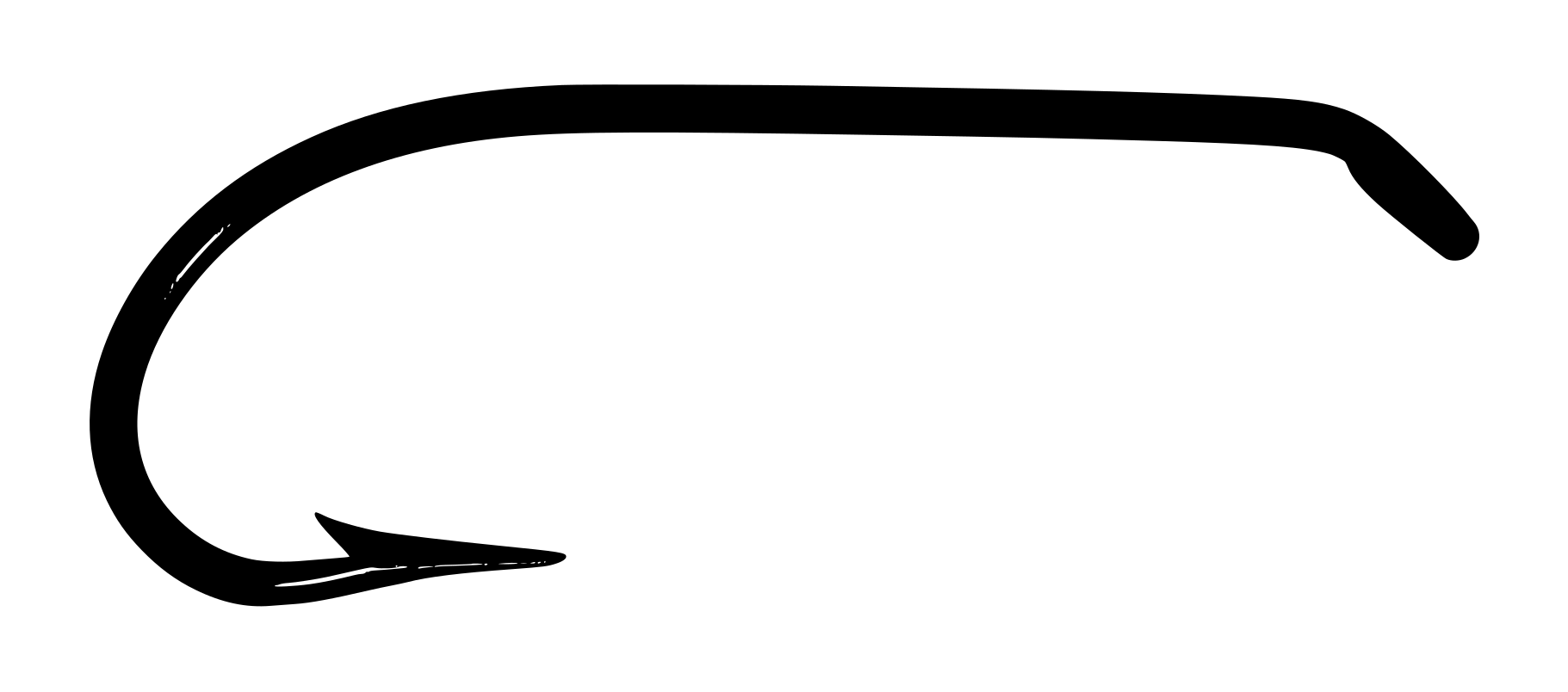
The Mustad 3284 Aberdeen hook represents the classic mid-century era of Norwegian hook manufacturing, packaged in the iconic green Key Brand label that collectors recognize as quintessential vintage Mustad. This long-shanked, fine-wire pattern was specifically designed for live bait presentation, with the gentle Aberdeen bend keeping minnows and worms lively while the extended shank facilitated easy removal from deep-hooking panfish.
Dating from approximately 1950-1970, this specimen showcases the Oslo-Norway factory designation that preceded Mustad’s later Gjøvik marking P. The letterpress printing and traditional cardboard packaging represent an era when hook boxes were substantial, collectible items in their own right.
While Aberdeen patterns remain common, examples in original Key Brand packaging hold modest collector appeal, particularly among those who appreciate the historical significance of the skeleton key trademark – one of the oldest continuous brands in the fishing industry V.
Original green Key Brand packaging for Mustad Quality 3284 Aberdeen hooks, size No. 2, showing Oslo-Norway designation characteristic of mid-century production.
Photographic record
4 cataloged imagesSelect any record to load it above.
4 images shown
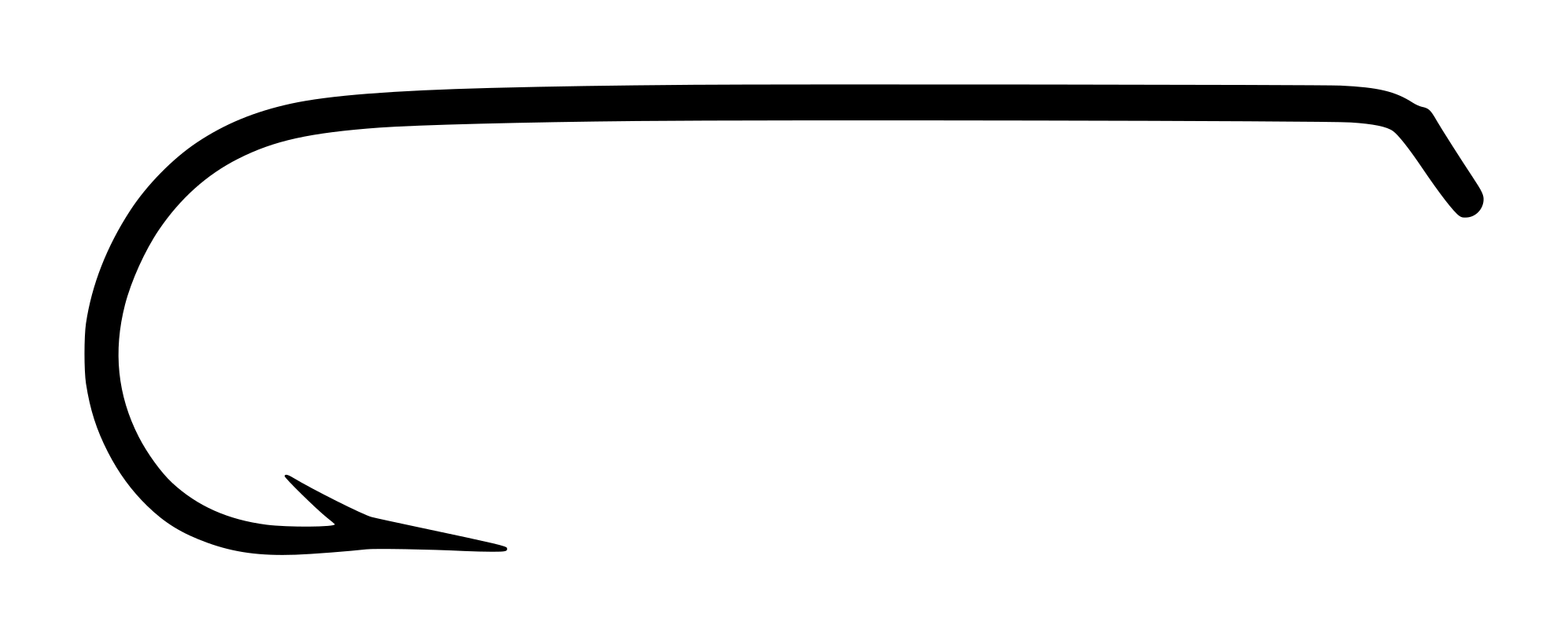
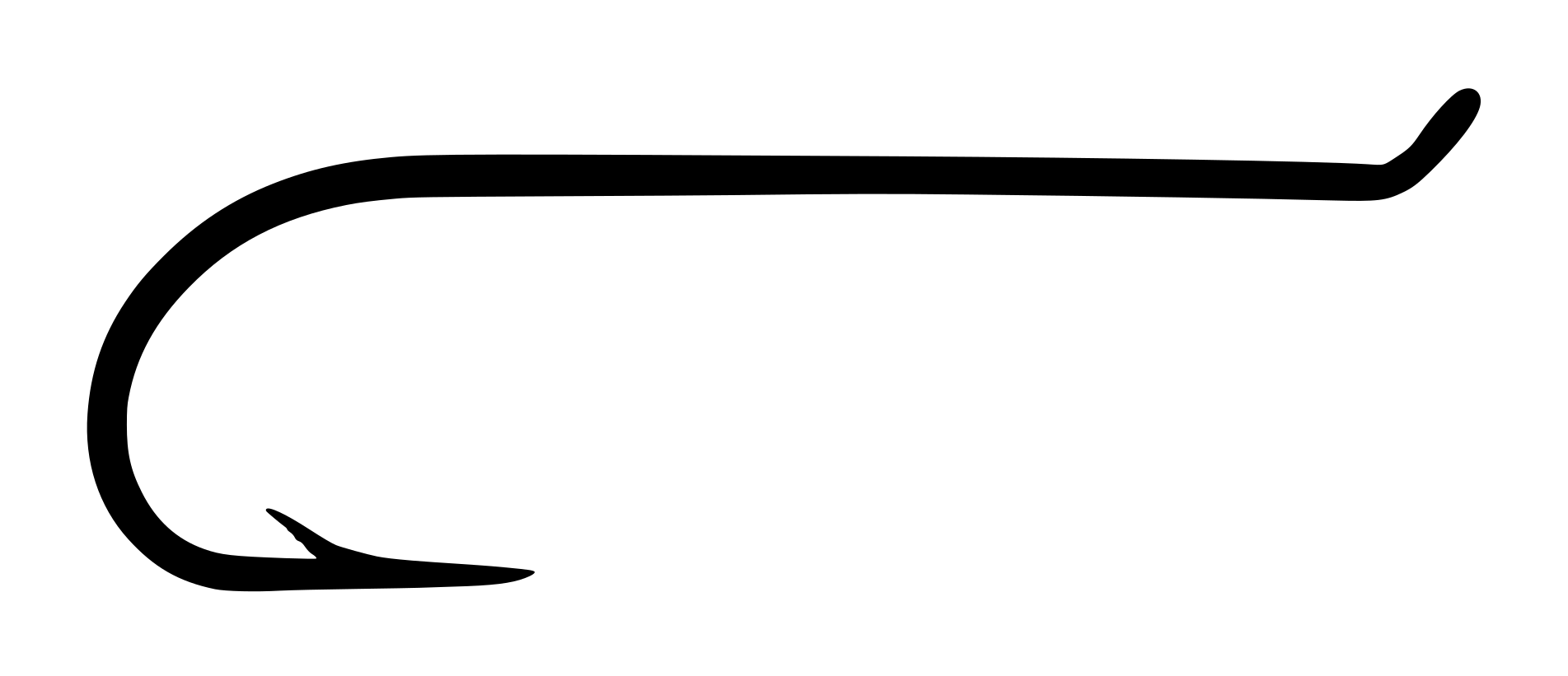
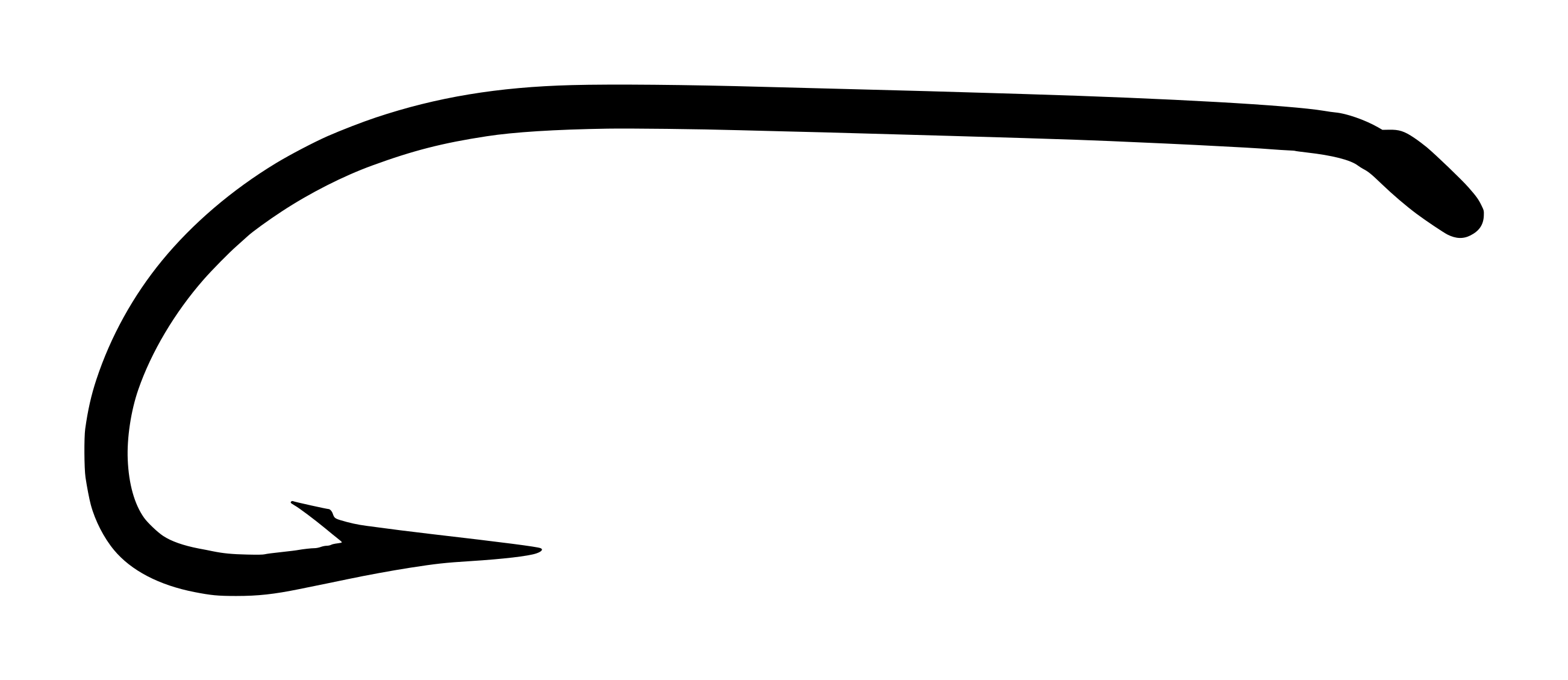
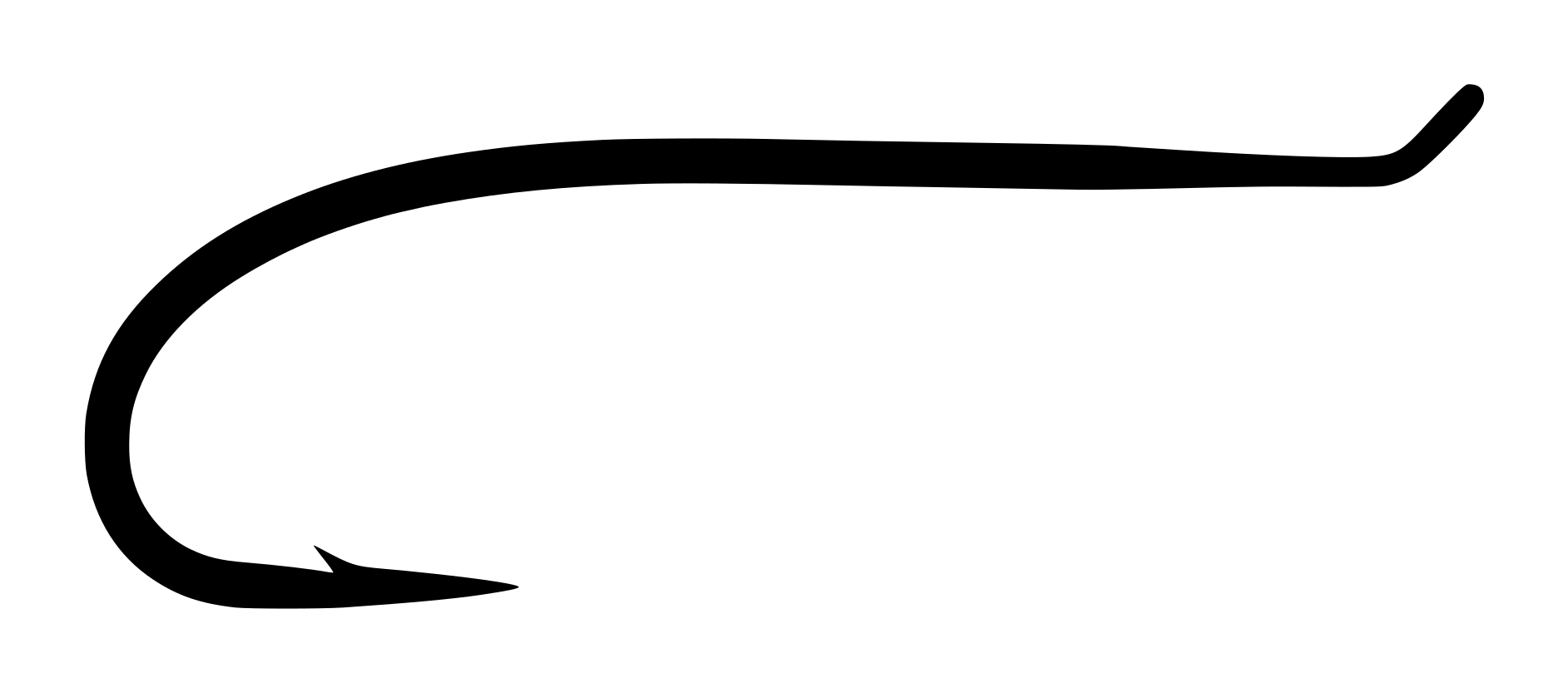
Mustad 3284 Key Brand Package Size 2 OsloOriginal green Key Brand packaging for Mustad Quality 3284 Aberdeen hooks, size No. 2, showing Oslo-Norway designation characteristic of mid-century production.Open originalMustad 3284 Point Detail Size 2 SuperiorDetail view of the superior point geometry on the Mustad 3284, showing the characteristic near-straight inner taper and bronzed finish.Open originalMustad 3284 Full Profile Size 2 AberdeenFull profile of the Mustad 3284 showing the classic Aberdeen bend, long shank proportions, and turned-down ball eye construction on measurement grid.Open originalMustad 3284 Pair Comparison Size 2Pair of Mustad 3284 hooks demonstrating consistent bend geometry and manufacturing quality typical of mid-century Norwegian production.Open original
Technical profile
Eye
Ball Eye, Turned Down
Wire
Extra-Fine, Round
Shank
2X Long — Plain
Bend
Aberdeen, Standard gap
Point
Superior (near-straight inner taper)
Finish
Bronzed — Confirmed (stated on packaging)
The Aberdeen bend’s wide, round geometry serves multiple engineering purposes in live bait fishing. The generous gap accommodates bulky baits while the gentle curve minimizes stress points that could cause the light wire to fail under load. The superior point design provides reliable penetration without the aggressive cutting action of hollow points that might damage delicate bait presentations P.
The turned-down ball eye maintains proper hook set mechanics while the long shank prevents deeply hooked fish from cutting the leader on sharp teeth or gill plates. The bronzed finish provides corrosion resistance suitable for both fresh and saltwater applications.
We don't have measured sizes for this hook yet. Own one? Submit calipered measurements and we'll review and add them. Thank you!
Historical context
mustad
O. Mustad & Sön was founded in 1877 by Norwegian entrepreneur Ole Mustad in Gjøvik, Norway, though this particular specimen shows the earlier Oslo designation. By the mid-20th century, Mustad had achieved global dominance in hook manufacturing, famously advertising that ‘The Sun Never Sets on Mustad Hooks.’ The company’s Nordic craftsmanship and industrial-scale production capabilities made Mustad hooks the worldwide standard for both commercial and recreational fishing.
The Key Brand logo, featuring the distinctive skeleton key, became one of the most recognizable trademarks in fishing tackle, symbolizing that Mustad hooks were the ‘key’ to angling success. During this era, Mustad operated factories across multiple Norwegian locations before consolidating production in Gjøvik.
Series History
The 3284 Aberdeen represents Mustad’s systematic numbering of classic British hook patterns adapted for mass production. Aberdeen hooks, originally developed in Scotland, were characterized by their wide round bend and light wire construction specifically for live bait presentation. Mustad’s version maintained the essential geometry while applying Norwegian manufacturing precision and quality control.
The pattern remained largely unchanged throughout the mid-century period, with variations primarily in finish options and packaging formats. Later versions transitioned to the 3261 numbering system as Mustad modernized their catalog structure in the 1970s and 1980s.
Era and Packaging Dating
Green label packaging with Key Brand logo and Oslo-Norway designation is characteristic of Mustad's mid-century production. The letterpress printing, box construction, and absence of barcoding indicates pre-1974 manufacture. Later packaging shifted to Gjøvik designation and different color schemes.
The Key to Success
The Key Brand skeleton key logo is often cited as one of the oldest continuously used trademarks in the fishing industry. Ole Mustad chose the key symbol to represent that his hooks were literally the 'key to success' for anglers worldwide. During World War II, when metal was rationed, Mustad actually produced keys and other essential metal goods to keep their factories operational, making the Key Brand logo prophetically appropriate.
Design lineage and influence
The Aberdeen pattern originated in the Scottish fishing port of Aberdeen, where local tackle makers developed the wide-bend, light-wire design for North Sea fishing with marine worms and small fish. Mustad adopted and refined the pattern for mass production, maintaining the essential proportions while adding their superior metallurgy and quality control processes.
Contemporary alternatives included the English-made Partridge Aberdeen hooks and various American interpretations from Wright & McGill and Pflueger. Modern descendants include the current Mustad 3261 and Eagle Claw 202, though with updated point designs and metallurgy.
Best matchRelated by Attribute
Computed automatically from catalog data — updated as new hooks are added.
Matches: Bend, Wire, Gap, Eye, Point +4 moreDiffers: Shank: 2X Long vs 3X Long; Eye Orient.: Turned Down vs Straight / Inline; Application: Bait vs Bait, Saltwater
Matches: Bend, Shank, Eye, Finish, Forging +3 moreDiffers: Wire: Extra-Fine vs Fine (1X Fine); Gap: Standard vs Wide; Eye Orient.: Turned Down vs Straight / Inline +1 more
The Aberdeen pattern was originally designed for live bait fishing, particularly with minnows, small fish, and marine worms. The light wire construction and wide round bend keep live bait active longer, while the long shank facilitates easy hook removal from fish that swallow the bait deeply P.
Secondary Applications
Long-bodied streamers and bucktail flies in fly tying applications. Suitable for freshwater species including perch, crappie, walleye, and panfish.
Classic Fly Patterns
Not typically used for fly tying
Modern Equivalents
Hook
Match Quality
Notes
Mustad 3261
Excellent
Direct descendant in current catalog with updated point design
Eagle Claw 202
Very Good
Similar Aberdeen bend and proportions, widely available
Tiemco 200R
Moderate
For fly tying applications, different bend geometry but similar shank length
Collector notes
Modest collector interest due to classic mid-century Mustad packaging and Key Brand logo. Limited by common Aberdeen pattern.
Reference value
$15 – $35 USD estimate
Packaging condition
Good — moderate wear, legibleRecorded specimen
Packaging format
MUS-GRN-01Catalog code
Positive factors: The green Key Brand label represents Mustad’s classic mid-century packaging era. The skeleton key logo is one of the oldest trademarks in fishing. Oslo designation predates the later Gjøvik factory marking. Complete 100-hook count adds value.
Limiting factors: Aberdeen hooks are common patterns with widespread production. No special technical features or limited production runs. Hook pattern remains in current production with minor variations.
Packaging
Green cardboard label with black text and decorative asterisk border. Features Key Brand skeleton key logo. Dimensions approximately 3" x 2.25". Letterpress printing on quality cardstock. Shows moderate age toning and corner wear typical of mid-century storage.
Market Value Notes
Complete boxes with original hooks command premium. Individual hooks worth $0.25-0.50. Condition of green label critical to value.
Where to Find
Vintage tackle shows, estate sales, online auction sites. Complete boxes less common than loose hooks.
Collector's Identification Tips
Key identifiers include the green Key Brand label with skeleton key logo, Oslo-Norway designation (not Gjøvik), and the Qual. 3284 numbering. The superior point geometry and turned-down ball eye are consistent with period specifications. Reproduction labels would likely show modern printing methods rather than letterpress.
Preservation
Storage and Preservation
Store in a cool, dry environment away from moisture to prevent corrosion of the bronzed finish. The cardboard packaging is susceptible to humidity damage and insect activity – consider archival storage boxes for long-term preservation. Original packaging significantly increases collectible value, so maintain hooks on the original card when possible.
The bronzed finish may develop patina over time, which many collectors consider desirable as evidence of age. Avoid aggressive cleaning that might remove original finish. If hooks must be handled, use clean, dry hands or cotton gloves to prevent oil transfer.
Primary Source
Packaging Text Analysis
Source: Original Mustad packaging, photographically documented 2024
The packaging text provides several dating clues: ‘Oslo – Norway’ designation predates Mustad’s later Gjøvik factory marking, placing production in the mid-century period. The term ‘Superior’ appears as a quality grade descriptor, not as a point style specification. The abbreviation ‘T.d. ball-eye’ follows standard Mustad terminology for turned-down ball eyes.
The Key Brand logo positioning and asterisk border design match documented Mustad packaging from the 1950s-1970s period. The letterpress printing method and paper stock quality indicate substantial manufacturing investment in packaging presentation during this era.
Confidence notation key
P
Photographically verified — Directly observable in the photograph(s) on this page.
V
Verified by documentation — Confirmed by manufacturer catalog, spec sheet, or published reference.
I
Inferred — A logical deduction from observable or documented evidence, not directly stated.
E
Estimated — An approximation based on visual comparison, proportional analysis, or limited data.
S
Speculative — A reasoned hypothesis that cannot be confirmed from available evidence.
Claims with no notation are confirmed by multiple independent sources. All photographs on garrenwood.com are taken on a measurement grid where each square equals 1/10 inch (0.1″ / 2.54 mm).