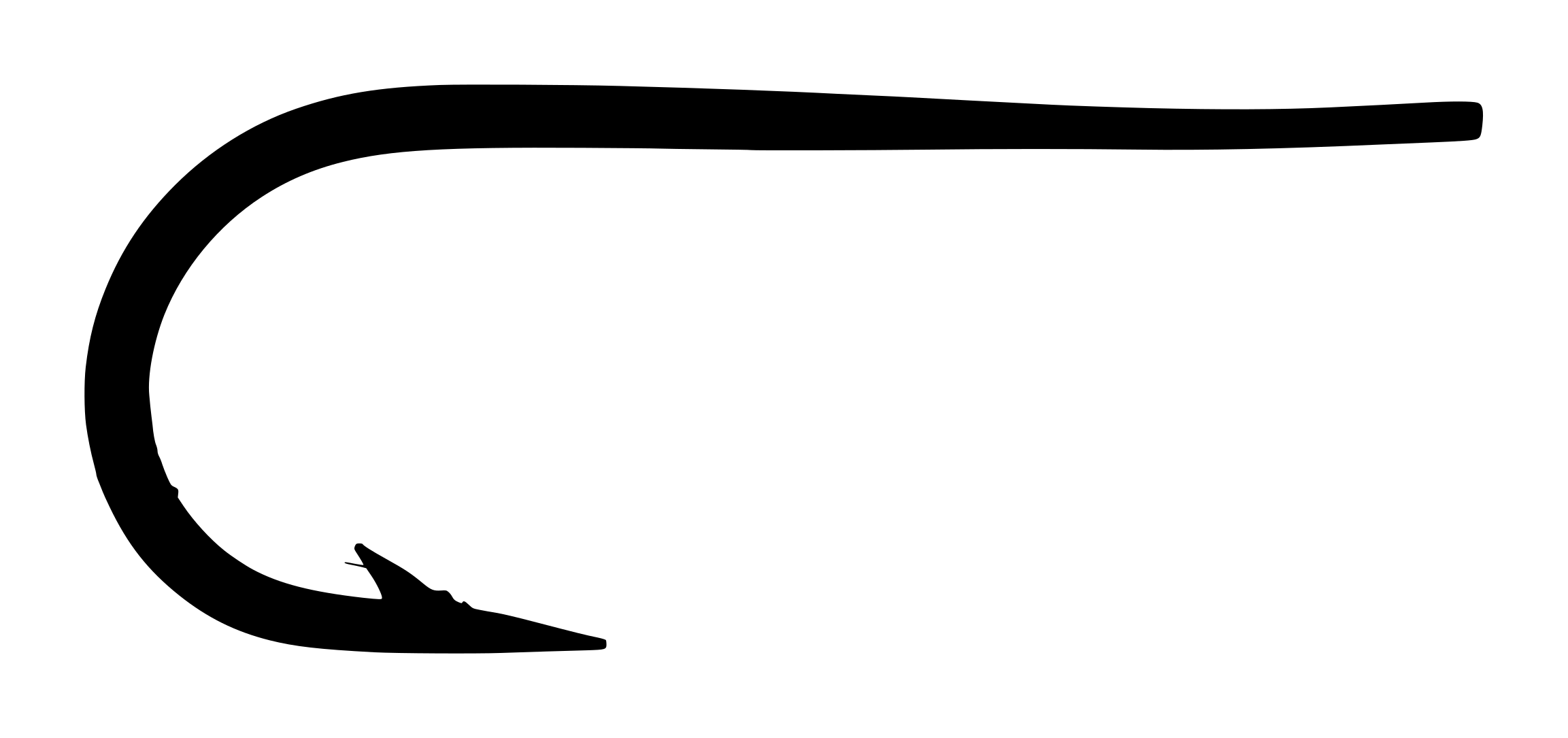
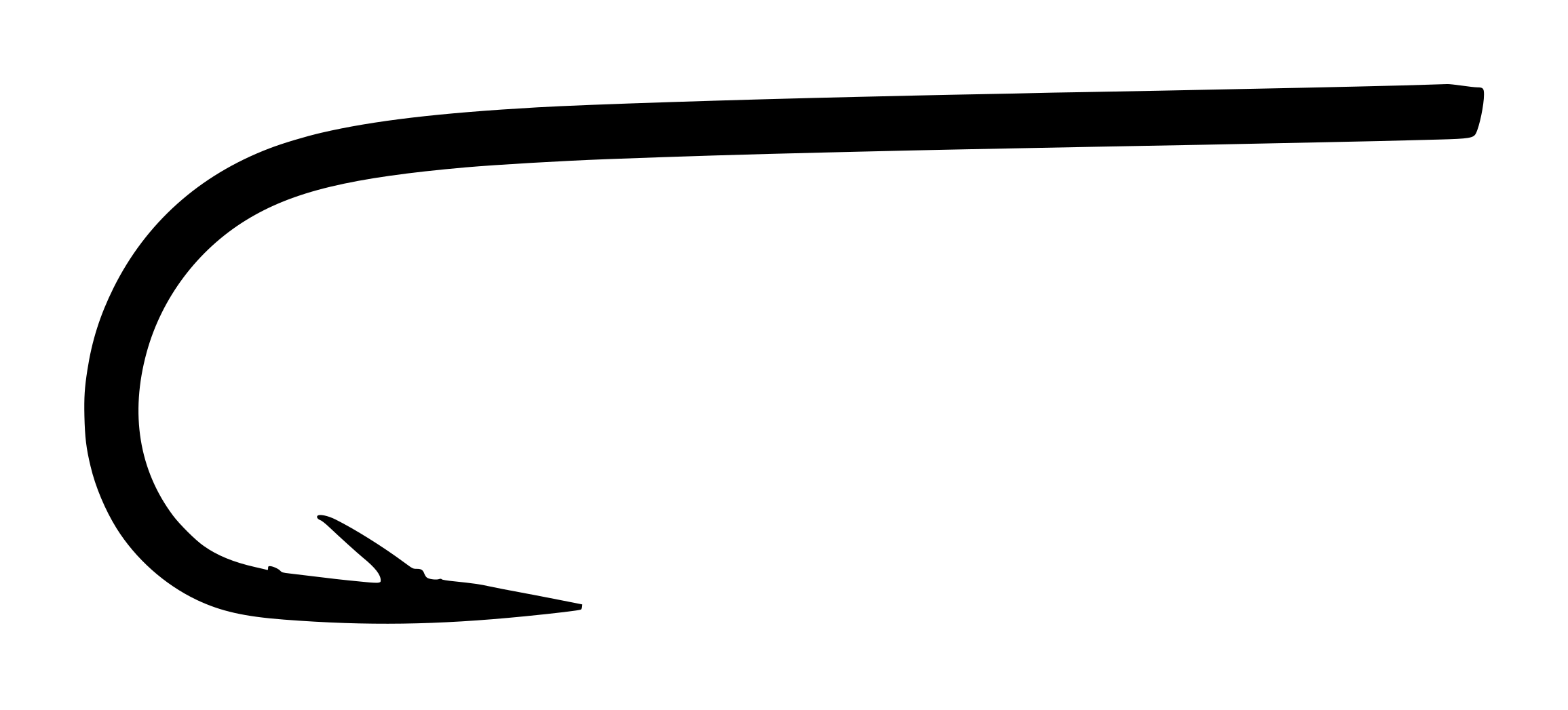
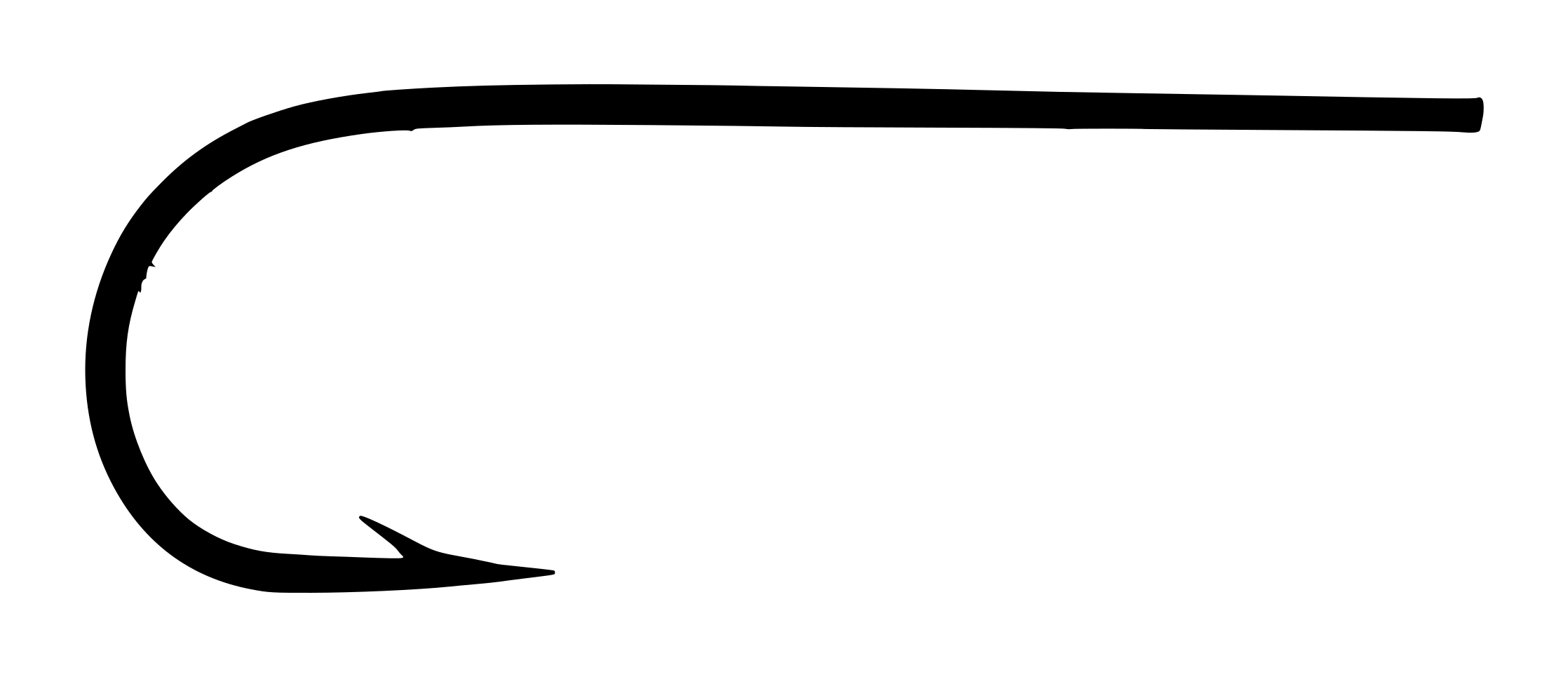
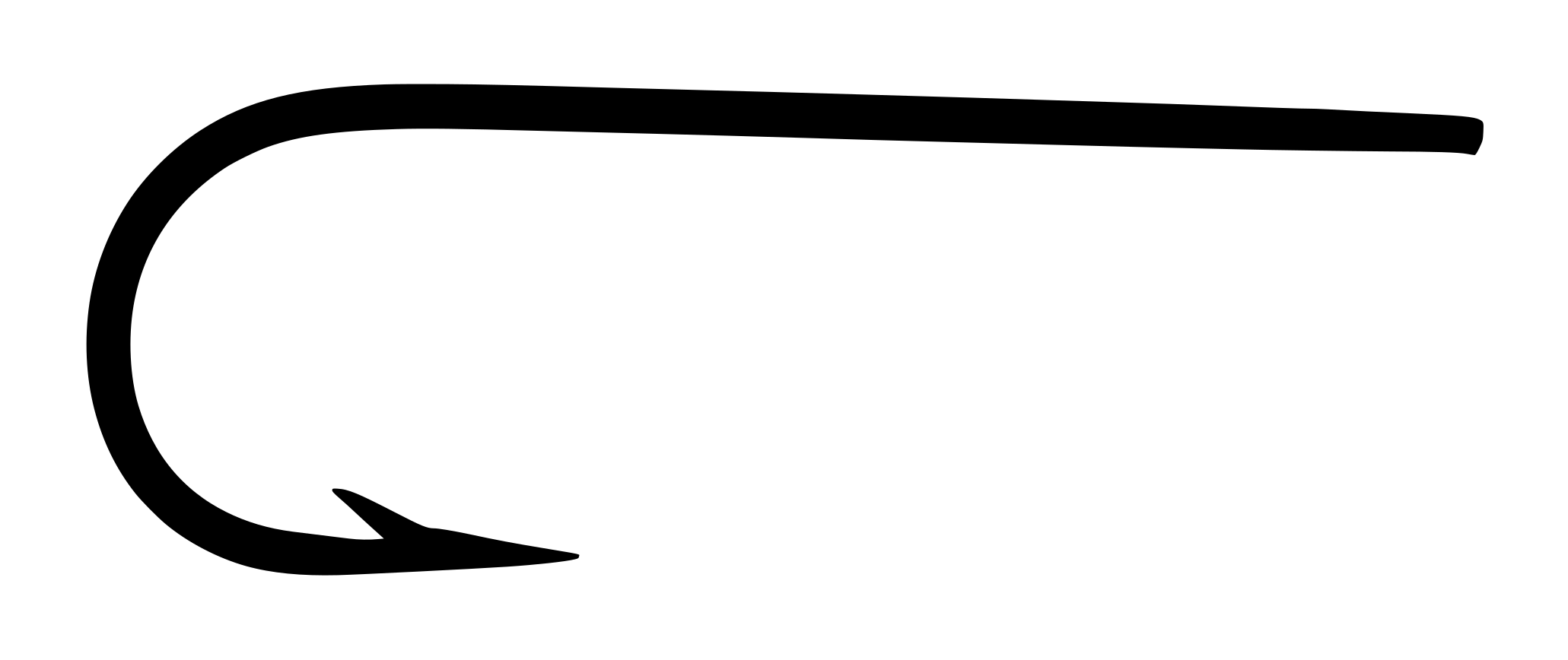
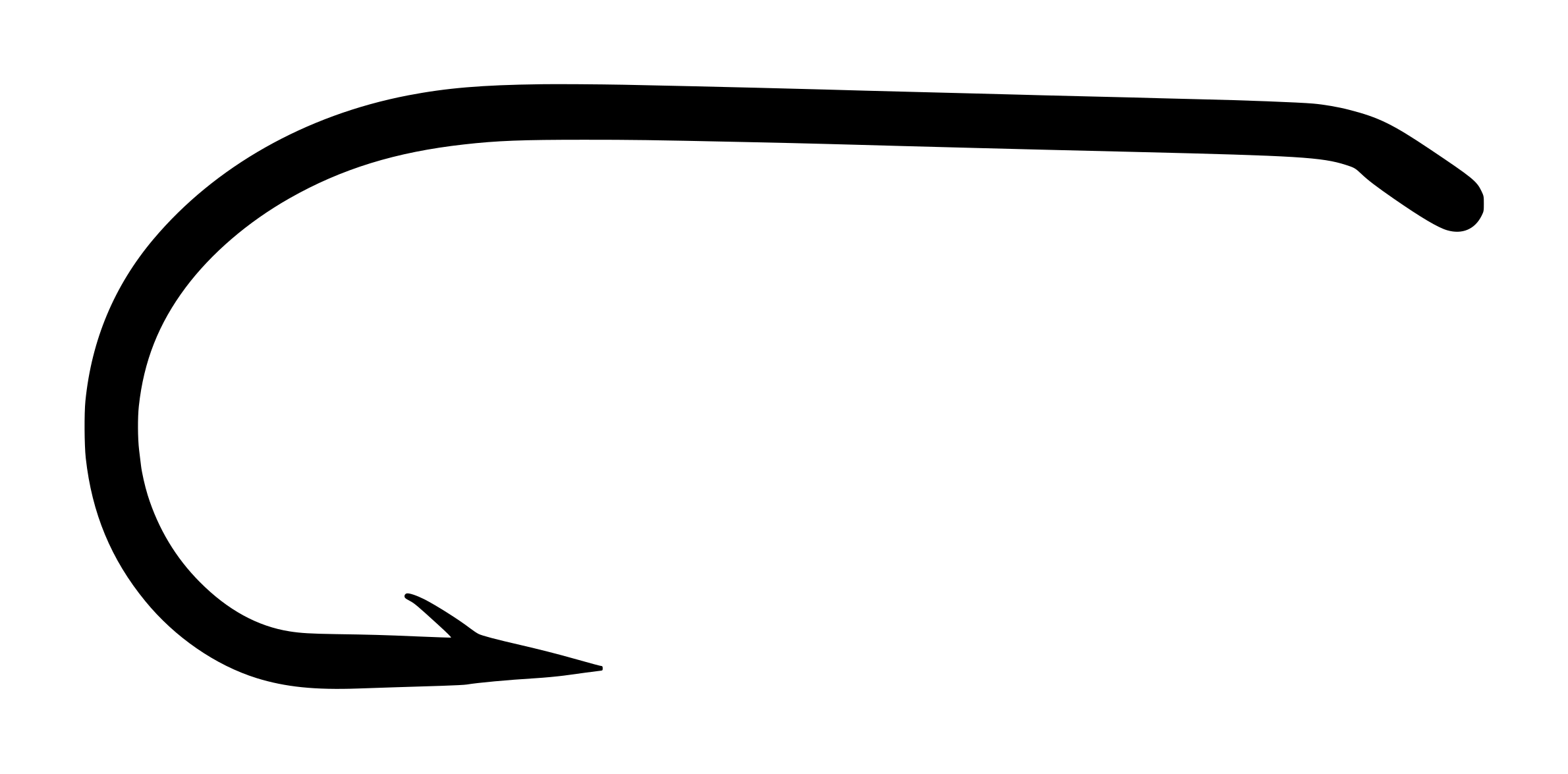
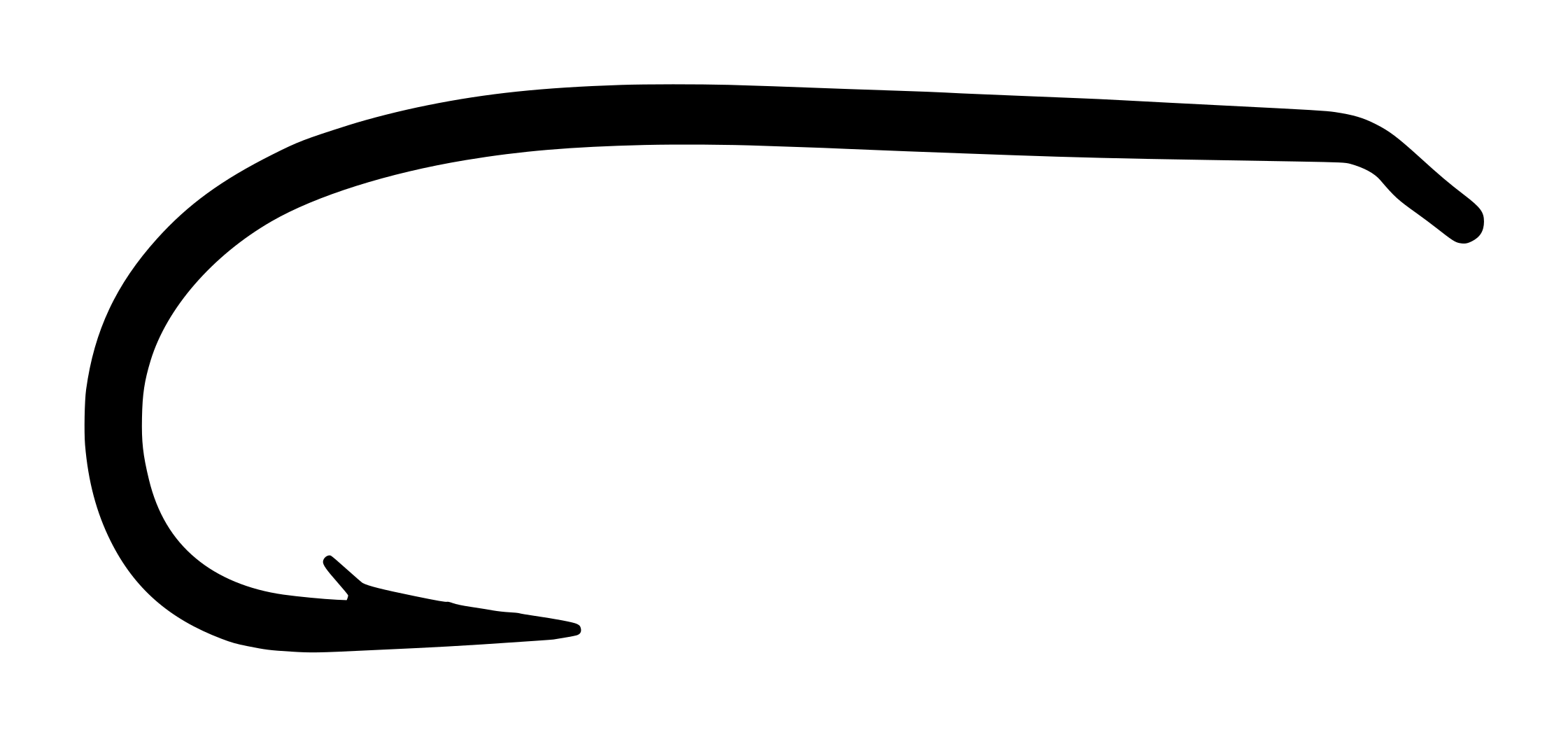
Partridge Trout Taper (Size 6) — Redditch craft-tradition dry fly hook. This is a small, delicate hook designed for wet flies and nymphs on chalk streams and spring creeks. The defining feature is the tapered blind eye — the shank tapers smoothly to a rounded point with no spade or flatting, allowing gut to be looped directly around the taper in the traditional fly-tying method. The hook exhibits fine wire gauge, bronzed finish, and a gentle round bend characteristic of mid-twentieth-century Redditch manufacture.
The original kraft paper envelope bears simple blue-ink printing: ‘6 TROUT TAPER.’ No barcode, no address, and no manufacturing details are visible — all strong indicators of 1950s-1970s production. The packaging, condition, and construction style all reflect the final era of Partridge as an independent Redditch maker before absorption into larger industrial manufacturers.
This hook holds significant interest for traditional fly tiers, Redditch tackle historians, and collectors of craft-era British hooks. The tapered eye is a specialist feature that distinguishes period Partridge hooks from mass-produced industrial alternatives. Original period packaging in good condition adds meaningful collector value and serves as documentary evidence of Redditch manufacturing practices.
Front face of original kraft paper envelope showing size number and hook name printed in blue ink. Simple, functional packaging typical of mid-twentieth-century Redditch manufacture.
Photographic record
5 cataloged imagesSelect any record to load it above.
5 images shown
Partridge Trout Taper Size 6 Original EnvelopeFront face of original kraft paper envelope showing size number and hook name printed in blue ink. Simple, functional packaging typical of mid-twentieth-century Redditch manufacture.Open originalPartridge Trout Taper Size 6 Envelope ReverseReverse face of original kraft paper envelope showing blank stock and age patina. No manufacturer address or contact information printed — evidence of pre-expansion era packaging.Open originalPartridge Trout Taper Size 6 Hook ProfileFront profile of Trout Taper hook showing tapered shank, round kendal bend, and tapered blind eye. Bronzed finish visible with warm brown patina.Open originalPartridge Trout Taper Size 6 Barb and Point DetailClose-up of barb and point showing superior point geometry with nearly flat inner face and short barb placement. Bronzed finish with characteristic warm tone.Open originalPartridge Trout Taper Size 6 Two HooksTwo Partridge Trout Taper size 6 hooks on measurement grid showing consistency of forged construction, finish uniformity, and tapered eye profile.Open original
Technical profile
Eye
Blind — Tapered ShankTapered blind eye — the shank tapers to a smooth rounded point with no flattening or spade construction. Gut attached via loop tied around the taper. P
Wire
Standard, Round, Est. ~0.011"-0.013" (~0.28-0.33 mm)
Shank
Standard — Tapered
Bend
Round / Kendal, Standard gapRound Kendal bend — smooth, symmetrical, moderate-depth curve. Forged construction with uniform wire set. Bend symmetry is excellent; no offset or twist visible. P
Point
Standard / SpearShort, cleanly cut barb positioned just behind the apex of the bend. Barb angle is approximately 45 degrees to shank axis, standard for period Redditch practice. No microbarbs or secondary barb features. P
Finish
Bronzed — Inferred (photographically likely)Bronzed finish with warm brown tone typical of period British manufacture. Steel grain subtly visible through coating. Specimen shows even patina consistent with age darkening — finish is preserved and intact without deep corrosion or flaking. P
Hooks are bright with no corrosion. Original kraft paper envelope shows light age darkening and minor creasing consistent with archive storage. Two hooks visible through envelope opening; envelope sealed at top.
The tapered blind eye represents a sophisticated refinement of shank engineering. Rather than cutting a flat spade at the end of the shank (blind-flatted eye), the taper-eye design gradually reduces wire diameter toward a smooth rounded point. This geometry serves multiple functional purposes: (1) it provides a secure anchor point for the gut loop without creating a sharp, damaging edge; (2) it minimizes material bulk at the hook head, reducing drag and float issues in dry flies; (3) it allows for more elegant, refined presentations on highly selective trout waters where any hint of unnatural bulkiness can spook fish.
The fine wire gauge (typical of Trout Taper examples) is chosen to reduce overall hook weight and visibility while maintaining adequate strength for small flies and modest trout. The bronzed finish provides corrosion resistance and a warm, natural appearance consistent with period materials and aesthetics. The forged construction (evidenced by the uniform bend geometry and wire set) ensures consistent strength and reliable performance across production batches.
First Partridge Trout Taper entry in garrenwood.com catalog. Represents documentation of a significant Redditch craft-tradition hook with tapered blind eye construction — a design feature that merits inclusion as a reference point for understanding traditional British fly-hook engineering.
Own this hook? Help us measure it.
We have measurement for size 6. Know any others? Submit calipered measurements and we'll review and add them. Thank you!
The Trout Taper is a dedicated product series within the Partridge catalog, designed specifically for small and medium trout on chalk streams and spring creeks. The name ‘Taper’ refers directly to the signature tapered blind eye construction — a refinement of traditional Redditch practice that allowed gut loops to be tied directly around the shank taper without knots or loop-knot joints. This design minimized bulk at the head and created a more delicate, streamlined presentation, particularly valued for dry flies and subtle nymphs.
The Trout Taper was offered in a range of sizes (typically No. 12-6 or similar), with fine or standard wire options depending on the intended fly type. The series remained in production throughout the mid-twentieth century, appearing in period catalogs and price lists through the 1960s and 1970s. The shift toward eyed hooks and industrial production eventually displaced the tapered-eye design, and the Trout Taper was gradually discontinued as modern manufacturing methods replaced traditional Redditch hand-forging practices.
Era and Packaging Dating
No barcode visible (strong pre-1974 indicator). Blue-ink printing on kraft paper envelope consistent with mid-twentieth-century Redditch practice. Simple serif typeface and minimal packaging text typical of 1950s-1970s British tackle. No address or contact information visible, suggesting pre-expansion era or regional-only distribution. Hook design (tapered eye, bronzed finish, fine wire) reflects traditional Redditch craft methods common through 1960s-1970s before industrialization pressure increased.
The Tapered Eye: Redditch Precision for Chalk Streams
The tapered blind eye construction of Partridge Trout Taper hooks represents a direct legacy of nineteenth-century Redditch innovation. Unlike the spade-end (blind-flatted) eye used on many salmon and sea-trout hooks, the tapered design was a refinement specifically developed for delicate chalk-stream dry-fly fishing where every fraction of a millimeter mattered. Fly tiers would loop fine gut directly around the taper, cinch it tight, and proceed to dub the fly body — a method requiring tremendous skill and producing flies that were simultaneously durable and weightless. This craft technique remained the gold standard among British dry-fly purists well into the 1970s, even as modern eyed hooks gradually displaced the practice.
Design lineage and influence
The Trout Taper descends directly from nineteenth-century Redditch dry-fly innovation. The tapered blind eye was a refinement of the spade-end (blind-flatted) eye, developed to provide an even smoother, more hydrodynamic transition from body to eye. Rather than flattening the shank tip into a spade, taper-eye designs smoothly reduced the wire diameter to a rounded point, allowing the tyer to wrap a loop of gut around the taper and cinch it tight without the risk of damaging delicate materials.
Contemporary competitors from other Redditch makers included the Allcock Taper and various S. Milward dry-fly patterns with similar eye constructions. The tapered eye concept was eventually superseded by the modern looped eye and ball-eye designs, which proved faster to manufacture industrially. However, the Trout Taper remained in specialist demand among traditional fly tiers and chalk-stream fishers who valued the delicate, minimalist aesthetic of craft-era construction.
Best matchRelated by Attribute
Computed automatically from catalog data — updated as new hooks are added.
Matches: Bend, Wire, Eye, Eye Orient., Finish +5 moreDiffers: Shank: Standard vs 1X Long; Gap: Standard vs Narrow; Point: Standard / Spear vs Hollow Point
Matches: Bend, Shank, Gap, Eye, Eye Orient. +5 moreDiffers: Wire: Standard vs Fine (1X Fine); Point: Standard / Spear vs Superior; Shank Feat.: Tapered vs Plain, Tapered
The Trout Taper is designed for small to medium trout fly fishing, particularly wet flies and nymphs. The tapered shank construction provides a subtle, refined profile that transitions smoothly from body to eye, minimizing bulk at the head — an important consideration for delicate presentations on chalk streams and spring creeks. The long, tapered eye construction allows gut to be looped directly around the taper without knots, a hallmark of Redditch craft-tradition fly tying. The bronzed finish and fine wire gauge suggest use with smaller dries and nymphs where weight and visibility must be minimized.
Modern Equivalents
Hook
Match Quality
Notes
Tiemco 101
Good
Modern dry fly hook with fine wire and relatively short shank; comparable to Trout Taper in delicate presentation for small trout
Partridge L4A
Very Good
Modern Partridge dry fly hook continuing Redditch tradition; retains tapered eye concept in contemporary manufacturing
Collector notes
Rated 4.5/10 — moderately scarce in original period packaging, particularly in fine wire sizes. Collector demand is strong among Redditch specialists and traditional fly tiers, but the practical utility of the size and design keeps prices moderate. Original envelope in good condition commands a real premium over loose hooks.
Reference value
$8 – $20 USD estimate
Packaging condition
Very Good — light wear, fully legibleRecorded specimen
Packaging format
Kraft paper envelopeCatalog code
Positive factors: Redditch manufacture by Partridge, a maker highly respected by tackle historians and traditional fly tiers. Tapered eye construction is a specialist feature not found on industrial hooks, indicating craft-tradition production. Period packaging (no barcode, simple kraft envelope) adds authenticity and dating evidence. Fine wire gauge and bronzed finish are consistent with mid-twentieth-century quality standards. Size 6 is a practical, widely-used trout size, supporting dual appeal (functional + collectible).
Limiting factors: Partridge was ultimately absorbed into the Mustad empire, and its hooks were eventually displaced by modern manufacturing. Original packaging is simple and unmarked (no address, no edition codes), making provenance harder to establish. The tapered eye, while historically significant, is less visually distinctive than blind-flatted or looped-eye variants that command higher premiums. Complete cards or bulk lot packages are far rarer than single hooks or small envelope quantities.
Most desirable variants: Original period envelope in sealed or near-sealed condition with all hooks intact. Smaller sizes (No. 12-18) are scarcer than larger sizes. Any packaging with printed address or edition information. Hooks in bright or unoxidized condition (bronzed patina is acceptable, but deep corrosion reduces value).
Condition factors: Original packaging integrity is the primary value driver — a sealed envelope can command 40-60% premium over opened equivalent. Hooks must be complete (missing hooks reduce value by ~$2-5 per hook). Light surface patina on bronzed finish is expected and acceptable; deep pitting or corrosion reduces appeal significantly.
Packaging
Simple kraft paper envelope, printed in blue ink with size number and hook name. Text reads: '6 TROUT TAPER' in serif typeface. Envelope shows age darkening and light creasing consistent with 1950s-1970s manufacture. No barcode visible. No manufacturer address or phone number printed on visible surfaces. Condition: envelope sealed with hooks visible through top opening.
Market Value Notes
Low ($8): Opened envelope, complete or near-complete hook count, light wear, bronzed patina acceptable
High ($20): Sealed or near-sealed envelope, full count, minimal wear, original kraft paper intact
Premium factors: Original period packaging condition, Redditch manufacture, tapered eye specialist interest, size variety (smaller sizes command premium), sealed envelope status
Platforms: eBay UK and US, specialty tackle auctions, Redditch-focused dealer networks
Confidence: E estimated — limited comparable sold data for period Partridge envelopes; estimate anchored on observed price ranges for similar Redditch period packaging with traditional eye construction
Where to Find
eBay (UK listings more frequent), UK tackle fairs and specialist dealers focusing on Redditch makers, vintage fly-tying supplier networks, estate sale tackle lots
Preservation
Storage and Preservation
Store the Trout Taper in its original kraft paper envelope in a cool, dry environment away from moisture and humidity. The bronzed finish will develop a natural warm patina over time — this is expected and acceptable for period hooks and does not indicate corrosion. However, prolonged exposure to damp conditions can accelerate oxidation and lead to pitting or surface degradation.
Keep the original envelope sealed or as intact as possible. The packaging serves dual purposes: (1) it provides physical protection for the hooks, and (2) it is part of the historical record, documenting the manufacturer, era, and original intended use. Avoid handling the hooks directly with bare fingers; acids from skin can accelerate corrosion on unfinished wire. Use tweezers or gloved hands when inspecting specimens.
Do not attempt to clean or polish bronzed hooks aggressively — the original finish is the authentic artifact. Light dusting with a soft brush or cloth is acceptable; avoid wire brushes, abrasive powders, or chemical cleaners. If the envelope shows foxing (brown spots from acid deterioration in the paper), this is normal and should not be altered — it is evidence of age and storage history.
Marking Analysis
Handwriting and Markings
The packaging shows no visible handwritten annotations, seller marks, or collector notations. All text is printed in blue ink using a serif typeface consistent with 1950s-1960s offset or letterpress printing. The simplicity of the printed design (no address, no edition codes, no printed price) is typical of Redditch regional packaging from the era before standardized mail-order catalog distribution became universal.
The absence of printed contact information is itself significant: it suggests the envelope was distributed through local Redditch tackle dealers or regional networks rather than through a centralized mail-order operation. By contrast, Mustad and other international manufacturers typically printed full addresses and phone numbers on packaging by the 1960s.
Size Note
Size and Construction Notes
The hook is documented as Size 6 (No. 6), a standard trout fly size. However, the tapered eye construction creates a visual distinction from modern eyed hooks of the same numerical size. The lack of a prominent loop eye means the overall head profile is significantly more slender, which contributes to the delicate presentation the design was intended to achieve.
It is important to understand that Redditch size numbering follows the traditional British system, which differs from modern metric classifications. A Partridge Trout Taper No. 6 is not directly interchangeable with a modern size 6 eyed hook — the former is a specialist design requiring gut attachment, while the latter accommodates modern tying thread and methods. Collectors should verify measurements with calipers to avoid confusion with modern hooks bearing similar numerical designations.
Additional
Packaging Text and Era Indicators
The envelope displays only two text elements: the size number ‘6’ and the model name ‘TROUT TAPER,’ both printed in a blue serif typeface. The deliberate simplicity of this design reflects Redditch manufacturing practices of the mid-twentieth century. Unlike the increasingly elaborate packaging of mass-market manufacturers (Mustad, Hardy), specialist makers like Partridge often used minimal, functional packaging that prioritized clarity and economy over brand marketing.
The absence of the following details provides strong era-dating evidence: no postal address or business registration number; no telephone contact; no printed price; no barcode or UPC; no manufacturing date code. These omissions are consistent with British tackle manufacture in the 1950s-early 1970s, before standardization and computerized inventory became industry norms. The kraft paper stock and printing method suggest offset or letterpress production, typical of small-to-medium English manufacturing operations of that era.
Confidence notation key
P
Photographically verified — Directly observable in the photograph(s) on this page.
V
Verified by documentation — Confirmed by manufacturer catalog, spec sheet, or published reference.
I
Inferred — A logical deduction from observable or documented evidence, not directly stated.
E
Estimated — An approximation based on visual comparison, proportional analysis, or limited data.
S
Speculative — A reasoned hypothesis that cannot be confirmed from available evidence.
Unnotated claims are the compiler’s synthesis; see Sources. All photographs on garrenwood.com are taken on a measurement grid where each square equals 1/10 inch (0.1″ / 2.54 mm).