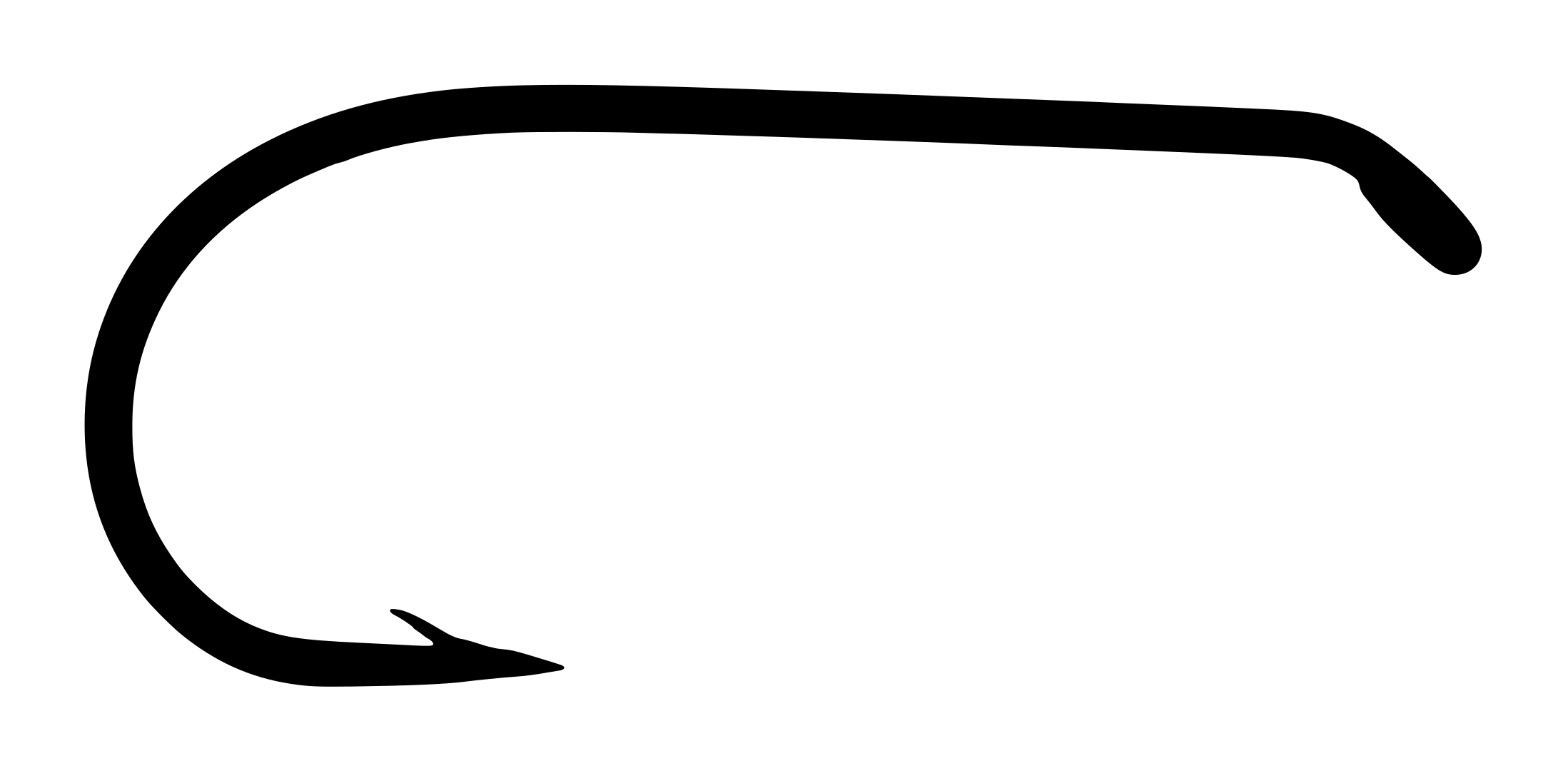
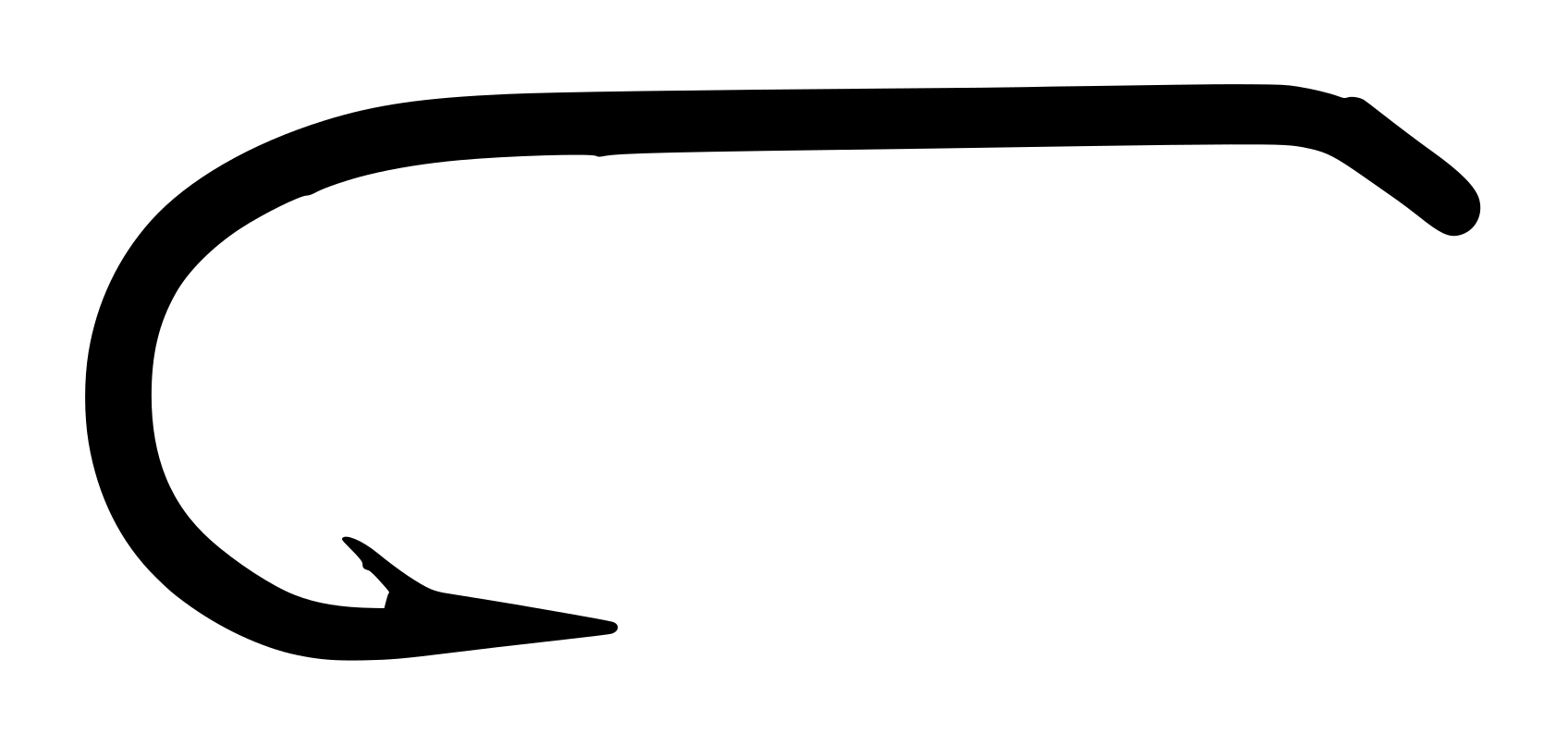
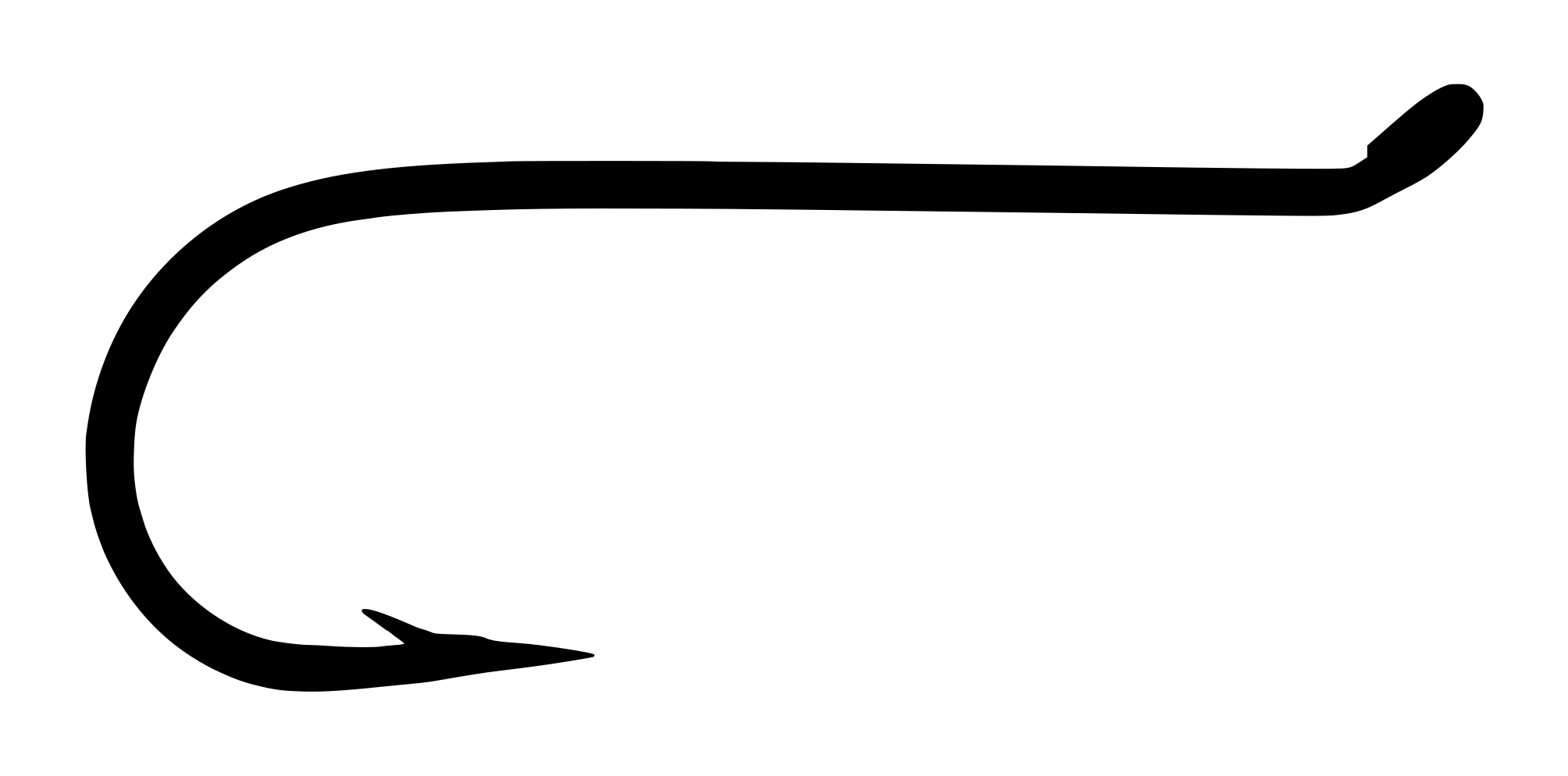
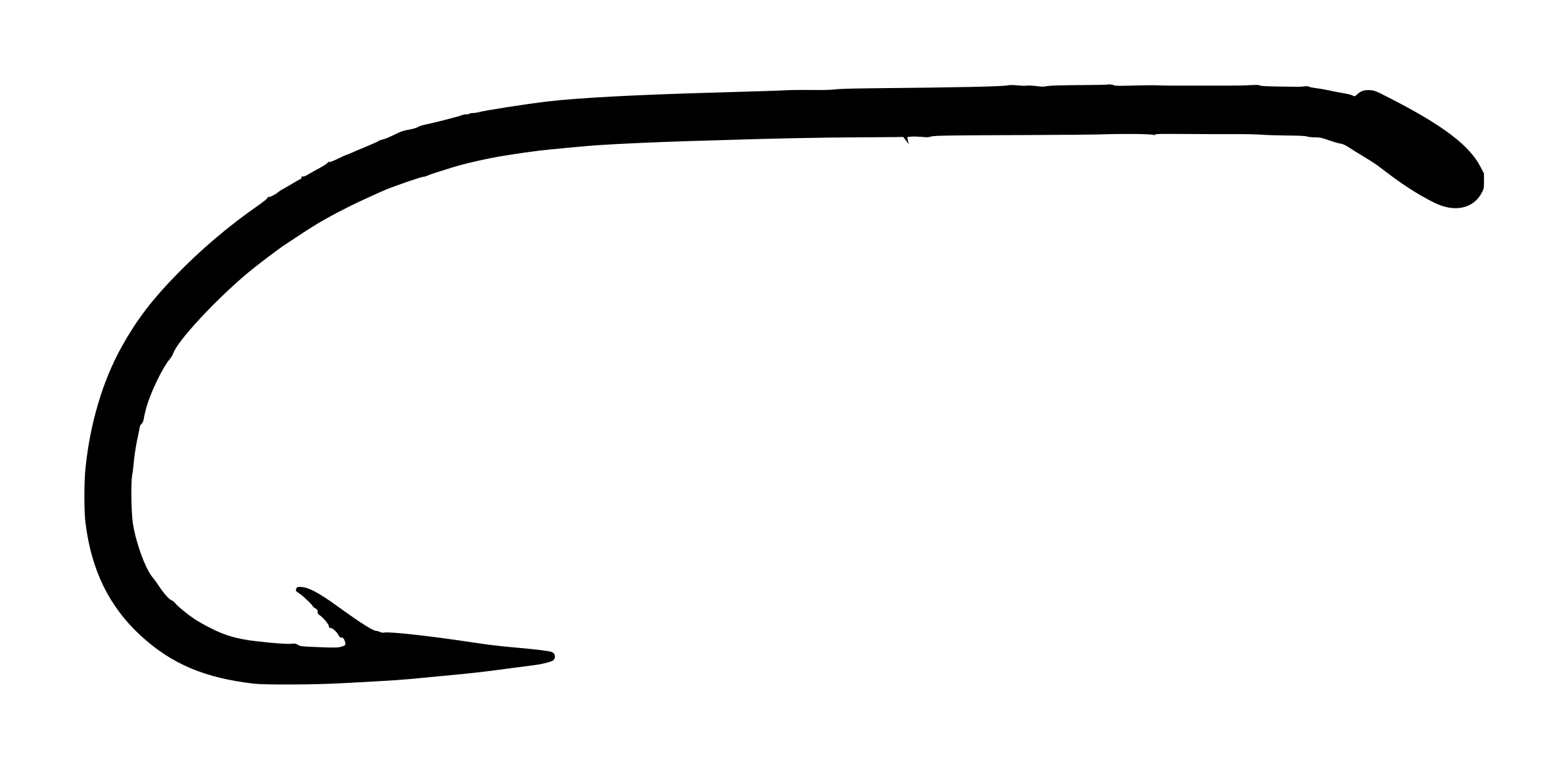
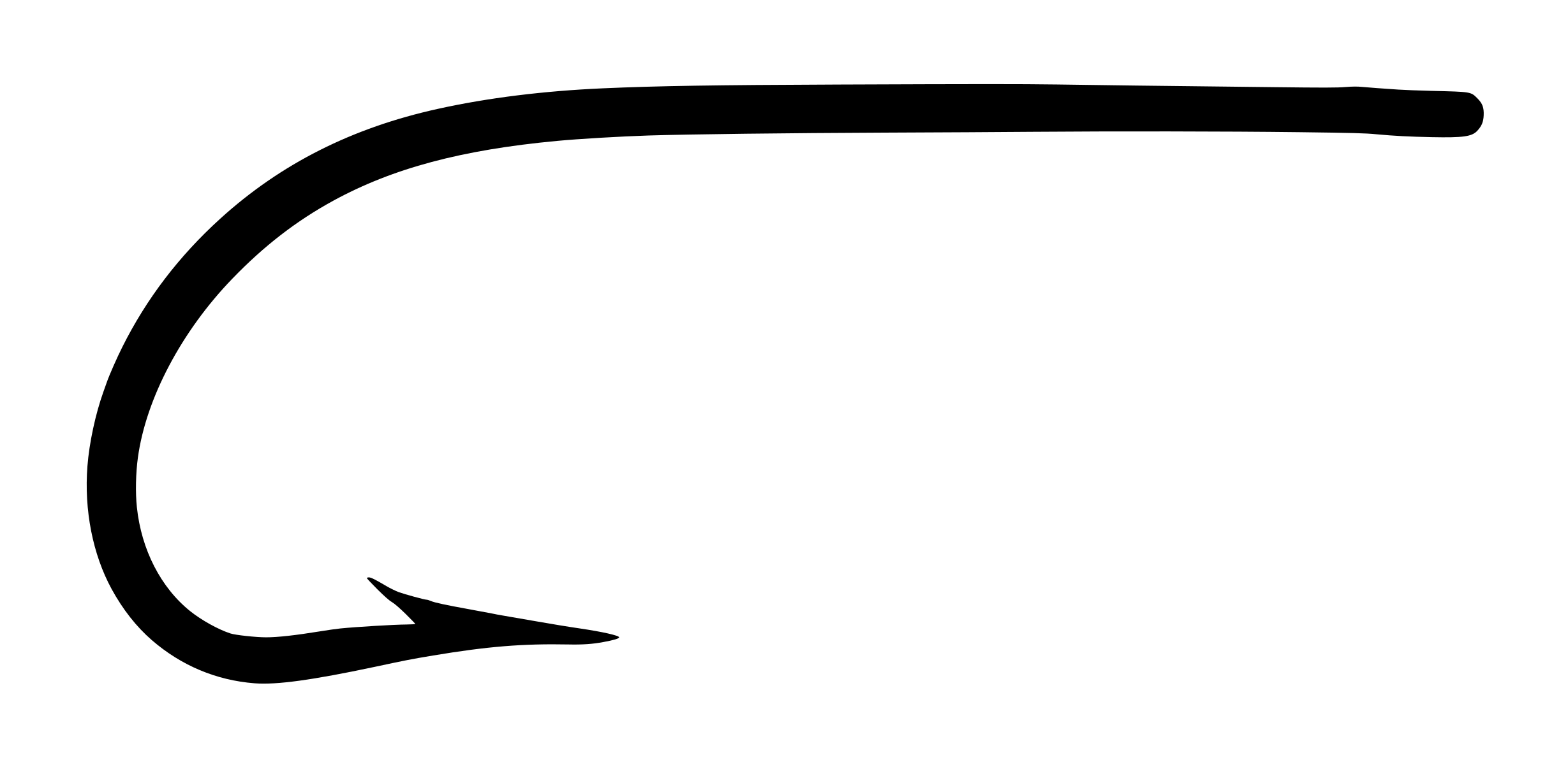
The Partridge L4A Captain Hamilton Featherweight is a standard dry fly hook manufactured by Partridge of Redditch, England, during the 1950s-1970s era of Alan Bramley’s stewardship. The defining feature is its wide-gape Captain Hamilton bend — developed in 1903 for New Zealand trout fishing — paired with fine wire suitable for traditional dry fly patterns of modest size. The turned-down tapered eye accommodates direct whipping of leaders and gut loops, reflecting mid-century fly construction practice.
The specimen documented here in size 14 exemplifies the scarcity trend noted by the researcher: while the L4A remains available in larger sizes, size 14 (the standard dry fly size for grayling and small trout) is becoming genuinely difficult to locate on original packaging. The light-blue Bramley-era card stock, black letterpress typography, and intact 25-hook count make this an increasingly valued reference piece for Partridge specialists and traditional fly tiers.
Collecting interest centers on the hook’s historical significance and the broader narrative of English hook manufacturing in Redditch. The L4A represents Partridge at the height of its reputation — before Mustad’s acquisition and the subsequent contraction of Redditch manufacturing. Original packaging in good condition commands a modest but genuine premium on the vintage tackle market.
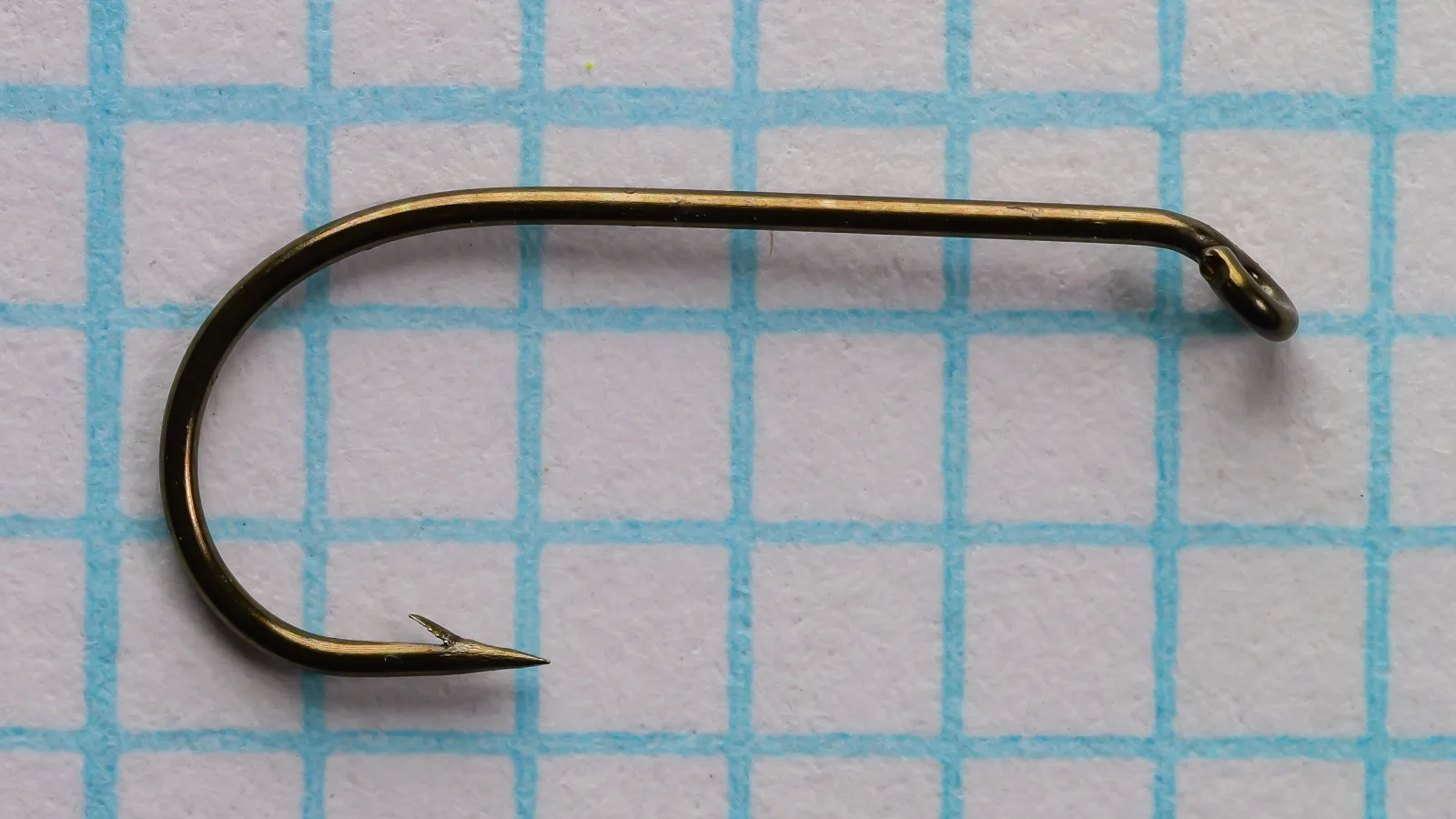
Side profile of Partridge L4A Captain Hamilton Featherweight, size 14, showing the wide-gape rounded bend and tapered down-turned eye, bronzed finish, on measurement grid.
Photographic record
5 cataloged imagesSelect any record to load it above.
5 images shown
Partridge L4A Size 14 Hook Side ProfileSide profile of Partridge L4A Captain Hamilton Featherweight, size 14, showing the wide-gape rounded bend and tapered down-turned eye, bronzed finish, on measurement grid.Open originalPartridge L4A Size 14 Bend and Barb DetailDetailed side view of the L4A bend profile, point geometry, and barb positioning, size 14, illustrating the smooth rounded bend and standard spear point construction.Open originalPartridge-L4A-Hook-Size-14Partridge-L4A-Hook-Size-14Open originalPartridge L4A Size 12 Original PackagingOriginal light-blue sales card for Partridge L4A Captain Hamilton Featherweight hooks, size 12, showing manufacturer name, model code, hook specifications, and period typography.Open originalPartridge L4A Size 14 Original PackagingOriginal light-blue sales card for size 14 L4A hooks, showing identical typography, logo, and specification text as the size 12 variant.Open original
Technical profile
Turned-Down Tapered Eye, Captain Hamilton Bend, Standard Shank, Fine Wire, Standard Spear Point, Bronzed Finish
Eye
Tapered Eye, Turned DownTapered closed eye angled downward. Suitable for direct whipping of leader and gut-loop attachment. P
Wire
Extra-Fine, Forged
Shank
Standard — Plain
Bend
Round / Kendal, Wide gapWide-gape rounded bend with smooth, continuous curve. Characteristic of Captain Hamilton geometry developed for New Zealand trout fishing. P
Point
Standard / SpearSmall, close-cut barb set high on the point. P
Finish
Bronzed — Confirmed (stated on packaging)Warm brown tone consistent with bronzed finish. Steel texture visible through coating. Confirmed on original packaging. V
The Captain Hamilton bend geometry reflects the wide-gape requirements of early 20th-century New Zealand trout fishing — larger trout on larger natural insects demanded a broader gape without excessive wire weight. The rounded, smooth curve distributes stress evenly across the bend, reducing breakage. Fine wire (featherweight) was preferred for dry flies because the reduced mass allows for more delicate fly construction and minimizes imprint on the water surface. The tapered down-eye facilitates direct whipping of leader and gut loops — a construction method standard before the invention of the loop eye (post-1960s). The flat-forged Captain Hamilton bend (as noted on the packaging) compresses the wire slightly, adding structural strength without weight — characteristic of Partridge’s precision forging technique.
The Captain Hamilton series comprises three core models spanning dry flies, wet flies, and spiders: the L2A (wet fly / soft hackle), L3A (spider, wide gape, short shank), and L4A (dry fly, standard shank). The L4A sits between the L2A and the more modern dry fly designs like the ‘Ideal’ SUD (black nickel, barbless). The Captain Hamilton line was used extensively for dry fly patterns, particularly palmers and cracklebacks, and remains one of Partridge’s most recognizable designs. The series was in continuous production from the 1950s through the 1990s under Bramley’s stewardship and continued under Mustad until discontinuation was announced (circa 2000s). The model code ‘L4A’ denotes ‘Standard shank / Captain Hamilton bend / down eye.’ The featherweight designation originally distinguished fine-wire versions from standard versions and persists on vintage packaging despite the modern catalog’s shift away from the term.
Named Collaborator
The original Captain Hamilton hook was commissioned in 1903 by a customer named Captain Hamilton for trout fishing in New Zealand. The identity and biographical details of Captain Hamilton himself remain obscure in published sources; Partridge’s corporate history does not elaborate beyond noting his role as the commissioning angler. The hook’s success, however, established his name as a lasting legacy in fly fishing, with dozens of contemporary and vintage fly patterns bearing his name across multiple manufacturers’ catalogs.
Era and Packaging Dating
Packaging features light blue card stock with black letterpress print, serif 'Partridge of Redditch' typography, and bird logo consistent with Alan Bramley-era production (mid-1970s onward). No barcode present (pre-1974 standard). Packaging construction, phone number format, and postal code format (UK pre-1995 style) consistent with 1950s-1970s production. The L4A designation appears in post-war Partridge catalogs. Hooks themselves show no anachronistic features.
A Legacy Named Captain Hamilton
The original Captain Hamilton hook was commissioned by an angler of the same name in 1903, making the L4A a direct lineal descendant of one of fly fishing's oldest named patterns. For decades, fly tiers relied exclusively on the Captain Hamilton bend for dry flies, and the design became so dominant that many tyers simply ordered 'Hamilton hooks' without specifying a manufacturer — assuming Partridge was the only source worth considering. The featherweight designation emerged as a marketing term emphasizing the delicate wire gauge, yet the term has since fallen out of use in modern Partridge catalogs, making vintage featherweight cards increasingly prized as historical documents of English hook terminology.
Matches: Shank, Eye, Eye Orient., Point, Finish +3 moreDiffers: Bend: Round / Kendal vs Perfect; Wire: Extra-Fine vs Fine (1X Fine); Gap: Wide vs Standard +1 more
The L4A is a standard dry fly hook intended for traditional trout and grayling patterns. The Captain Hamilton bend — a wide-gape, rounded profile — was developed in the early 1900s for New Zealand fishing requirements and became a foundational design across Partridge’s catalog. The featherweight designation indicates fine wire (standard or slightly lighter than standard) suitable for patterns where delicate presentation and minimal imprint on the fly are priorities. The turned-down tapered eye facilitates direct whipping to leader and gut loops, consistent with pre-1970s dry fly construction practice.
Classic Fly Patterns
North Country Spider, Soft Hackle Wet, traditional British dry fly patterns (Greenwell's Glory, March Brown, Olive Dun variants)
Collector notes
Rated 8/10. The Captain Hamilton L4A is increasingly difficult to find, especially in size 14. Collector demand is strong among traditional dry fly tiers and Partridge specialists, but the absolute scarcity is limited by the volumes Partridge produced during the 1950s-1970s. Larger sizes remain common; size 14 is genuinely scarce. Original packaging in good condition is the primary value driver.
Reference value
$13 – $18 USD estimate
Packaging format
GW-PT-BR-LBC-02Catalog code
Collectability Strengths: The L4A represents Partridge at its height of reputation — precision English hook manufacturing, fine wire suitable for dry flies, and the iconic Captain Hamilton bend. The featherweight designation speaks to craftsmanship and makes these particularly prized by traditional fly tiers. Size 14 is the sweet spot for modern dry fly tying and increasingly hard to locate on original cards.
Limiting Factors: The L4A was produced in relatively large volumes by Partridge standards, so it never reaches the rarity of discontinued specialty patterns. Many surviving examples are loose or on damaged cards. Mustad’s post-1996 ownership and closure of Redditch manufacturing (mid-2000s) have reduced availability of stock vintage cards. The researcher notes indicate these are ‘getting more difficult to find,’ which suggests the scarcity premium is rising.
Most Desirable: Size 14 in original light-blue Bramley-era packaging with all 25 hooks intact. Sealed or near-sealed cards command the highest premiums. Size 12 is more common; sizes 16+ are also easier to find. Condition of the card — bright printing, intact edges, no staining — significantly affects value among collectors.
Condition Factors: Original tissue interleaving (if present) adds 15-25% premium. Complete hook count is essential — each missing hook reduces card value by 3-5%. Packaging wear (creasing, edge splitting, fading print) reduces value by 20-40% depending on severity. Hooks themselves showing any corrosion or dullness reduce value moderately, as bronzed hooks are expected to develop patina.
Packaging
Light blue card stock (approximately 3.5" × 2.25") with black letterpress printing. Front features: Partridge of Redditch serif wordmark with bird logo; model code 'L4A' in black box; hook size '14' in black box; quantity '100 per case / 25 per card' (indicating bulk packing). Verso: 'CAPTAIN HAMILTON FEATHERWEIGHT (DOWN EYE) HOOKS,' 'BRONZE DOWN/EYE FLAT FORGED CAPTAIN HAMILTON BEND WIDE GAPE,' 'MADE BY PARTRIDGE OF REDDITCH, ENGLAND.' Hooks affixed to card with single or double-fold tissue interleaving between rows. Card edges show age-toning and light creasing typical of 50+ year old stock.
Market Value Notes
Low ($13): Good condition, opened packaging, complete or near-complete hook count, light wear on card.<br />
High ($18): Excellent/Mint condition, sealed or nearly sealed packaging, full 25-hook count, minimal wear or defects.<br />
Premium factors: Size 14 (scarcer than 12), original Bramley-era light-blue card, intact tissue, original box vs. card format (boxes command 2-3x premium).<br />
Platforms: Based on eBay sold data (May 19, 2023 – May 18, 2026), avg $15.29, range $12.99 - $17.59.<br />
Confidence: V Verified — directly from researcher-entered eBay sold statistics covering 3-year period; 2 sellers; limited sample size warrants caution on cards in exceptional condition.
Where to Find
eBay (both UK and US listings), specialist Partridge dealers (e.g., Whitetail Fly Tieing, Richard Jefferies vintage hook collections), UK tackle fairs and auction houses, occasional offerings at fly fishing forums and specialist dealers in the US and Europe. Rarer in sealed/complete condition; more common as loose hooks or mixed lots.
Collector's Identification Tips
Size 14 is becoming scarcer than larger sizes. Original light-blue card packaging in good condition adds significant premium. Check that all 25 hooks remain on card — missing hooks reduce value. Look for consistent bronzed finish without corrosion. Verify tapered eye construction (not ball eye — the L4A uses tapered). Cards from the Bramley era (1970s) are more sought after than later Mustad-era cards.
eBay Market Reference
Period: May 19, 2023 – May 18, 2026Avg sold: $15.29Range: $12.99 - $17.59Avg shipping: $5Sellers: 2
eBay market reference. Researcher-curated. Prices in USD.
Preservation
Storage and Preservation
Store the original card in a cool, dry environment away from direct sunlight and humidity. The bronzed finish will develop a patina over time — this is expected and does not diminish the hooks’ usability or value to collectors. Avoid contact with other metals to prevent galvanic corrosion; store the card in its original packaging rather than transferring hooks to plastic containers. If the card shows water damage or active rust, place a small silica gel packet in an airtight box with the card to stabilize the environment. Do not attempt to clean or polish the hooks; age-related patina is historically authentic and valued by collectors. Inspect annually for any corrosion or deterioration of the card substrate. Original tissue interleaving, if present, should be left undisturbed; this protects the hooks and preserves the authenticity of the package.
Primary Source
Packaging Text Analysis
Source: Partridge L4A Original Light-Blue Card, Bramley Era (c. 1950-1975)
‘CAPTAIN HAMILTON FEATHERWEIGHT (DOWN EYE) HOOKS’ — The term ‘featherweight’ denotes fine-wire construction relative to standard gauge, a marketing convention of mid-century Partridge that has since fallen out of use. The parenthetical ‘(DOWN EYE)’ specifies the eye angle, distinguishing this model from the L4A’s up-eye variants (not visible in surviving cards examined). ‘BRONZE DOWN/EYE FLAT FORGED CAPTAIN HAMILTON BEND WIDE GAPE’ — The phrase ‘flat forged’ is technically precise, indicating selective flattening of the bend’s cross-section to improve strength without adding weight. ‘WIDE GAPE’ reflects the original New Zealand design requirement. The use of ‘bronze’ (not ‘bronzed’) is characteristic of older Partridge packaging; modern cards use ‘bronze finish.’ The emphasis on ‘MADE BY PARTRIDGE OF REDDITCH, ENGLAND’ is consistent with the Bramley era’s assertion of English manufacturing pride and authenticity — a claim that became increasingly significant as Japanese and Norwegian manufacturers expanded market share through the 1970s-1980s.
Size Note
Size 14 Scarcity
Size 14 is anomalous within the L4A series: it is significantly scarcer than sizes 12 and 16 despite being one of the most useful sizes for traditional dry fly tying. This scarcity pattern suggests either (a) lower historical production volumes for size 14, or (b) higher tyer demand and retention, leaving fewer cards in the secondary market. The researcher notes that ‘getting more difficult to find’ applies specifically to size 14, indicating supply has tightened over the past 10-15 years. Larger sizes (10, 12) and smaller sizes (16, 18) remain more commonly available at consistent price points, whereas size 14 cards have appreciated relative to the wider market and command attention from serious collectors. This size-specific scarcity is not documented in printed Partridge catalogs and should be verified against additional examples.
Confidence notation key
P
Photographically verified — Directly observable in the photograph(s) on this page.
V
Verified by documentation — Confirmed by manufacturer catalog, spec sheet, or published reference.
I
Inferred — A logical deduction from observable or documented evidence, not directly stated.
E
Estimated — An approximation based on visual comparison, proportional analysis, or limited data.
S
Speculative — A reasoned hypothesis that cannot be confirmed from available evidence.
Claims with no notation are confirmed by multiple independent sources. All photographs on garrenwood.com are taken on a measurement grid where each square equals 1/10 inch (0.1″ / 2.54 mm).