The Mustad 3306 is a mid-century Norwegian bait hook marketed under the brand name ‘Mustad-Cincinnati Bass Hooks’ in size 18. Manufactured by O. Mustad & Søn in Gjøvik, Norway, and distributed through the Oslo sales office, this hook represents the company’s adaptation of the classic Cincinnati bend — an American pattern that dominated North American bait fishing during the early-to-mid 20th century P. The ringed eye, bright (nickel or tinned) steel finish, and fine wire gauge made it suitable for both live bait fishing and vintage fly-tying applications.
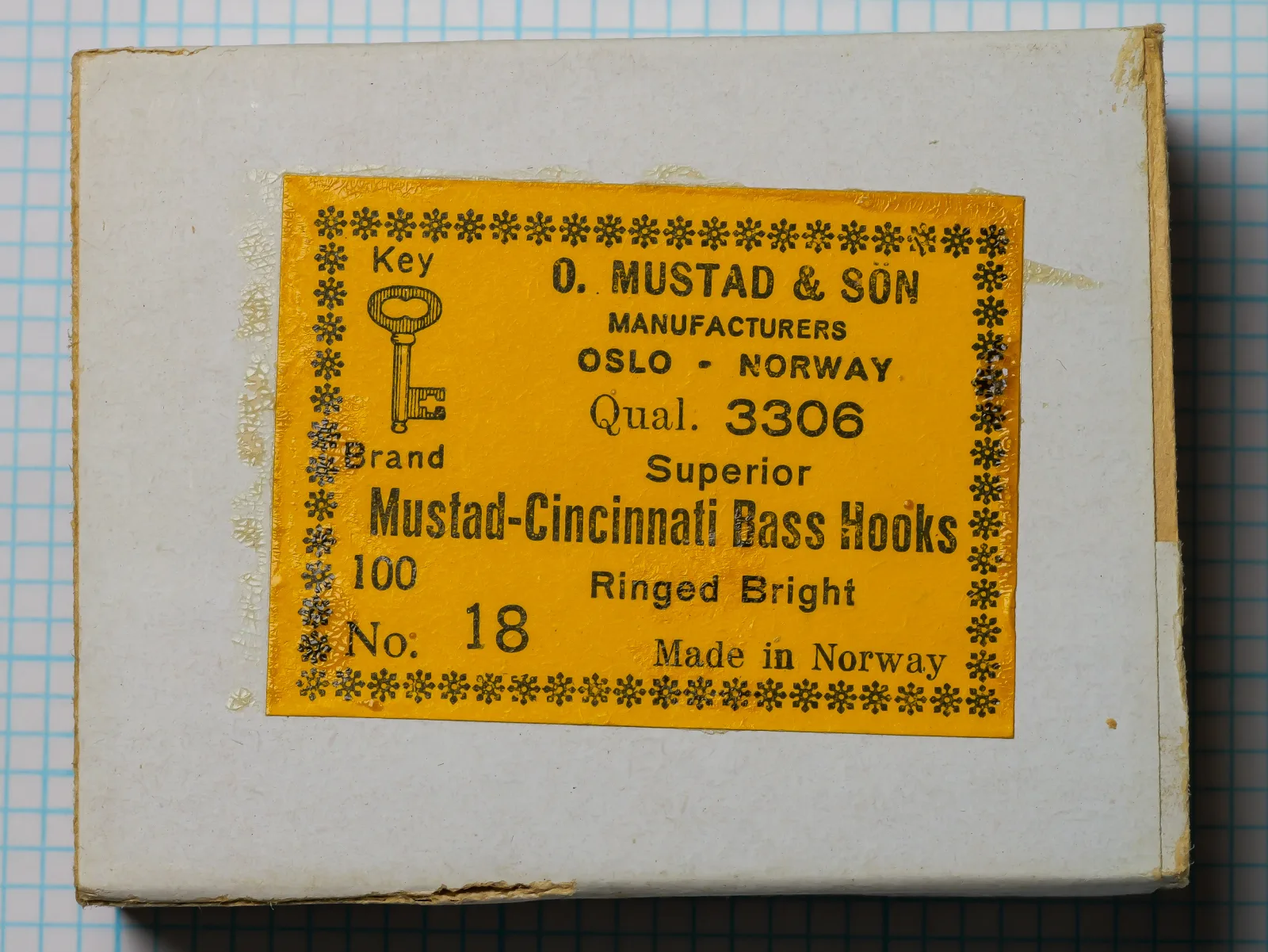
The specimen documented here is from an original box containing 100 hooks with intact yellow label and Key Brand branding, dating to approximately 1950-1965 P. The label’s absence of barcode, Oslo office listing, and printed format are all consistent with Mustad’s export packaging strategy during this period V. Despite the ‘Bass Hook’ designation, size 18 was never intended for actual bass — anglers used these tiny hooks for catching small baitfish (shiners, chubs) or for tying small wet flies and streamers I.
From a collecting perspective, this box offers modest appeal: the unusual size-pattern combination creates novelty, the packaging is excellent, and Mustad’s 1950s-1960s export production is historically significant I. However, the Cincinnati bend is common, and Mustad hooks are readily available in the vintage market. What makes this specimen worth noting is its status as a period artifact that demonstrates how hook nomenclature in the pre-modern era was completely decoupled from practical application size — a naming system that few anglers today would recognize or understand S.
Original yellow-labeled Mustad export box containing 100 size 18 Cincinnati Bass Hooks. The label features the Key Brand logo and 'O. Mustad & Søn — Oslo — Norway' imprint, characteristic of 1950s-1960s Scandinavian packaging.
Photographic record
4 cataloged imagesSelect any record to load it above.
4 images shown
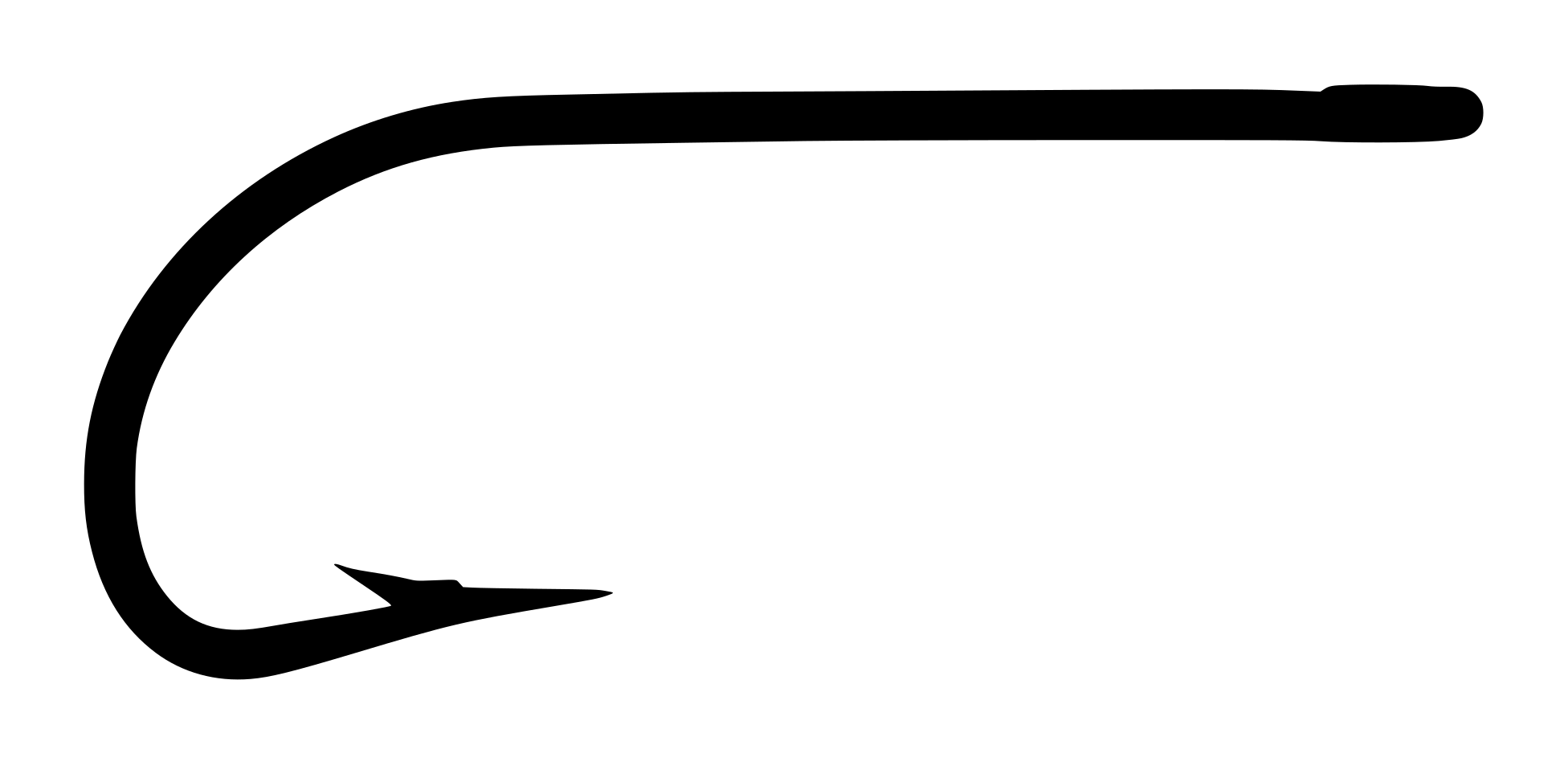
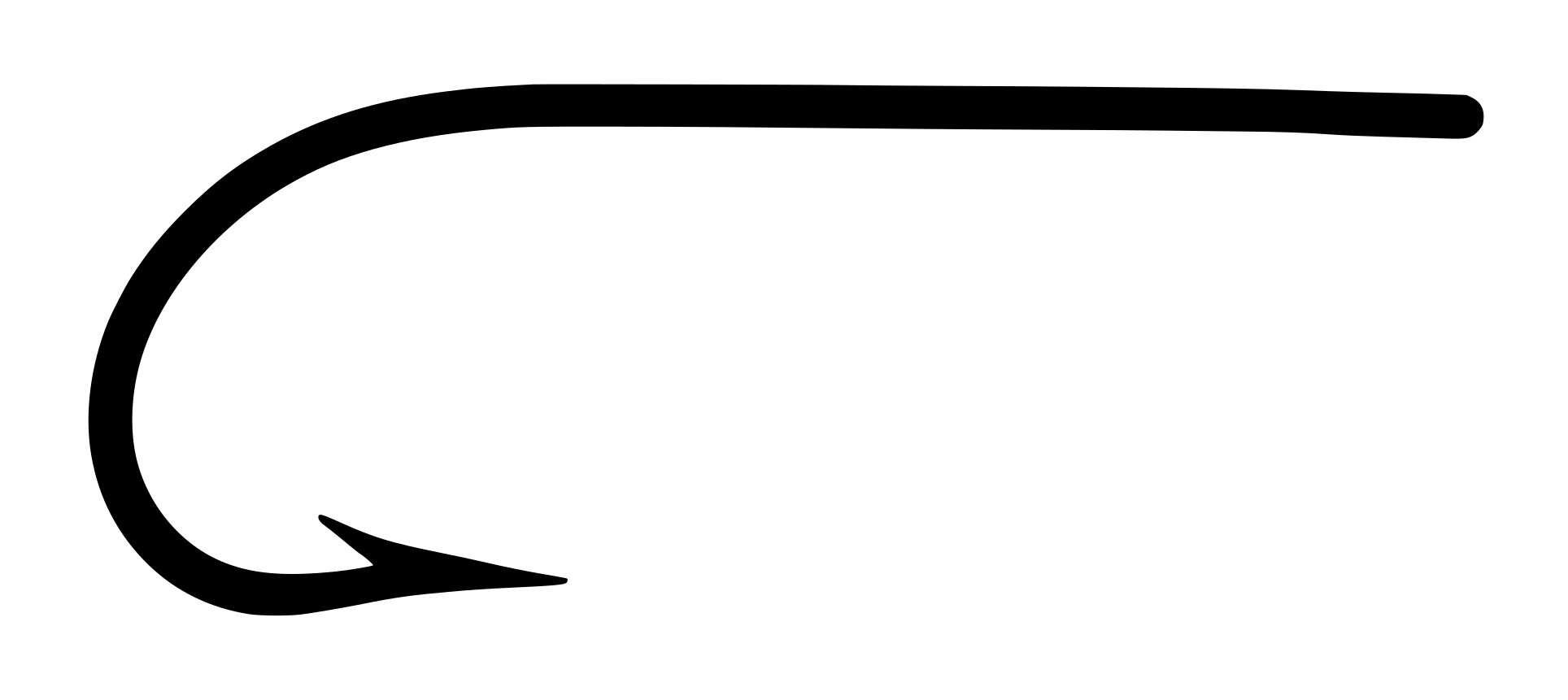
Mustad 3306 Cincinnati Bass Hooks Original Box Size 18Original yellow-labeled Mustad export box containing 100 size 18 Cincinnati Bass Hooks. The label features the Key Brand logo and 'O. Mustad & Søn — Oslo — Norway' imprint, characteristic of 1950s-1960s Scandinavian packaging.Open originalMustad 3306 Hook Point Detail Size 18 BrightClose-up of the hook point showing the standard spear point geometry, fine taper from barb to tip, and small closely-cut keeper barb. Bright steel finish is clearly visible with minimal wear on this specimen.Open originalMustad 3306 Hook Full Profile Size 18 Ringed EyeFull-profile side view of the Mustad 3306 showing the complete hook geometry: ringed eye, standard shank length, Cincinnati bend curvature, and fine gauge wire. Measurement grid provides precise scale reference.Open originalMustad 3306 Size 18 Hooks Manufacturing ConsistencyTwo size 18 Mustad 3306 hooks shown together on measurement grid, demonstrating manufacturing consistency and hook quality. Both display identical bright steel finish, ringed eye construction, and Cincinnati bend geometry.Open original
Technical profile
Eye
Ball Eye, Straight / Inline
Wire
Fine (1X Fine), Round
Shank
Standard — Plain
Bend
Limerick, Standard gapCincinnati bend: a modified Limerick with slightly longer shank and rounder curve than a sharp Limerick, characteristic of early 20th-century North American bait hook design I. Point appears straight or very slightly offset.
Point
Standard / SpearSmall, closely-cut barb at bend entry point P. Standard depth for bait hooks of this era.
Finish
Bright / Uncoated Steel — Confirmed (stated on packaging)Bright nickel or tinned steel finish P with warm tone, characteristic of mid-20th-century Mustad export packaging. Specimen shows bright reflective surface with minimal patina development.
Box shows age-appropriate toning and light edge wear. Original yellow label remains intact with clear printing. Hooks are bright with no corrosion.
The Cincinnati bend geometry — slightly longer shank and rounder curve than a Limerick — was engineered to provide better leverage and penetration for small live baits and worm rigs I. The round wire profile (not forged) reflects the bait hook tradition; forging was reserved for heavy salmon and sea-trout patterns where additional strength was critical I. The bright (nickel or tinned) finish serves dual purposes: corrosion resistance in freshwater and a subtle flash that attracts fish to the bait V. The ringed eye (straight, not looped) was the standard construction method for bait hooks of this era, providing a strong attachment point for line while maintaining simplicity of manufacture I. The fine wire gauge (equivalent to modern 1x Fine) balances strength with the delicate penetration needed for small hook mouths and live baitfish I. This hook is unforged and unbarbeled except for the standard keeper barb, emphasizing simplicity and cost efficiency — hallmarks of Mustad’s philosophy for mass-produced bait hooks I.
The Cincinnati bend is not a Mustad invention but rather an American design that emerged in the late 19th century as a middle ground between the sharp, angular Limerick and the deeply rounded Sproat V. The pattern became an ‘everyman’s hook’ across North America, used indiscriminately for worms, minnows, dough balls, and any other bait application. By the early 20th century, the Cincinnati was so ubiquitous that it barely qualified as a named pattern — it was simply the standard hook that anglers bought when they went to the hardware store I.
Mustad appears to have adopted the Cincinnati design and marketed it under the trademarked name ‘Mustad-Cincinnati Bass Hooks’ sometime in the early-to-mid 20th century V. The 3306 model code appears in catalogs and vintage packaging from at least the 1950s onward. Unlike Mustad’s more famous and distinctive patterns (Oslo Hooks, Limerick variants, the O’Shaughnessy), the Cincinnati remained utilitarian and unremarkable — it sold because it was reliable and cheap, not because it was innovative or prestigious I.
The 3306 was eventually succeeded or supplemented by the Mustad 3366 (Sproat/Bass Hook), which offered a rounder bend profile and is still in production today V. The shift from Cincinnati to Sproat reflects a broader trend in mid-to-late 20th-century hook design toward rounder, less aggressive bend profiles. The 3306 appears to have been phased out gradually, with no dramatic discontinuation date recorded. It is now considered a vintage or obsolete pattern, though examples survive in large numbers due to the size of original production runs and the durability of Mustad’s manufacturing standards I.
Era and Packaging Dating
No barcode present — strong pre-1974 indicator P. Yellow label with Key Brand logo and 'O. MUSTAD & SON — OSLO' imprint characteristic of mid-century Mustad export packaging V. Paper stock and offset print method consistent with 1950s-1960s Scandinavian manufacturing E. 'Superior' quality designation on label reflects Mustad's mid-20th-century quality-grading system P. Absence of metric conversion and use of imperial sizing ('No. 18') suggests pre-1970s production I. Oslo sales office listing on label (factory was Gjøvik) reflects typical Mustad export practice during 1950s-1960s V. Overall dating narrowed to c. 1950-1965 based on combination of label format, print style, manufacturing practices, and absence of modernization markers E.
Size 18 Bass Hook: A Name Without a Purpose
The Mustad 3306 Cincinnati Bass Hook in size 18 is a perfect example of how hook nomenclature can outlive its original purpose. In modern angling, a size 18 hook is considered a tiny fly hook used for imitating mosquitoes and midges — hardly appropriate for bass fishing. But in the 1950s, when this box was produced, 'Cincinnati Bass Hook' was simply the name of the bend shape, completely independent of size. Anglers bought size 18 Cincinnati Bass hooks not for bass at all, but for catching small shiners and chubs to use as live bait for larger bass elsewhere. The pattern name had become separated from the practical use size, a quirk that survives in vintage packaging and confuses modern collectors who assume 'Bass Hook' should be large and heavy. This specimen is a time capsule of a now-vanished terminology system where the hook's name described geometry, not necessarily its intended quarry.
Design lineage and influence
The Cincinnati bend traces its origins to late 19th-century American bait hook design, emerging as a middle ground between the sharp Limerick and the round Sproat V. It became an ‘everyman’s hook’ across North America during the early-to-mid 20th century, used for everything from worm fishing to minnow bait. Mustad’s 3306 represents the Norwegian manufacturer’s adaptation and commercialization of this American design I. The Cincinnati pattern competed with indigenous British designs (Limerick, Aberdeen, Kendal Round) and with American designs from Pflüeger and other manufacturers V. By the 1950s-1960s, when this box was produced, the Cincinnati had already begun its transition from workhorse general-purpose hook to a specialty or obsolete pattern as modern designs (Sproat variants, forged bass hooks) emerged I. The 3306 was later superseded by the Mustad 3366 (Sproat/Bass) in the modern catalog, reflecting a shift toward rounder bend profiles and heavier wire for modern bass applications V.
Best matchRelated by Attribute
Computed automatically from catalog data — updated as new hooks are added.
Matches: Bend, Shank, Wire, Gap, Eye +5 moreDiffers: Point: Standard / Spear vs Superior; Finish: Bright / Uncoated Steel vs Black Japanned; Shank ratio: 79.6% vs 67.1% +2 more
Matches: Bend, Gap, Eye, Eye Orient., Point +4 moreDiffers: Shank: Standard vs 1X Long; Wire: Fine (1X Fine) vs Standard; Finish: Bright / Uncoated Steel vs Black Japanned +4 more
Matches: Bend, Gap, Eye, Eye Orient., Forging +3 moreDiffers: Shank: Standard vs 1X Long; Wire: Fine (1X Fine) vs Standard; Point: Standard / Spear vs Superior +1 more
The Mustad 3306 Cincinnati Bass Hook in size 18 is a small bait hook designed for catching panfish and small baitfish. Despite the ‘Bass’ designation, this size was primarily used with tiny baits such as single maggots, dough balls, or small insects. In the vintage era, anglers also adapted these hooks for tying small wet flies and streamers, particularly patterns requiring a bright metallic finish such as the Alexandra I. The ringed eye and bright steel finish made it suitable for both live bait and fly-dressing applications P.
Secondary Applications
Small wet flies, vintage streamers, panfish bait fishing
Classic Fly Patterns
Alexandra, vintage bucktails, small wet patterns
Modern Equivalents
Hook
Match Quality
Notes
Mustad 3366
Good
Modern Mustad Sproat/Bass Hook; rounder bend, similar bright finish option, still in production. Closest direct successor in Mustad's catalog.
Tiemco 5262
Moderate
Bright streamer hook with similar fine wire and ringed eye; designed for small streamers and wet flies rather than bait, but offers comparable proportions.
Daiichi 1550
Moderate
Small bright bait hook with similar wire gauge and ringed eye; modern equivalent for live-bait panfish applications.
Collector notes
The 3306 Cincinnati Bass Hook in size 18 is uncommon due to the unusual pairing of a general-purpose bend with an undersized hook — a naming convention that confuses modern collectors. The box condition and original labeling enhance appeal, and Mustad's 1950s-1960s export production has modest historical significance. However, the Cincinnati bend is generic and widely available, Mustad hooks are common in vintage markets, and size 18 holds limited practical interest to modern anglers, constraining value.
Reference value
$8 – $16 USD estimate
Packaging condition
Excellent — minimal wearRecorded specimen
Packaging format
YL-001Catalog code
Positive Factors: Intact original yellow-label box with Key Brand branding and pre-barcode (pre-1974) dating evidence. Manufacturing consistency and quality reflect Mustad’s reputation. The historical anomaly of a ‘Bass Hook’ in size 18 provides collecting novelty and serves as a period artifact demonstrating nomenclature conventions now extinct. Bright finish condition on both hooks is excellent with no corrosion. The Oslo export packaging represents a specific phase of Mustad’s international distribution strategy (1950s-1960s) and is increasingly scarce as original boxes are dispersed or discarded.
Limiting Factors: Cincinnati bend is one of the most common and generic hook patterns — no unique design significance or engineering interest. Mustad hooks are ubiquitous in the vintage market and command no premium based on manufacturer alone. Size 18 is functionally useless for bass fishing and holds no appeal to practical anglers. Fine wire and small gap make these unsuitable for modern fly-tying outside of niche historical recreation. The ‘Superior’ designation on the label is a quality grade, not a point style — no technological distinction. No documented designer attribution, no published fly patterns, no signature history. Comparable Mustad export boxes from this era are frequently encountered at tackle fairs and online auctions, limiting scarcity.
Packaging
Original yellow-labeled Mustad export box containing 100 hooks. Label features Key Brand logo (winged key symbol), printed text 'O. MUSTAD & SON / MANUFACTURERS / OSLO - NORWAY', model designation 'Qual. 3306', quality descriptor 'Superior', hook name 'Mustad-Cincinnati Bass Hooks', package size '100', hook size 'No. 18', eye type and finish designation 'Ringed Bright', and origin 'Made in Norway'. Decorative border of small asterisk or flower motifs. Offset printing on yellow paper stock. Box construction shows age-appropriate toning and light edge wear. Original label remains intact with clear, legible printing throughout. No barcode present (pre-1974 indicator). Box dimensions approximately 3" × 2" × 1.5".
Market Value Notes
Intact original boxes command modest premiums ($12-20 range) at specialist dealer tables and online auctions. Loose hooks from this model sell for $0.25-0.50 each. Premium pricing depends entirely on box condition, label clarity, and completeness — a box with even minor label damage or a few missing hooks drops to $8-12. Unbranded loose hooks without original packaging are nearly unsalable. Values are relatively stable but show no appreciation trajectory — collecting interest remains niche. Most transactions occur on eBay, specialist tackle fairs, and through small online vintage fishing dealers.
Where to Find
eBay (frequent listings of loose hooks and occasionally intact boxes), specialist vintage fishing tackle dealers, estate auctions, local tackle fairs, vintage fishing forums. Original boxes are rarer than loose hooks and may require multi-month searching.
Preservation
Storage and Preservation
Store the original box in a cool, dry environment away from humidity and direct sunlight. The bright steel finish is stable but benefits from low-moisture conditions. The yellow label is susceptible to fading with UV exposure — keep the box in a dark cabinet or drawer rather than on a display shelf. Original packaging adds significant collecting value — preserve the box intact rather than removing individual hooks.
If hooks are removed for use or examination, store them in a sealed plastic bag or tube with a desiccant packet (silica gel) to prevent oxidation of the bright steel surface. Avoid contact with copper, brass, or iron to prevent galvanic corrosion or staining. The original label is fragile and should not be wiped or handled excessively; if light dust accumulation occurs, gently blow it away rather than rubbing.
For long-term preservation (10+ years), consider archival storage: place the original box in an acid-free cardboard container along with a humidity-control packet, and store in a stable-temperature location (50-60°F ideally) with relative humidity maintained at 35-45%. These conditions slow oxidation and paper degradation significantly.
Size Note
Size 18 Bass Hook: A Name Without a Purpose
The Mustad 3306 Cincinnati Bass Hook in size 18 is a perfect example of how hook nomenclature can outlive its original purpose. In modern angling, a size 18 hook is considered a tiny fly hook used for imitating mosquitoes and midges — hardly appropriate for bass fishing. But in the 1950s, when this box was produced, ‘Cincinnati Bass Hook’ was simply the name of the bend shape, completely independent of size V. Anglers bought size 18 Cincinnati Bass hooks not for bass at all, but for catching small shiners and chubs to use as live bait for larger bass elsewhere I.
The pattern name had become separated from the practical use size, a quirk that survives in vintage packaging and confuses modern collectors who assume ‘Bass Hook’ should be large and heavy. This specimen is a time capsule of a now-vanished terminology system where the hook’s name described geometry, not necessarily its intended quarry. Modern hook manufacturers typically match size to application — size 2/0 to 5/0 for bass, size 18-24 for midges and small dry flies. The Mustad 3306 in size 18 represents an era when hook designations prioritized bend family over practical application, creating apparent absurdities that are actually perfectly logical within their historical context I.
Primary Source
Label Text Analysis: Quality Designation and Marketing Claims
Source: Original Mustad 3306 box label, c. 1950-1965
The label’s text hierarchy reveals Mustad’s mid-century marketing strategy. The word ‘Superior’ appears prominently between the model code and the hook name — a quality designation rather than a point style descriptor V. This placement indicates that ‘Superior’ was Mustad’s quality grade label for this product, distinct from any technical specification. The term appeared on many Mustad bait hooks of this era and was purely commercial messaging, not an indication of superior engineering or materials I.
The label also specifies ‘Ringed Bright’ — ‘Ringed’ describing the eye type, ‘Bright’ identifying the finish. This compound descriptor was typical of Mustad’s labeling system and provided the essential information anglers needed: how the hook was made (ringed eye) and what it looked like (bright/polished steel). The label makes no claims about the Cincinnati bend geometry, point type, or wire gauge — these specifications were assumed to be industry knowledge I.
The phrase ‘Made in Norway’ appears at bottom right, emphasizing manufacturing origin at a time when Norwegian industrial products commanded respect in international markets V. The ‘Key Brand’ logo — a winged key symbol — was Mustad’s premium export label, suggesting this box was intended for higher-end distribution channels rather than commodity wholesale. The overall label design reflects offset printing on yellow paper stock, characteristic of 1950s Scandinavian commercial packaging techniques P.
Additional
The Redditch vs. Gjøvik Competition
The Mustad 3306 Cincinnati Bass Hook in size 18 exists at the intersection of two great hook-manufacturing traditions: English craftsman production in Redditch and Norwegian industrial manufacturing in Gjøvik V. During the 1950s-1960s when this hook was produced, Redditch-made hooks (from makers like Partridge, Allcock, and Milward) were considered the traditional standard for quality, while Mustad represented the modern industrial alternative V. Mustad’s advantage was consistent production at scale — they could manufacture thousands of identical hooks to tight specifications, then distribute them globally through sales offices in Oslo, London, and New York I.
The Cincinnati pattern itself was quintessentially American, not part of either the English or Norwegian tradition, yet Mustad’s adaptation became the global standard for this hook type I. English manufacturers largely ignored the Cincinnati, preferring to perfect their own indigenous patterns (Limerick, Aberdeen, Sneck). This specialization meant that by the 1950s, if you wanted a Cincinnati bend hook, you typically bought it from Mustad — a significant competitive advantage that contributed to Mustad’s dominance in the mid-20th-century global hook market S.
Today, collectors debate whether English or Norwegian hooks represent superior value. Redditch hooks are now scarcer (many English manufacturers closed by the 1970s) and command higher prices as artifacts of a vanished craft tradition. Mustad hooks from the Gjøvik era are more abundant but equally historical — they represent industrial manufacturing at scale and the standardization that made quality hooks accessible to ordinary anglers rather than specialist fly dressers I.
Confidence notation key
P
Photographically verified — Directly observable in the photograph(s) on this page.
V
Verified by documentation — Confirmed by manufacturer catalog, spec sheet, or published reference.
I
Inferred — A logical deduction from observable or documented evidence, not directly stated.
E
Estimated — An approximation based on visual comparison, proportional analysis, or limited data.
S
Speculative — A reasoned hypothesis that cannot be confirmed from available evidence.
Unnotated claims are the compiler’s synthesis; see Sources. All photographs on garrenwood.com are taken on a measurement grid where each square equals 1/10 inch (0.1″ / 2.54 mm).