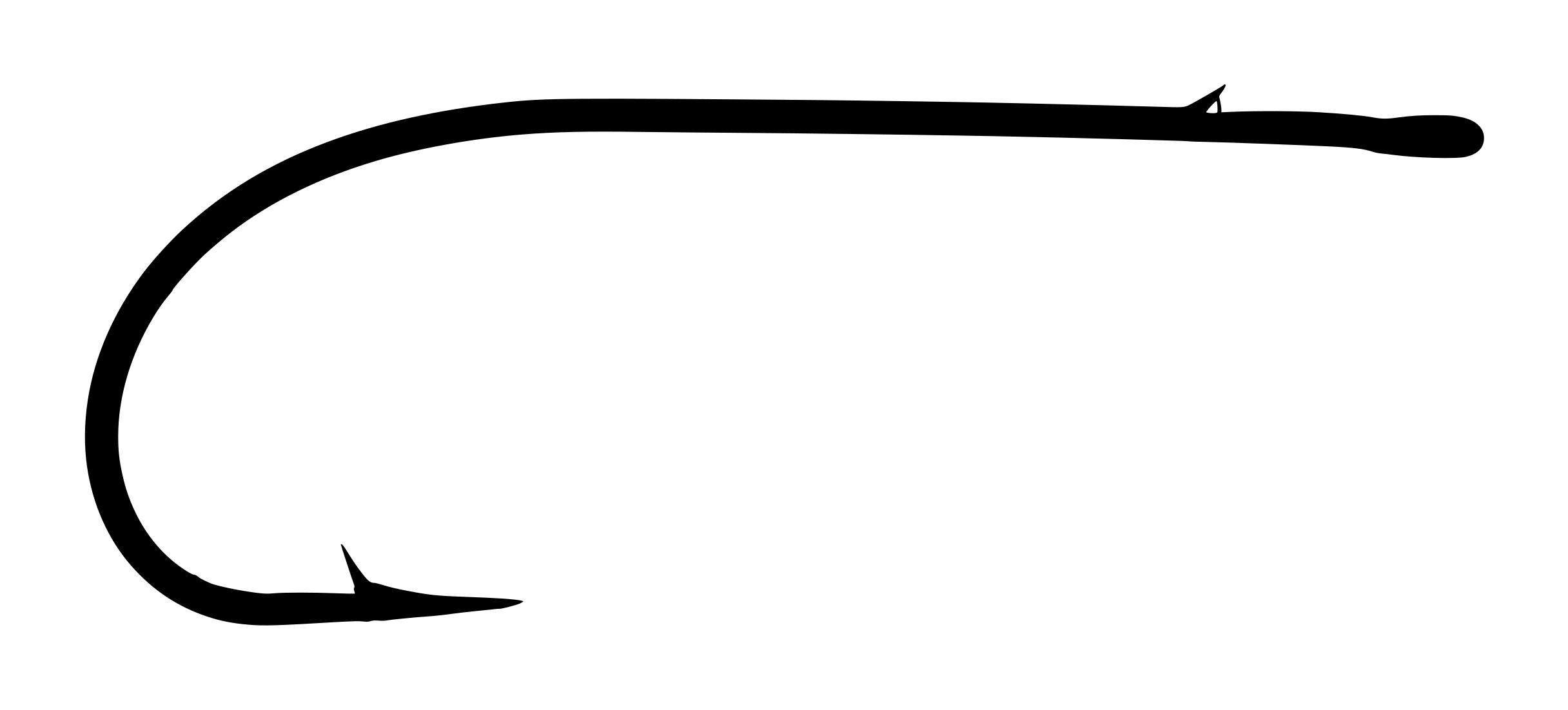
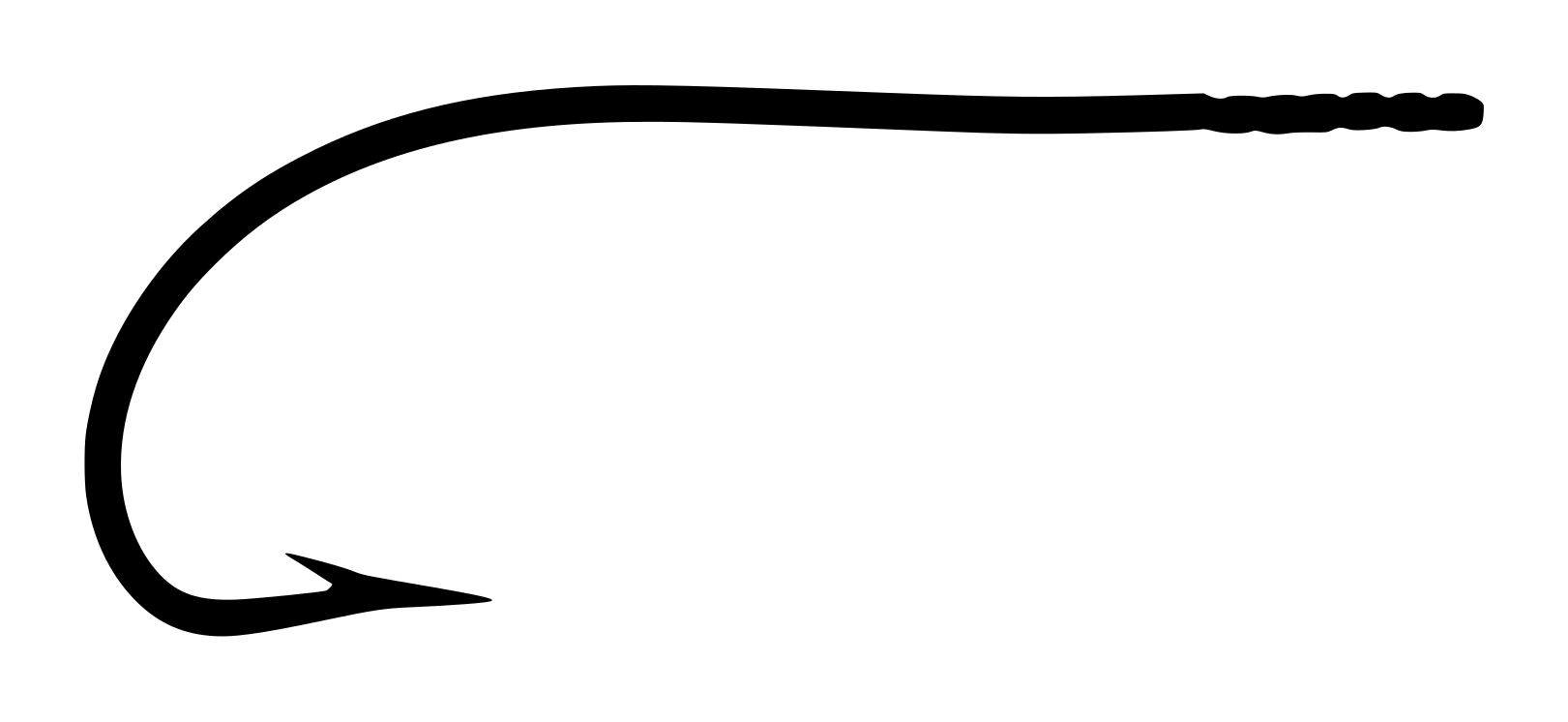
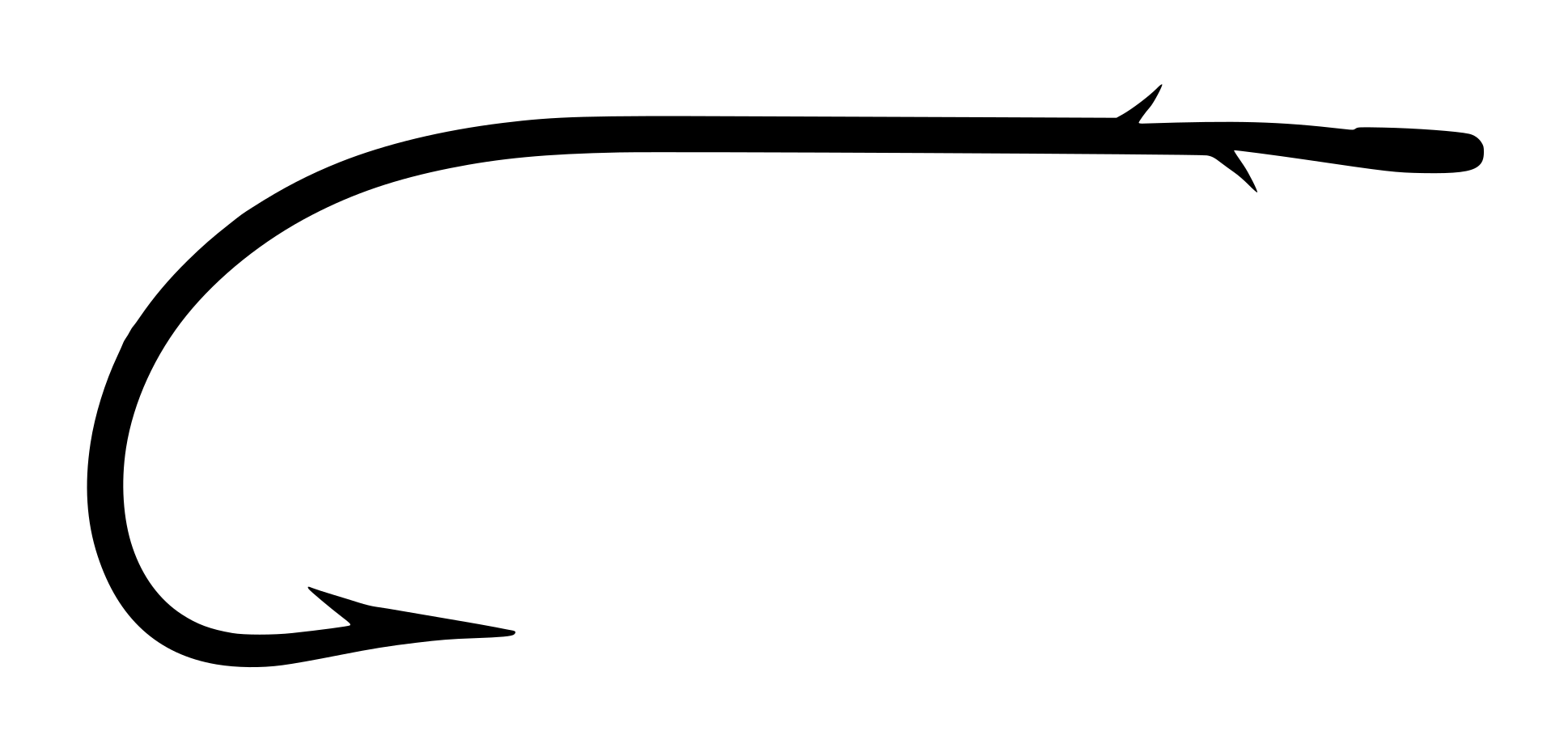
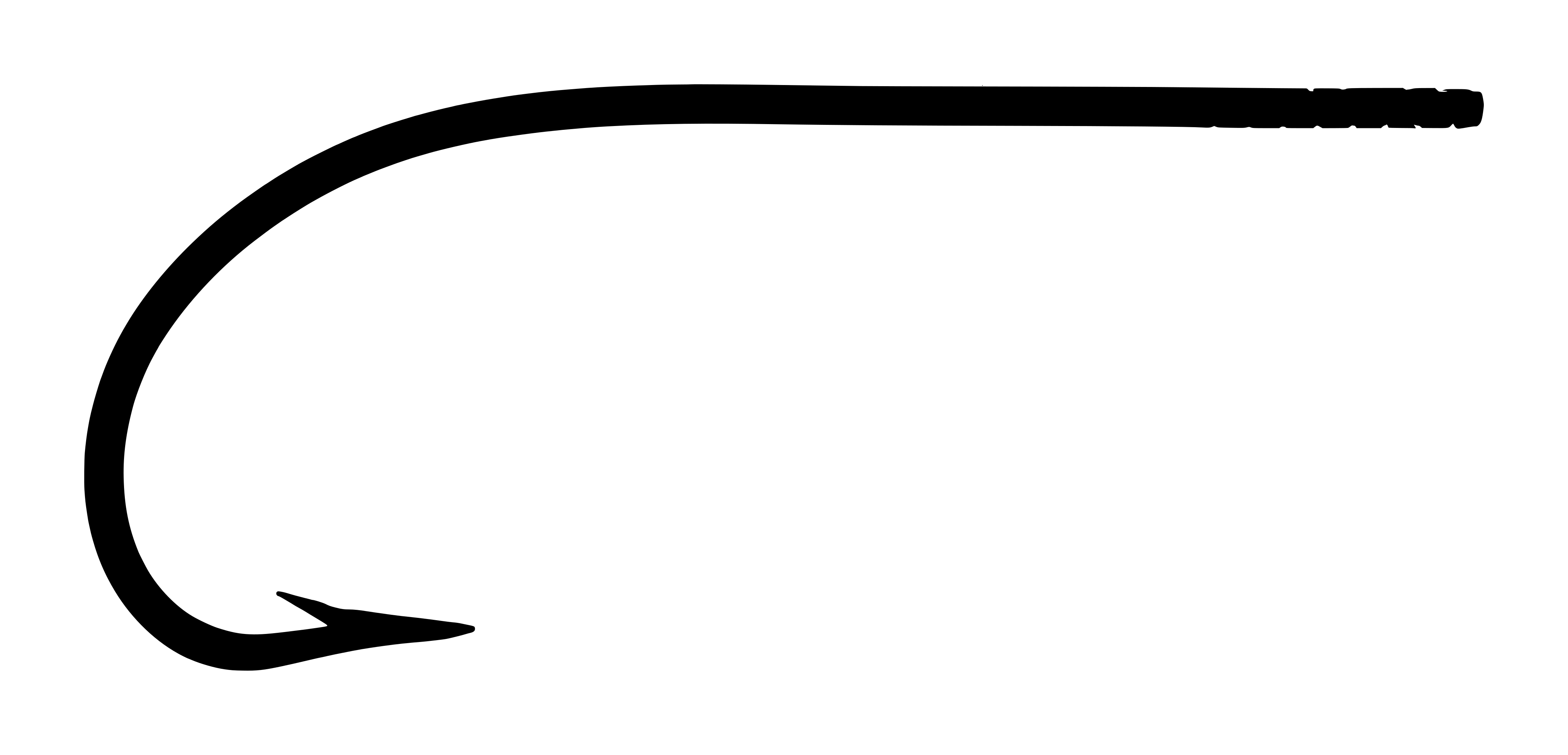
The Mustad 33602 is a size 3/0 Sproat hook manufactured by O. Mustad & Sön in their Gjøvik, Norway factory during the 1950s–1970s. This large hook features a straight ringed eye, heavy round-wire construction, and superior-point geometry finished in warm-tone gold plating. The designation on the original red cardboard label identifies it as part of Mustad’s mid-century premium product line.
The 33602 was designed primarily for bait fishing and streamer fly tying targeting large freshwater predators such as pike, bass, and walleye, as well as inshore saltwater species. The gold finish provides both visual attraction and modest corrosion resistance—though vintage gold plating was thinner than modern electroplating and susceptible to tarnishing in damp conditions.
Collectors value this hook for its documented Norwegian manufacture, period-correct packaging, and representation of Mustad’s mid-20th century industrial dominance in hook production. The combination of size, finish, and the iconic ‘Key Brand’ branding makes it a notable entry point for vintage Mustad collecting.
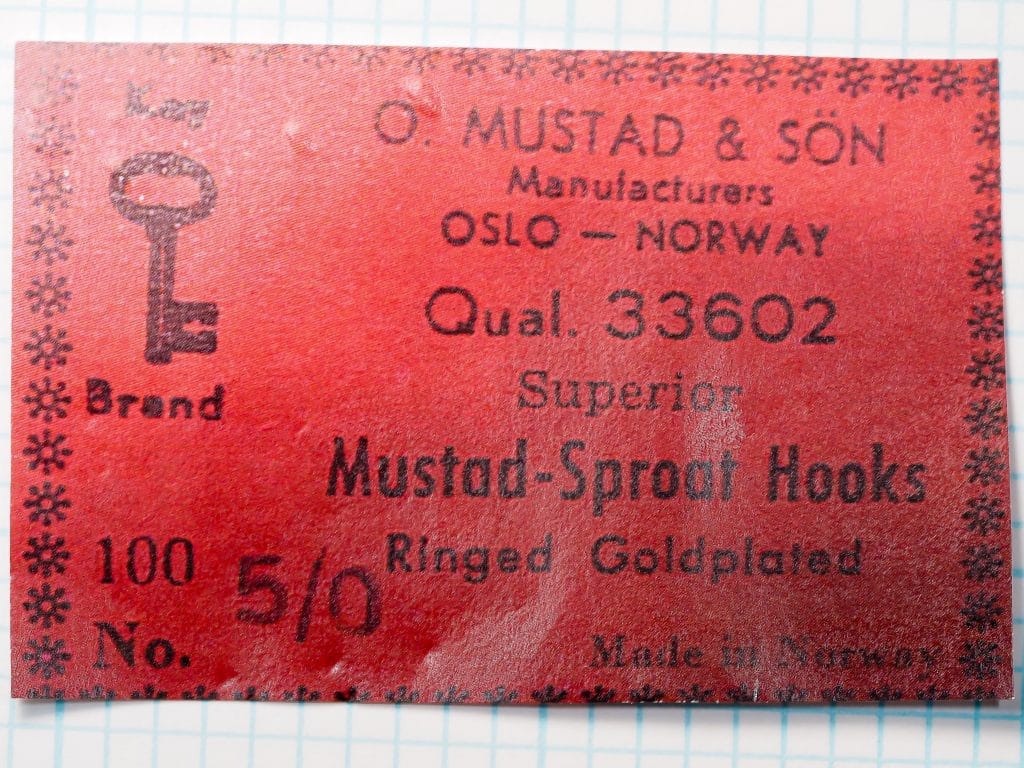
Bright red vintage cardboard box label for Mustad 33602 Sproat Hooks,, gold-plated, showing the iconic Key Brand logo and 'Oslo—Norway' manufacture legend. The letterpress printing and snowflake border motif are characteristic of Mustad's mid-20th century packaging design.
Photographic record
8 cataloged imagesSelect any record to load it above.
8 images shown
Mustad 33602 Original Box LabelBright red vintage cardboard box label for Mustad 33602 Sproat Hooks,, gold-plated, showing the iconic Key Brand logo and 'Oslo—Norway' manufacture legend. The letterpress printing and snowflake border motif are characteristic of Mustad's mid-20th century packaging design.Open originalMustad 33602 Hook ProfileSide profile of a Mustad 33602 Sproat Hook, size 3/0, showing the complete hook geometry from the straight ringed eye through the rounded Sproat bend to the superior-point tip. The gold plating tone and intact finish are visible against the measurement grid.Open originalMustad 33602 Superior Point DetailMagnified close-up of the Mustad 33602 point and barb, showing the superior-point geometry with near-straight inner taper and short close-cut barb. The fine detail visible on the grid demonstrates the precision of the Gjøvik factory's forging and finishing work.Open originalMustad 33602 Package Contents and LabelOriginal Mustad 33602 box label displayed alongside two specimen hooks, showing the relationship between the printed packaging designation and the actual hooks. Both hooks display uniform gold plating and identical Sproat bend geometry.Open originalMustad 33602 Box and Label Size 3-0Mustad 33602 Box and Label Size 3-0Open originalMustad 33602 Hook Point Size 3-0Mustad 33602 Hook Point Size 3-0Open originalMustad 33602 Hook Size 3-0Mustad 33602 Hook Size 3-0Open originalMustad 33602 Hooks Size 3-0Mustad 33602 Hooks Size 3-0Open original
Technical profile
Eye
Ball Eye, Straight / Inline
Wire
Extra-Fine, Round
Shank
1X Long — Plain
Bend
Sproat, Standard gap
Point
Superior (near-straight inner taper)Short, close-cut barb positioned immediately behind the point. Angular cut at approximately 45°. P
Finish
Gold-Plated — Confirmed (stated on packaging)Warm-tone gold plating with visible patina and light surface wear consistent with vintage specimen age. Plating is intact with no significant flaking or corrosion visible on this specimen. P
The superior point geometry visible on this specimen features a near-straight inner taper from the barb to the tip, creating a nearly flat inside face characteristic of Mustad’s superior-point specification. This differs materially from the concave inner face of the hollow point, which is designed to maximize hook-setting penetration through a knife-edge profile. The superior point trades the knife-edge geometry for greater structural integrity and easier barb clearance during fish handling.
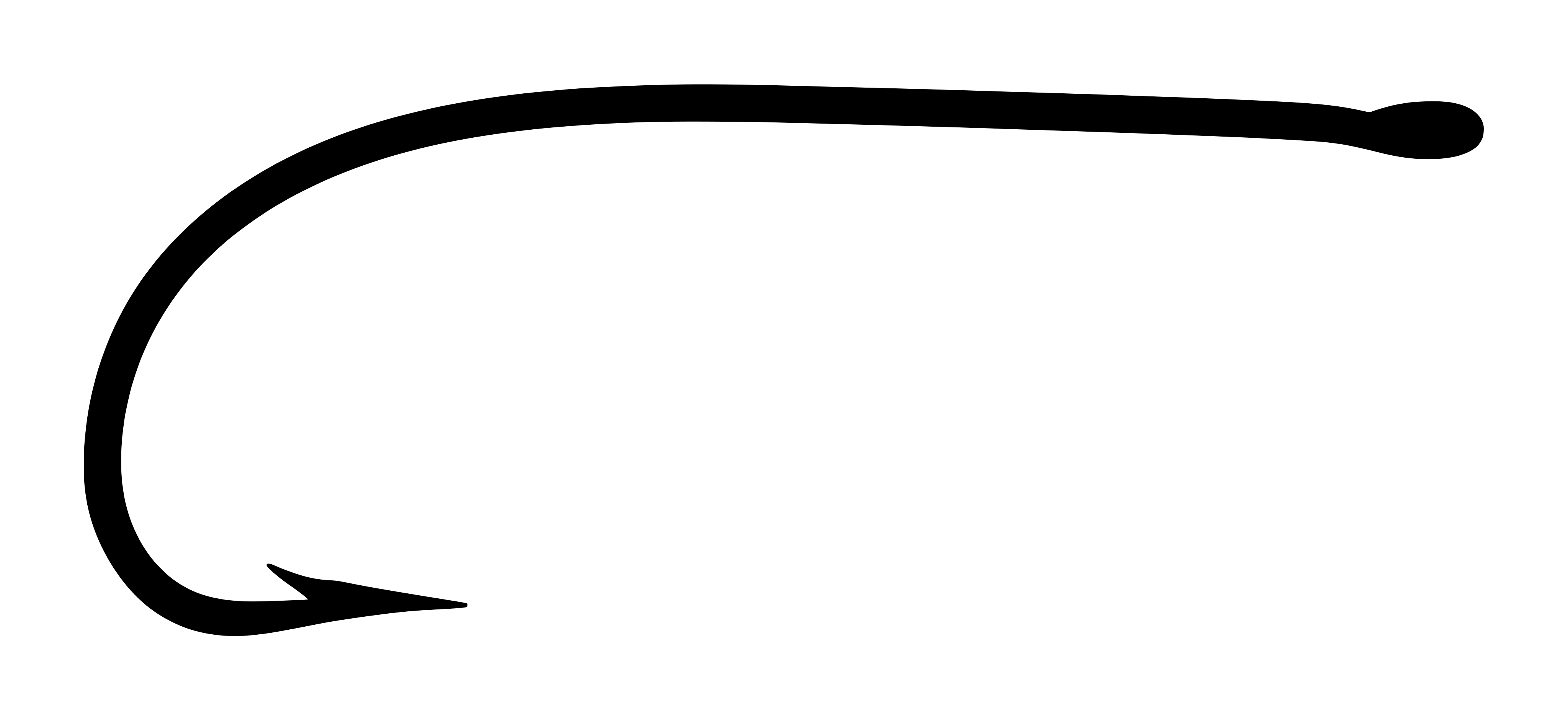
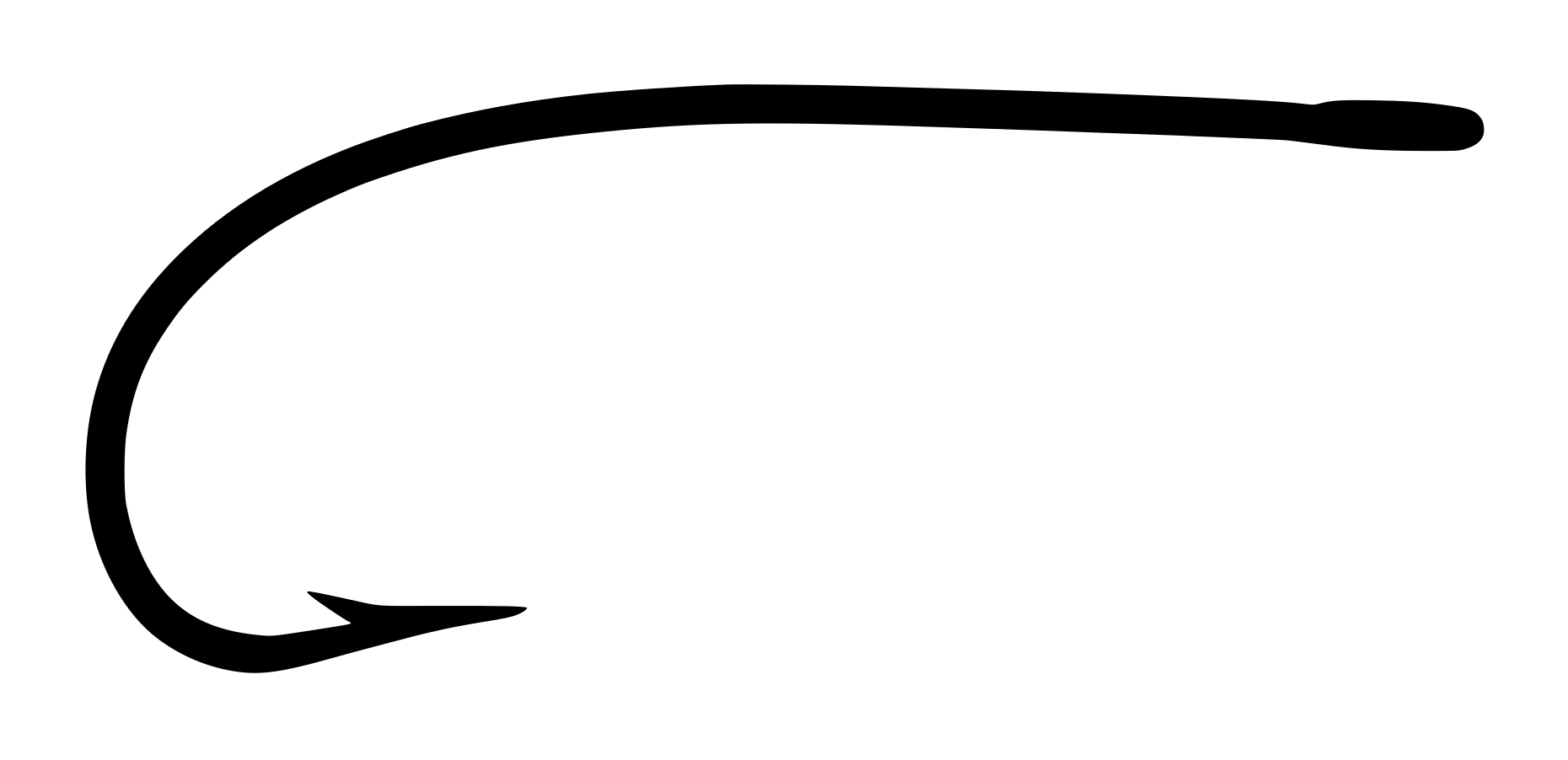
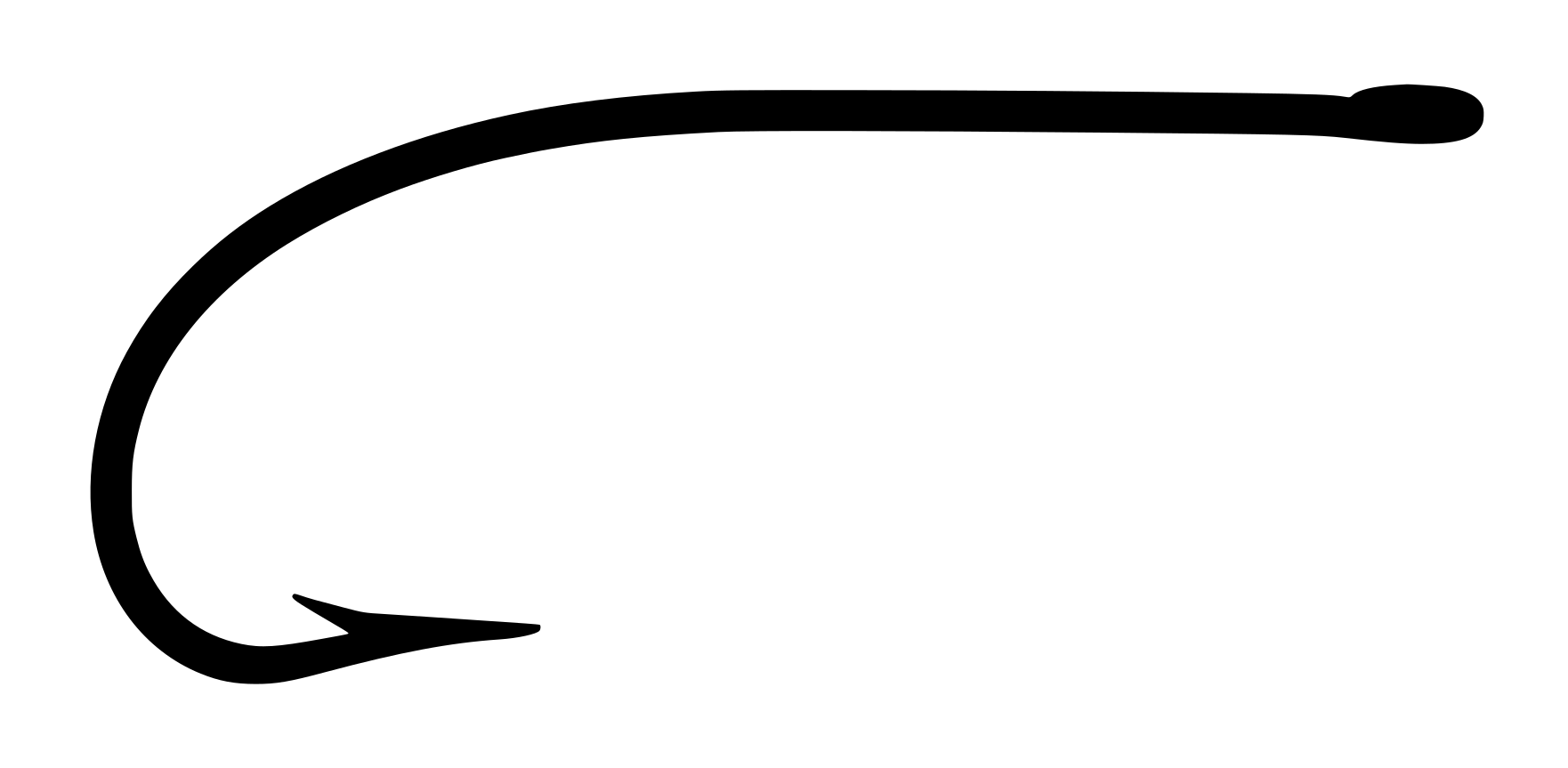
The heavy wire gauge and Sproat bend shape (a modified round bend with slight flattening at the curve bottom) provide exceptional strength for holding large, hard-jawed fish. The straight-ring eye construction allows direct tying to line or attachment via snap swivel, eliminating the wire loop feature of some eye types and reducing the overall eye profile when cinched.
No barcode visible — consistent with pre-1974 manufacture P. Spelling 'Sön' rather than modern 'Søn' is characteristic of mid-century Norwegian printing. 'Oslo—Norway' address and Key Brand logo design match Mustad's packaging style circa 1950–1970. Letterpress printing method and paper stock are consistent with mid-20th century production. Red cardboard with floral border is typical of Mustad's Superior line branding from this era V.
The Sproat Revolution
The Sproat bend was invented by Mr. Sproat of Ambleside, England, who modified the earlier Limerick bend in the mid-1800s to create a hook that was mechanically harder for a fish to straighten out. The innovation became one of the most reliable hook shapes ever designed and is still in production over 150 years later. Mustad adopted the Sproat design as a cornerstone of their product line, and by the mid-20th century, Norwegian-manufactured Sproat hooks like the 33602 were used by anglers worldwide. The fact that both the design lineage and the manufacturing location (Norway rather than England) represent Mustad's rise to industrial dominance makes vintage Norwegian Sproats significant artifacts in fishing history.
Design lineage and influence
The Sproat bend originated from Mr. Sproat’s modification of the Limerick bend in mid-19th-century England. Unlike the angular Limerick, the Sproat features a rounded curve that slightly flattens toward the bottom, providing enhanced holding power and structural integrity. Mustad integrated the Sproat into their manufacturing portfolio early and produced versions in multiple finishes and grades. The 33602 (Superior, gold-plated) sits alongside the more common bronze 3366 (also Sproat) in the mid-century catalog. Competing manufacturers such as O. Shaughnessy and Sneck-bend specialists offered alternative bend shapes, but the Sproat remained one of the most widely manufactured hook shapes globally due to its reliability and versatility.
Best matchRelated by Attribute
Computed automatically from catalog data — updated as new hooks are added.
Matches: Bend, Gap, Eye, Eye Orient., Point +7 moreDiffers: Shank: 1X Long vs Standard; Wire: Extra-Fine vs Fine (1X Fine); Gap ratio: 32.2% vs 31.7% +1 more
Matches: Bend, Shank, Wire, Gap, Eye +5 moreDiffers: Point: Superior vs Hollow Point; Finish: Gold-Plated vs Blued; Application: Bait, Saltwater vs Bait +3 more
Matches: Bend, Wire, Gap, Eye, Eye Orient. +6 moreDiffers: Shank: 1X Long vs Standard; Finish: Gold-Plated vs Tinned; Shank ratio: 68.9% vs 82.7% +2 more
Matches: Bend, Shank, Wire, Gap, Eye +5 moreDiffers: Point: Superior vs Hollow Point; Finish: Gold-Plated vs Blued; Application: Bait, Saltwater vs Bait +2 more
The Mustad 33602 was marketed and used primarily for bait fishing with live minnows and shiners targeting large freshwater predators—pike, bass, walleye, and catfish—as well as for tying large streamer flies (particularly patterns such as the Muddler Minnow and similar 3/0-scale streamers) for pike and musky in North American fly-fishing tradition. The gold finish was believed to offer visual attraction to predatory fish, making it particularly popular among streamer anglers in the mid-20th century. The size and wire strength also made it suitable for light saltwater applications such as snook and redfish fishing in coastal waters.
Secondary Applications
Live minnow bait rigging for bass, pike, walleye; vintage fly patterns and display specimens
Classic Fly Patterns
Muddler Minnow, Woolly Bugger, Streamers for Pike and Musky
Modern Equivalents
Hook
Match Quality
Notes
Mustad 3366 Sproat
Excellent
Direct modern equivalent; same Sproat bend and general geometry, bronzed finish, still manufactured by Mustad
Tiemco 200R
Good
Modern Sproat variant with ringed eye; round bend with similar holding properties; available in various finishes including gold-tone plating
Eagle Claw 084 Gold Aberdeen
Moderate
Gold-plated finish and large size; however, Aberdeen bend (wider round) differs from Sproat geometry; lighter wire than the 33602
Collector notes
Moderately scarce. Vintage Norwegian Mustad hooks with period-correct packaging are sought by mid-century fishing-history collectors, and the gold finish adds aesthetic appeal. However, size 3/0 and the Superior brand designation appeal primarily to specialist collectors rather than general hook enthusiasts; the more common bronze 3366 Sproat overshadows the 33602 in collector awareness.
Reference value
$18 – $45 USD estimate
Packaging condition
Good — moderate wear, legibleRecorded specimen
Packaging format
GW-MST-33602-CARD-001Catalog code
Positive Factors: Documented Norwegian manufacture from the Gjøvik factory; intact period-correct red cardboard packaging with iconic Key Brand logo; superior-point geometry specification that differs from hollow-point alternatives; vintage gold plating with visible patina; mid-20th century Mustad products command consistent collector interest; size 3/0 large-fly hooks appeal to streamer and saltwater specialists.
Limiting Factors: Model 33602 is less iconic than smaller sizes (e.g., No. 2, No. 4) in general collecting circles; the Superior brand designation is a product-line name that does not convey the same prestige or rarity as models bearing designer names or experimental designations; gold-plated vintage hooks are more prone to tarnishing and corrosion than stainless or modern electroplated finishes, which may deter pristine-condition collectors; this model lacks the historical narrative depth of earlier 19th-century hooks or post-WWII specialty innovations.
Packaging
Bright red cardboard box label with dark snowflake/floral border motif. Printed letterpress. Displays: O. Mustad & Sön (sic spelling), Manufacturers, Oslo—Norway; Qual. 33602; Superior; Mustad-Sproat Hooks; 100 per 5/0 (?); No.; Made in Norway. Key Brand logo (vintage key symbol) on left side. Wear consistent with 1950s–1970s storage.
Market Value Notes
Pricing reflects good-to-very-good condition specimens with intact original packaging. Hooks alone (loose) command $8–$15 per specimen; packaged sets with full, legible labeling fetch $30–$50 depending on label condition and box integrity. Premium pricing applies to examples with clear provenance documentation or notable historical context. Condition of the gold plating and the completeness of the original cardstock are primary value drivers.
Where to Find
eBay (vintage fishing tackle), specialist Mustad collector groups on Facebook, Etsy vintage tackle dealers, fishing antique fairs and regional tackle expos, Scandinavian antique and military surplus dealers (where Norwegian manufacturing heritage increases regional interest).
Preservation
Storage and Preservation
Store this hook in a cool, dry environment away from direct sunlight and moisture. The vintage gold plating is susceptible to tarnishing and patina development with humidity exposure; some collectors consider the patina desirable as evidence of age, while others may prefer to arrest further oxidation by sealing the specimen in an archival-quality storage envelope. Keep hooks on the original cardstock packaging whenever possible, as the packaging itself is a significant historical artifact that adds substantial collectible value.
Avoid contact with other metals and non-archival materials. Do not use PVC-containing storage boxes or plastic sleeves, as off-gassing from vinyl can accelerate corrosion. A small packet of silica gel or activated charcoal placed near the specimen helps manage humidity. If the gold plating shows signs of significant flaking or corrosion, consult a professional conservator before attempting any restoration—modern replating may not be historically appropriate and typically reduces authentic collecting value.
Display specimens should be protected from salt spray, high-humidity environments (such as damp basements or coastal areas), and direct handling, which can transfer skin oils and accelerate patina development. Original period-correct packaging should never be discarded; it represents the primary dating and authentication evidence for the specimen.
Marking Analysis
Packaging Markings and Stampings
The original red cardboard label shows no visible handwritten annotations, price markings, or dealer stamps. All text is printed via letterpress, characteristic of mid-20th century Mustad packaging. The spelling ‘Sön’ (rather than the modern Norwegian ‘Søn’) and the ‘Oslo—Norway’ address are printed text features, not handwritten. The absence of barcode, ISBN, or modern UPC codes confirms pre-1974 manufacture P. No customs stamps, import marks, or hand-dated labels are visible on this specimen, suggesting it remained in original retail stock or was acquired directly from bulk inventory rather than being individually resold or redistributed through secondary markets.
Primary Source
Packaging Text Analysis
Source: Original cardboard packaging label, c. 1950–1970
The label states: ‘O. Mustad & Sön, Manufacturers, Oslo—Norway’ (printed). The ‘Sön’ spelling is a historical variant of the modern ‘Søn’ and reflects mid-20th century Norwegian orthography in international English-language marketing. This spelling convention was phased out by the 1970s, providing strong dating support for the c. 1950–1970 era attribution.
The specification ‘Mustad-Sproat Hooks’ confirms the bend family, and ‘100 per 5/0’ indicates a quantity-per-package notation (though the exact denominator is partially obscured). The ‘Made in Norway’ legend certifies Gjøvik factory manufacture V. The Key Brand logo (stylized skeleton key) is the iconic Mustad trademark from the era and validates authenticity.
Additional
Mustad's 'Key Brand' and Mid-Century Marketing Strategy
The Key Brand logo—a stylized brass key—was Mustad’s primary trademark throughout the mid-20th century, derived from their corporate slogan, ‘The Key to Fishing Success.’ This branding strategy, visible on all 33602 packaging, connected product quality to an aspirational message of angling success. By the 1950s–1970s, when this specimen was manufactured, Mustad had been the world’s largest industrial hook manufacturer for nearly a century, with the Gjøvik factory producing millions of hooks annually for distribution through major tackle retailers worldwide.
The Superior designation reflected Mustad’s tiered product strategy: Superior and Premium lines commanded higher prices due to superior finishes (gold plating, tinning) or specialized designs; Standard grades (like the bronze 3366) were workhorse products sold in bulk. The gold-plated 33602, positioned as a premium option, was marketed to fly-tiers and bait anglers who associated the yellow finish with attracting predatory fish and with the prestige of owning a high-grade Norwegian-made product. This tiered approach allowed Mustad to serve both budget-conscious retailers and premium specialist anglers—a strategy that sustained their market dominance through the 20th century.
Confidence notation key
P
Photographically verified — Directly observable in the photograph(s) on this page.
V
Verified by documentation — Confirmed by manufacturer catalog, spec sheet, or published reference.
I
Inferred — A logical deduction from observable or documented evidence, not directly stated.
E
Estimated — An approximation based on visual comparison, proportional analysis, or limited data.
S
Speculative — A reasoned hypothesis that cannot be confirmed from available evidence.
Unnotated claims are the compiler’s synthesis; see Sources. All photographs on garrenwood.com are taken on a measurement grid where each square equals 1/10 inch (0.1″ / 2.54 mm).