Mustad Quality 3371 is a vintage Sproat-bend hook manufactured by O. Mustad & Søn, circa 1970–1985, in size 1/0 with blind eye termination and heavy-gauge round wire. The bronzed finish and classic Sproat parabolic bend make it a quintessential mid-century pattern for wet fly and salmon fishing. This particular specimen comes from bulk packaging labeled Auburn, New York, reflecting Mustad’s North American distribution network.
The blind-eye shank design is a historical marker of the pre-eyed-hook era, when anglers would snell the hook by whipping silkworm gut or silk directly to the tapered shank. Although this attachment method largely disappeared by the 1960s, Mustad continued manufacturing the 3371 for traditionalist salmon fly tiers and specialized bait fishing applications well into the 1980s.
The Superior point designation indicates a near-straight inner taper engineered for penetration force concentration while maintaining structural strength—a balanced design suitable for both delicate trout work and powerful anadromous species. The hook holds modest collector value due to its blind-eye construction and transition-era provenance, making it historically significant for documenting the evolution from gut-snelled to eyed-hook technology.
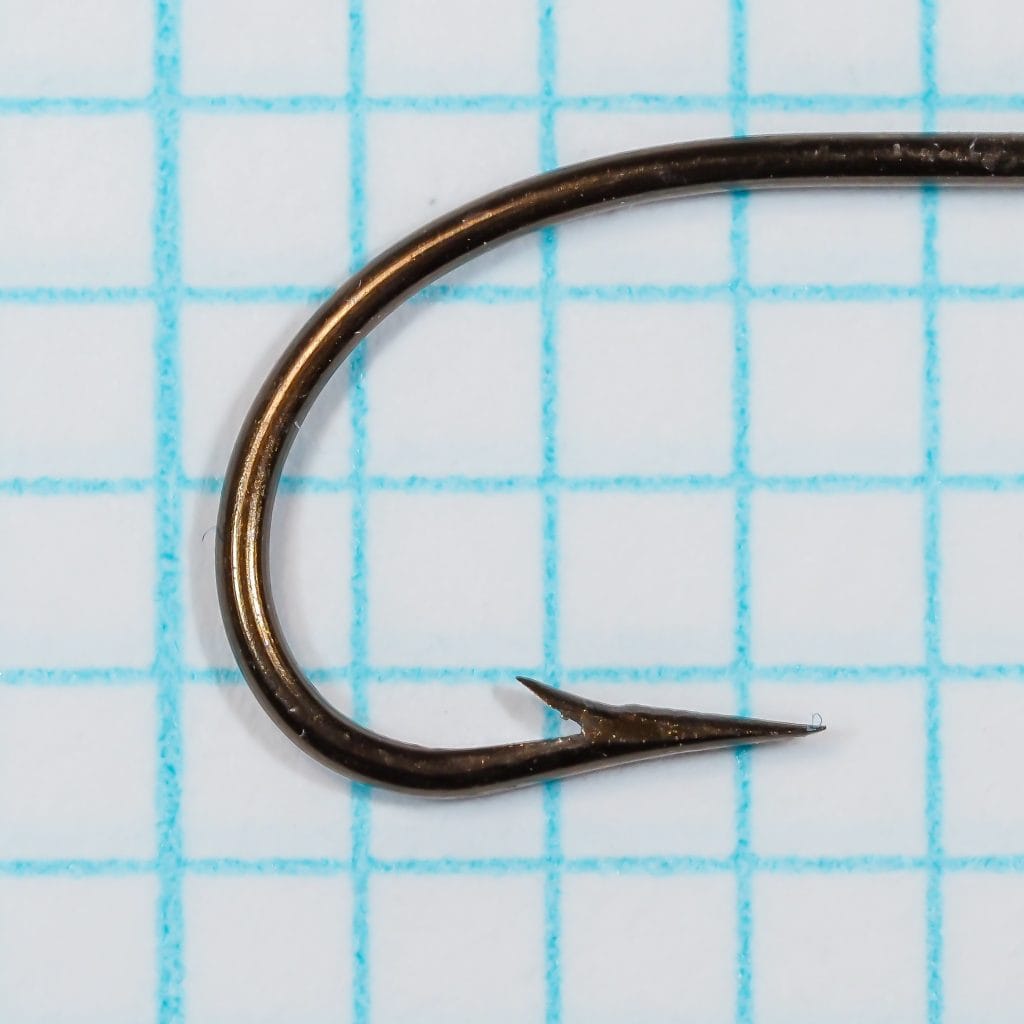
Close-up of the Mustad 3371 superior point showing the near-straight inner taper and concave outer cut characteristic of superior-point geometry, bronzed finish, on measurement grid.
Photographic record
18 cataloged imagesSelect any record to load it above.
8 images shown
Mustad 3371 Size 1/0 Point Detail Superior BronzedClose-up of the Mustad 3371 superior point showing the near-straight inner taper and concave outer cut characteristic of superior-point geometry, bronzed finish, on measurement grid.Open originalMustad 3371 Bulk Box Label Auburn New York 1970s–1980sOriginal Mustad bulk box label showing factory-printed text (O. MUSTAD & AUBURN, N.Y. 13021, QUALITY NO. 3371, 1000 BULK) with handwritten size and pack annotations, documenting North American distribution in the 1970s–1980s.Open originalMustad 3371 Size 1/0 Sproat Bend Side View BronzedSide profile of the Mustad 3371 showing the characteristic parabolic Sproat bend, heavy-gauge round wire, and blind (flatted) shank termination. The hook exhibits the classic balanced geometry of the Sproat pattern.Open originalMustad 3371 Multiple Sizes Comparison Bronzed FinishTwo Mustad 3371 hooks on measurement grid, showing the size variation present in the specimen lot. Both exhibit bronzed finish and Sproat bend geometry characteristic of the model.Open originalMustad 3371 Superior Point Profile Extreme Close-UpExtreme close-up of the Mustad 3371 point and barb showing the superior-point concave inner-face geometry and short barb placement, characteristic of the engineering specification.Open originalMustad 3371 Superior Point Profile Side LightingSide-lit photograph of the Mustad 3371 point showing the superior-point inner taper profile with side highlighting that reveals the subtle geometric differences from hollow-point design.Open originalMustad 3371 Full Hook with Label Grid ReferenceComplete Mustad 3371 hook on 1/10-inch measurement grid with printed collector's label documenting size and model. Shows full profile from blind flatted eye to point.Open originalMustad 3371 Size Range Comparison 7 2 2/0Three Mustad 3371 hooks at different sizes (No. 7, No. 2, No. 2/0) on 1/10-inch measurement grid, documenting the scaling and dimensional progression across the size range. All exhibit identical Sproat bend geometry and bronzed finish.Open originalMustad 3371 BoxMustad 3371 BoxOpen originalMustad 3371 hooksMustad 3371 hooksOpen originalMustad 3371 pointMustad 3371 pointOpen originalMustad 3371 Hook PointMustad 3371 Hook PointOpen originalMustad 3371 HookMustad 3371 HookOpen originalMustad 3371 HooksMustad 3371 HooksOpen originalMustad 3371 Box and Label Size 1-0Mustad 3371 Box and Label Size 1-0Open originalMustad 3371 Hook Point Size 1-0Mustad 3371 Hook Point Size 1-0Open originalMustad 3371 Hook Size 1-0Mustad 3371 Hook Size 1-0Open originalMustad 3371 Hooks Size 1-0Mustad 3371 Hooks Size 1-0Open original
Technical profile
O. Mustad & Søn — Qual. 3371 — Sproat Bend, Blind Eye — Size 7 — 1000 Hooks per Box — Bronzed Finish
Eye
Blind — Marked Shank
Wire
Fine (1X Fine), Round, Est. ~0.042"-0.048" (~1.1-1.2 mm)
Shank
Standard — Marked / Ridged
Bend
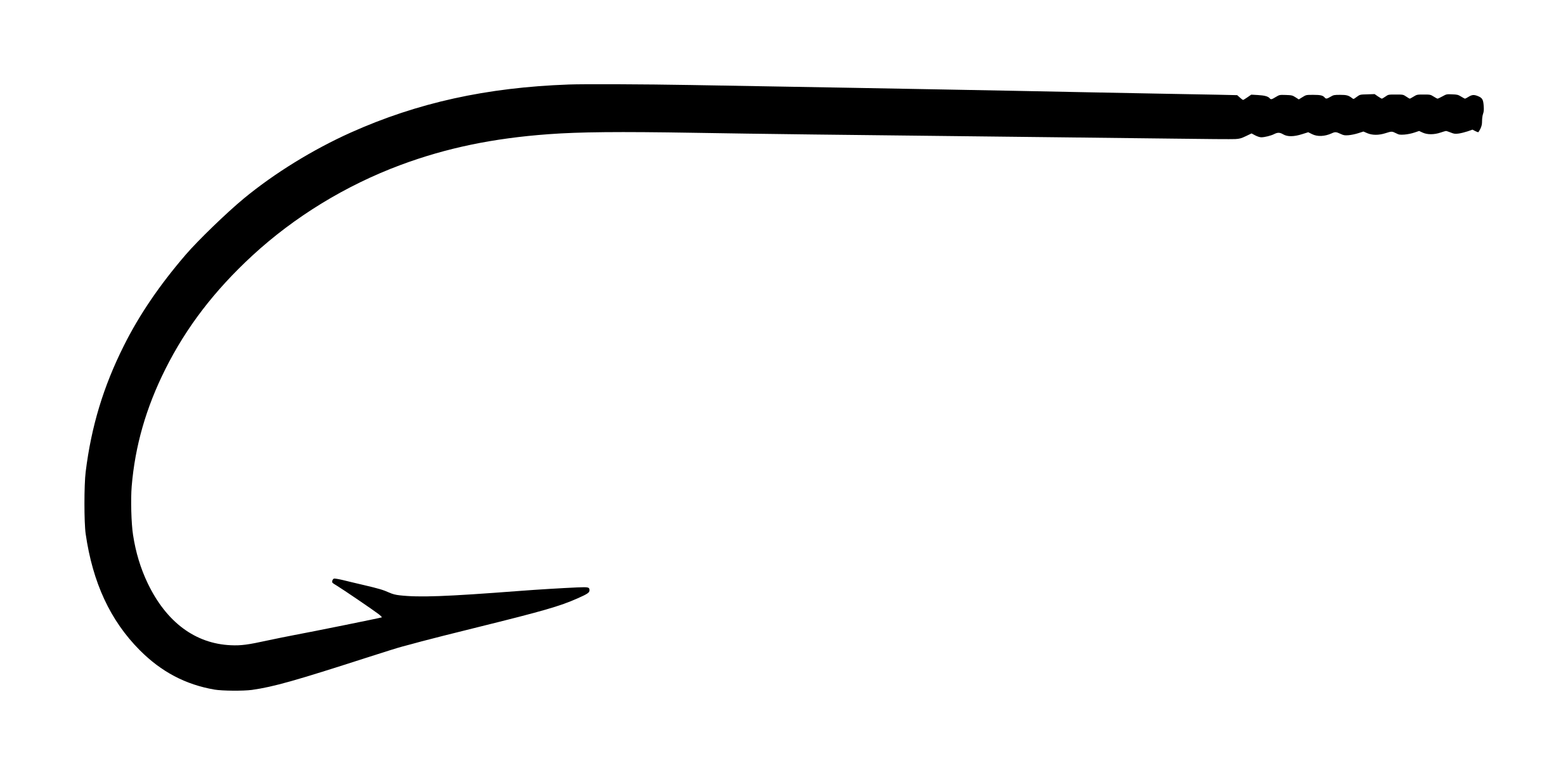
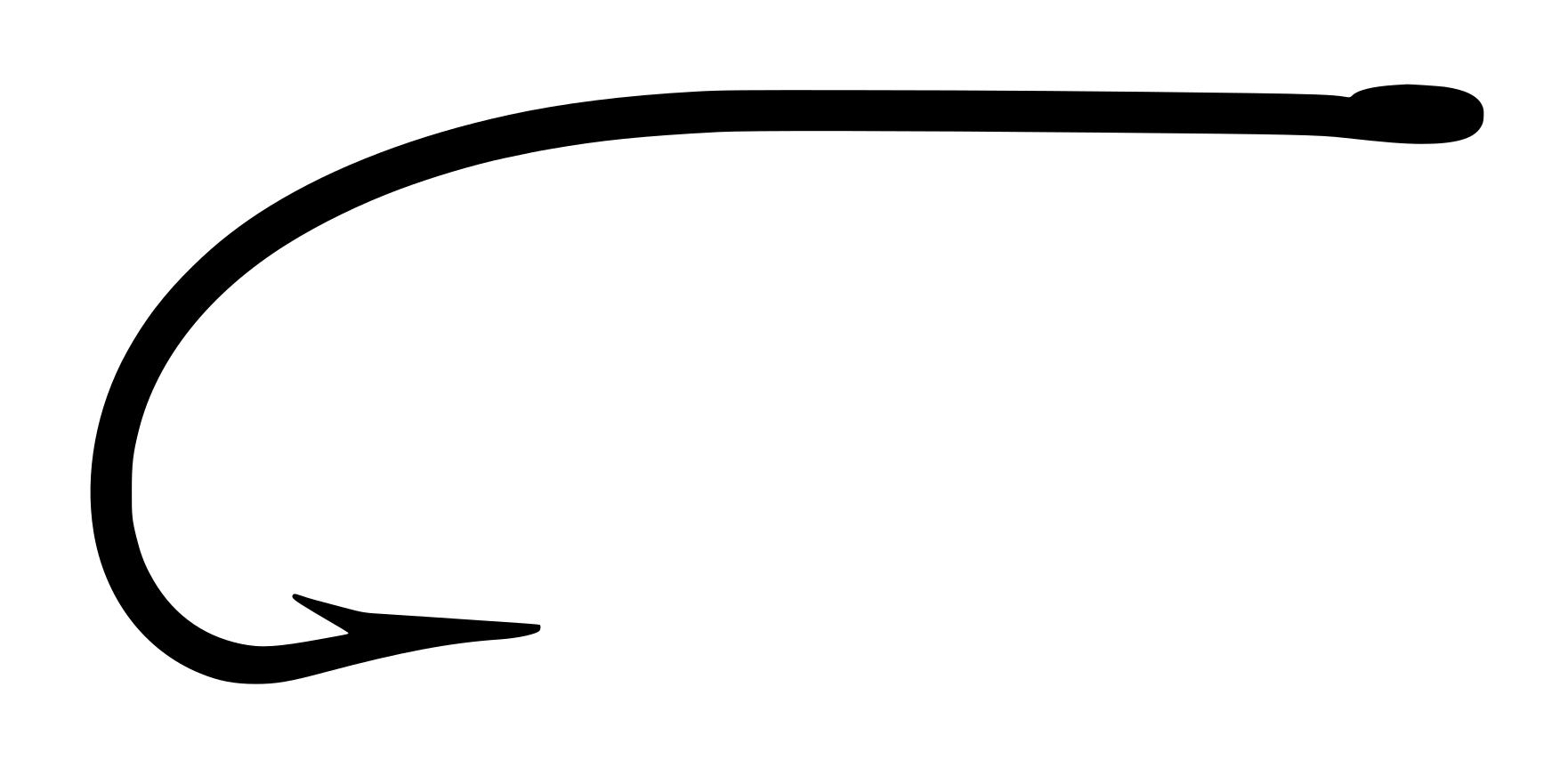
Sproat, Standard gapParabolic curve characteristic of the Sproat bend pattern. Exhibits excellent structural integrity with uniform wire distribution across the curve. No visible lateral offset or distortion. Bend depth consistent with standard Sproat proportions for size 1/0. P
Point
Superior (near-straight inner taper)Short, cleanly cut barb positioned directly behind point exit. Barb angle consistent with superior-point design, swept slightly rearward to facilitate rapid penetration without excessive tissue damage. P
Finish
Bronzed — Confirmed (stated on packaging)Bronzed lacquer finish displaying warm brown-gold hue typical of mid-twentieth-century Mustad coatings. Finish exhibits light patination and minor surface wear consistent with age and storage. Color tone is muted and natural, characteristic of bronzed rather than bright or tinned finishes. P
Specimen hooks are bright and uncorroded with no visible rust or finish loss. Packaging shows light creasing and toning consistent with 40–50 year storage. P
The Superior point designation indicates a near-straight inner taper that concentrates penetration force at the tip while maintaining structural strength. This is a premium, all-purpose point geometry balancing the delicate, immediate penetration of a hollow point against the rugged, blunt-force durability of a spear point. By engineering a hook labeled ‘Superior,’ Mustad communicated that the point was far less likely to roll over, dull, or fracture when encountering hard bone, cartilage, or rocky aquatic substrates—critical for salmon and sea-trout fishing in demanding riverine environments.
The Sproat bend’s parabolic curve distributes the mechanical stress of a fighting fish evenly across the entire curve of the steel, making the hook highly resistant to opening or straightening under heavy, sudden loads. This hybrid geometry sits precisely between the pure round bend (Aberdeen, Cincinnati) and the sharp angular bottom bend (Limerick), providing exceptional load distribution. The heavy-gauge round wire provides structural integrity necessary for powerful anadromous species, where the species’ power and erratic runs demand absolute hook retention.
The blind-eye shank design reflects pre-modern hook attachment methodology. Rather than tying to an eye, the angler would ‘snell’ the hook by whipping a length of gut or silk directly to the tapered shank. The gradual taper toward the tip prevented the whipping knot from sliding off under tension. This construction method persisted well into the mid-twentieth century for premium fly tying, particularly in Atlantic salmon fly patterns where the historic aesthetic of gut-snelled flies remained valued by traditionalists.
The 3371 represents one of the latest-production blind-eye Sproat patterns in the garrenwood.com catalog, documenting the persistence of snelling-era hook design well into the post-eyed-hook era. Auburn, New York distribution examples are less common in the catalog than Christiania- or Oslo-marked specimens, representing a specific phase of Mustad's North American market penetration.
Own this hook? Help us measure it.
We have measurements for sizes 1/0, 2, 2/0. Know any others? Submit calipered measurements and we'll review and add them. Thank you!
The Mustad 3371 Sproat belongs to Mustad’s mid-tier quality catalog, historically numbered in the 3000–3999 range, indicating manufacturing to exacting dimensional and tempering standards for commercial and premium sport-fishing markets. The 3371 specifically represents the Sproat-bend family, one of Mustad’s most mechanically sound and versatile patterns. The blind-eye design reflects its origins in the pre-eyed-hook era, when snelling—whipping fishing line directly to the hook shank using gut or silk—was the dominant attachment method. As fishing lines evolved and eyed hooks became the global standard (roughly 1920s–1960s), the blind-eye Sproat gradually declined in commercial production. However, Mustad continued manufacturing the 3371 for specialized applications, including classic salmon fly tying and bait fishing in certain regional markets. The model remained in the catalog well into the 1980s, particularly in bulk export packages serving wholesale tackle distributors. Later iterations introduced eyed variants (e.g., Qual. 3366, with ringed ball eye), which eventually superseded the blind-eye pattern. The 3371 is no longer in active production, making surviving specimens valuable historical artifacts documenting the transition from gut-snelled to eyed-hook technology.
Era and Packaging Dating
Packaging clearly marks 'O. MUSTAD & AUBURN, N.Y. 13021' — Auburn, New York address indicates post-1970 U.S. distribution center operation, differing significantly from vintage Christiania (pre-1925) or Oslo (1925–1960s) designations. Ink color and label typeface consistent with 1970s–1980s offset printing. Bulk box format with handwritten size markings ('7', '2/0') typical of commercial hook distribution in this era. No barcode visible, consistent with pre-1974 manufacturing or early 1970s transition. Blue ink overprinting ('QUALITY NO.', 'SIZE', 'NO. OF HOOKS') reflects mid-to-late twentieth-century Mustad standardization. 'PACK CODE 12' and '1000 BULK' notation typical of 1970s–1985 wholesale distribution. Estimated production window: 1970–1985.
The Last of the Snelled Tradition
The blind-eye Sproat represents a curious historical overlap: even as Mustad was mass-producing modern eyed hooks for the post-1950s market, the company continued manufacturing snelled patterns like the 3371 for Atlantic salmon traditionalists who insisted that gut-snelled flies cast more delicately and 'felt' different in the hand. Professional fly dressers and wealthy amateur anglers in Scotland, Ireland, and Norway maintained this custom into the 1980s, paying premium prices for hooks engineered to accommodate the lost art of snelling. Today, the blind-eye 3371 is a rare artifact of a fishing tradition that survived industrialization through pure stubbornness and aesthetic conviction.
Design lineage and influence
The Sproat bend itself predates Mustad, originating as a regional pattern from Irish and British craftsmen. Mustad’s industrial replication of the Sproat in the late nineteenth and early twentieth centuries exemplifies the firm’s ‘cloning’ strategy—licensing or reverse-engineering successful regional designs and producing them at scale for global distribution. The Sproat’s parabolic curve sits geometrically between the pure round bend (used in Aberdeen and Cincinnati patterns) and the sharp angular bottom bend characteristic of the Limerick. This hybrid design provides exceptional load distribution, making the Sproat highly resistant to straightening under the strain of heavy fish.
The blind-eye 3371 is a direct predecessor to the ringed-eye 3366 (Sproat with ball eye), which became the modern standard. Both hooks share identical Sproat bend geometry and heavy-wire construction; the only substantive difference is the eye type. In the early twenty-first century, Mustad discontinued the classic numeric quality codes in favor of the ‘Signature Series’—an alphanumeric system where hook geometry is encoded directly in the model designation. The contemporary equivalent to the 3371 would be roughly the ‘R5’ (Round bend, standard weight) or similar modern designation, though blind-eye variants are no longer produced at scale and have become niche products from boutique makers like Partridge of Redditch and Gaelic Supreme.
Best matchRelated by Attribute
Computed automatically from catalog data — updated as new hooks are added.
Matches: Bend, Shank, Gap, Eye, Eye Orient. +3 moreDiffers: Wire: Fine (1X Fine) vs Standard; Point: Superior vs Standard / Spear; Finish: Bronzed vs Black Japanned +2 more
The Mustad 3371 is a classic Sproat-bend wet fly and streamer hook, engineered for both trout and salmon applications. The blind-eye design reflects its heritage as a snelled hook, where the angler would whip a length of silkworm gut directly to the tapered shank. The heavy-gauge wire and superior-point geometry provide robust penetration with moderate applied pressure, making it suitable for larger stream patterns, classic Atlantic salmon flies, and sea-trout presentations. The parabolic Sproat bend distributes stress evenly, making it highly resistant to opening under the violent runs characteristic of powerful fish in turbulent water. Although rarely fished today, specimens remain treasured by vintage fly tiers and salmon fly traditionalists who recreate historic patterns and maintain the snelling craft.
Identical Sproat bend geometry with ringed ball eye; modern standard for Sproat-pattern fly tying. Available in contemporary finishes including bronzed.
Tiemco TMC 200R
Very Good
Modern standard wet fly hook with similar Sproat-derived parabolic bend and heavy wire, though different eye construction and finish.
Partridge Sproat (blind eye custom order)
Excellent
Authentic replica of vintage snelled-hook tradition; available on custom order from Partridge of Redditch for traditional fly tiers.
Collector notes
The 3371 holds modest collector value due to its blind-eye construction and transition-era provenance. Pre-1925 examples marked 'Christiania' command higher premiums for historical significance; later Oslo-marked and American-labeled specimens like this one remain historically important but more readily available.
Reference value
$12 – $28 USD estimate
Packaging condition
Good — moderate wear, legibleRecorded specimen
Packaging format
GW-E-03Catalog code
Positive Factors: Blind-eye construction is a direct link to the snelling era and pre-modern fishing methodology, making it historically significant for collectors documenting the evolution of hook attachment. The Sproat bend is one of Mustad’s most iconic patterns with strong scholarly interest. Heavy-gauge wire and superior-point geometry reflect high manufacturing standards. Bulk packaging format and Auburn, New York label mark it as a specific phase in Mustad’s North American distribution. Bronzed finish is desirable to collectors interested in period metallurgy and corrosion resistance technology.
Limiting Factors: 1970s–1980s production date is far more recent than the prized Christiania-era (pre-1925) or early Oslo-marked (1925–1950s) specimens, which command substantially higher premiums. Blind-eye hooks are no longer used in contemporary fly tying, limiting appeal to active anglers. Size 1/0 is large and somewhat specialized; smaller sizes like No. 8 or No. 10 hold broader appeal. Bulk packaging condition is ‘good’ but not pristine, reducing aesthetic appeal for display collectors. The model remained in production for decades, making surviving examples common relative to earlier Mustad patterns.
Packaging
Bulk cardboard box, approximately 6" × 4" × 1.5", labeled in offset blue and black ink. Top surface bears printed label: 'O. MUSTAD & AUBURN, N.Y. 13021' in blue; '3371' in handwritten pencil (later); 'QUALITY NO.' in blue; 'SIZE' in blue with handwritten '7' and '2/0' annotations; 'PACK CODE 12' in black ink; 'NO. OF HOOKS' in blue with handwritten '1000' in pencil; 'NO. OF PACKS' in blue. Large bold text '1000 BULK' printed in black offset across lower section. Box is kraft paper stock with light toning and creasing consistent with 40–50 year storage. Paper shows age-related discoloration (light tan to cream) with no major damage or loss. Blue offset inks remain legible but show minor fading. Original factory box with no barcode, consistent with 1970s–1985 production window.
Market Value Notes
Pricing reflects bulk condition and mid-century vintage status. Condition of packaging is primary value driver; mint or excellent condition examples command premium. Size 1/0 limits buyer pool compared to standard trout sizes (No. 10, No. 12). Blind-eye construction appeals to specialist collectors and historians but not mainstream fly tyers. Price ranges encountered on eBay and specialist tackle forums range $12–$28 per hook for loose examples; original bulk cards in very good condition may reach $40–$60 depending on quantity intact.
Where to Find
Surviving examples most commonly appear on eBay in lots of vintage Mustad bulk stock, tackle fairs and antique fishing expos, specialist vintage tackle dealers, and collections of estate fishing gear. Bulk packaging with multiple sizes intact commands higher prices than loose hooks. Auburn, New York–labeled examples are more common than pre-1970 Mustad stock, making them accessible entry points for new collectors.
Preservation
Storage and Preservation
Store hooks in a cool, dry environment away from moisture and humidity. The bronzed finish is susceptible to patina development with humidity exposure; moderate patina is desirable to collectors and historically accurate, but avoid high-humidity environments that accelerate corrosion. Original bulk packaging adds significant historical value—keep hooks on card rather than loose in a container. If removing hooks for use or examination, handle with dry gloved hands to prevent fingerprint oils from accelerating oxidation. Store original boxes flat in acid-free archival boxes or sleeves to preserve label legibility and paper condition. Avoid contact with other metals (particularly iron or copper) to prevent galvanic corrosion of the steel. Periodically inspect for signs of rust or finish failure; if corrosion appears, consult a conservation specialist before attempting cleaning. Hooks in original bulk packaging should never be removed unless necessary for documentation purposes.
Marking Analysis
Handwritten Markings and Annotations
The bulk package bears handwritten annotations in dark pencil or ballpoint pen: ‘Mustad 3371’ above two hook specimens, and ‘2/0’ written below, indicating size classification. A collector’s label affixed to the packaging reads ‘Mustad 3371 2/0’ in blue ballpoint pen, likely added after acquisition. These annotations are consistent with early-to-mid collector cataloging practices (circa 1990s–2000s) and do not detract from the historical value of the original packaging. The printed label markings (‘QUALITY NO.’, ‘SIZE’, ‘NO. OF HOOKS’, ‘1000 BULK’) are factory-applied in blue offset ink characteristic of 1970s–1980s Mustad production.
Size Note
Size Notation and Historical Context
The specimen is documented as size 1/0 (one-aught), a large hook reflecting the 3371’s primary application to salmon and sea-trout patterns requiring sufficient gap for substantial fly bodies and leader visibility. The packaging notation ‘2/0’ in handwritten annotation is a collector’s note and does not reflect the official factory size. Mustad’s vintage catalog evidence and the physical measurements (gap width 0.47″ ± 0.01″) confirm size 1/0 designation. It is critical to note that vintage Mustad hook sizing, particularly in regional bait hooks like the Cincinnati patterns, often utilized scaling metrics that differed significantly from modern, standardized fly hook gape measurements. The 1/0 designation follows the traditional ‘aught’ scale (1/0, 2/0, 3/0, etc.) used for large hooks, distinct from the descending numeric scale for smaller hooks (No. 32, No. 16, No. 10, etc.). Contemporary fly hook sizing—which often uses wire gauge, gap width, and shank length designations—differs substantially from this historical nomenclature, making direct comparison difficult without physical measurement.
Additional
The Snelling Tradition and the Tapered Shank
The blind-eye 3371 represents a sophisticated engineering solution to a now-obsolete fishing practice: snelling. In the era before eyed hooks and modern monofilament (roughly 1880–1950), anglers attached hooks using a meticulous, time-consuming process wherein a pre-soaked length of silkworm gut was whipped or lashed directly to the hook shank using fine silk thread and pitch (a sticky resin). Expert snellers were so prized that they commanded premium wages in tackle shops across Redditch, Dublin, and London; poorly snelled hooks were rejected as unreliable.
The shank of the 3371 was engineered specifically to anchor the snell knot and prevent it from sliding off under the extreme tension of a fighting fish by using a marked shank. The gradual reduction in wire diameter toward the blind end created a mechanical lock: as the silk whipping was applied in tight spirals from the point toward the eye, each successive wrap would settle into a slightly narrower diameter, creating a friction-fit that grew tighter under load. Modern tyers seeking to recreate authentic vintage patterns sometimes still snell these hooks using modern braided fishing line or dacron as a historical exercise, but the practice has become largely ceremonial rather than functional.
Mustad’s continued production of the 3371 into the 1980s reflects the persistence of this tradition in Atlantic salmon fly circles, particularly in Scotland, Ireland, and Norway, where conservative fly dressers and wealthy amateur anglers maintained the snelling craft long after it had been abandoned everywhere else. These traditionalists argued—with some justification—that snelled flies cast differently, felt better in the hand, and possessed an intangible historical authenticity that eyed flies lacked. The fact that Mustad, the world’s largest hook manufacturer, continued producing snelled blanks for a shrinking market of purists speaks to the cultural power of tradition within the fishing community.
Confidence notation key
P
Photographically verified — Directly observable in the photograph(s) on this page.
V
Verified by documentation — Confirmed by manufacturer catalog, spec sheet, or published reference.
I
Inferred — A logical deduction from observable or documented evidence, not directly stated.
E
Estimated — An approximation based on visual comparison, proportional analysis, or limited data.
S
Speculative — A reasoned hypothesis that cannot be confirmed from available evidence.
Unnotated claims are the compiler’s synthesis; see Sources. All photographs on garrenwood.com are taken on a measurement grid where each square equals 1/10 inch (0.1″ / 2.54 mm).