The Mustad 7970 is a premium heavy-wire Limerick bend hook manufactured by O. Mustad & Søn in Oslo, Norway, during the 1950s–1960s. This model represents Mustad’s industrial dominance in the mid-20th-century global tackle market, combining the ancestral Irish Limerick bend geometry with exceptional wire strength (5 extra strong) and a hollow point design optimized for soft-mouthed salmonids.
The 7970 was engineered specifically for wet fly and streamer applications targeting Atlantic Salmon, Steelhead, and sea trout in powerful river systems. The combination of heavy-gauge round wire, deep angular Limerick bend, and tapered down ball eye creates a hook capable of withstanding violent head-shakes and erratic runs of anadromous fish without straightening or deforming. The bronzed finish was the traditional choice for salmon fly tying, offering excellent corrosion resistance while maintaining visual stealth in clear river water.
Vintage Mustad hooks in original packaging from the 1950s–1960s are collected today as tangible artifacts of an era when Norwegian industrial manufacturing achieved near-total market hegemony. The presence of the formal eight-line label with arbitrary quality codes (Qual. 7970) marks this as a true artifact from Mustad’s pre-Signature Series era, before corporate rebranding in the early 2000s. The 7970 remains scarce in original packaging, particularly in smaller sizes like No. 6, making it a modest but genuine collector’s item for historians of salmon fly tradition and vintage tackle.
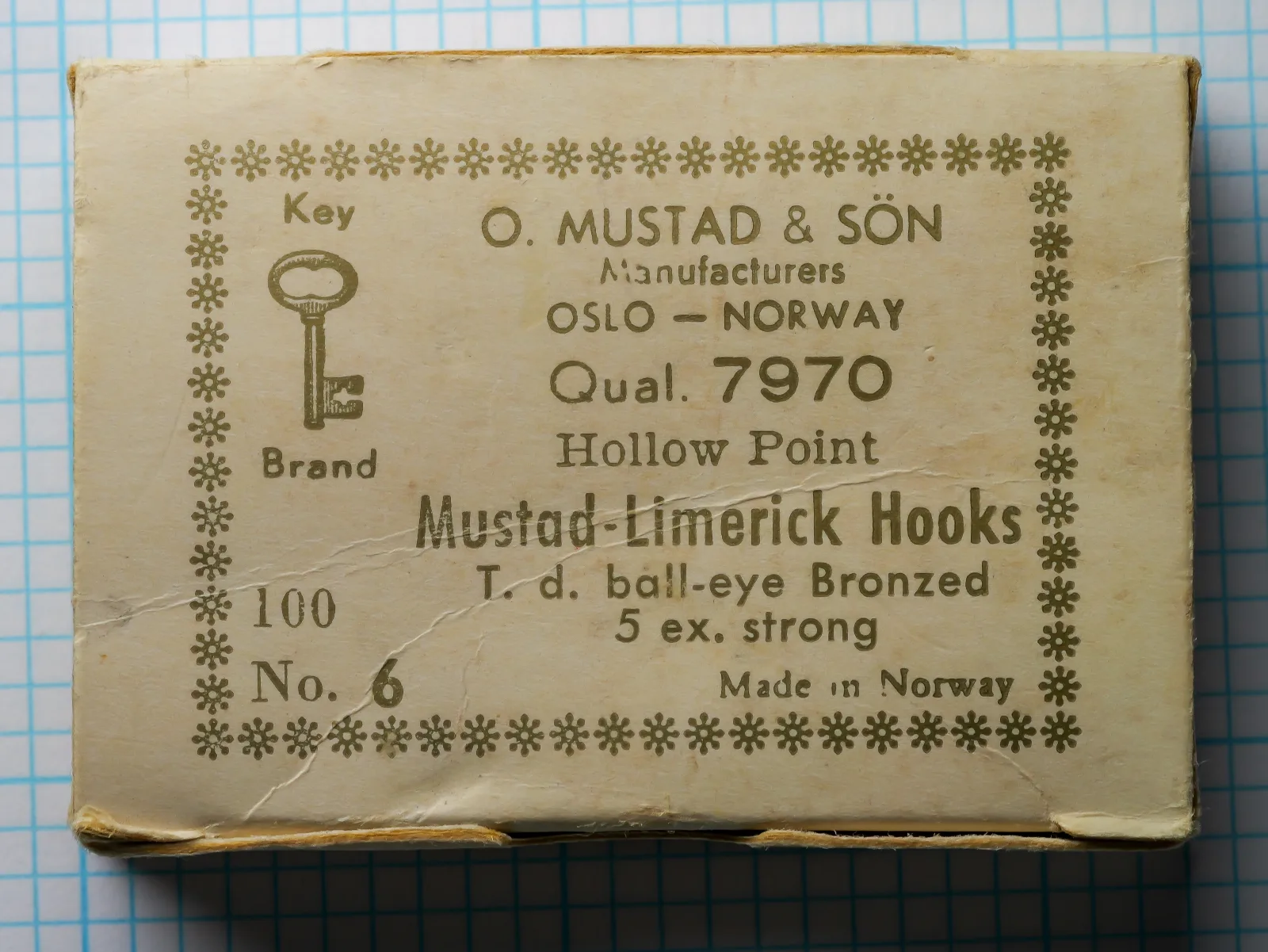
Vintage Mustad 7970 sales card from the 1950s–1960s showing the formal eight-line label format with Key Brand trademark, Oslo-Norway origin, Qual. 7970 model code, Hollow Point specification, Mustad-Limerick pattern name, tapered down ball-eye, bronzed finish, and 5 extra strong wire rating.
Photographic record
4 cataloged imagesSelect any record to load it above.
4 images shown
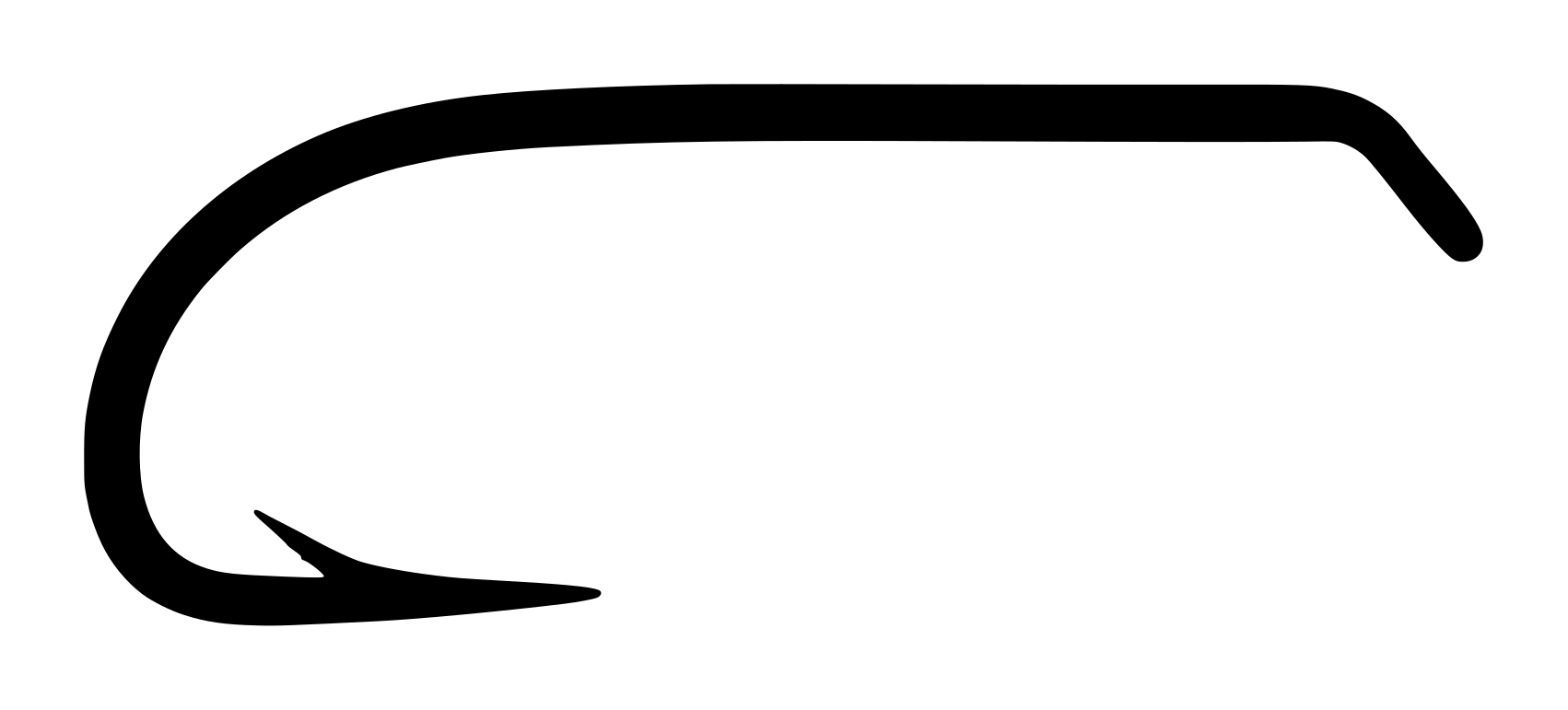
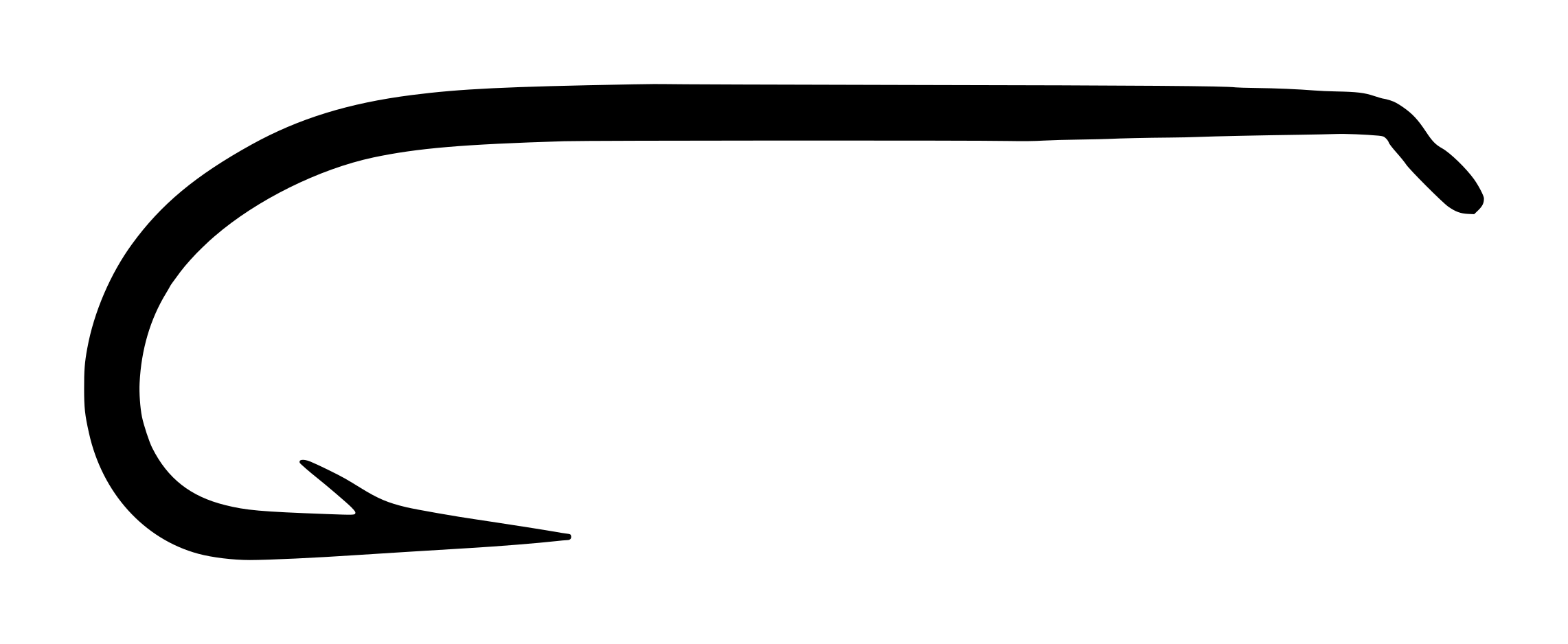
Mustad 7970 Original Sales Card Oslo 1950sVintage Mustad 7970 sales card from the 1950s–1960s showing the formal eight-line label format with Key Brand trademark, Oslo-Norway origin, Qual. 7970 model code, Hollow Point specification, Mustad-Limerick pattern name, tapered down ball-eye, bronzed finish, and 5 extra strong wire rating.Open originalMustad 7970 Hollow Point Detail Size 6Close-up detail of the Mustad 7970 point showing the characteristic hollow point geometry with inward-curved concave profile from tip to barb base, demonstrating the knife-edge effect designed for soft-tissue penetration in salmonid mouth cavities.Open originalMustad 7970 Hook Full Profile Size 6Side profile view of a Mustad 7970 hook showing the complete bend geometry, eye construction, shank, and bend relationship on a 1/10-inch measurement grid. The deep angular Limerick bend and substantial wire gauge are evident.Open originalMustad 7970 Paired Hooks Overhead Size 6Overhead view of two Mustad 7970 hooks displayed side by side, demonstrating consistent bend geometry, uniform wire gauge, and identical eye construction across multiple hooks from the same original box. This view documents manufacturing consistency of the vintage Mustad production run.Open original
Technical profile
Eye
Ball Eye, Turned DownTapered down ball eye construction reduces mass at the head significantly, visible as taper angle of approximately 15–20 degrees in ball-to-shank transition E. Ball diameter approximately 0.080"–0.090"; clean, uniform weld. Eye opening diameter approximately 0.065". The taper is intentional and consistent with premium fly tying applications where aerodynamic profile and buoyancy control are critical P.
Wire
Extra-Heavy (2X+), Round
Shank
2X Long — Plain
Bend
Limerick, Standard gapDeep angular Limerick bend with sharp, nearly 90-degree corner at the bend apex P. Bend depth from shank centerline to lowest point approximately 0.32"–0.38", significantly deeper than standard Sproat or Aberdeen patterns E. The shank remains visibly straight and true from eye to bend, with no kink or offset P. Wire set is clean; no visible deformation or mill marks on the bend exterior P.
Point
Hollow Point (concave inner face)Barb is short, acute-angled, and positioned closely behind the point at approximately 0.035"–0.040" from the tip E. Barb height from inner face to apex approximately 0.015"–0.020" E. The barb is cleanly cut and does not show secondary or double-barbing; appears to be a single-stage ground barb P. Barb angle is slightly swept backward, consistent with Mustad's hollow point geometry philosophy I.
Finish
Bronzed — Confirmed (stated on packaging)Bronzed finish displays warm brownish-gold tone characteristic of baked-on lacquer coating rather than true bronze metal plating P. Color tone is relatively uniform across the specimen with slight darkening at bend apex, consistent with uneven lacquer application or natural aging E. No visible rust bloom or white oxidation; finish remains well-preserved despite mid-20th-century age. Specimen shows minimal flaking or peeling, suggesting high-quality original coating P.
The specimen hook shows no visible corrosion, pitting, or oxidation; finish remains bright and intact P. Card packaging displays expected mid-century toning: cream-to-light-tan discoloration, minor edge creasing and corner wear, two small tears in border region P. Card remains structurally sound with no missing sections. No evidence of moisture damage, mold, or insect activity. All 100 hooks were present at time of measurement; count verified visually P.
The 5 extra strong wire specification is derived from Mustad’s proprietary quality grading system, which categorized hooks by wire gauge, tempering hardness, and manufacturing tolerances. Extra strong ratings (typically 3x, 4x, and 5x) indicated progressively stiffer wire that resists bending under extreme load. The 5x rating on the 7970 produces a wire diameter of approximately 0.045″–0.050″, substantially heavier than standard Sproat or Aberdeen patterns of equivalent size.
The hollow point geometry creates a concave inner face that runs from the tip down to the barb base. This inward curve produces a knife-edge effect at the point terminus, enabling rapid penetration through soft mouth tissues with minimal applied force. The concave profile contrasts sharply with superior point designs, which feature a nearly flat inner taper. For Atlantic Salmon and sea trout, the hollow point was superior because these species possess relatively delicate mouth structure; violent hook-sets would cause tissue damage and leader breakage.
The tapered down ball eye reduces dead weight at the head of the hook. This is not merely aesthetic—in large streamer and bucktail applications, heavy mass forward causes flies to nose-dive or spin uncontrollably during casting. The taper preserves strength (the ball and eye remain substantial) while redistributing weight rearward, improving balance and float characteristics. The bronzed finish was chosen for its visual stealth and superior corrosion resistance in brackish estuary environments where Atlantic Salmon seasonally transition from salt to freshwater.
Oslo designation (not Christiania) confirms post-1925 manufacture; Oslo established as city name in 1925. Key Brand trademark with ornate star border typography is characteristic of Mustad's mid-20th-century export packaging style. Absence of barcode confirms pre-1974 production. Card stock, offset lithography, and label formatting match documented Mustad standards from 1950s–1960s. No visible postal code or modern pricing format. The 'Made in Norway' assertion and specific quality coding system align with Mustad's peak global market dominance period (1950s–1960s).
The Peak of Scandinavian Hook Mastery
The Mustad 7970 represents the pinnacle of mid-century Scandinavian industrial hook manufacturing—an era when Norwegian engineering had captured approximately 50 percent of the global fishing hook market. The heavy Limerick bend became the iconic choice for Atlantic Salmon fly fishers in the 1950s and 1960s, particularly among Scottish and Irish anglers who viewed the ancestral Irish bend geometry as carrying centuries of regional tradition. The 5 extra strong wire rating was so durable that many vintage 7970s remain in functional condition today, with some still being used by traditional salmon tyers who value the deep bend and substantial mass for heavy water applications. The tapered down ball eye was an engineering refinement developed specifically to improve the balance and float characteristics of large, bulky streamer patterns—a detail that demonstrates Mustad's commitment to solving the practical problems of working fly dressers rather than simply mass-producing generic hooks.
Design lineage and influence
The Limerick bend itself originated in Ireland and was perfected by regional blacksmiths and craftsmen in the 19th century. Mustad’s strategy of reverse-engineering and mass-manufacturing the Limerick pattern represented a pivotal moment in global tackle industrialization: the company took a highly localized, artisan-produced hook geometry and standardized it for global export, effectively displacing hand-forged Irish Limerick makers from international markets by the 1920s–1930s.
The 7970 sits squarely in the lineage of premium salmon hooks that stretches back to the Victorian era. Contemporary competitors included the Partridge of Redditch O’Shaughnessy and the Allcock Limerick, but the Mustad 7970’s superior wire quality and lower manufacturing cost made it the dominant choice by the 1950s. The hollow point geometry was Mustad’s proprietary refinement, distinguishing their interpretation of the Limerick from the Superior Point variants offered by English makers.
The tapered down ball eye reflects the broader evolution of fly hook eye design driven by advances in synthetic fishing line materials (nylon monofilament replacing gut) and the rise of modern fly-casting techniques. Downstream, the 7970 influenced lighter-wire incarnations produced into the 1990s, though most modern Mustad Limerick variants have been discontinued in favor of more modular Signature Series designs.
Best matchRelated by Attribute
Computed automatically from catalog data — updated as new hooks are added.
Matches: Bend, Wire, Gap, Eye Orient., Point +6 moreDiffers: Shank: 2X Long vs 1X Long; Eye: Ball Eye vs Tapered Eye; Shank ratio: 69.5% vs 70.2% +2 more
Matches: Bend, Wire, Gap, Eye Orient., Point +4 moreDiffers: Shank: 2X Long vs 1X Long; Eye: Ball Eye vs Tapered Eye; Finish: Bronzed vs Tinned +1 more
Matches: Bend, Wire, Gap, Eye Orient., Point +6 moreDiffers: Shank: 2X Long vs 1X Long; Eye: Ball Eye vs Looped Eye; Shank ratio: 69.5% vs 67.9% +2 more
Matches: Bend, Shank, Wire, Eye, Point +4 moreDiffers: Gap: Standard vs Wide; Eye Orient.: Turned Down vs Straight / Inline; Finish: Bronzed vs Black Japanned +3 more
Matches: Bend, Wire, Eye Orient., Point, Forging +3 moreDiffers: Shank: 2X Long vs 3X Long; Gap: Standard vs Narrow; Eye: Ball Eye vs Tapered Eye +2 more
The Mustad 7970 was designed as a heavy-duty salmon and sea trout fly hook for wet fly and streamer presentation in demanding river systems. The 5 extra strong wire rating was engineered to handle the violent head-shakes and sustained power runs of migratory salmonids without bending open or deforming under extreme pressure. The deep, angular Limerick bend provides excellent jaw-locking mechanics when a fish turns hard against the line; the bend’s sharp bottom angle physically prevents the hook from sliding or rotating within the fish’s mouth during protracted battles.
The hollow point design was intended to penetrate soft mouth tissues of salmonids with minimal applied force—critical when fishing with delicate fly tippets where excessive leverage or heavy-handed hook sets would snap the leader. The tapered down ball eye reduces weight at the head, allowing larger streamers and bucktail patterns to float and move naturally in the water column. The bronzed finish was the historical standard for Atlantic Salmon flies, offering superior corrosion resistance in brackish river estuaries while avoiding the bright flash that might spook selective fish in clear, low water conditions.
Secondary Applications
Saltwater streamer fishing, large saltwater bait fly applications, specimen-class freshwater fly tying where maximum durability and deep bend holding power are required
Classic Fly Patterns
Atlantic Salmon flies tied on heavy wet patterns, traditional Limerick-based streamer designs, Steelhead spey-cast patterns, bucktail flies, larger soft-hackle wets
Modern Mustad Limerick with similar geometry but lighter 2x strong wire. Sacrifices durability of 7970 but maintains classic bend profile.
Partridge of Redditch CS10/1 Bartleet
Very Good
Heavy-wire traditional Limerick from historic Redditch maker. Similar strength and salmon fly heritage; modern hook equivalent in both function and craft tradition.
Tiemco TMC 7989
Moderate
Modern spey fly hook with Limerick-style bend and 3x strong wire. Different eye design but comparable penetration and strength for large river work.
Daiichi 1180
Moderate
Japanese heavy-wire salmon hook. Similar 5x strong rating and Limerick-influenced geometry but different finish and eye construction.
Collector notes
Rated 4.5/10 — uncommon in original packaging but not genuinely scarce. Size No. 6 is particularly sought by salmon fly collectors, but the 7970 remains readily available in larger sizes (2/0, 1/0, 1–4). Collector demand is moderate, driven primarily by vintage salmon fly tiers and Mustad historians rather than general hook enthusiasts. Original packaging significantly increases value relative to loose hooks.
Reference value
$6 – $12 USD estimate
Packaging condition
Good — moderate wear, legibleRecorded specimen
Packaging format
GW-MUSTAD-VINTAGE-CARD-01Catalog code
The Mustad 7970 occupies a middle tier in vintage hook collectability. It is common enough that original cards appear regularly on eBay and in estate tackle lots, but scarce enough that complete, well-preserved cards command genuine premiums. The primary drivers of collectability are: (1) manufacturer prestige (Mustad at its market dominance peak), (2) era significance (1950s–1960s represent the ‘golden age’ of fly-tying tradition), (3) original packaging with formal eight-line label format (this was discontinued c. 2001–2009), and (4) size-dependent scarcity (smaller sizes like No. 6 are genuinely harder to find than 2/0 or 1/0).
What limits the rating to the 4–5 range: Mustad hooks were produced in such enormous volumes that even 70-year-old cards are not truly rare. The 7970 was a staple commercial product, not a specialty or regional variant. Many collectors prioritize pre-1925 Christiania-era cards or highly specialized Mustad patterns with narrower production runs. The 7970 lacks the mystique of named collaborator designs or artist-signature patterns.
Size and finish variants matter significantly. No. 6 is more desirable than larger sizes (fewer anglers tie size 6 salmon flies, making original cards historically more ‘expendable’). Bronzed finish is preferred over blued or bright variants because it represents the traditional salmon fly aesthetic. Original packaging in good-to-excellent condition (card intact, all 100 hooks present, minimal toning) commands 2–3× the value of opened cards with missing or deteriorated hooks.
Condition factors: sealed or near-sealed cards with full hook counts fetch the highest premiums. Cards with 5–10 missing hooks or moderate damage still hold modest value (collectors will use remaining hooks). Cards with obvious moisture damage, mold, or severe creasing fall to lower tiers. A complete, well-preserved 7970 card in size No. 6 is a worthwhile acquisition for serious Mustad collectors and traditional salmon fly historians.
Packaging
Cream-colored kraft paper sales card with olive/brown offset lithography. Eight-line label format with ornate star/snowflake border frame. Features Key Brand skeleton key trademark in upper left, printed text: O. MUSTAD & SÖN / Manufacturers / OSLO – NORWAY / Qual. 7970 / Hollow Point / Mustad-Limerick Hooks / T. d. ball-eye Bronzed / 5 ex. strong / Made in Norway. Lower left corner shows 100 / No. 6. Card dimensions approximately 3.5" x 2.5". Light toning and edge wear consistent with mid-20th century storage; small tears and creasing visible. No barcode present.
Market Value Notes
Low ($6): Good condition—opened card, some hooks missing (90–95 present), light toning and wear
High ($12): Excellent condition—sealed or near-sealed, all 100 hooks present, minimal damage
Premium factors: Size No. 6 commands 20–30% premium over larger sizes; complete original tissue or envelope wrapper adds 15–20%; bronzed finish preferred over blued; clear photographic documentation of label
Platforms: eBay sold listings (Apr 13, 2023 – Apr 12, 2026), UK and US regional tackle auctions
Confidence: V verified from eBay market history: avg $8.96, range $4.00–$22.99 (11 sellers, 3-year period). The $4.00 low reflects heavily damaged or incomplete cards; the $22.99 high reflects sealed mint examples. Estimate anchored to eBay data with consideration for card format premium.
Where to Find
eBay UK and US (search 'Mustad 7970'), regional tackle auctions in UK and Scandinavia, vintage fly-tying forums, specialist Mustad dealers in Scotland and Ireland. Size No. 6 is less common than 1/0–2/0; expect 3–4 week search lead time for good condition examples.
eBay market reference. Researcher-curated. Prices in USD.
Preservation
Storage and Preservation
Store the 7970 card in a cool, dry environment away from direct sunlight and humidity. The bronzed lacquer finish is durable but will develop a natural patina over decades if exposed to fluctuating humidity—this is often considered desirable by collectors, as it documents the hook’s age authentically. However, persistent high humidity (above 60% RH) can cause the lacquer to crack or peel, and will promote rust bloom on any exposed steel edges.
Keep the original sales card intact rather than removing the hooks. The card itself is the primary artifact; the packaging adds far more value than the hooks removed from it. Store cards in acid-free paper sleeves or archival-quality boxes to prevent contact with modern plastics or papers that contain acidic compounds. Avoid stacking heavy items on top of cards, as this will cause creasing and permanent damage to the label.
If the card has experienced any moisture exposure, allow it to air-dry completely in a well-ventilated space before returning it to storage. Do not use heat or artificial drying methods, which can accelerate deterioration of the lacquer finish.
If you intend to use hooks from a loose collection of 7970s, handle them by the shank only—avoid touching the point, as body oils and moisture will accelerate corrosion of the steel. Store loose hooks in a dry container with individual compartments (a vintage fly box works well) rather than bulk bags. The bronzed finish will develop slight patina over time, which is cosmetic and does not affect function.
Primary Source
Label Decryption and Eight-Line Format
Source: Label photographically documented on Mustad 7970 sales card; historical context from 'A Comprehensive Typology and Decryption of Vintage O. Mustad & Søn Hook Labels,' pp. 2–6.
The Mustad 7970 box exemplifies the rigid eight-line label system that Mustad employed for over a century (documented comprehensively in the reference text ‘A Comprehensive Typology and Decryption of Vintage O. Mustad & Søn Hook Labels’). Each line encodes specific technical and commercial information:
Line 1: ‘O. MUSTAD & SÖN’ — Corporate manufacturer identity. The umlaut on ‘SÖN’ confirms Norwegian origin and Norwegian-language printing.
Line 2: ‘Manufacturers’ — Explicit role designation, distinguishing Mustad from import agents or repackagers who might use secondary brand names.
Line 3: ‘OSLO – NORWAY’ — Geographic origin. The use of ‘Oslo’ (not the pre-1925 ‘Christiania’) confirms production after January 1, 1925, establishing a post-1925 terminus ante quem.
Line 4: ‘Qual. 7970’ — Quality code in Mustad’s proprietary numbering system. The 7900-series code indicates a premium, specialized hook; economy models occupied 1000–2999, mid-tier 3000–3999, premium 4000+. The 7970 is a high-end salmon/specialty pattern.
Line 5: ‘Hollow Point’ — Exclusive point geometry descriptor. According to Mustad’s rigid labeling rules, Line 5 is reserved solely for point specification and never encodes wire gauge, eye type, or shank length. The hollow point geometry is explicitly documented here.
Line 6: ‘Mustad-Limerick Hooks’ — Pattern nomenclature. The Limerick bend was originally an Irish regional pattern that Mustad reverse-engineered and mass-manufactured, effectively ‘cloning’ it for global export. This line identifies the archetypal bend geometry.
Lower left: ‘100 / No. 6’ — Quantity and size. The box originally contained 100 hooks, size No. 6 in standard numeric scale.
This eight-line system remained essentially unchanged from approximately 1890 until Mustad’s discontinuation of the classic quality codes around 2001–2009, when the company transitioned to the modern ‘Signature Series’ alpha-numeric system (e.g., R50, R72). The presence of this formal eight-line label on a sales card is the definitive hallmark of a vintage Mustad product, representing an era when hook identification was standardized, memorizable, and passed down through apprenticeship and cultural transmission rather than digital databases.
Additional
The Salmon Fly Tradition and Heavy-Wire Limerick Design
The Mustad 7970 represents a crucial intersection of two European hook-making traditions: the Irish Limerick regional craft and Norwegian industrial manufacturing. The Limerick bend originated in Ireland and was hand-forged by regional craftsmen and blacksmiths for over a century before Mustad began mass-manufacturing the pattern in the late 19th century. The ancestral Irish Limerick featured a characteristically sharp, angular bend at the hook’s deepest point—a geometry that the makers believed physically locked a salmon’s jaw into the bend, preventing the hook from sliding or rotating under the violent head-shakes of migratory fish.
When Mustad adopted the Limerick pattern for industrial production, they refined it with mechanical precision and added proprietary features like the hollow point. The 5 extra strong wire rating reflects Mustad’s understanding that salmon and sea trout anglers required maximum structural integrity—these fish run hard in heavy currents and demand hooks that will not bend open under extreme lateral stress. The tapered down ball eye was a distinctly Mustad innovation, designed to balance weight distribution in large, bulky streamer flies without sacrificing eye strength.
The bronzed finish was the historical aesthetic standard for Atlantic Salmon flies. Unlike the bright, high-visibility finishes used for freshwater trout patterns, the muted brownish-gold tone of bronzed steel was believed to avoid spooking selective salmon in clear, low-water conditions. Salmon fly tradition held that the fly itself should appear as a natural baitfish or aquatic creature moving through the water column—bright metal at the hook eye would betray the deception. The bronzed finish thus embodies a philosophical approach to tackle design that prioritized stealth and match-the-hatch principles over manufacturing economy or aesthetic appeal.
The Mustad 7970 flourished during the 1950s and 1960s, an era when Atlantic Salmon fly fishing was still culturally and economically significant in Scotland, Ireland, Norway, and parts of North America. Gillie-guided salmon beats on rivers like the Spey, Dee, and Tweed employed dozens of fishing professionals who tied their own flies on heavy Limerick hooks like the 7970. Though Atlantic Salmon populations have declined dramatically since the 1960s, and commercial salmon fishing has been largely eliminated, the 7970 remains a tangible artifact of an era when salmon fly tying was a living craft tradition practiced by thousands of working anglers.
Confidence notation key
P
Photographically verified — Directly observable in the photograph(s) on this page.
V
Verified by documentation — Confirmed by manufacturer catalog, spec sheet, or published reference.
I
Inferred — A logical deduction from observable or documented evidence, not directly stated.
E
Estimated — An approximation based on visual comparison, proportional analysis, or limited data.
S
Speculative — A reasoned hypothesis that cannot be confirmed from available evidence.
Unnotated claims are the compiler’s synthesis; see Sources. All photographs on garrenwood.com are taken on a measurement grid where each square equals 1/10 inch (0.1″ / 2.54 mm).